 1952
1952En 2020, la marca GNC solicitó protección por bancarrota debido a problemas de deuda.
Esta empresa tradicional, fundada en 1935 y que había atravesado 85 años de altibajos, finalmente no pudo seguir el ritmo de los tiempos, fracasó y fue arrastrada por las olas de las nuevas generaciones. Incluso surgió el rumor de que "la inversión de 2 mil millones de yuanes de Harbin Pharmaceutical se había perdido".
Sin embargo, nadie esperaba que en 2024, la marca GNC "resucitara por completo", escalando directamente a la lista de productos más vendidos del "Black Friday" de TikTok, logrando un aumento del 160% en el valor GMV en la primera semana.
Entre ellos, un paquete nutricional para mujeres destacó especialmente, vendiendo 8,000 unidades en solo 9 días, con un aumento de 50 veces en las ventas en todos los canales.
¿Cómo logró este "fósil" del sector de la salud transformarse y "resucitar"?
Todo comienza con ese punto de inflexión.

Fuente: GNC
La "dependencia de canales" del gigante tradicional
En 1935, el inmigrante judío David Shakarian fundó la tienda de alimentos saludables Lackzoom en Pittsburgh, EE. UU., con 500 dólares, especializada en miel natural y cereales.
En 1950, la empresa se renombró como General Nutrition Centers (GNC) y aprovechó la ola de consumo de vitaminas posterior a la Segunda Guerra Mundial, expandiéndose rápidamente con un modelo de "tienda comunitaria + membresía". En su apogeo, tenía más de 6,000 tiendas en todo el mundo, y cuando cotizó en la Bolsa de Nueva York en 2011, su valor de mercado alcanzó los 4.6 mil millones de dólares.
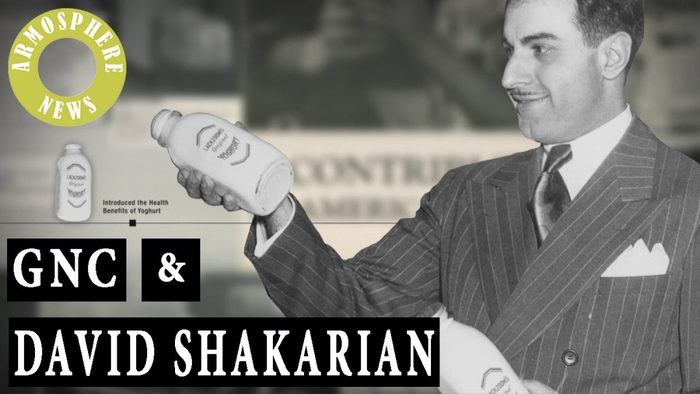
David Shakarian Fuente: Internet
Pero el éxito vino de lo físico, y la caída también.
Aunque la marca GNC creció rápidamente gracias a sus tiendas físicas, su excesiva dependencia de los canales físicos (72% de los ingresos totales) y su grave retraso en la presencia en línea (menos del 5%) la llevaron a quedarse atrás en la era del comercio electrónico.
En 2018, el Grupo Harbin Pharmaceutical invirtió 299 millones de dólares para adquirir el 40.1% de las acciones de GNC, intentando revertir la tendencia negativa, pero no logró resolver sus problemas centrales, y la marca GNC continuó sumida en dificultades.
En 2020, bajo el impacto de la pandemia, las ventas físicas de GNC cayeron un 34% interanual, y finalmente se vio obligada a solicitar protección por bancarrota. En ese momento, era como un gigante atrapado en cemento, viendo cómo las nuevas marcas DTC devoraban el mercado.
Justo cuando todos pensaban que este gran líder había llegado a su fin, el punto de inflexión llegó en 2024. Ese año, GNC apostó por el comercio electrónico de TikTok, y en solo 3 meses logró que un producto exclusivo en línea se volviera viral, con un GMV que superó el millón de dólares, completando con éxito la "transformación de contenido" de una marca tradicional.
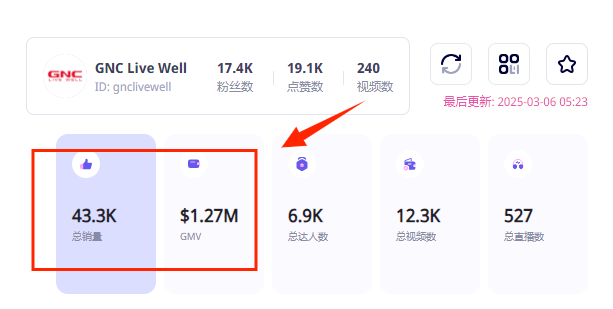
Fuente: Echotik
El avance de TikTok: de "marca de mamás" a nueva favorita de la Generación Z
Como empresa tradicional de salud con casi 90 años de historia, la ventaja central de la marca GNC radica en la confianza acumulada a lo largo del tiempo. Sin embargo, esta imagen de "marca centenaria" también presenta desafíos, ya que para los consumidores jóvenes, a menudo se percibe como una "marca de padres", careciendo de conexión con la nueva generación.
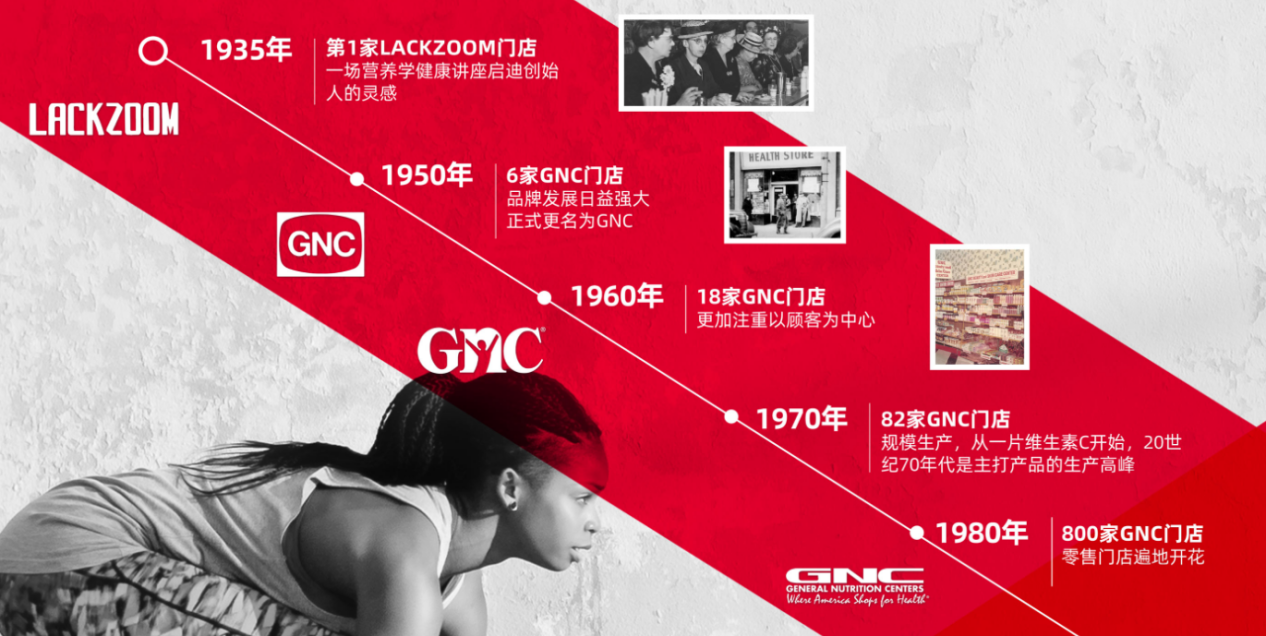
Fuente: GNC
Para romper esta barrera de percepción, la marca GNC primero adoptó en TikTok la colaboración con influencers para crear contenido, mostrando de manera intuitiva la eficacia del producto y los escenarios de uso a través de videos cortos.
Esta estrategia impulsada por el contenido no solo ayudó a GNC a remodelar su imagen de marca, sino que también la acercó a las necesidades y preferencias de los consumidores jóvenes.
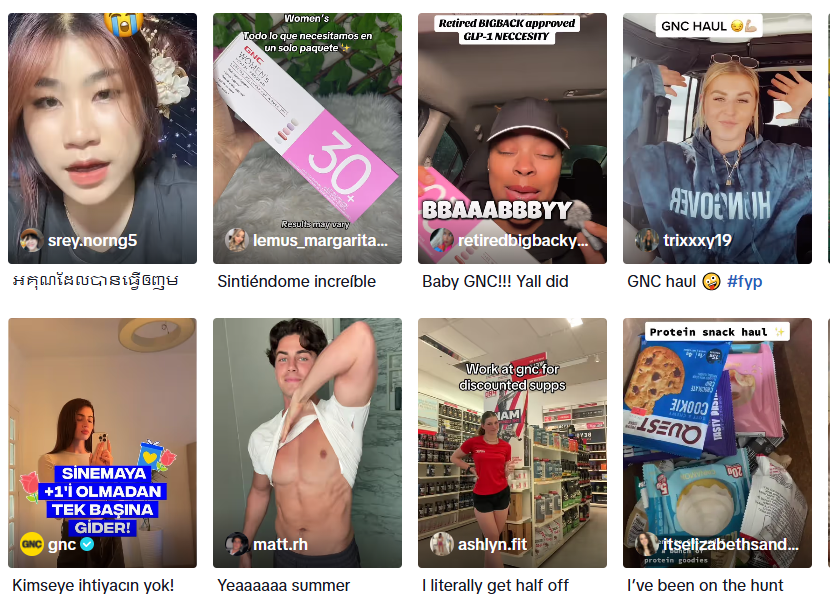
Fuente: TikTok
La efectividad de esta estrategia se verificó plenamente en septiembre de 2024. El primer producto exitoso de GNC en TikTok, "Woman Stress Relief Vitapak", se agotó en solo una semana y media desde su lanzamiento, con más de 8,000 unidades vendidas, convirtiéndose en un artículo popular en la plataforma.
Hasta ahora, este producto ha vendido aproximadamente 12,000 unidades, con un valor GMV total de 345,900 dólares.
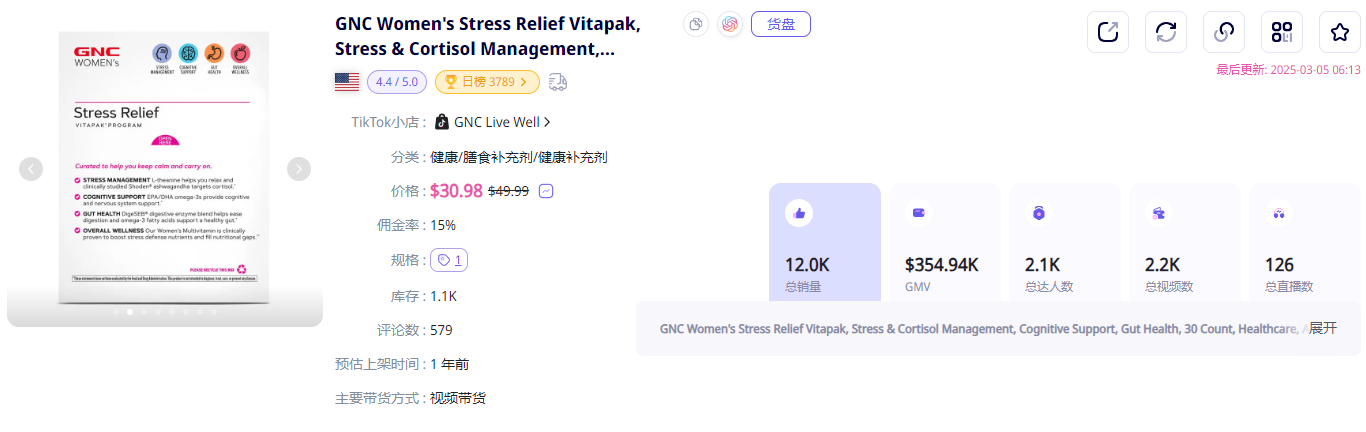
Fuente: Echotik
Durante el proceso operativo, la estrategia de marketing de contenido de la marca GNC siempre se ajustó de manera flexible y dinámica según las diferentes etapas del ciclo de vida del producto.
En la fase inicial de promoción del producto (ventas menores a 1,000 unidades), el contenido publicado por los influencers se centraba en la eficacia principal, los escenarios de uso y la forma de uso. Cuando las ventas entraban en la fase de explosión (más de 3,000 unidades), el enfoque del contenido se desplazaba hacia las ventajas de precio y la información promocional, utilizando una estrategia de "comparación de precios" para impulsar a los usuarios a completar la decisión de compra.
Por ejemplo, el video publicado por la influencer de TikTok @SARAHI ARAICA en septiembre utilizó contenido de "comparación de precios" para promocionar, obteniendo finalmente 334,100 reproducciones, con un estimado de 2,000 unidades vendidas, generando alrededor de 70,600 dólares en ventas para la marca GNC.
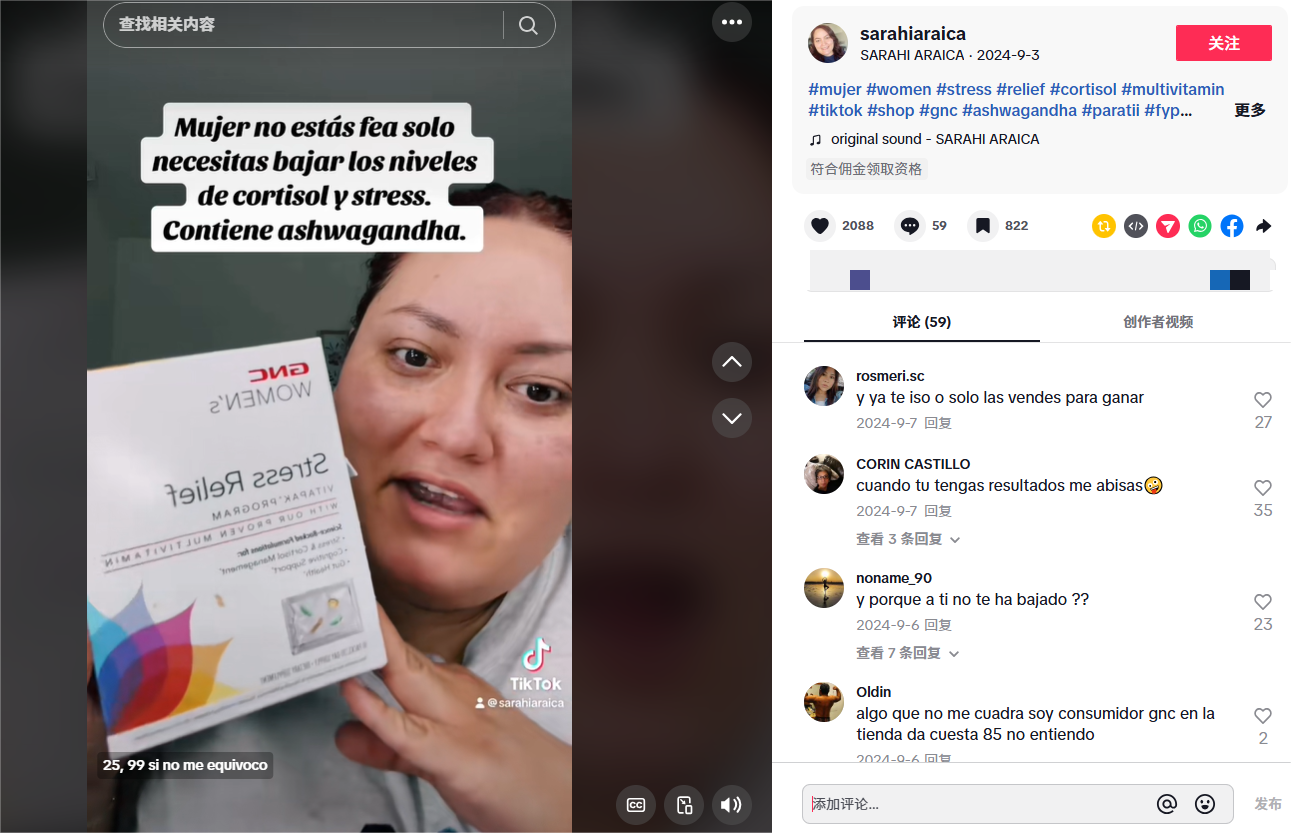
Fuente: TikTok
Además, la marca GNC reforzó la ventaja del canal de TikTok Shop mediante una estrategia de precios exclusivos.
Por ejemplo, el precio del producto "Woman Stress Relief Vitapak" en TikTok Shop era de 30.98 dólares, mientras que en el sitio web oficial y las tiendas físicas se mantenía el precio original de 49.99 dólares (los precios pueden variar).
Esta diferencia de precio no solo atrajo a muchos usuarios en línea, sino que también ayudó a la marca GNC a lograr una conversión eficiente de tráfico dentro de la plataforma.
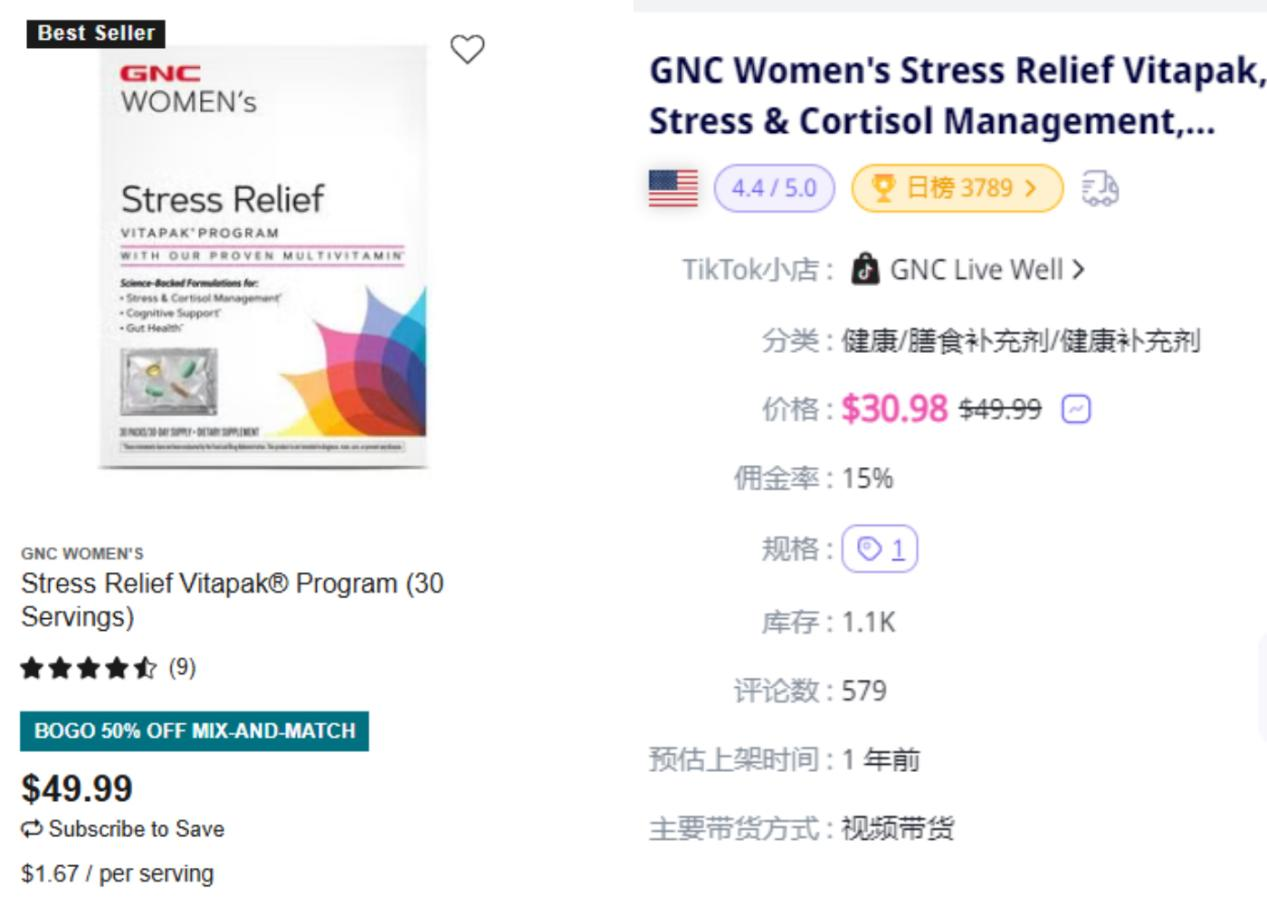
Precio en el sitio web oficial (izquierda) Precio en TikTok Shop (derecha)
Además de los ajustes periódicos en la dirección del contenido, la operación detallada de la marca GNC en la colaboración con influencers también fue clave para su éxito. Específicamente, la marca dividió la promoción con influencers en los siguientes niveles:
Influencers principales para definir la imagen de marca: Colaboración con influencers de alto nivel con capacidad para crear contenido de calidad, mediante invitaciones pagadas para garantizar la alta calidad y consistencia del contenido, estableciendo una imagen profesional y confiable para la marca.
Influencers de cola larga para probar creatividades: Uso de un modelo de "muestra + comisión" para colaborar con influencers de nivel medio y bajo, relajando el control del contenido y alentando a los influencers a ser creativos, explorando más posibilidades de contenido.
Inversión en contenido para mantener el efecto de tráfico: Después de que los influencers publicaran el contenido, se amplificaba continuamente la exposición del contenido mediante tarjetas de producto y promoción de videos cortos, asegurando que el tráfico no disminuyera.
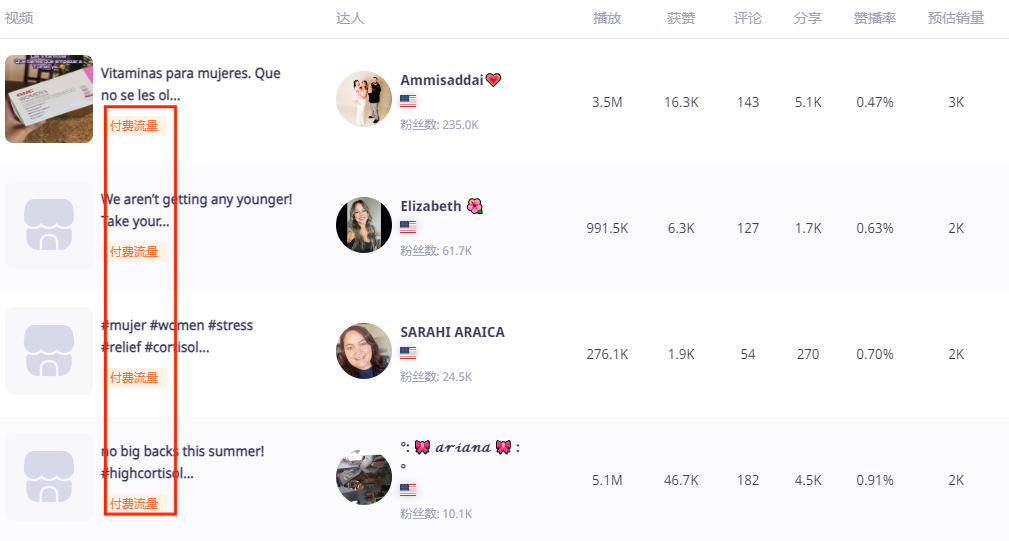
Fuente: Echotik
Esta estrategia de operación por niveles no solo mejoró la amplitud y profundidad de la difusión del contenido, sino que también optimizó continuamente la dirección del contenido a través de la retroalimentación de datos, proporcionando un fuerte apoyo para la creación de productos exitosos de la marca GNC en TikTok.
Desde GNC hasta la expansión internacional de empresas chinas: la clave es la presencia en múltiples plataformas y la localización
La transformación de la marca GNC revela un camino claro: las marcas tradicionales deben romper la dependencia de los canales, utilizando el comercio electrónico de contenido como punto de inflexión, combinado con operaciones localizadas para lograr el crecimiento.
Por ejemplo, el tráfico pulsante de TikTok requiere que las marcas iteran el contenido rápidamente, mientras que los sitios web independientes y los canales físicos deben asumir la función de acumulación de marca y construcción de confianza.
Este camino también tiene valor de referencia para la expansión internacional de las empresas chinas, para las empresas chinas, la expansión internacional no es solo "vender productos", sino también adaptación cultural y transmisión de valor.
Específicamente, se puede reflejar en los siguientes dos aspectos:
Primero, marketing de contenido: utilizando plataformas como TikTok, a través de la recomendación de influencers y contenido contextualizado, se reduce la barrera de decisión del usuario, llegando rápidamente al público objetivo;
Segundo, impulsado por datos: utilizando herramientas o equipos profesionales para analizar tendencias de la industria y estrategias de la competencia, ajustando dinámicamente la selección de productos y precios, asegurando la competitividad de la marca en el mercado extranjero.
Fuente: Internet
Conclusión: En la era de la globalización 2.0, el comercio electrónico de contenido reestructura la lógica de la expansión internacional
El resurgimiento de la marca GNC confirma una tendencia: impulsado por plataformas como TikTok, el mercado extranjero ha entrado en una nueva etapa de "el contenido es el canal".
Según predicciones de plataformas de terceros, en 2025, las transacciones realizadas a través del comercio social representarán el 17% del total del comercio electrónico global, en comparación con solo el 5% en 2021.
Para las empresas chinas, la expansión internacional ya no es simplemente "distribuir productos", sino una competencia de tres capacidades: construir reconocimiento de marca a través del contenido, impulsar operaciones localizadas con datos y responder a los cambios del mercado con una cadena de suministro flexible.
Cuando la Generación Z domina el mercado de consumo global, quien pueda contar la historia del producto en su idioma, tendrá ventaja en la próxima ronda de competencia global.
(Nota: La información de este artículo proviene de informes públicos y datos de varias plataformas; la situación real se basa en la información oficial)