 2261
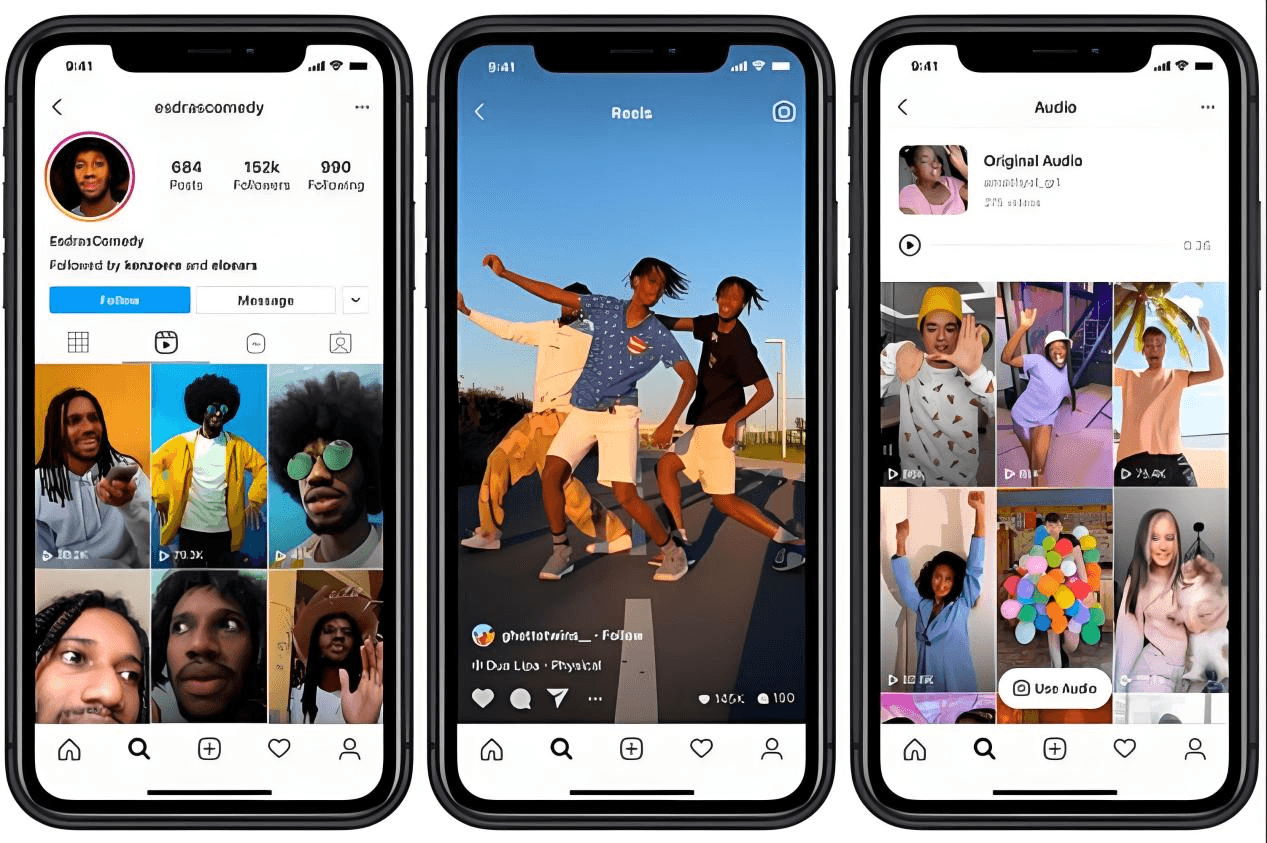
2261Alors que l'influence de TikTok continue de croître à l'échelle mondiale, elle est devenue une plateforme clé pour les marques afin de connecter avec les jeunes consommateurs. Contrairement aux publicités unidirectionnelles traditionnelles, l'interactivité et les formes d'expression créative de TikTok font du « marketing narratif » une nouvelle direction pour les marques qui cherchent à s'internationaliser.
Grâce à des récits vivants et à des mises en scène authentiques, les marques peuvent toucher un public mondial d'une manière plus proche de leur vie quotidienne. Aujourd'hui, Tuke explore comment les marques peuvent utiliser le « marketing narratif » sur TikTok pour étendre leur marché et atteindre les consommateurs.

Pourquoi choisir le marketing narratif ?
1. Les utilisateurs recherchent un contenu authentique
La base d'utilisateurs de TikTok est principalement composée de jeunes, qui préfèrent un contenu authentique, amusant et émotionnel plutôt que de simples promotions commerciales. En racontant des histoires réelles sur la marque ou ses produits, celle-ci peut s'intégrer plus naturellement dans la vie quotidienne des utilisateurs.
2. La résonance émotionnelle stimule la consommation
Des études montrent que les histoires suscitent une résonance émotionnelle, et que les émotions sont un facteur clé de la consommation. En présentant l'histoire de la marque sur TikTok, il est possible d'influencer plus profondément les décisions d'achat des utilisateurs.
3. Les histoires sont facilement partagées
Contrairement aux publicités unidirectionnelles, le contenu narratif est plus viral. Les mécanismes de « partage » et de « participation » de TikTok permettent aux utilisateurs de continuer l'histoire à leur manière, favorisant ainsi une diffusion virale.
Comment les marques peuvent-elles bien raconter une histoire sur TikTok ?
1. Adopter le point de vue de l'utilisateur pour créer des scènes de vie
Sur TikTok, les utilisateurs sont plus enclins à suivre un contenu lié à leur vie. Les marques peuvent montrer comment leurs produits sont utilisés dans différents contextes quotidiens pour se rapprocher des utilisateurs. Par exemple, une marque de maison intelligente peut montrer comment ses produits améliorent la vie quotidienne à travers de courtes vidéos, comme « l'histoire d'un réveil lumineux intelligent le matin » ou « le moment où une lampe intelligente crée une ambiance de fête en famille ».

2. S'associer aux tendances populaires pour créer des défis viraux
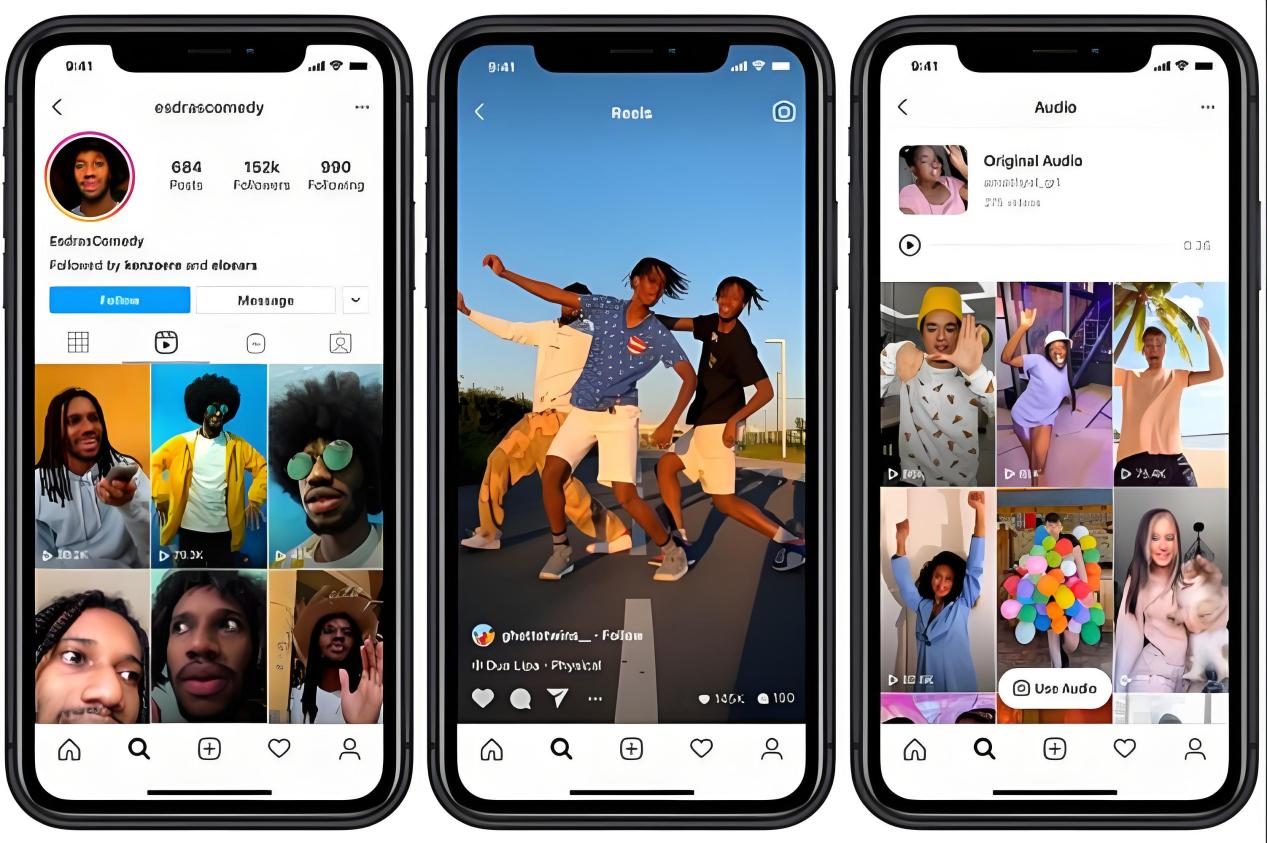
Utilisez les musiques tendance, les hashtags ou les défis de TikTok pour intégrer la marque dans les tendances de la plateforme. Par exemple, une marque de sport peut lancer un défi « la façon la plus créative de porter un équipement sportif », encourageant les utilisateurs à partager leurs vidéos créatives, ce qui montre les fonctionnalités du produit tout en impliquant profondément les utilisateurs.
3. Collaborer avec des influenceurs majeurs pour créer une histoire crédible
Les influenceurs majeurs sur TikTok jouissent souvent d'une grande confiance de la part des utilisateurs, et le contenu qu'ils partagent est plus facilement accepté. Les marques peuvent collaborer avec eux pour créer un contenu narratif. Par exemple, un influenceur tech peut réaliser une vidéo intitulée « Du chaos à l'ordre : comment les outils de maison intelligente ont changé ma vie », transmettant la valeur du produit à travers une expérience authentique.
4. Utiliser les retournements de situation pour capter l'attention
Les vidéos courtes de TikTok mettent l'accent sur l'accroche des premières secondes, et les retournements de situation sont un moyen efficace. Par exemple, une marque peut montrer une solution inattendue à un problème courant, puis terminer par un point fort du produit, suscitant l'intérêt et les discussions.
Ci-dessous, Tuke vous présente quelques exemples de marques ayant réussi à utiliser le « marketing narratif ». À travers ces cas concrets, nous pouvons comprendre comment le « marketing narratif » établit un lien émotionnel dans l'esprit des consommateurs et se transforme finalement en moteur de vente.
Exemples de marques ayant réussi avec le marketing narratif
1. NBA : Partager des histoires en coulisses pour se rapprocher des fans
La NBA partage sur TikTok de nombreux moments inédits en coulisses, des anecdotes amusantes sur les joueurs et des instants informels. Par exemple, ils ont publié une courte vidéo de Stephen Curry des Golden State Warriors imitant un arbitre de manière comique pendant un match, ainsi qu'un extrait de LeBron James célébrant une victoire dans les vestiaires. Ces contenus ne sont pas des moments forts traditionnels, mais montrent le côté humain des joueurs au quotidien.
En se concentrant sur les moments authentiques et humoristiques des joueurs, la NBA permet aux fans de ressentir la proximité et l'authenticité de leurs idoles. Le mécanisme de diffusion rapide de TikTok a aidé ces vidéos à se propager largement, attirant ainsi de nombreux jeunes fans pour la NBA.

2. Fenty Beauty : Raconter l'histoire du produit à travers des tutoriels de maquillage
Fenty Beauty publie sur TikTok de nombreuses courtes vidéos montrant comment utiliser ses produits phares pour créer des maquillages adaptés à différentes occasions. Par exemple, ils ont mis en ligne une vidéo sur l'utilisation du « Pro Filt’r fond de teint » pour un teint naturel, tout en intégrant des avis réels d'utilisateurs sur le produit.
Chaque vidéo adopte le point de vue de l'utilisateur, avec le thème « Créez un maquillage parfait en toute simplicité », rendant le contenu plus convaincant et résonnant.
3. Pura Vida : Dévoiler l'histoire chaleureuse derrière la marque
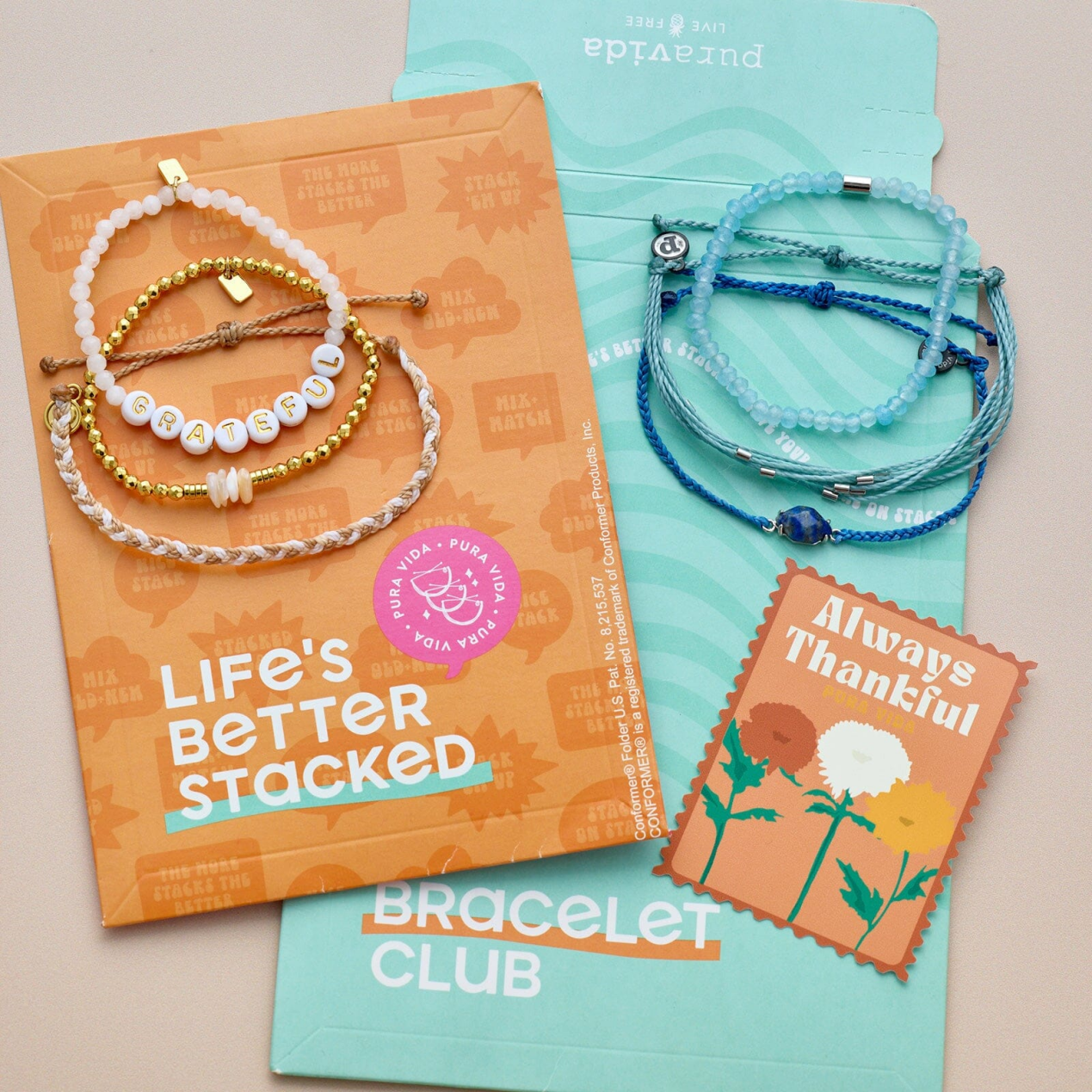
Pura Vida partage sur TikTok le processus complet de conception et de fabrication de ses bracelets. Par exemple, ils ont publié une vidéo montrant un artisan fabriquant un bracelet à la main, tout en racontant la mission de la marque de soutenir les artisans et le développement durable. La vidéo montre l'atelier de l'artisan et des gros plans sur les détails du bracelet, accompagnés d'une musique émouvante.
En racontant l'histoire des artisans, la marque met en avant son humanité et sa responsabilité sociale. Les spectateurs comprennent non seulement l'effort derrière le produit, mais ressentent aussi la signification de l'achat d'un bracelet : soutenir la vie des artisans du monde entier. Ce type de contenu renforce la valeur émotionnelle de la marque, faisant des utilisateurs non seulement des consommateurs, mais aussi des participants à la mission.
Toucher les cœurs avec des histoires, donner plus de chaleur à l'internationalisation des marques
Sur une plateforme aussi créative que TikTok, le « marketing narratif » est une méthode de promotion de marque à la fois proche des utilisateurs et efficace. Il permet non seulement d'accroître la notoriété de la marque, mais aussi de fidéliser les utilisateurs grâce à une résonance émotionnelle.
À l'avenir, les marques chinoises souhaitant s'internationaliser peuvent adopter le point de vue des utilisateurs, ouvrir les marchés étrangers en racontant des histoires, et insuffler plus de chaleur et de vitalité à leur marque.