 1839
1839Dans le contexte actuel d'une concurrence mondiale intense, TikTok, grâce à sa vaste base d'utilisateurs et à l'efficacité de la diffusion de vidéos courtes, est devenu une voie royale pour les marques qui se lancent à l'international.
Cependant, de nombreux commerçants constatent que, même en investissant d'importantes ressources dans la promotion de leurs produits, les résultats sont bien en deçà des attentes. La cause fondamentale réside souvent dans l'absence d'une « pensée de localisation » : une sélection de produits rigide et un contenu stéréotypé peinent à toucher les utilisateurs issus de contextes multiculturels.
I. Logique de sélection des produits : du marqueur géographique au symbole culturel
(1) Décodage du gène culturel : le « filtre caché » de la sélection de produits
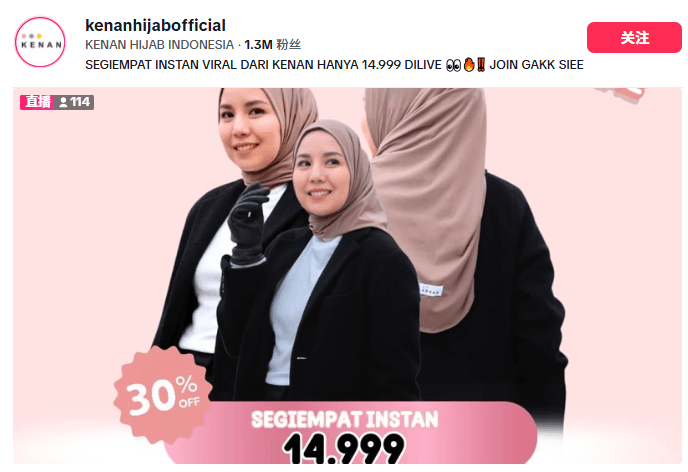
La logique sous-jacente de la sélection de produits sur TikTok consiste à « voir les besoins à travers les yeux des locaux ». Sur le marché de l'Asie du Sud-Est, le hijab musulman n'est pas un simple vêtement, mais un symbole à double facette, porteur à la fois d'identité religieuse et d'expression de la mode. La marque indonésienne KENAN HIJAB, en étudiant les scènes quotidiennes des femmes musulmanes, a lancé un hijab combinant un tissu respirant et séchant rapidement avec des motifs ethniques, atteignant des ventes de 2,89 millions d'unités en six mois. Cela confirme la règle d'or de la sélection de produits : la fonction du produit résout les problèmes, le symbole culturel satisfait les émotions.


Source : TikTok
(2) Fêtes et tendances : le « déclencheur de ventes explosives » de la sélection de produits localisée
Le marketing événementiel sur TikTok ne consiste pas simplement à surfer sur une tendance, mais à transformer le produit en une partie intégrante d'un rituel culturel. Les décorations de Noël occidentales, les kits de maquillage pour Halloween, ou les produits limités pour la « saison des cerisiers en fleurs » au Japon, connaissent tous un grand succès en captant précisément la psychologie d'achat liée aux fêtes.
Par exemple, après l'introduction de l'interdiction des plastiques à usage unique dans l'UE en 2024, la marque écologique Biotrem a lancé des couverts comestibles, répondant à la fois à la réglementation et à la conscience environnementale des utilisateurs, et a rapidement gagné en popularité.


Couverts comestibles Biotrem Source : Google
II. Création de contenu : de la diffusion unidirectionnelle à la co-création d'un écosystème
La localisation de la sélection de produits doit être étroitement liée à la création de contenu, sinon même les meilleurs produits risquent de passer inaperçus.
(1) Révolution narrative : raconter une histoire mondiale avec une langue locale
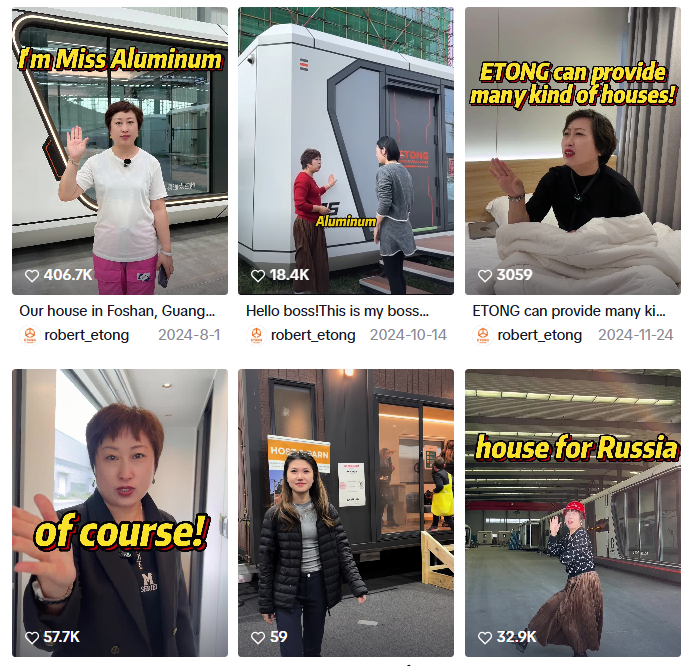
Une dame du nord-est de la Chine, utilisant un « anglais approximatif » sur TikTok pour vendre des maisons capsules, a vu une seule vidéo atteindre 5,8 millions de vues. Derrière ce succès se cache une formule narrative de « suspense en avant-première + montagnes russes émotionnelles » : les 0-1 secondes montrent la fonction principale du produit, à 3 secondes on insère une comparaison d'utilisation par un client, et on termine par une question ouverte pour susciter l'interaction. Cette structure de contenu décentralisée dissout les barrières culturelles dans une expression divertissante.
Données à l'appui :
1. Le taux de complétion des vidéos contenant de l'argot local augmente de 42 %
2. Le CPM des publicités intégrant une musique de fond régionale diminue de 28 %

Source : TikTok
(2) Écosystème UGC : faire de l'utilisateur un producteur de contenu
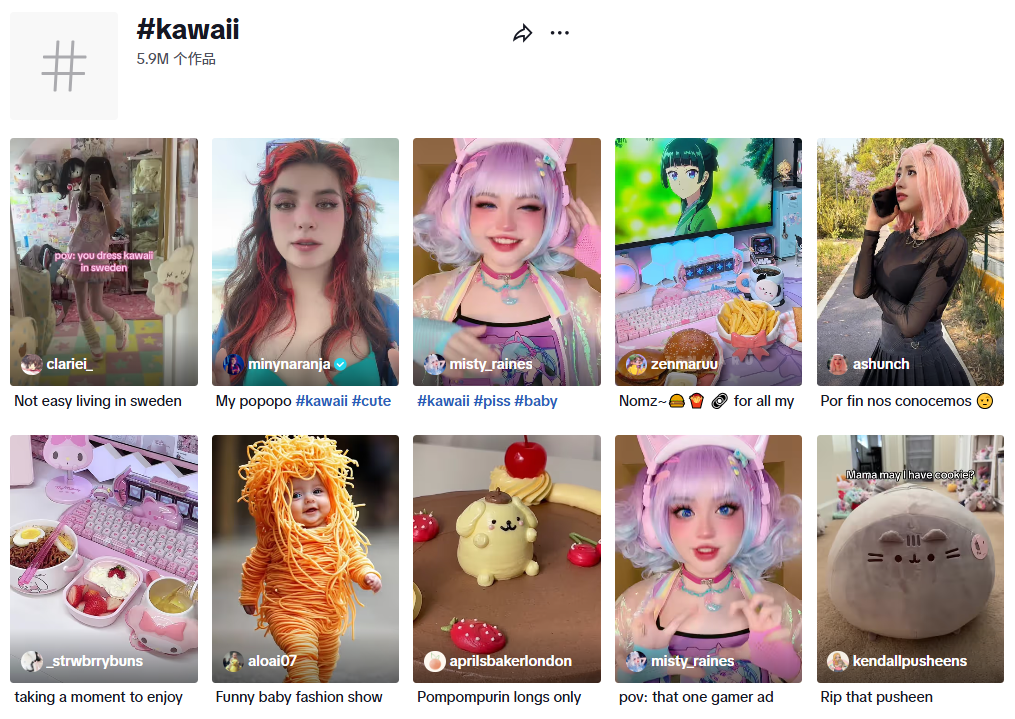
L'« économie des animaux mignons » et la « culture otaku » sur le marché japonais offrent des opportunités pour une sélection de produits différenciée. En 2023, une boutique d'Osaka a rapidement grimpé en tête des ventes au Japon en vendant des bandeaux en forme d'oreilles de chat, associés à un défi de vidéo avec des animaux mignons utilisant le hashtag « #kawaii ». Cette stratégie consistant à intégrer le produit dans des scènes de sous-cultures locales est plus susceptible de générer du buzz qu'une simple promotion fonctionnelle.
Cela valide le modèle d'écosystème « 20 % de contenu de marque + 50 % de recréation par les KOC + 30 % d'imitation par les utilisateurs ». La marque n'a qu'à fournir le thème culturel, et les utilisateurs remplissent le reste.

Source : TikTok
III. Pilotage par les données : une approche scientifique de la localisation
La localisation n'est pas une question de subjectivité, mais une stratégie précise validée par les données.
1. Ingénierie inverse des listes de best-sellers
La marque de décoration vietnamienne « HOMY », en analysant les listes de best-sellers de TikTok en Asie du Sud-Est, a découvert que les recherches de paniers de rangement en rotin augmentaient de 220 % par mois. Ils ont collaboré avec des artisans de Chiang Mai pour lancer une version améliorée du produit (avec un revêtement anti-humidité) et l'ont présenté en situation via le hashtag « #SustainableLiving », se maintenant dans le top 3 de leur catégorie pendant 3 mois.
2. Test de sensibilité au prix
Les données montrent que les utilisateurs d'Asie du Sud-Est sont les plus réceptifs aux produits dans la fourchette de prix de 10 à 35 dollars. La boutique malaisienne « MYFashion », grâce à des tests A/B, a constaté qu'en ajustant le prix d'un t-shirt imprimé de 19,9 $ à 16,9 $ (avec une offre « achetez-en deux, obtenez-en un gratuit »), le taux de conversion augmentait de 27 %.

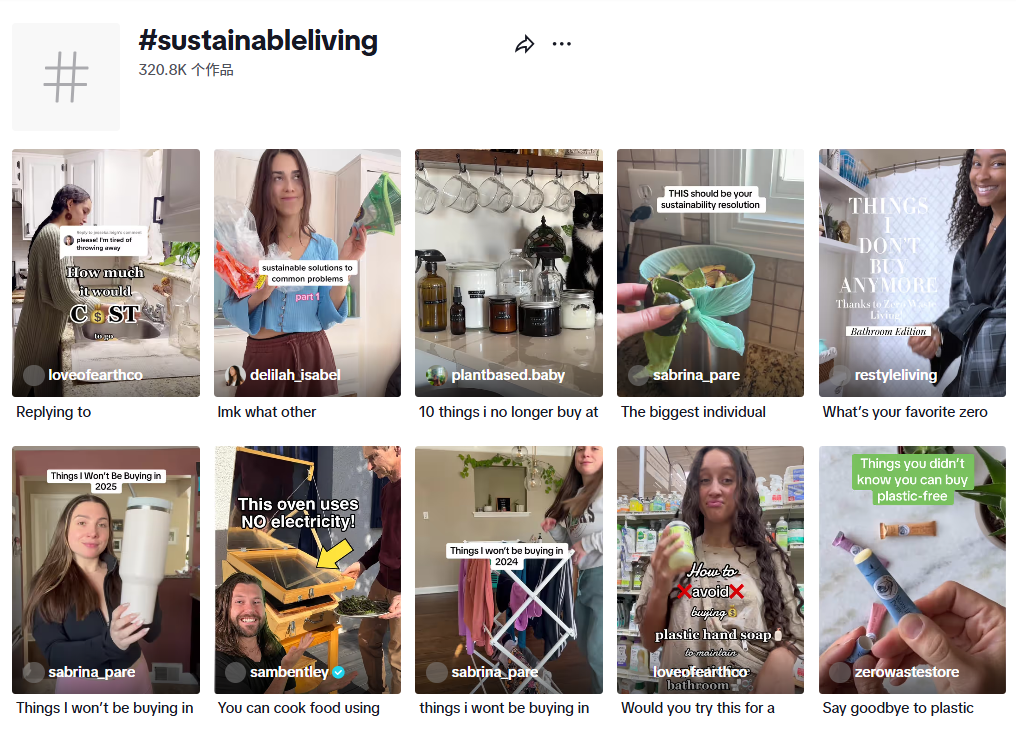
Source : TikTok
Conclusion
L'essence de la pensée de localisation est de sortir de son propre point de vue et de redéfinir la valeur du produit à travers les yeux de l'utilisateur cible. De la sélection des produits au contenu, des données à l'exécution, ce n'est qu'en combinant le respect culturel, la compréhension du contexte et les outils scientifiques qu'une marque peut véritablement « percer » dans la vague de mondialisation de TikTok.
Sur TikTok, vendre ne consiste pas à déplacer des produits chinois à l'étranger, mais à transformer « les besoins des locaux » en « nos opportunités ».