 2600
2600En 2024, malgré l'interdiction de TikTok aux États-Unis, ses téléchargements ont déjà dépassé les 3,5 milliards, surpassant les applications de la série Facebook et se classant solidement en tête des téléchargements mondiaux d'applications.
Les entreprises B2C qui utilisent TikTok pour réussir sur le marché mondial sont innombrables, et certaines ont même réussi à entrer en bourse grâce à cette dynamique.
Cependant, seules quelques entreprises B2B ont réussi sur cette plateforme, manquant d'exemples modèles significatifs et réalisables.
Aujourd'hui, Tuke va donc expliquer,comment les entreprises ToB du commerce extérieur devraient planifier leur présence sur TikTok ? Comment générer des demandes de qualité pour l'entreprise et augmenter concrètement ses revenus grâce à TikTok.

Stratégie 1 : Occuper les tags sectoriels en premier
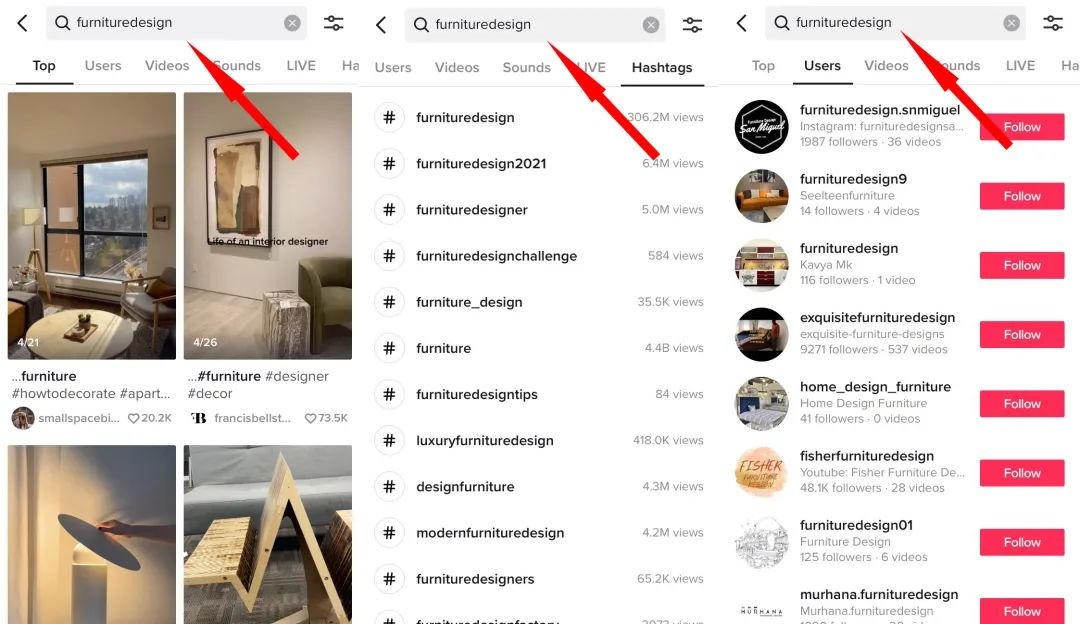
Sur TikTok, les tags sont un mécanisme important pour la distribution du trafic.
Lors de la publication de vidéos courtes, le système attribue des tags correspondants à chaque compte et vidéo pour classer le contenu. Les entreprises B2B ayant un avantage de premier entrant peuvent obtenir plus d'exposition et d'attention en créant et en occupant des tags sectoriels verticaux.
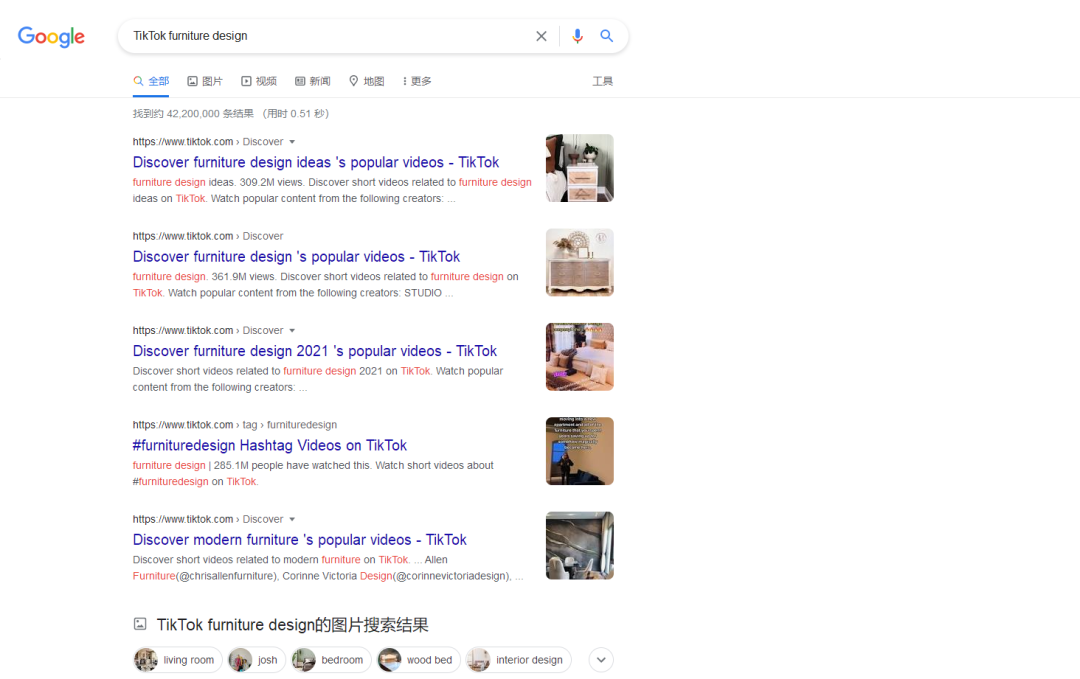
Un avantage unique de TikTok est le poids élevé de son contenu dans les recherches Google. Cela signifie que les consommateurs peuvent rechercher et trouver directement du contenu TikTok sur Google, offrant aux entreprises B2B une opportunité d'attirer un trafic plus ciblé via le marketing sur les moteurs de recherche (SEM).
Stratégie 2 : Publier du contenu de manière stable et continue pour obtenir des demandes de qualité
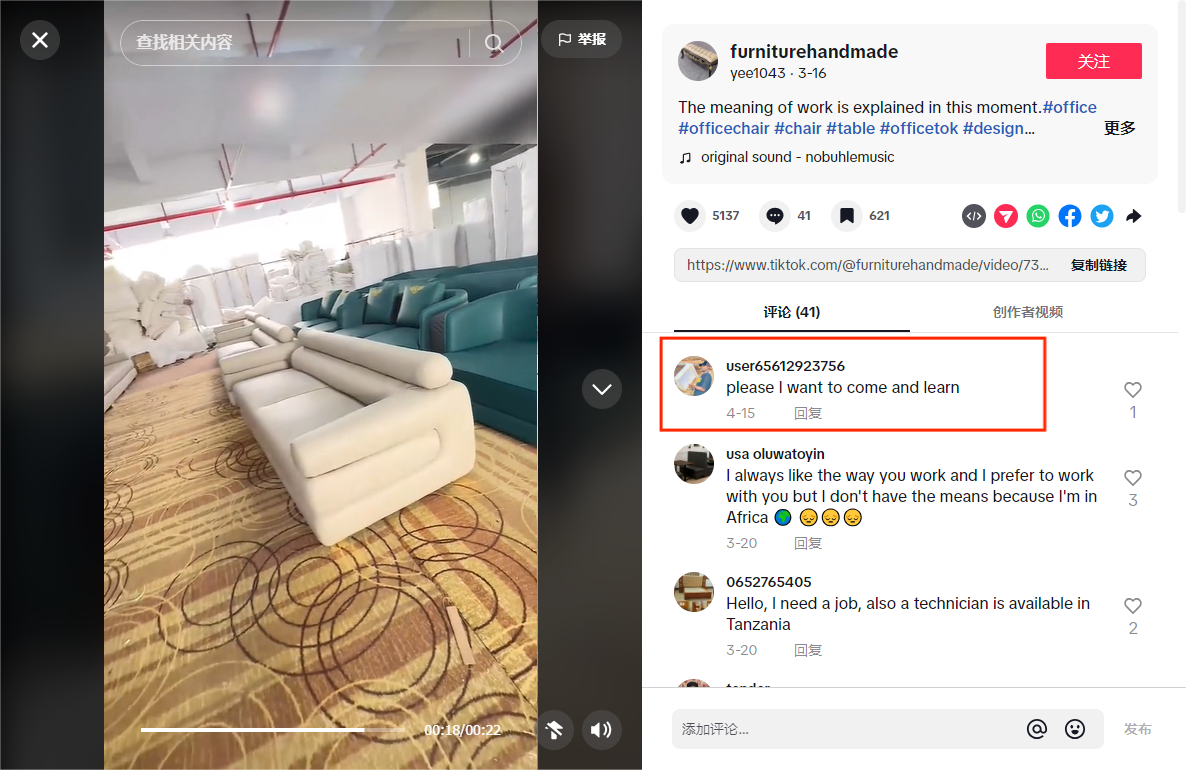
Une publication de contenu stable et continue est essentielle pour établir et maintenir la réputation de la marque sur TikTok.
En publiant régulièrement des vidéos liées au secteur, aux produits et aux scénarios d'application, les entreprises B2B peuvent non seulement construire une notoriété de marque, mais aussi, via des liens externes vers leur site indépendant, ouvrir un chemin marketing de TikTok au site indépendant, créant ainsi un bassin de trafic privé et obtenant des demandes de qualité.

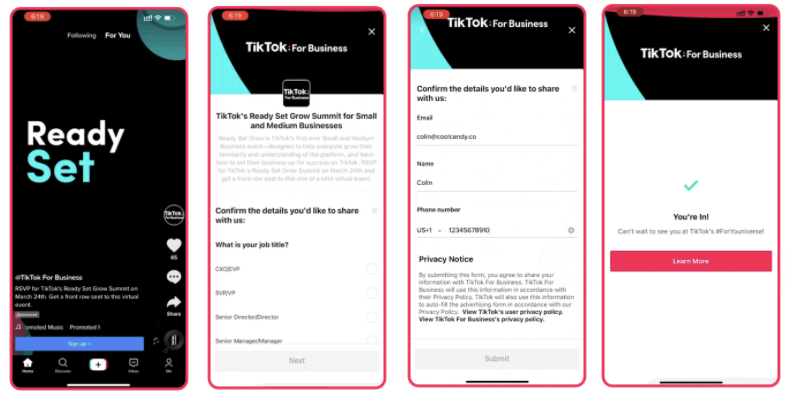
Stratégie 3 : Diffuser des publicités avec formulaire
TikTok dispose d'une fonction de recherche publicitaire. Les vidéos publicitaires de recherche reçoivent un badge "sponsored" et apparaissent en tête de tous les résultats de recherche. Cette fonction permet de cibler plus précisément les consommateurs visés.
De plus, le coût d'acquisition de clients via les formulaires publicitaires sur TikTok est très bas pour les entreprises industrielles. Pour certains secteurs de niche, il est possible de toucher l'audience potentielle de TikTok à un coût très faible.
Quatre points clés pour la gestion d'un compte TikTok
1. Ton du contenu :Sur TikTok, le contenu est généralement brut et créatif. Pour les entreprises B2B du commerce extérieur, il convient d'adopter une stratégie de "partage + marketing", tout en insérant un lien vers le site indépendant de l'entreprise sur la page d'accueil et en répondant professionnellement aux questions dans les commentaires pour attirer des demandes de qualité.
2. Mécanisme de recommandation :Le mécanisme de recommandation de trafic de TikTok peut recommander des vidéos à des utilisateurs du monde entier. Comprendre et utiliser ce mécanisme peut aider les vidéos à atteindre un public plus large.
3. Modèle marketing :En se référant à l'écosystème e-commerce et aux données de Douyin, les entreprises B2B devraient tirer parti des avantages des vidéos courtes et du commerce social de TikTok pour offrir des expériences d'achat riches et amusantes ainsi que des canaux marketing innovants et efficaces.
4. Marché cible :Pour s'adapter aux coutumes des utilisateurs de différentes régions, il est important de localiser le contenu lors de la gestion du compte. Le système TikTok divise les zones des comptes en fonction de la carte SIM et de l'adresse IP, garantissant ainsi la précision de la diffusion du contenu.
Conclusion
Dans l'ensemble, bien que TikTok présente un avantage considérable en termes de trafic utilisateur, son écosystème de contenu n'est pas encore aussi mature que celui de Douyin en Chine, créant un fort besoin de créateurs de contenu de qualité.
Le modèle TikTok + site indépendant B peut stimuler le désir d'achat des utilisateurs via un contenu de qualité, puis résoudre les problèmes d'offre et de demande via le site indépendant. Cette approche permet non seulement d'élargir l'influence de la marque et de créer un nouveau bassin de trafic privé, mais aussi d'apporter des demandes de qualité à l'entreprise et de stimuler la croissance des ventes.
C'est le moment idéal pour les entreprises B2B de commencer à exploiter le potentiel marketing de TikTok, surtout alors que d'autres plateformes sociales sont déjà matures. TikTok, en tant que nouveau média social, est actuellement dans une période de dividendes de marché.