 3288
3288Les utilisateurs de TikTok savent peut-être que le nombre d'utilisateurs mondiaux de TikTok a dépassé les 2 milliards ! Avec une base d'utilisateurs aussi massive, il n'est pas exagéré de dire que TikTok devient un nouveau champ de bataille pour les marques chinoises à l'international.
Avec l'augmentation du nombre de marques présentes, une question que la plupart des "nouveaux joueurs" rencontrent est à nouveau soulevée : celle de la stratégie de la matrice TikTok.
Aujourd'hui, nous allons donc aborder ce point avec des exemples pour vous expliquer. Ceux qui souhaitent en savoir plus peuvent apprendre.
I. Définition et caractéristiques de la matrice TikTok
La matrice TikTok fait référence à la création et à la gestion de plusieurs comptes TikTok avec des caractéristiques et des positionnements différents, formant un réseau interconnecté et mutuellement soutenu.
Le cœur de cette stratégie est de tirer pleinement parti du mécanisme de recommandation algorithmique de la plateforme TikTok pour maximiser la diffusion du contenu et la croissance rapide des utilisateurs. De plus, une fois qu'un grand compte est établi, il peut aider les petits comptes à atteindre une diffusion plus large et à favoriser la monétisation du trafic.
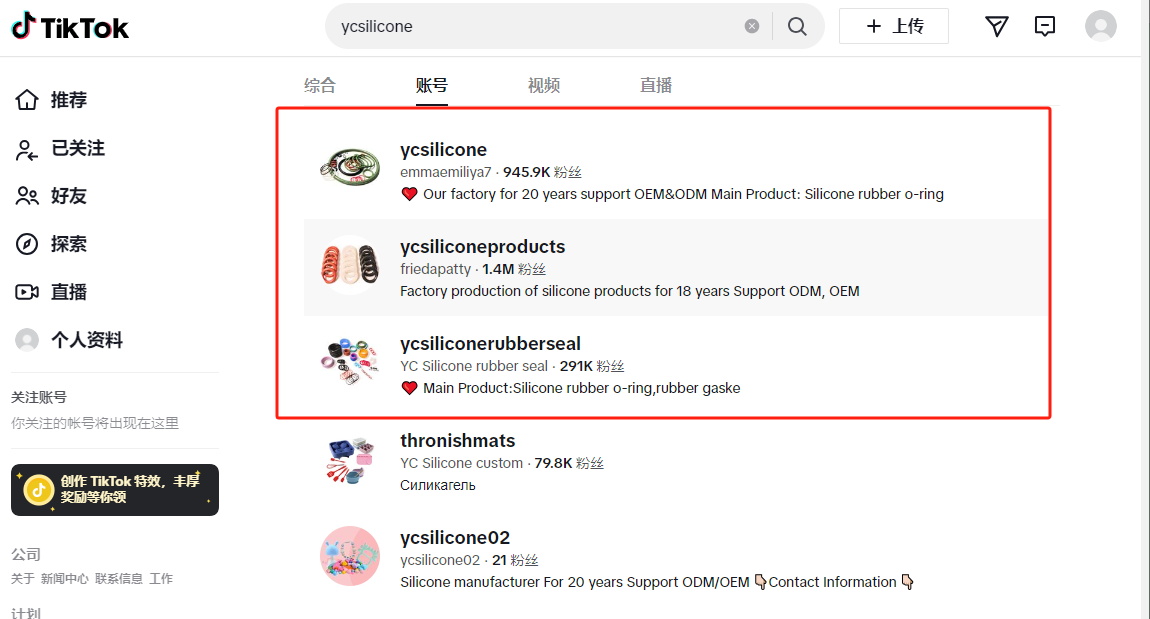
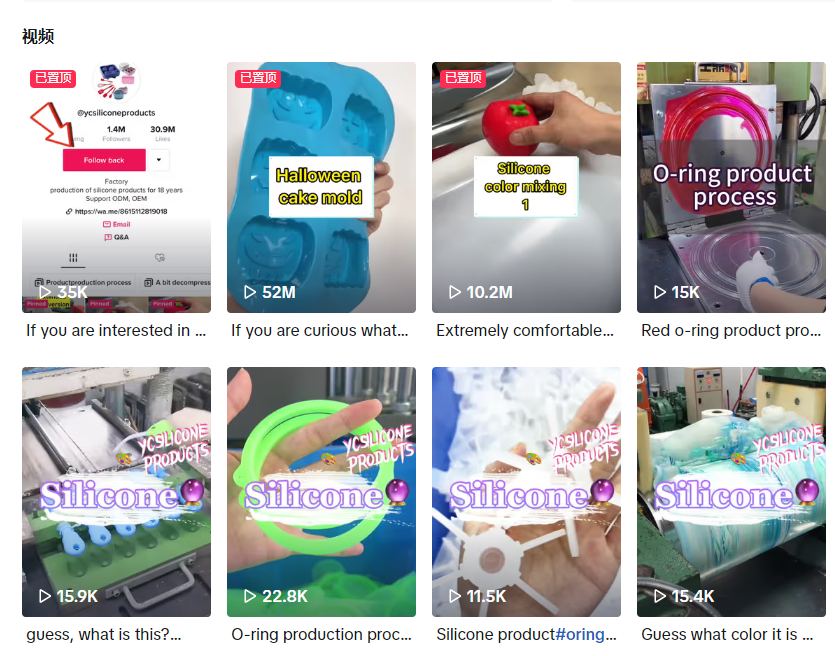
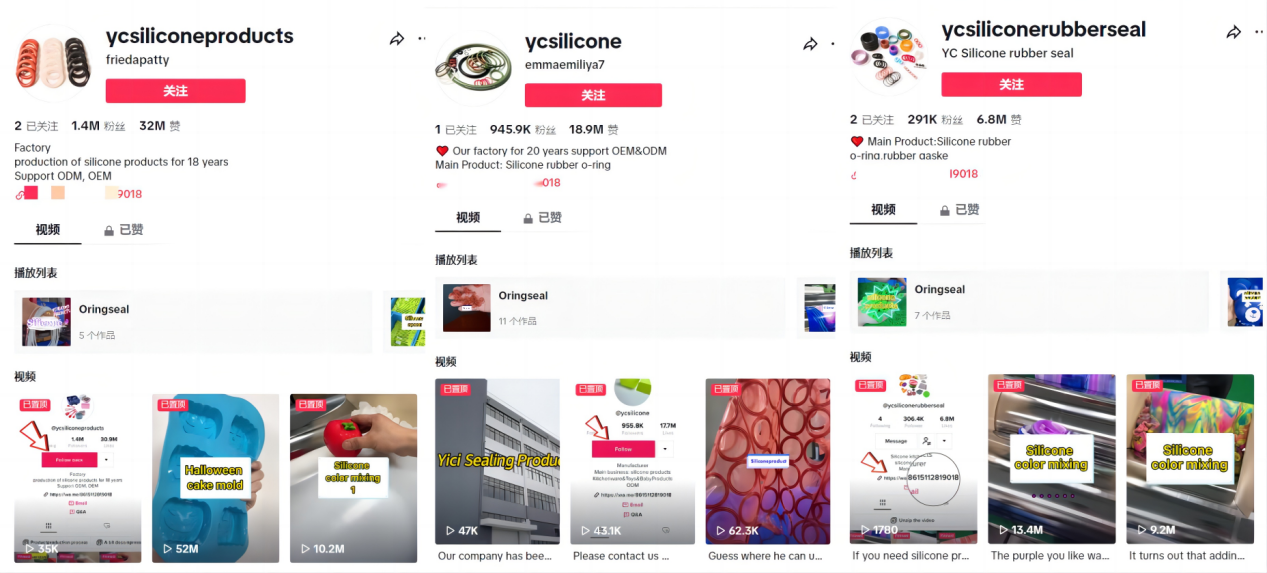
Par exemple (ces trois comptes appartiennent à la même entreprise) :
Les caractéristiques de la matrice TikTok se manifestent principalement dans les aspects suivants :
1. Diversité du contenu : Chaque compte a un positionnement de contenu unique pour répondre aux besoins de différents groupes d'utilisateurs. En créant un contenu de haute qualité, créatif et précieux, on attire l'attention et la participation des utilisateurs cibles.
2. Synergie multiplateforme : En se connectant à d'autres plateformes de médias sociaux, on partage et complète les ressources d'utilisateurs. Par exemple, partager du contenu de qualité de TikTok sur Instagram, Twitter, etc., pour attirer plus d'utilisateurs potentiels.
3. Optimisation basée sur les données : En analysant et en exploitant les données utilisateur, on optimise continuellement la stratégie de contenu et les méthodes de promotion. Utiliser les outils d'analyse de données fournis par TikTok pour comprendre le comportement et les préférences des utilisateurs, ajuster la direction du contenu et les stratégies de promotion, et améliorer le taux d'exposition et le taux de clics du contenu.
4. Capacité de monétisation commerciale : Monétiser via des partenariats avec des marques, des publicités, etc. Utiliser l'influence et la base d'utilisateurs de la matrice TikTok pour collaborer avec des marques afin de promouvoir leurs produits ou services, ou générer des revenus via des publicités.
II. Idées pour la stratégie de la matrice TikTok
La stratégie de matrice TikTok comprend "créer des points, relier des lignes, tisser un réseau".
D'abord, "créer des points" consiste à établir une référence, c'est-à-dire à construire un compte modèle réussi. Après avoir maîtrisé le processus opérationnel, on passe à "relier des lignes", en utilisant le modèle de compte réussi pour créer et promouvoir plusieurs comptes, réalisant une promotion mutuelle et un flux partagé. Enfin, "tisser un réseau" fait référence à l'intégration et à la monétisation du trafic de ces comptes.
III. Méthodes de la matrice TikTok
1. Positionnement du contenu : Déterminer d'abord le domaine de spécialisation de chaque compte, comme les comptes de trafic, les comptes de vente, les comptes IP et les comptes de génération de leads.
· Comptes de trafic : Vise principalement une forte exposition et une croissance du nombre d'abonnés, souvent vus dans les vidéos de belles femmes, d'animaux de compagnie et d'humour.
· Comptes de vente : Mettent l'accent sur la capacité de monétisation, principalement pour générer du trafic vers le commerce électronique, nécessitant généralement la création de contenu vidéo personnalisé, avec des coûts plus élevés.
· Comptes IP : Caractérisés par un contenu spécialisé et une forte propriété IP, adaptés aux apparitions en personne, avec une forte capacité de vente et des méthodes de monétisation variées.
· Comptes de génération de leads : Visent à diriger le trafic vers les plateformes de commerce électronique, comme les vendeurs transfrontaliers utilisant des stratégies d'exposition pour attirer les clients vers leurs boutiques.
Les comptes peuvent également être positionnés en fonction du profil utilisateur, de la région, etc.
2. Production continue de contenu : Une fois le positionnement du compte déterminé, il faut créer en continu un contenu de qualité et approfondi. Par exemple, un compte culinaire doit constamment explorer et innover pour maintenir la profondeur et l'attrait du contenu.
3. De l'imitation à la dépassement : Au début, il est difficile de créer du contenu original, donc on peut d'abord observer et analyser les stratégies des comptes performants dans le même secteur, imiter de la configuration du compte à la présentation du contenu, puis innover et dépasser une fois familier.
De cette manière, chaque compte peut rapidement établir une influence dans son domaine, réalisant une promotion mutuelle et un partage de trafic entre les comptes.
IV. Cas pratique de la matrice TikTok
Prenons l'exemple du compte @ycsilicone, qui appartient à Guangdong Yichi Sealing Products Co., Ltd., une entreprise spécialisée dans les joints toriques en silicone, les pièces moulées, etc., une usine B2B traditionnelle.
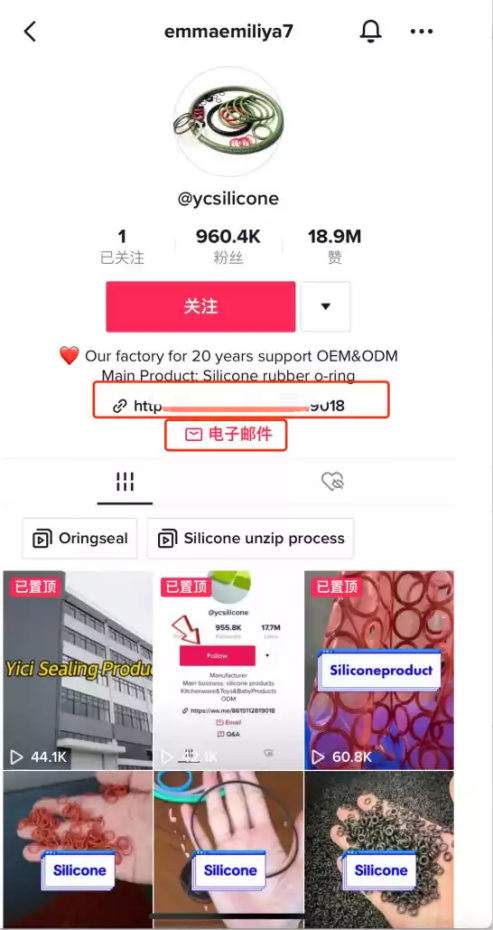
Sa matrice de comptes TikTok, chaque compte a un positionnement de contenu unique. C'est grâce à ce contenu soigneusement planifié et à ce positionnement précis que la matrice TikTok de cette entreprise a attiré l'attention d'un grand nombre d'utilisateurs, amélioré la notoriété de la marque, et ainsi généré des clients et des commandes, réalisant une monétisation commerciale.