 1988
1988Dans le contexte de la reprise économique mondiale et de la modernisation de l'industrie automobile, le secteur chinois des pièces détachées automobiles se trouve à un nouveau tournant. Saviez-vous que ces entreprises, autrefois actives uniquement sur le marché intérieur, exportent désormais leurs produits dans le monde entier via des plateformes de commerce électronique transfrontalier, et avec un succès retentissant ?
Ces chiffres montrent à quel point cette tendance est puissante.
Au cours des huit premiers mois de 2024, la valeur des exportations de pièces détachées automobiles chinoises a atteint 438,406 milliards de yuans, soit une augmentation de 7,9 % par rapport à l'année précédente.
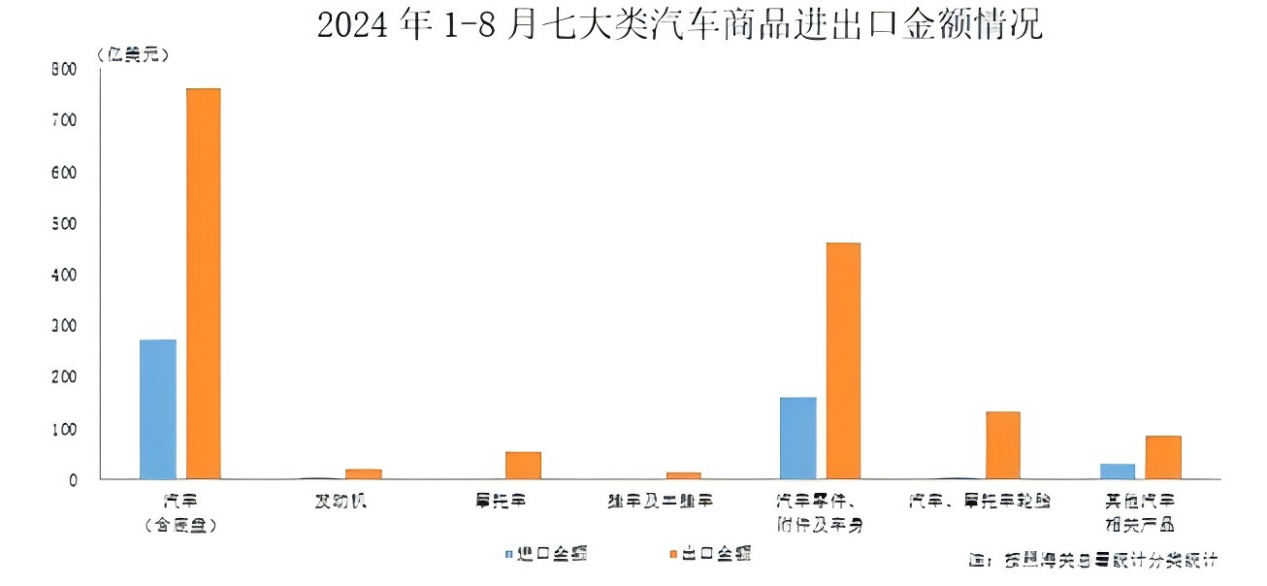
Cette dynamique de croissance est soutenue par la reconnaissance mondiale et la demande croissante pour les produits automobiles chinois. En particulier aux États-Unis, au Brésil, dans l'Union européenne et dans d'autres régions, les pièces détachées chinoises gagnent une large acceptation sur le marché grâce à leur rapport qualité-prix élevé et à leur capacité à répondre rapidement aux évolutions du marché.
Dans ce processus, les plateformes de commerce électronique transfrontalier jouent un rôle catalyseur.
Des plateformes comme eBay et Amazon offrent aux entreprises chinoises de pièces détachées automobiles une opportunité de contact direct avec les consommateurs étrangers. Les vidéos courtes et les diffusions en direct de TikTok offrent également un nouveau canal de marketing pour ces entreprises.
Les entreprises peuvent présenter les caractéristiques de leurs produits de manière plus intuitive et établir des liens plus étroits avec les consommateurs. L'interactivité et le caractère ludique de TikTok rendent les informations de marque plus facilement acceptées par les jeunes consommateurs, ce qui a un effet positif sur la notoriété de la marque et la stimulation des ventes.
Selon les données d'eBay, au cours des dix dernières années, les ventes à l'exportation des vendeurs chinois de pièces détachées automobiles ont connu une croissance impressionnante : les ensembles de phares et de feux arrière ont augmenté de près de 20 fois, et les pare-chocs de 59 fois. Ces chiffres témoignent non seulement de l'influence du commerce électronique transfrontalier, mais aussi de la compétitivité des produits automobiles chinois sur le marché international.

Bien sûr, dans cette vague d'exportation, compter uniquement sur la compétitivité du produit lui-même est insuffisant. Certaines entreprises commencent à accorder de l'importance à la construction de marques, espérant améliorer la compétitivité de leurs produits sur le marché en créant une marque forte.
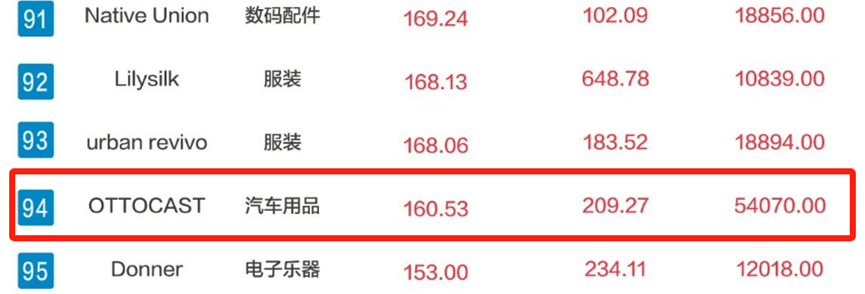
Par exemple, OTTOCAST de Shenzhen Picasso Electronics Co., Ltd., une jeune marque spécialisée dans les applications et adaptateurs pour systèmes Carplay, a vu plusieurs de ses produits figurer parmi les dix meilleures ventes sur Amazon à plusieurs reprises.
Il y a aussi Changzhou Lingyue, dont les produits affichent d'excellentes performances de vente sur eBay et Amazon, se positionnant comme un leader incontesté dans le secteur des pièces détachées automobiles.
Cependant, l'exportation de pièces détachées automobiles n'est pas sans défis. La qualité des produits, la gestion de la chaîne d'approvisionnement, les coûts logistiques et les délais de transport sont autant de problèmes que les entreprises doivent résoudre.
Les habitudes de consommation et les normes réglementaires des marchés étrangers exigent également des entreprises une plus grande capacité d'adaptation et de conformité.
À l'avenir, le développement de l'industrie de l'exportation de pièces détachées automobiles sera donc plus diversifié et spécialisé. Les entreprises devront améliorer leur compétitivité internationale grâce à l'innovation technologique, à la construction de marques et à l'expansion du marché.
Avec l'évolution constante du marché automobile mondial, les entreprises devront également ajuster leurs stratégies de manière flexible pour répondre aux nouvelles demandes et aux nouveaux défis du marché.

En résumé, la croissance rapide des exportations de pièces détachées automobiles offre de nouvelles opportunités de développement pour le secteur chinois des pièces automobiles. L'essor des plateformes de commerce électronique transfrontalier offre également aux entreprises une fenêtre pour montrer leur force et étendre leur présence sur le marché international.
Face aux défis, les entreprises doivent continuellement renforcer leur compétitivité de base pour saisir cette opportunité historique d'exportation. Avec le développement continu du marché automobile mondial, l'industrie chinoise des pièces détachées automobiles est appelée à jouer un rôle encore plus important sur la scène mondiale.