 2294
2294Si les vidéos courtes redéfinissent la manière dont les consommateurs mondiaux font leurs achats, l'Afrique est sans aucun doute le prochain champ de bataille de cette transformation.
Les données montrent que les Kenyans passent en moyenne 3 heures et 43 minutes par jour sur les réseaux sociaux, suivis de près par les Sud-Africains avec 3 heures et 37 minutes, soit un tiers de plus que la moyenne mondiale. TikTok, l'une de leurs plateformes de vidéos courtes préférées, ne se contente pas de changer leurs habitudes de divertissement, mais redessine également leurs comportements d'achat.
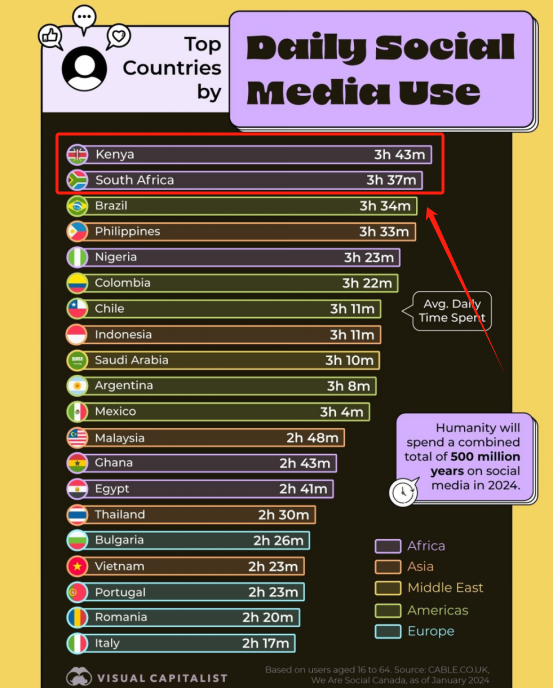
Les Kenyans passent le plus de temps sur les réseaux sociaux dans le monde Source : Visual Capitalist
L'océan bleu du commerce électronique en Afrique
L'Afrique est le deuxième continent le plus peuplé au monde, avec plus de 1,4 milliard d'habitants et une structure démographique extrêmement jeune, avec un âge moyen de seulement 19,4 ans. Une population jeune signifie non seulement un potentiel de consommation, mais aussi une plus grande réceptivité aux nouveautés. Comparé à d'autres régions, le développement numérique de l'Afrique a démarré tardivement, mais cette situation évolue rapidement. Dans le domaine du commerce électronique notamment, l'Afrique montre un énorme potentiel de croissance : en 2022, la taille du marché du e-commerce africain atteignait 32,5 milliards de dollars, et devrait doubler pour atteindre près de 60 milliards de dollars d'ici 2027.
Cependant, la faible pénétration du commerce électronique reste une caractéristique majeure de l'Afrique. Actuellement, le taux de pénétration du e-commerce en Afrique n'est que de 35 %, bien loin des plus de 80 % observés sur les marchés européens et américains. Pourtant, ce point de départ bas associé à une croissance rapide fait de l'Afrique un nouvel océan bleu que les vendeurs agiles et les plateformes transfrontalières s'arrachent.
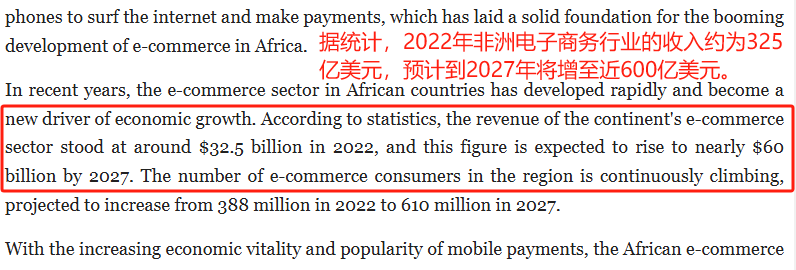
Le potentiel du commerce électronique en Afrique est immense Source : en.people.cn
TikTok : le point de bascule du commerce via vidéos courtes
Face à un marché à la population jeune et au potentiel de croissance énorme, les plateformes de vidéos courtes deviennent la clé pour orienter les tendances de consommation, et TikTok est au cœur de cette vague.
Une enquête auprès des consommateurs sud-africains montre que plus de 60 % des utilisateurs achètent directement un produit après l'avoir découvert via une vidéo TikTok, et ce chiffre atteint 64 % pendant les périodes de fêtes. L'algorithme de recommandation de TikTok expose les consommateurs à des produits susceptibles de les intéresser, et le contenu vidéo court stimule directement l'impulsion d'achat "je vois, je veux" chez les jeunes Africains.
TikTok approfondit également son écosystème de contenu en Afrique. Après son entrée sur le marché africain en 2019, la plateforme a rapidement lancé le programme de formation des créateurs (Africa Creator Hub). Grâce à une formation intensive de huit semaines, TikTok apprend aux créateurs de contenu locaux à réaliser des vidéos de qualité, à collaborer avec des marques et à maîtriser des techniques de monétisation comme le live shopping. Ce soutien localisé a rapidement donné naissance à une génération de "streamers vendeurs à l'africaine", qui non seulement génèrent du trafic pour TikTok, mais boostent aussi directement les ventes de produits.
Parmi les stars des vidéos courtes en Afrique, le plus connu est sans doute "Kabby Lame", le "gars aux mains levées". Avec son humour muet, il a conquis un public mondial, attirant plus de 162 millions de followers, devenant ainsi le créateur le plus suivi sur TikTok dans le monde. Cela lui a non seulement valu un contrat avec la marque de luxe HUGO BOSS, mais a aussi renforcé l'influence de TikTok en Afrique. Ce modèle de vente via influenceurs est reproduit en série par TikTok, créant un nouveau pont entre les marques et les consommateurs.
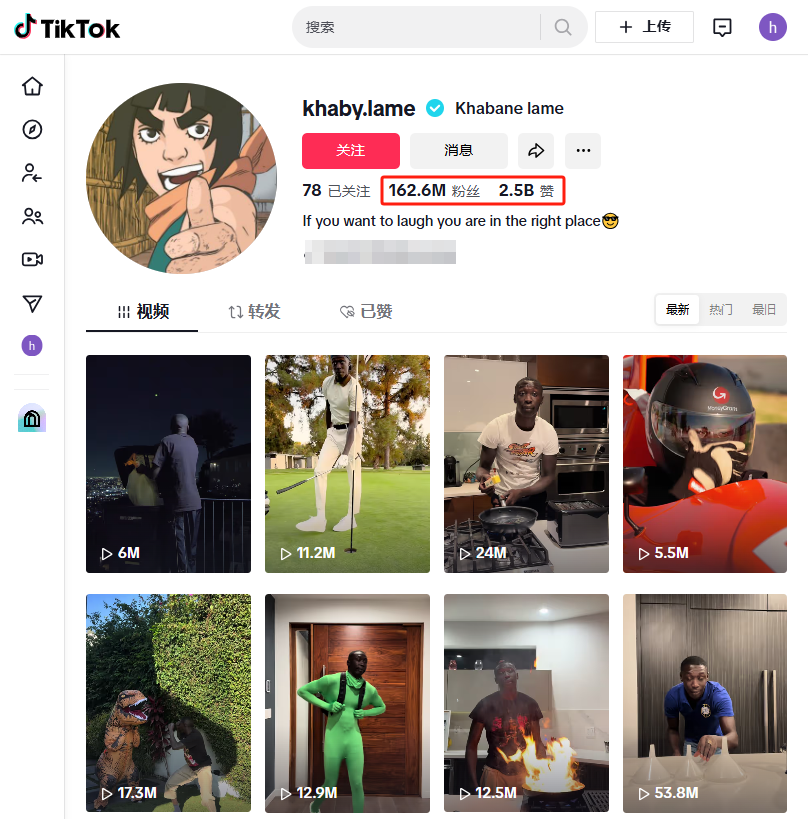
Page TikTok de Kabby Lame
Nouvelles opportunités pour les vendeurs chinois
Pour les vendeurs chinois, les besoins de consommation uniques du marché africain offrent de nouvelles opportunités.
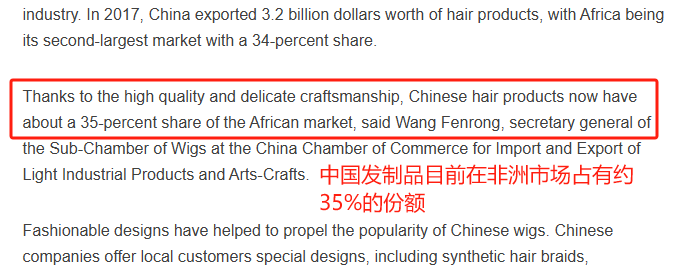
En raison du climat chaud et de la texture capillaire particulière en Afrique, les perruques sont devenues un article de première nécessité pour les consommateurs africains. Les données montrent que les perruques fabriquées en Chine représentent 35 % du marché africain des perruques, et ce chiffre est en croissance rapide. Certains commerçants chinois font la promotion de leurs perruques via des publicités TikTok, et pendant les promotions de fêtes, ils doivent même travailler en heures supplémentaires pour répondre à la demande.
Outre les perruques, les produits électroniques grand public sont également très populaires en Afrique. En raison d'infrastructures insuffisantes, les consommateurs africains ont une forte demande pour des accessoires comme les batteries externes. Par exemple, une batterie externe coûtant 50 yuans peut se vendre entre 80 et 90 yuans sur le marché africain, laissant une marge bénéficiaire d'environ 15 % après déduction des coûts. De plus, les smartphones à faible mémoire font des cartes SD un produit de première nécessité, offrant ainsi des opportunités commerciales aux vendeurs chinois.
L'identification culturelle renforce également le succès des marques chinoises. Par exemple, dans le secteur de l'habillement, les consommateurs africains préfèrent les vêtements aux couleurs vives et aux designs audacieux, en lien avec leur culture traditionnelle et leurs goûts esthétiques. Les exportateurs chinois conçoivent des vêtements adaptés aux besoins des consommateurs africains et les présentent sur TikTok, ce qui non seulement augmente les ventes, mais crée aussi un lien émotionnel profond avec les consommateurs locaux.
Source : Xinhua
L'arrivée des géants, l'émergence d'un paysage de marché
Voyant le potentiel du marché africain, de nombreux géants du commerce électronique transfrontalier ont déjà commencé à agir.
Shein est entré sur le marché sud-africain dès 2020 et est rapidement devenu la plateforme dominante pour la consommation de vêtements en ligne. Cette année, il a dépassé Amazon et Walmart pour devenir l'application shopping la plus téléchargée sur Google Play en Afrique du Sud.
Temu a également lancé son site sud-africain au début de cette année, gagnant rapidement la faveur des utilisateurs grâce à ses prix bas et ses subventions très compétitifs. Amazon, de son côté, propose des services de livraison le jour même et le lendemain via son site sud-africain, tout en lançant le programme "Shop Mzansi" pour promouvoir les marques locales sud-africaines et offrir plus de choix aux utilisateurs.
TikTok intensifie également ses efforts sur le marché africain. Non seulement il améliore les capacités de création de contenu des utilisateurs africains via son programme de formation des créateurs, mais il prévoit aussi d'ouvrir un bureau au Kenya pour approfondir le développement de l'économie des influenceurs en Afrique.

Défis et potentiel : la prochaine décennie du e-commerce en Afrique
Malgré des perspectives prometteuses, le marché africain n'est pas sans défis.
Les coûts logistiques élevés, la faible couverture réseau et les infrastructures insuffisantes sont autant de problèmes que les plateformes de e-commerce et les vendeurs transfrontaliers doivent résoudre. Par exemple, le coût de la livraison du "dernier kilomètre" en Afrique représente 35 à 55 % du coût total du produit, bien au-dessus de la moyenne mondiale. Ce coût élevé est sans aucun doute un frein au développement du e-commerce en Afrique.
Aujourd'hui, l'Afrique est à un tournant du développement du commerce électronique, et l'entrée en force de TikTok en est sans doute l'un des catalyseurs.
Dans cet océan bleu plein d'opportunités, celui qui saura identifier les besoins et se positionner rapidement pourrait devenir le leader de la prochaine vague de croissance du e-commerce africain.