 1662
1662À l'approche de Noël et des promotions de fin d'année, le système logistique d'Amazon est à nouveau soumis à une pression considérable. D'une part, en raison de la hausse de la demande, certains entrepôts suspendront la réception des marchandises ; d'autre part, Amazon a également annoncé un ajustement des frais de son service Multi-Channel Fulfillment (MCF). Pour les vendeurs de commerce électronique transfrontalier, ces changements impliquent des défis opérationnels accrus et une pression sur les coûts. Alors, comment les vendeurs peuvent-ils faire face à cette série de changements ?

1. Suspension de la réception des marchandises dans les entrepôts Amazon : les défis logistiques de la haute saison s'intensifient
Récemment, plusieurs entrepôts Amazon ont publié des avis de suspension de réception des marchandises. Du 15 décembre au 31 décembre, certains entrepôts cesseront de recevoir de nouvelles marchandises. Selon les retours des vendeurs, certains entrepôts (tels que QXY5, JOT1, LGB8, etc.) ont déjà connu des refus fréquents en raison du manque d'espace de stockage et de l'augmentation des commandes, entraînant des retards dans le traitement de certaines expéditions. Cette mesure vise principalement à garantir qu'Amazon puisse traiter efficacement les commandes pendant la période des achats de Noël à venir, mais elle cause également des désagréments non négligeables aux vendeurs.
Pourquoi cette situation se produit-elle ?
Avec l'approche des promotions du "Black Friday" et de la saison des achats de Noël, la demande des consommateurs explose, et le système de stockage et de livraison d'Amazon est confronté à une pression sans précédent. Pour garantir la livraison rapide des commandes existantes, Amazon est contraint de prendre des mesures de suspension temporaire de la réception des marchandises, afin d'éviter une paralysie totale du système logistique.
Comment les vendeurs peuvent-ils réagir ?
Face à cette situation, les vendeurs doivent ajuster leurs plans d'expédition à l'avance, en essayant d'envoyer leurs marchandises dans les entrepôts avant le 15 décembre. S'il est impossible de livrer à temps, ils peuvent envisager de transférer les stocks vers des entrepôts tiers à l'étranger pour un stockage temporaire. De plus, les vendeurs doivent maintenir une communication étroite avec le service client d'Amazon pour comprendre les conditions spécifiques de fonctionnement des entrepôts, afin de prendre des dispositions d'expédition flexibles.
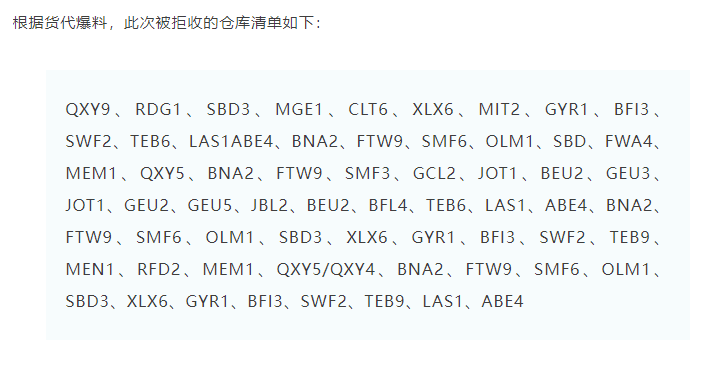
Source de l'image : Seller之家
2. Ajustement des frais Multi-Channel Fulfillment (MCF) : une hausse des coûts imminente
Outre la suspension de la réception des marchandises dans les entrepôts, Amazon a également annoncé qu'à partir du 15 janvier 2025, les frais de son service Multi-Channel Fulfillment (MCF) seront ajustés. Concrètement, les frais MCF augmenteront en moyenne de 3,5 %. Les articles pesant 1 livre ou moins resteront au même prix, mais pour les articles surdimensionnés ou lourds, les frais seront ajustés en fonction du poids et du volume spécifiques. Cela signifie que les vendeurs doivent accorder une attention particulière au volume et au poids de leurs produits afin de réduire les dépenses inutiles.
Qu'est-ce qui se cache derrière ce changement ?
Cette décision d'Amazon vise à faire face à la hausse continue des coûts logistiques, en particulier pendant la haute saison. En ajustant les tarifs, Amazon espère optimiser les services de livraison et de stockage pendant les périodes de forte demande, garantissant ainsi un traitement rapide et efficace d'un grand nombre de commandes.
Comment les vendeurs peuvent-ils réagir ?
Les vendeurs peuvent faire face à la hausse des coûts de la manière suivante :
1. Optimiser le volume et le poids des produits : Les articles de petite taille et de faible poids offrent un avantage en termes de coûts. Les vendeurs peuvent envisager d'ajuster la conception de leurs produits et la gestion des stocks pour réduire la proportion d'articles de grande taille.
2. Utiliser des options de stockage intelligentes : Amazon a lancé le service de stockage intelligent AWD, offrant des réductions sur les frais de stockage. Les vendeurs qui choisissent ce service peuvent économiser 10 % par pied cube. Les vendeurs peuvent réduire leurs coûts de stockage en choisissant judicieusement leur mode de stockage.
3. Optimiser la stratégie de livraison : Étant donné que les frais de transport sortant MCD passeront d'un tarif fixe à un tarif dynamique basé sur la distance de transport, les vendeurs doivent ajuster leur stratégie logistique en fonction des besoins réels, en privilégiant autant que possible les livraisons sur de courtes distances pour réduire les coûts de transport.
3. Les défis hivernaux du commerce électronique transfrontalier : comment trouver des opportunités dans le changement ?
Avec les changements dans les politiques opérationnelles d'Amazon, les vendeurs de commerce électronique transfrontalier seront confrontés à une pression accrue sur les coûts et à des défis logistiques. Cependant, cela offre également de nouvelles opportunités aux vendeurs avisés. Comment faire face aux changements, relever les défis et réduire les coûts pendant la haute saison est une question à laquelle chaque vendeur doit répondre.
Actions recommandées :
1. Planifier les expéditions à l'avance : En raison des restrictions dans les entrepôts en décembre, les vendeurs doivent organiser leurs expéditions à l'avance et éviter autant que possible d'envoyer des marchandises après la mi-décembre.
2. Optimiser les produits et l'emballage : En réduisant la proportion d'articles de grande taille ou lourds, les vendeurs peuvent contrôler efficacement les coûts logistiques.
3. Explorer davantage de solutions logistiques : En plus du MCF d'Amazon, les vendeurs multi-canaux peuvent essayer d'autres services logistiques tiers pour diversifier les risques et réduire la dépendance à une seule plateforme.
Bien que cet ajustement des frais et la suspension de la réception des marchandises dans les entrepôts exercent une pression considérable sur les vendeurs, ils les incitent également à accorder plus d'attention à l'efficacité logistique et à la gestion des stocks. Grâce à des ajustements raisonnables, les vendeurs peuvent non seulement relever les défis actuels, mais aussi prendre une longueur d'avance dans la concurrence future.