 2000
2000« Avant, vendre sur TEMU, c'était comme manger un fast-food. Maintenant, je découvre que TikTok, c'est un plat fait maison. »
— Le témoignage d'un vendeur passé sur TikTok
I. Le « bonheur à bas prix » des Américains s'évapore soudainement
La semaine dernière, un ami américain m'a envoyé un message pour se plaindre : « Qu'est-ce qui se passe avec vous, les vendeurs chinois ? Le pantalon à 15 dollars sur TEMU est passé à 22 dollars ! »
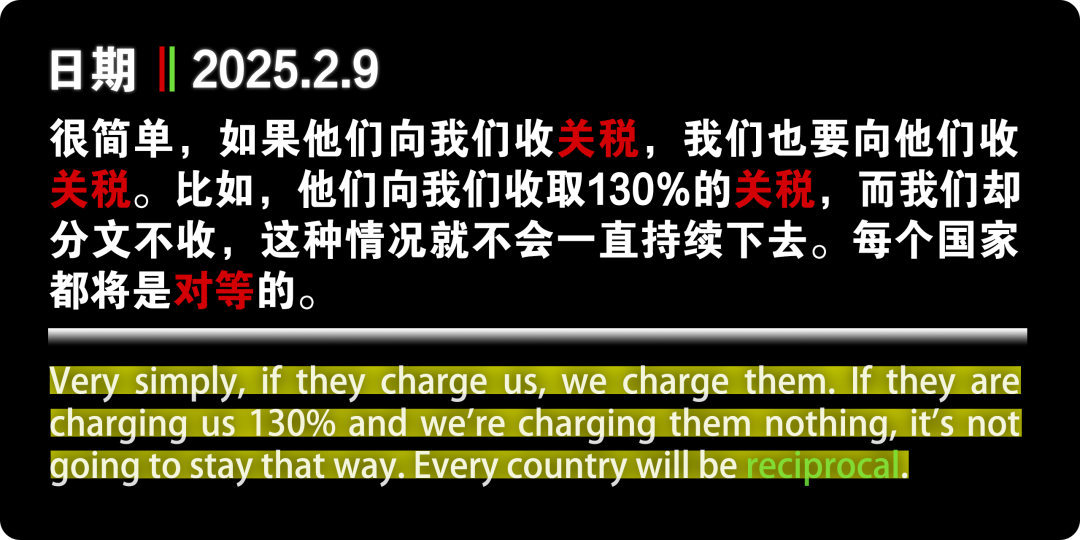
Derrière ses doléances se cache une nouvelle politique tarifaire du gouvernement américain : à partir du 4 février, l'exonération des droits de douane pour les colis de moins de 800 dollars est supprimée, et les produits chinois voient leurs prix augmenter collectivement.
Dans cette tempête, les plus touchés sont sans doute les « vendeurs sous gestion totale » de TEMU. Ces vendeurs, qui se contentaient de confier leurs marchandises à la plateforme et de toucher leur part sans effort, sont aujourd'hui assommés par les droits de douane : le coût d'une robe a augmenté de 13 %, celui d'une poêle à frire de près de 30 %, et les consommateurs américains refusent carrément d'acheter.
Un vendeur a pleuré sur Xiaohongshu :
« Hier, je vendais encore 500 unités par jour, aujourd'hui, c'est zéro ! TEMU a retiré nos produits sans un mot pour les remplacer par des articles d'entrepôt local, sans même une explication... »
Ce sentiment d'être « utilisé puis jeté » a refroidi de nombreux vendeurs. Ironiquement, alors que TEMU s'affolait avec son système semi-géré, des nouvelles réjouissantes ont éclaté dans les groupes de vendeurs TikTok Shop :
« Aujourd'hui, le live a explosé les ventes ! Les droits de douane ? Inexistants ! »
Un vendeur de power banks, né en 1995, a montré ses données en back-office : les ventes du jour ont triplé.
Cependant, pour l'instant, cette situation ne devrait pas durer éternellement.
Trump a ensuite publié un décret exécutif indiquant que les États-Unis autoriseraient temporairement les petits colis en provenance de Chine à continuer de bénéficier de l'exonération des droits de douane, suspendant ainsi la suppression de l'« exemption de minimis » pour éviter des perturbations commerciales.
Bien que ce revirement de Trump fasse soupçonner une concession sous la pression de Pékin.
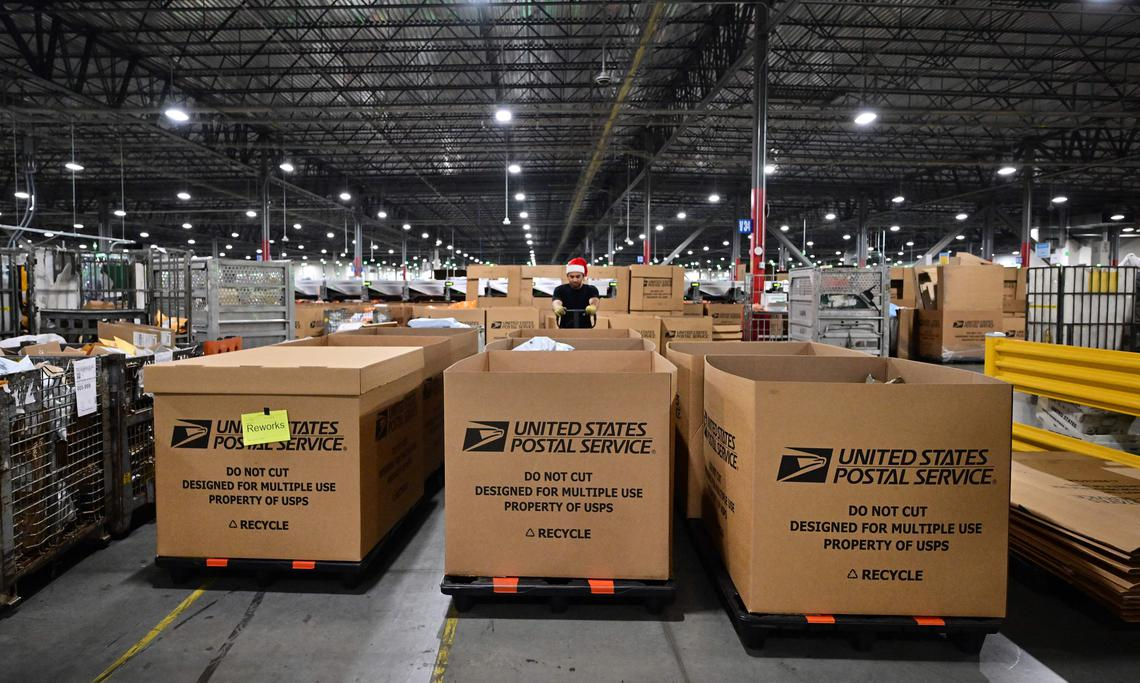
Mais la réalité est différente. Un article de Reuters indique qu'après l'interdiction, certains aéroports américains ont connu une accumulation massive de petits colis, exerçant une pression énorme sur le transport de marchandises et perturbant les systèmes logistiques.
C'est pourquoi la Maison-Blanche a suspendu l'interdiction et cherche des solutions à cette urgence pour garantir le fonctionnement efficace du système d'importation de marchandises.
Une fois que la Maison-Blanche aura résolu tous les problèmes, cette interdiction des exonérations sera probablement mise en œuvre.
II. Les « opérations divines » de TikTok : faire dépenser les Américains en scrollant des vidéos
Après avoir discuté en profondeur avec plusieurs vendeurs passés sur TikTok, Tuke a découvert qu'ils avaient évité le choc des droits de douane grâce à trois atouts de la plateforme :
1. Cacher les marchandises dans le jardin des Américains
« Tu crois qu'on expédie depuis la Chine ? On a déjà stocké dans un entrepôt du New Jersey ! » a révélé un vendeur d'articles de maison. TikTok impose un pré-stockage dans des entrepôts à l'étranger. Une hausse des droits de douane de 10 % ? Répartie sur chaque tasse, cela ne représente que 0,2 dollar de plus, imperceptible pour le consommateur.
À l'inverse, sur TEMU, une grande partie des colis part directement de Shenzhen pour New York. Avec les droits de douane, les coûts grimpent, et il faut augmenter les prix pour compenser — résultat : les acheteurs râlent, et les vendeurs portent le chapeau.
2. Transformer la vente en « série à suivre »
« Avant, mettre un produit en ligne sur TEMU, c'était comme jeter une pierre dans la mer. Maintenant, sur TikTok, on fait des vidéos courtes, comme on lance des appâts dans un banc de poissons. » Une vendeuse de vêtements pour femmes a dévoilé sa recette du succès :
· Filmer une vidéo de « transformation en un clin d'œil » au bureau, le lien d'achat de la robe gagne 200 clics
· En live, faire essayer et critiquer les vêtements par un présentateur américain, écoulant 500 articles en stock sur le champ
La plateforme distribue même de l'argent à profusion pour encourager la création : vidéos sans commission, live avec du trafic offert, transformant la vente en compétition de contenu.
3. Pousser les vendeurs vers la « montée en gamme »
Ce qui a le plus surpris Tuke, c'est que TikTok apprend aux vendeurs à augmenter leurs prix.
« Ils ont clairement dit que pendant le Black Friday, les produits à moins de 8 dollars ne recevraient pas de subventions, nous forçant à miser sur la qualité. »
Un vendeur d'électronique a montré son nouveau casque — le même produit d'usine, mais étiqueté « exclusif pour les jeunes branchés », vendu 40 % plus cher que sur TEMU, et pourtant il se vend mieux.

III. Sous la surface : les vendeurs chinois « changent de destin »
Ces derniers jours, en parcourant la zone industrielle de Shenzhen, Tuke a observé trois changements intéressants :
1. L'anxiété des propriétaires d'entrepôts
« Avant, les clients demandaient : "Peux-tu baisser de 50 cents ?" Maintenant, ils demandent : "Peux-tu entrer dans un entrepôt américain en une semaine ?" » a déclaré un patron de société de logistique. Les commandes d'entrepôts à l'étranger ont bondi de 300 %, et les frais de location augmentent deux fois par mois.
2. La popularité des formations pour présentateurs
« Les cours pour apprendre à faire du live en anglais sont passés de 3888 à 12888 yuans, et ils sont toujours complets », a révélé un responsable d'organisme de formation. Certains vendeurs forment même des groupes pour apprendre à raconter des blagues sur les produits avec un humour à l'américaine.
3. Le coup de pouce des outils d'IA
Dans le quartier des vendeurs de Bantian, Tuke a rencontré Xiao Lin, un vendeur né après 2000 qui utilise l'outil IA DeepSeek : « Je lui demande d'analyser les sujets tendance du moment, il génère 20 scripts vidéo, j'en choisis deux à tourner. » Ce petit vendeur, qui réalisait autrefois 30 000 yuans de ventes mensuelles, gagne aujourd'hui 100 000 dollars par mois sur TikTok grâce à la sélection de produits par IA et au suivi des tendances.

En voyant les groupes de vendeurs TEMU en pleine désolation, Tuke se souvient de la vague de fermetures de boutiques Amazon en 2015 — à l'époque, les vendeurs qui comptaient sur les faux avis sont tombés en masse, seuls ceux qui travaillaient sérieusement sur leurs produits ont survécu.
C'est pourquoi Tuke donne trois conseils aux acteurs du cross-border :
1. L'entrepôt est plus important que le prix : L'entrepôt à l'étranger, c'est ton gilet pare-balles. N'attends pas que les balles arrivent pour chercher un abri.
2. Le contenu est plus important que la fiche produit : Les Américains ne regardent plus les images de produits aux effets spéciaux à deux balles. Ils veulent te voir raconter des histoires.
3. La marque est plus importante que le bas prix : Le même câble de données, étiqueté « Tendance TikTok », peut se vendre 5 dollars de plus.
« Avant, on disait toujours "le moins cher, c'est la règle d'or". Maintenant, on découvre que la vraie règle d'or, c'est de devenir irremplaçable. »
Le coup de massue des droits de douane a réveillé les vendeurs chinois : l'époque où l'on gagnait de l'argent facile grâce aux failles des politiques est révolue. Pendant que les vendeurs TEMU se plaignent dans les groupes de défense des droits, les premiers joueurs de TikTok roulent déjà en Porsche pour négocier des partenariats d'entrepôts à l'étranger.
« Le bas prix, c'est une impasse. Le contenu, c'est la nouvelle voie. »
Le monde récompense toujours ceux qui voient clair — il est encore temps de faire demi-tour.
(Certains noms ont été modifiés à la demande des personnes interrogées)