 1978
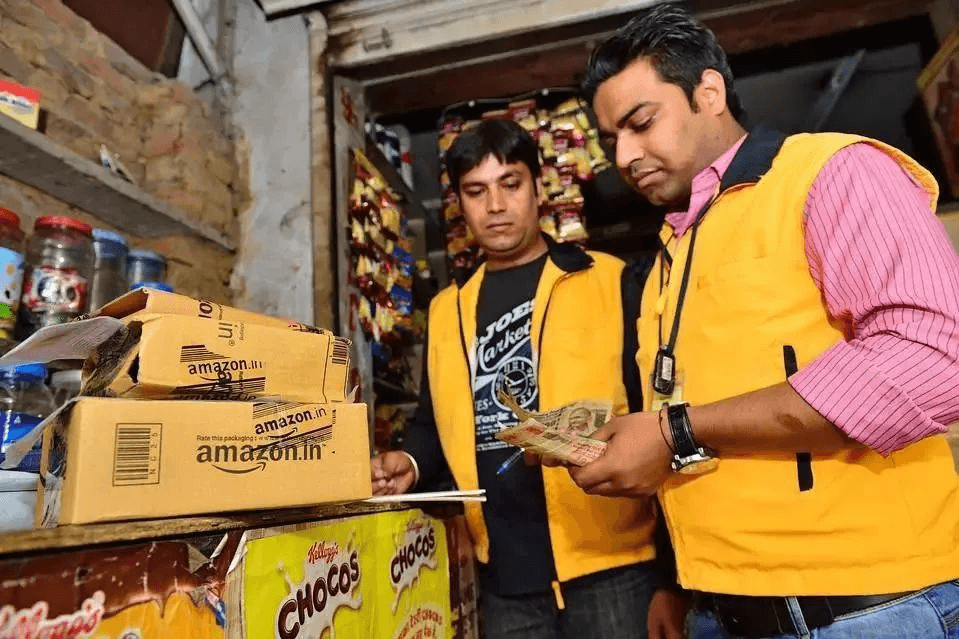
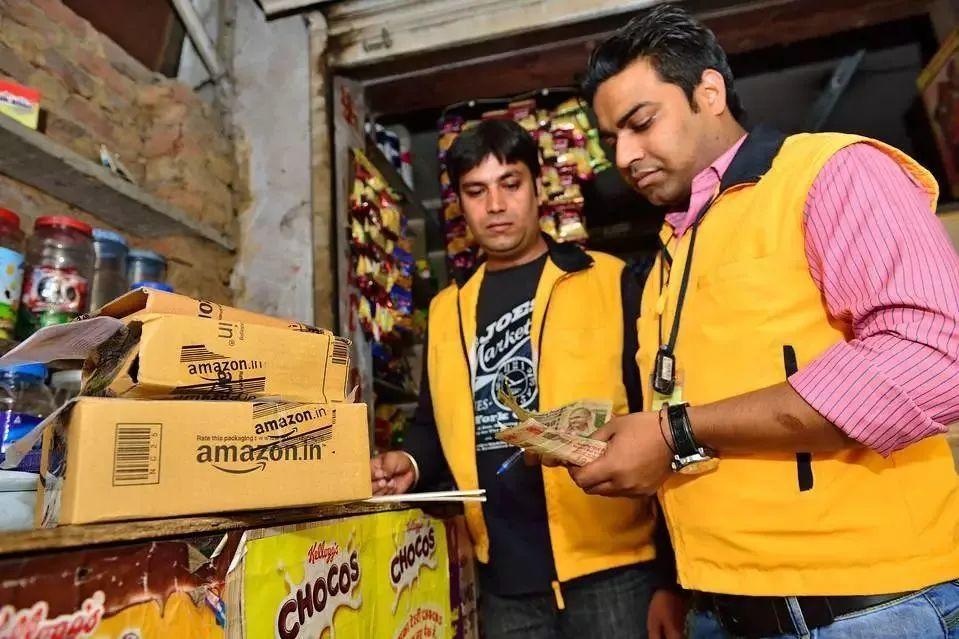
1978Le marché du commerce électronique en Inde a connu un essor fulgurant ces deux dernières années, mais les problèmes sont également nombreux.
Amazon et Flipkart, les deux géants du marché indien, traversent une période difficile. D'abord, des produits non conformes ont été saisis, puis leur modèle opérationnel a été pointé du doigt, révélant toujours plus de problèmes. En arrière-plan, le gouvernement indien est déterminé à réorganiser le secteur du commerce électronique. Avec un renforcement continu de la réglementation, les plateformes et les vendeurs sont confrontés à des défis sans précédent. Trouver un équilibre entre conformité et croissance est devenu un problème urgent à résoudre pour le secteur.
Source : Internet
Concentration des problèmes de conformité : de la certification des produits aux litiges antitrust
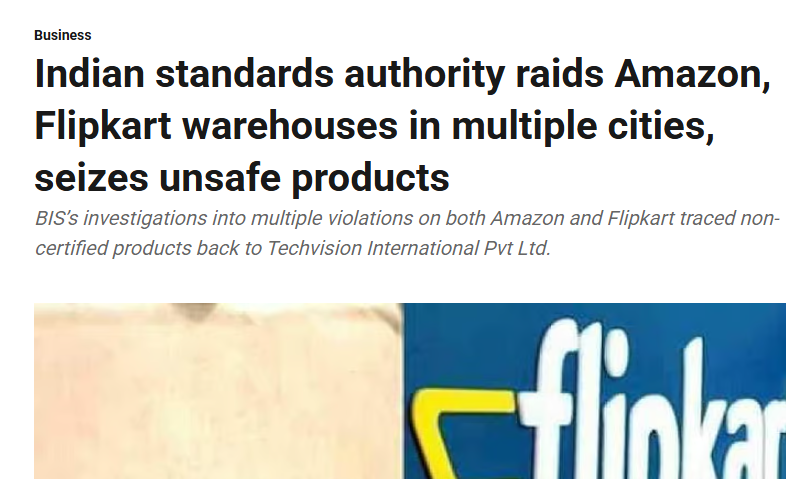
Récemment, le Bureau indien des normes (BIS) a effectué des inspections surprises dans les entrepôts des géants du commerce électronique comme Amazon et Flipkart, couvrant des villes telles que Delhi, Gurgaon et Lucknow, et a saisi une grande quantité de produits non certifiés obligatoirement. Par exemple, 215 jouets et 24 mixeurs à main ont été confisqués dans l'entrepôt d'Amazon à Lucknow pour absence de certification BIS ; à Gurgaon, des produits non conformes comme du papier d'aluminium, des bouteilles d'eau en métal et des câbles PVC ont été découverts. Dans les entrepôts affiliés de Flipkart, 534 bouteilles isothermes sous vide, 134 jouets et 41 haut-parleurs ont également été saisis pour défaut de certification.
Source : THE NEWINDIAN EXPRESS
Le BIS souligne que les produits non certifiés présentent des risques pour la sécurité et peuvent menacer la sécurité des consommateurs. Cette action envoie un signal clair : la réglementation de la conformité du commerce électronique en Inde est entrée dans une phase de pression accrue.
Intensification des enquêtes antitrust : les géants sous de multiples accusations
Outre les problèmes de conformité des produits, Amazon et Flipkart font également face à des enquêtes antitrust de la part de la Commission indienne de la concurrence (CCI).
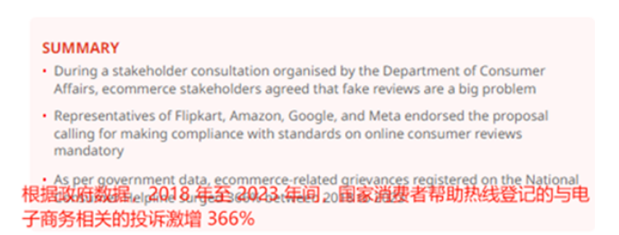
Le ministère indien de la Consommation, en collaboration avec le BIS, a lancé en novembre 2024 les « Lignes directrices sur les évaluations en ligne des consommateurs », exigeant des plateformes de commerce électronique :
1. Vérifier strictement l'identité des évaluateurs : confirmer l'authenticité des utilisateurs par téléphone, e-mail, adresse IP, etc. ;
2. Mettre en place des examinateurs : filtrer manuellement ou avec des outils les évaluations frauduleuses et retracer les comptes en infraction ;
3. Publier des données d'évaluation réelles : interdire de cacher ou de modifier les avis à faible note.
Auparavant, Amazon avait été enquêté par plusieurs pays comme le Royaume-Uni et l'Espagne pour la prolifération de faux avis. Cette nouvelle réglementation indienne est considérée comme l'un des cadres de gestion des évaluations les plus stricts au monde. Les données montrent qu'en 2023, les plaintes liées au commerce électronique en Inde ont bondi de 366 %, les faux avis étant la principale cause de l'effondrement de la confiance des consommateurs.
Source : inc42
Défis et tendances pour les vendeurs transfrontaliers
Pour les vendeurs transfrontaliers, le marché indien présente à la fois des opportunités et des risques. Avec le durcissement de la réglementation, les tendances suivantes méritent attention :
1. Hausse des coûts de conformité
Les plateformes doivent s'assurer que les produits sont certifiés BIS, conformes aux normes environnementales (comme le label vert « Climate Pledge Friendly » promu par Amazon) et sans contrefaçon de marque.
2. Transformation du modèle opérationnel
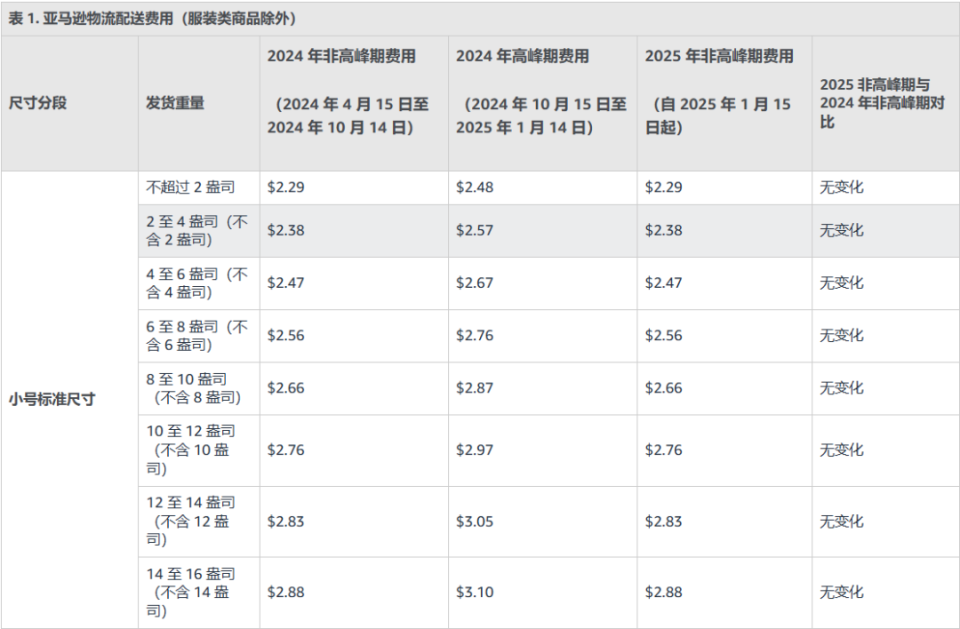
L'Inde interdit aux entreprises étrangères de commerce électronique de participer directement à la gestion des stocks, obligeant les vendeurs à ajuster leurs stratégies d'approvisionnement. Certaines entreprises se tournent vers des partenariats avec des agents locaux ou adoptent un modèle « asset-light », se limitant à des services de dropshipping. Parallèlement, les ajustements des frais de logistique Amazon (FBA) et la hausse des frais de stockage en Europe obligent les vendeurs à optimiser leur rotation des stocks.
Source : Internet
3. Intensification de la concurrence différenciée
Compter uniquement sur les bas prix ne suffit plus. L'algorithme d'Amazon favorise le trafic organique, et les produits certifiés « label vert » bénéficient d'une visibilité prioritaire, incitant les vendeurs à investir dans les critères ESG (environnementaux, sociaux et de gouvernance). Par exemple, certains grands vendeurs améliorent la valeur ajoutée de leurs produits via le calcul de l'empreinte carbone et des emballages écologiques. De plus, l'utilisation d'outils d'IA dans la publicité et le service client se généralise, 80 % des vendeurs ayant déjà recours à l'IA pour optimiser leur efficacité opérationnelle.
4. Nécessité d'une diversification des plateformes
Pour répartir les risques, les vendeurs doivent également développer d'autres canaux, comme TikTok Shop ou des plateformes locales. Les plateformes indiennes locales Snapdeal et Meesho connaissent une croissance rapide grâce au soutien politique, devenant de nouvelles options pour les vendeurs transfrontaliers.

Source : Internet
Conclusion
Le marché du commerce électronique en Inde passe d'une « croissance sauvage » à une ère où « la conformité est reine ». Que ce soit pour les géants ou les petits et moyens vendeurs, seule l'intégration de la conformité au cœur de la stratégie permettra de naviguer sereinement dans cet océan bleu de plusieurs milliards. Pour les entreprises transfrontalières, choisir un partenaire disposant d'une expérience locale et de services de conformité complets pourrait être la meilleure solution pour faire face à la tempête réglementaire.