 3466
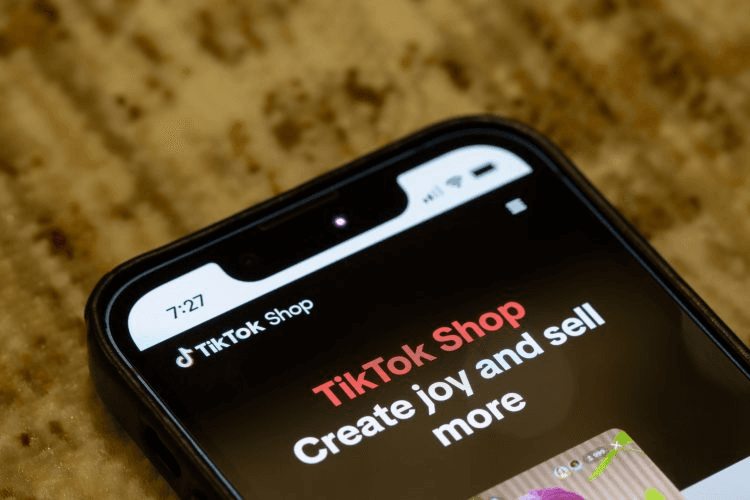
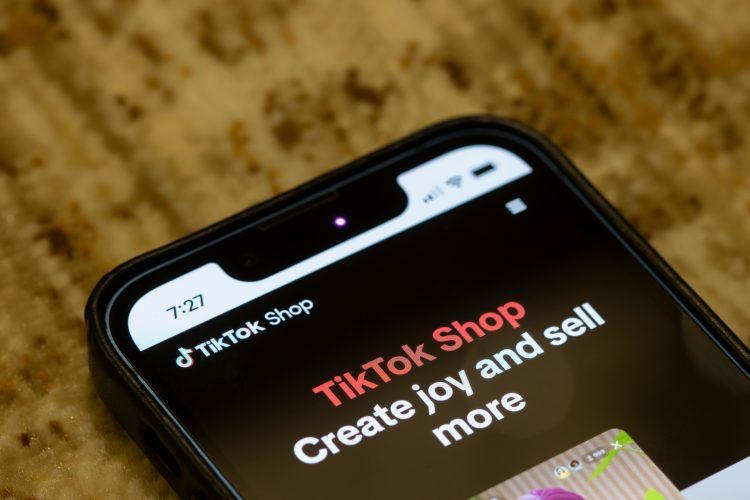
3466Le 8 mai, une nouvelle majeure a secoué le marché du commerce électronique brésilien : TikTok a officiellement lancé au Brésil sa fonction de « vente par vidéo », TikTok Shop, une décision qui a sans aucun doute provoqué une onde de choc dans le secteur.
TikTok Shop n'est pas un novice. Dès 2021, il s'est fait remarquer sur le marché de l'Asie du Sud-Est, avant de poursuivre son ascension fulgurante et de conquérir de nouveaux territoires. Aujourd'hui, il est présent dans 12 pays, dont les États-Unis, le Mexique, l'Espagne, le Royaume-Uni et la France. En 2024, rien qu'aux États-Unis, TikTok Shop a généré environ 9 milliards de dollars de volume brut de marchandises (GMV), portant à un nouveau sommet le modèle de « commerce social » qui fusionne les médias sociaux et l'expérience d'achat.
Source : Google
Pour ce lancement au Brésil, TikTok Shop s'est également bien préparé. Dans les semaines à venir, son système sera progressivement accessible à tous les utilisateurs brésiliens, et la livraison des produits couvrira l'ensemble du pays. Les premières catégories proposées incluent la beauté et la santé, la mode, la décoration intérieure, les produits électroniques et les articles de sport, avec une expansion continue à d'autres catégories prévue dans l'année.
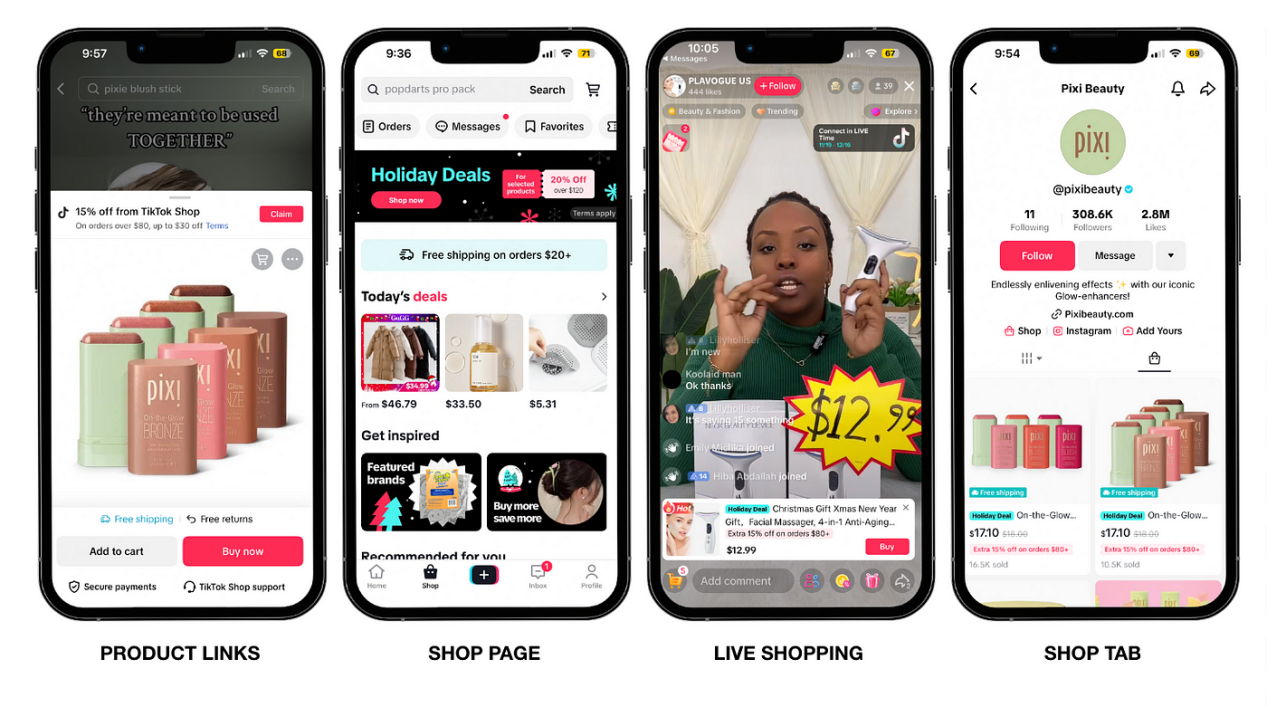
Ce lancement de TikTok Shop apporte trois fonctionnalités principales. Dans les vidéos promotionnelles de produits publiées par des influenceurs, des marques ou des créateurs de contenu, un bouton d'achat vidéo apparaît. D'un simple clic, l'utilisateur est redirigé vers la page d'achat. La fonction de vente en direct est également intégrée : pendant le live, les offres en temps réel sont affichées simultanément, stimulant instantanément l'envie d'achat des consommateurs. La page personnelle des créateurs dispose d'une « vitrine » pour présenter les produits qu'ils recommandent. De plus, une page « Boutique » similaire à une page de commerce électronique traditionnelle sera bientôt disponible dans l'application, avec des images de produits, une barre de recherche, des offres du jour, un filtrage par catégorie, etc., pour une expérience d'achat encore plus pratique.
Source : Google
Alors, pourquoi TikTok accorde-t-il autant d'importance au marché brésilien ?
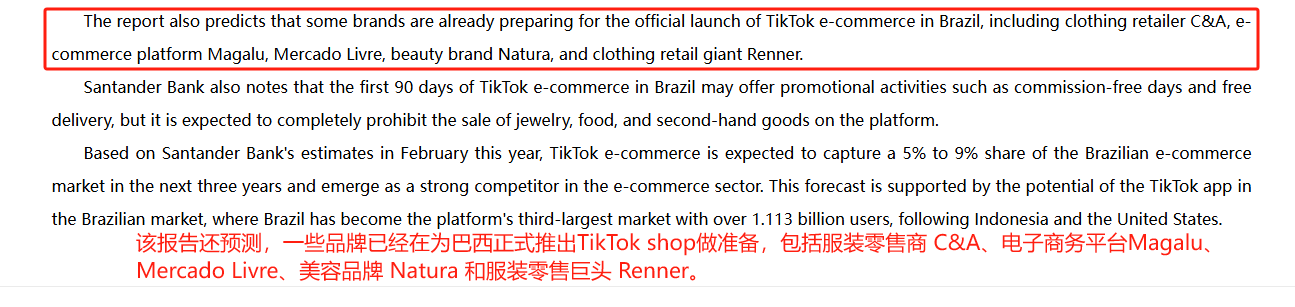
D'après les données, TikTok compte actuellement 111,3 millions d'utilisateurs actifs au Brésil, se classant juste derrière les États-Unis. Initialement prévu pour fin 2025, ce lancement anticipé démontre clairement la détermination de ByteDance à accélérer son déploiement sur le marché latino-américain. Selon un rapport d'analyse de la banque espagnole Santander daté de mars, cette initiative de TikTok vise à conquérir le plus grand marché de commerce électronique d'Amérique latine, et des marques locales comme Natura, Renner et C&A pourraient en tirer profit grâce à des partenariats.
Source : centex
Pour les consommateurs brésiliens, faire des achats via TikTok Shop est très pratique. Dans le coin inférieur gauche des vidéos de vente, le nom du produit et une icône de panier apparaissent. En cliquant, on accède au processus d'achat. Lors du premier achat, il faut remplir ses informations personnelles et d'adresse de livraison ; pour les achats suivants, le système les enregistre automatiquement, simplifiant ainsi la procédure. Actuellement, TikTok assure la livraison en collaboration avec des partenaires logistiques, tandis que le stockage et l'expédition des produits sont gérés par les vendeurs. Cependant, dans d'autres pays où le système logistique propriétaire de TikTok (Fulfilled by TikTok) est déjà en place, l'entrepôt de la plateforme gère l'ensemble du processus, de la réception à la livraison. On ne sait pas encore si cette option sera suivie au Brésil à l'avenir.
Les premières marques partenaires de la plateforme incluent Natura, Boticário, L'Oréal, Stanley, C&A et Riachuelo. Les premiers vendeurs sont tous des entreprises brésiliennes locales, qui doivent posséder un CNPJ valide et pouvoir vendre à l'échelle nationale. On ne sait pas encore si les ventes transfrontalières seront ouvertes à l'avenir, mais d'autres marchés acceptent déjà les vendeurs étrangers.
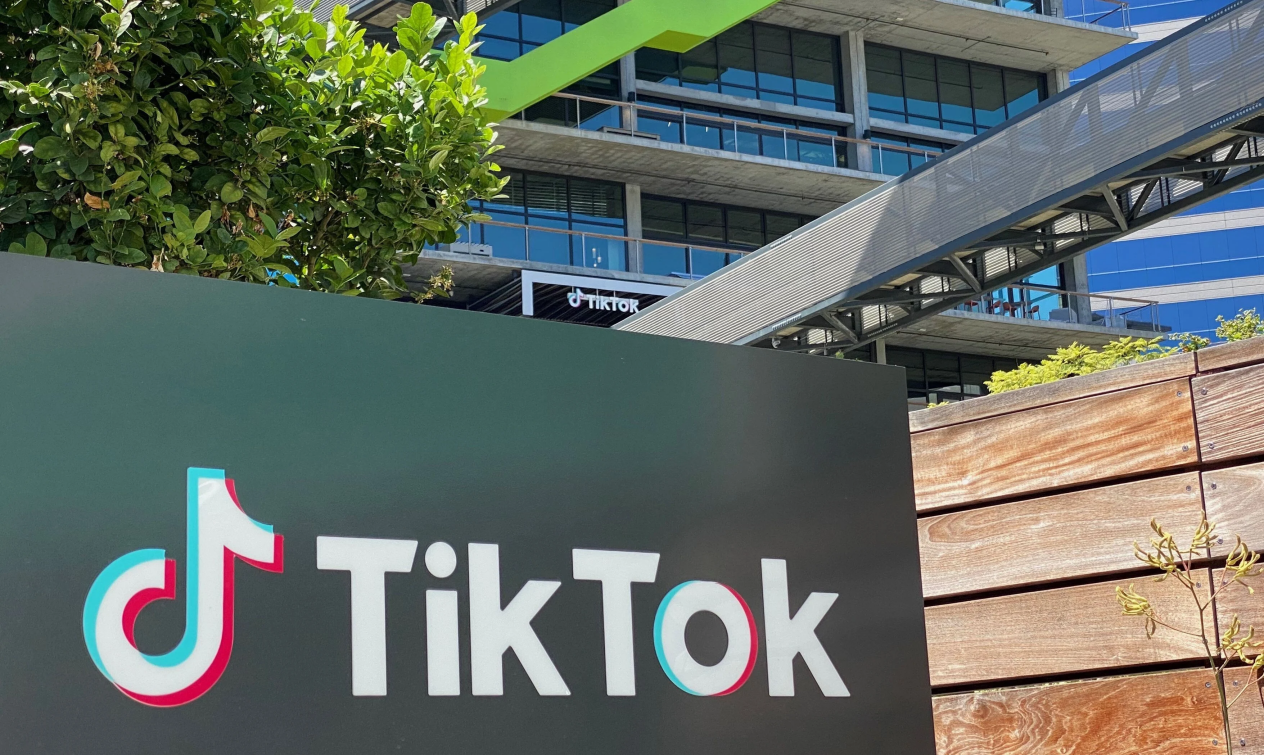
Source : Google
L'arrivée de TikTok Shop insuffle une nouvelle dynamique au marché du commerce électronique brésilien, tout en apportant de nouvelles opportunités et de nouveaux défis aux consommateurs, créateurs et vendeurs. Comment le paysage du commerce électronique brésilien va-t-il évoluer ? Restons à l'affût !