 2247
2247De Sanlitun à Pékin à Oxford Street à Londres, en passant par l'effervescence des centres commerciaux thaïlandais et les courtes vidéos de fashionistas américaines montrant leur Labubu, les jouets tendance chinois envahissent le monde à une vitesse sans précédent. Et au cœur de cette nouvelle flambée, on retrouve toujours le même Labubu, à la fois laid, mignon et irrésistible.
La semaine dernière encore, lors d'une vente aux enchères à Pékin, un Labubu de 131 cm de haut a atteint le prix faramineux de 1,08 million de yuans, suscitant une couverture médiatique internationale.
Cette vente aux enchères est comme une déclaration mondiale sur la culture tendance, le pouvoir d'achat et l'influence des IP chinoises ! Pop Mart propulse une fois de plus une marque chinoise sur le devant de la scène mondiale.
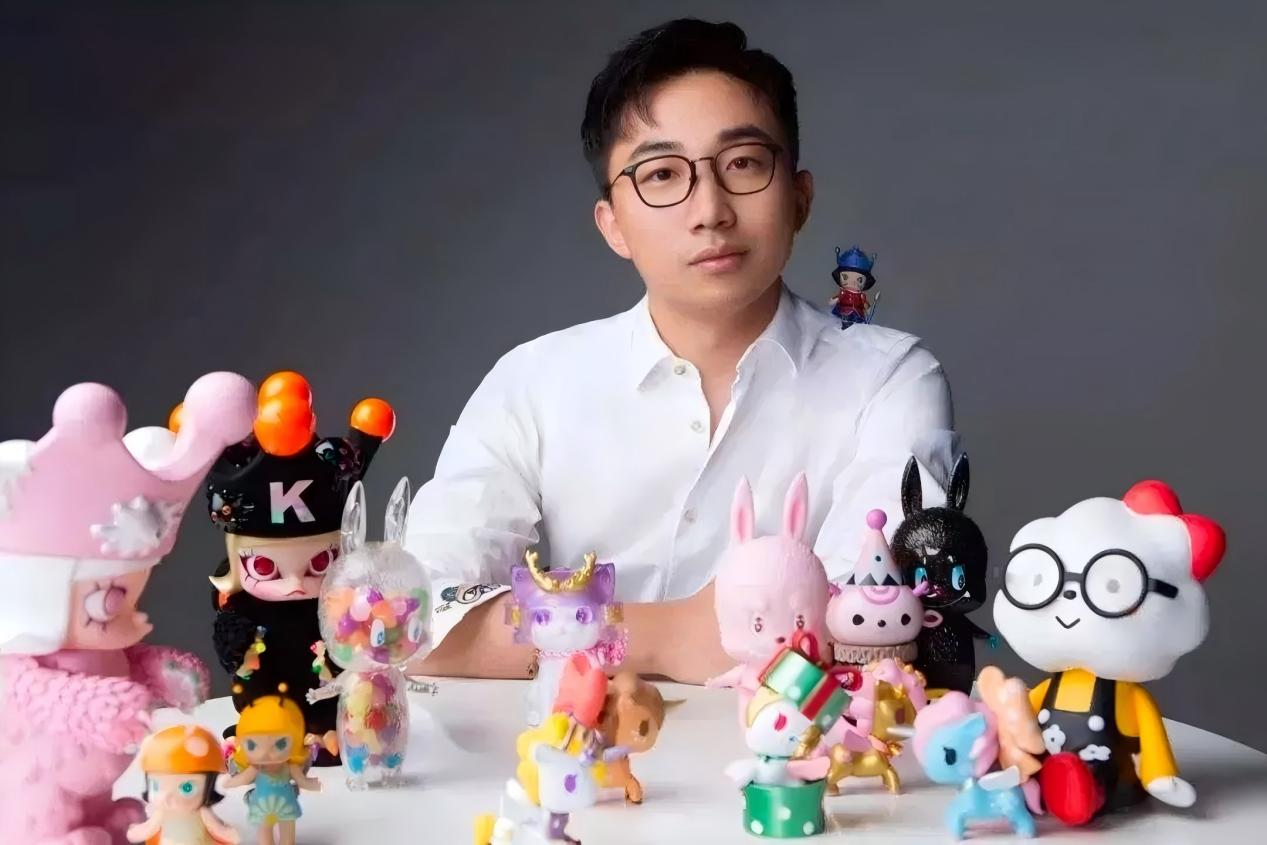
Wang Ning, fondateur de Pop Mart. Source : Internet
Une "boîte mystère" qui dynamise un marché de plusieurs milliards
Le succès de Pop Mart n'est pas soudain ; son ascension est logique.
Au cours des cinq dernières années, le chiffre d'affaires de l'entreprise est passé de moins d'un milliard de yuans à plus de six milliards, ses magasins sont passés du premier point de vente à Guomao (Pékin) à plus de 500 dans le monde, et des IP comme Labubu, Molly et Dimoo sont devenues des "totems spirituels" dans le portefeuille des jeunes.
La récente vague de popularité de Labubu ressemble davantage à une fête culturelle mondiale phénoménale.
Des stars mondiales comme Lisa, Rihanna et Dua Lipa montrent toutes leur Labubu, et de nombreux internautes plaisantent : "Les choses laides ont toujours un certain charme." De la diversité et de la tolérance des goûts esthétiques à la propagation organique sur les réseaux sociaux, les IP chinoises passent des cercles de niche à la culture grand public.
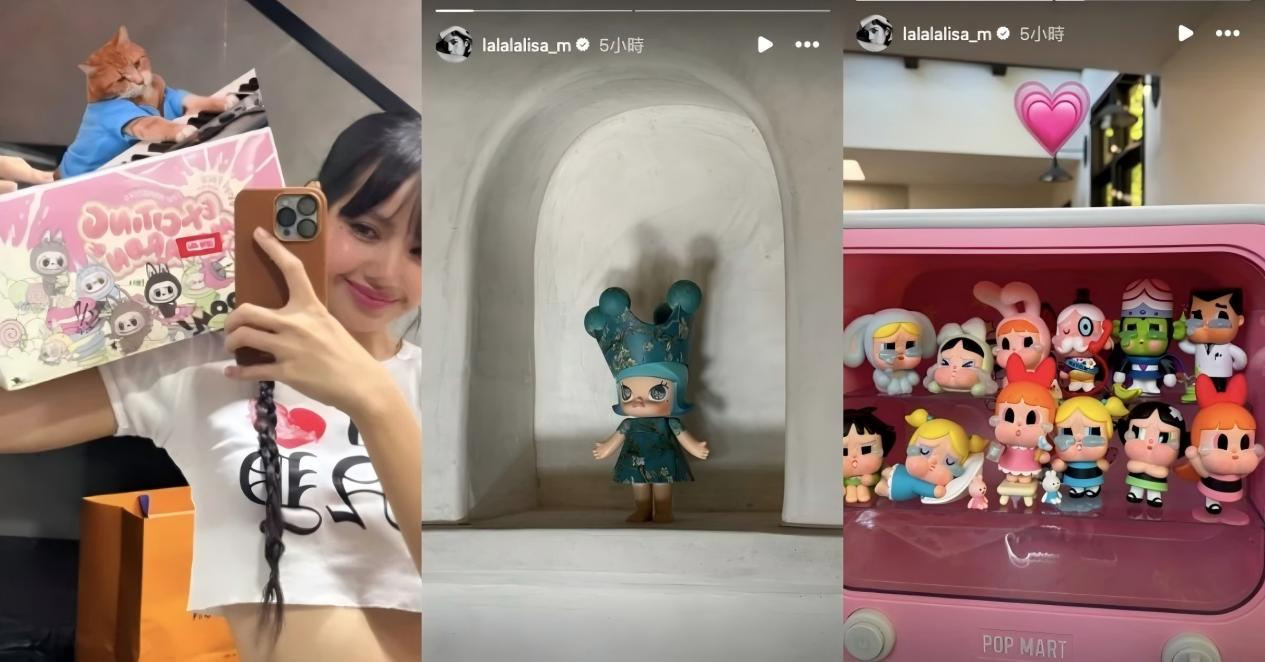
Source : Internet
Des files d'attente devant les magasins dans le monde entier, les jeunes à l'étranger aussi "accros"
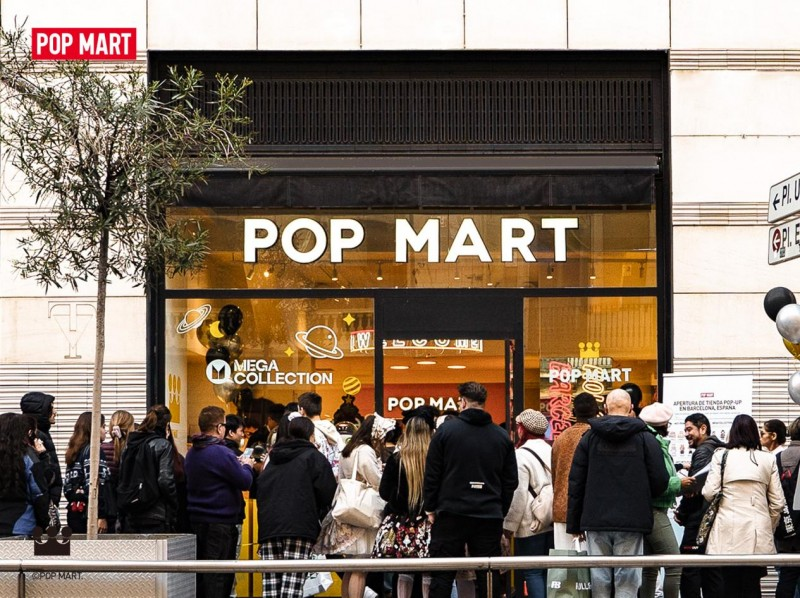
Les données montrent que Pop Mart compte actuellement plus de 70 magasins en propre à l'étranger. En particulier sur les marchés d'Asie du Sud-Est comme la Thaïlande, la Malaisie et Singapour, les Labubu sont "épuisés" dès leur mise en rayon, certains clients faisant même la queue toute la nuit pour des éditions limitées.
En avril dernier, le jour de l'ouverture du premier magasin à thème Labubu en Thaïlande, le chiffre d'affaires a dépassé les 10 millions de yuans, comparable au chiffre d'affaires quotidien d'un centre commercial de taille moyenne.
En Europe et aux États-Unis, Pop Mart a déjà investi des lieux branchés comme Selfridges à Londres et SOHO à New York, et développe ses ventes en ligne via des plateformes comme Amazon et Walmart. Plus important encore, ils ne se contentent pas de "jouer les seconds rôles" derrière des marques étrangères établies, mais s'imposent en tant que marque originale chinoise au cœur du système de vente au détail mainstream.
C'est une mise à niveau du "Made in China", et surtout une exportation du soft power culturel chinois.
Source : Internet
Derrière "l'économie du laid-mignon", la capacité industrielle des IP chinoises
Si par le passé les marques chinoises dépendaient davantage de l'exportation de produits sans marque et de la sous-traitance OEM, les marques de jouets tendance comme Pop Mart représentent une intégration complète du design original chinois, de la chaîne industrielle chinoise et du système marketing chinois.
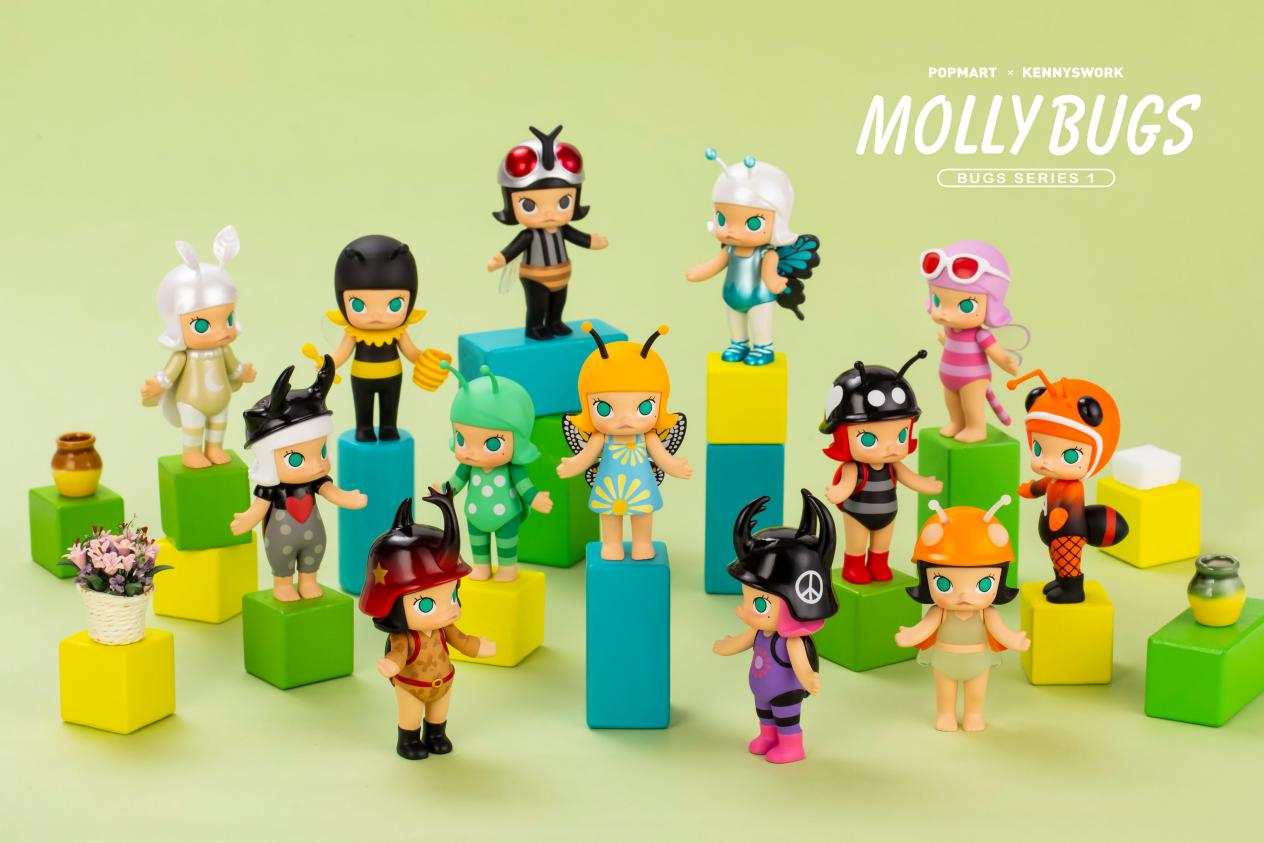
Incubation d'IP, design tendance, lignes de production rapides, mécanisme de vente par boîte mystère, système de tirage au sort en ligne... Pop Mart a construit un écosystème complet de jouets tendance ces dernières années. De la conception à la production de masse, chaque nouvelle collection ne prend pas plus de trois mois, permettant une réponse rapide aux tendances du marché mondial.
Ce mécanisme de réaction efficace est précisément l'élément le plus difficile à reproduire pour les marques de jouets tendance étrangères.
Plus profondément, Pop Mart a stimulé l'essor d'une série de marques chinoises de jouets tendance. Des entreprises comme 52TOYS, TOP TOY et Trendy Factory misent toutes sur les IP originales et le déploiement sur le marché mondial, formant une "armada chinoise du jouet tendance à l'exportation".
Source : Internet
Les marques chinoises redéfinissent le nouveau récit de la mode mondiale
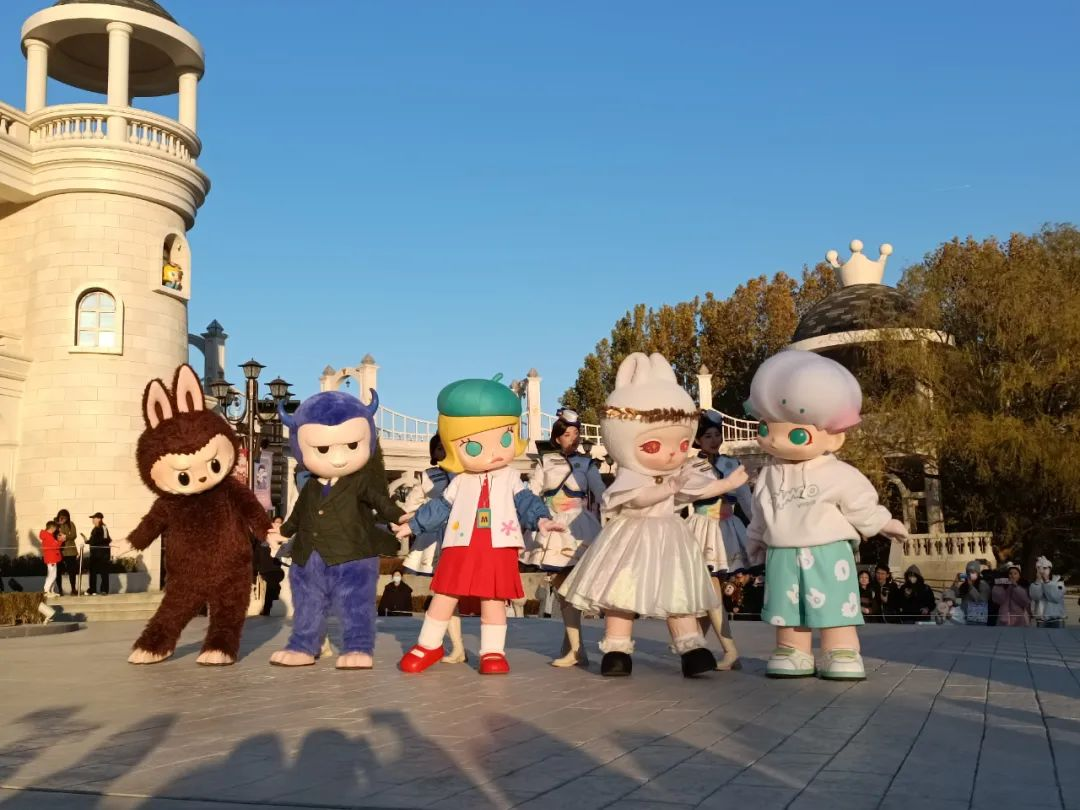
Si la première percée de Pop Mart était une fête du capital et de la consommation, cette nouvelle flambée avec "Labubu vendu à un million de yuans" commence à acquérir les attributs d'un phénomène culturel. Elle transmet au monde l'esthétique, la créativité et les valeurs culturelles chinoises, qui sont en train d'être reconnues mondialement.
Et le parcours de Pop Mart offre un nouveau paradigme à d'innombrables marques chinoises :
Non pas exporter à bas prix, mais entrer sur le marché avec une prime élevée ;
Non pas se baser sur la sous-traitance, mais être dominé par l'IP ;
Non pas suivre les tendances, mais créer les tendances.
Peut-être que dans quelques années, quand nous parlerons du "centre mondial de la mode", la réponse ne sera plus Tokyo, Séoul ou New York, mais Shenzhen, Guangzhou ou Pékin.
Source : Internet
Conclusion
Le regain de popularité de Pop Mart n'est pas un hasard, mais le résultat inévitable du passage des marques de consommation chinoises de la fabrication à l'exportation culturelle.
La mode ne demande jamais d'où elle vient.
Cette fois, c'est le Made in China, le Design chinois, la Créativité chinoise qui se tiennent au centre de la mode mondiale !