 2051
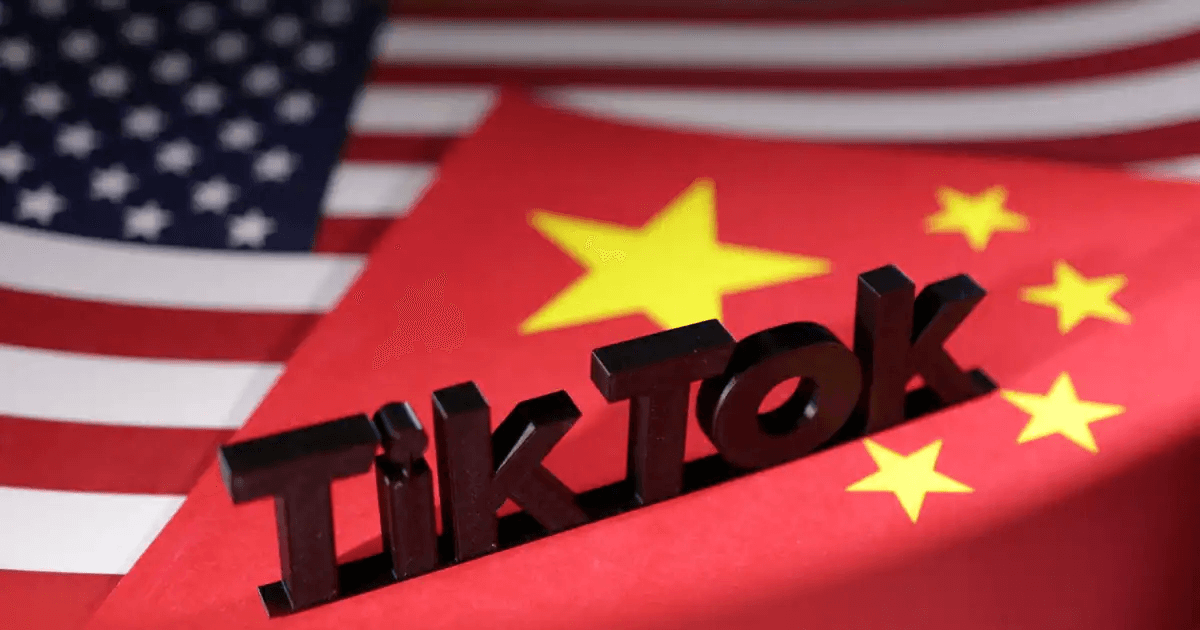
2051Les informations selon lesquelles les activités américaines de TikTok seraient vendues ont de nouveau suscité l'attention mondiale.
Le 8 juillet, heure de Pékin, en réponse aux informations de plusieurs médias étrangers affirmant que « les activités américaines de TikTok ont accepté d'être vendues au consortium américain mené par Oracle », la société mère de TikTok,ByteDance a donné une réponse claire : ces informations sont inexactes.
La société a souligné que des rumeurs similaires étaient déjà apparues en avril dernier et avaient été démenties à l'époque.
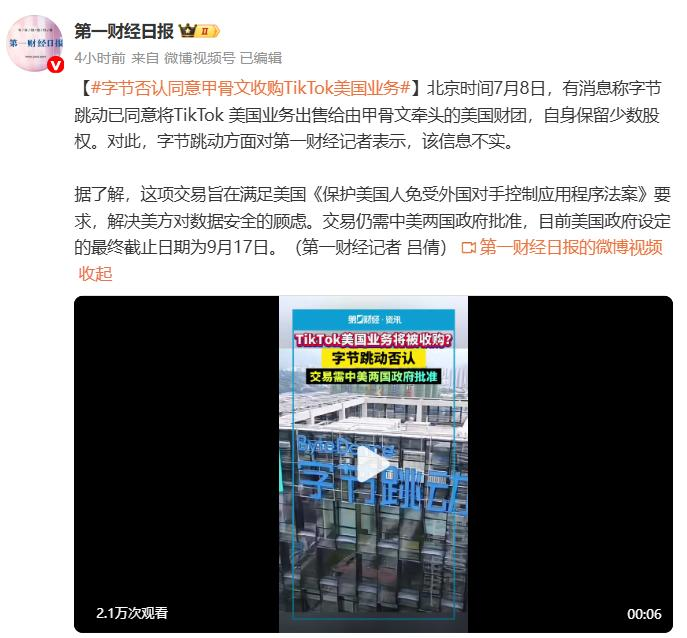
Source : capture d'écran de Weibo
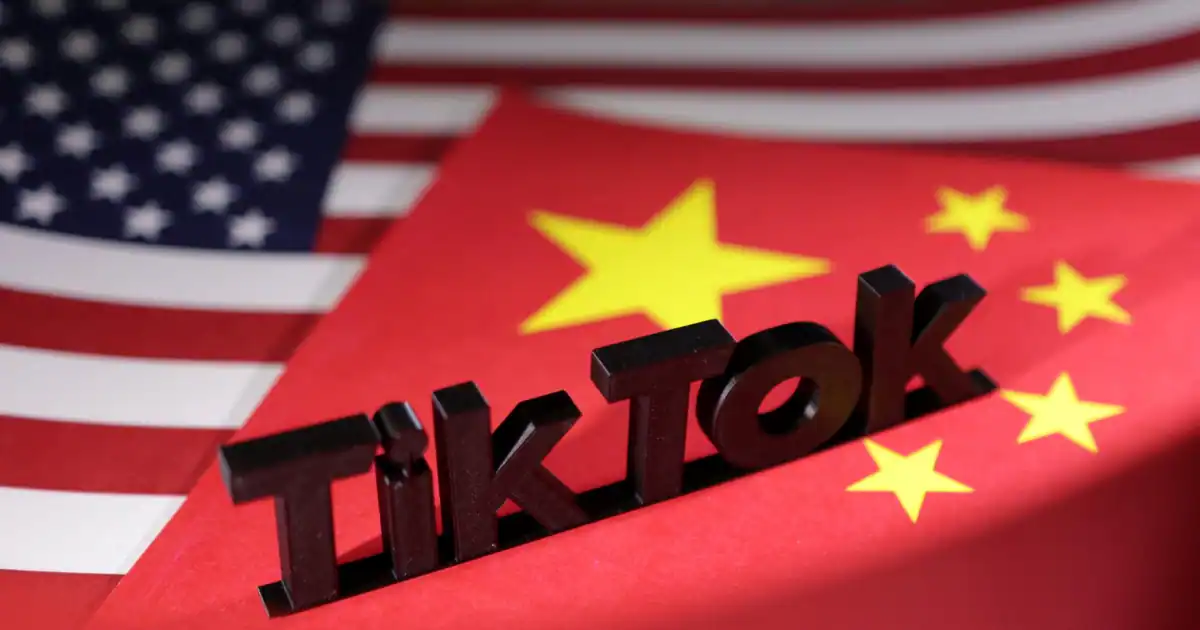
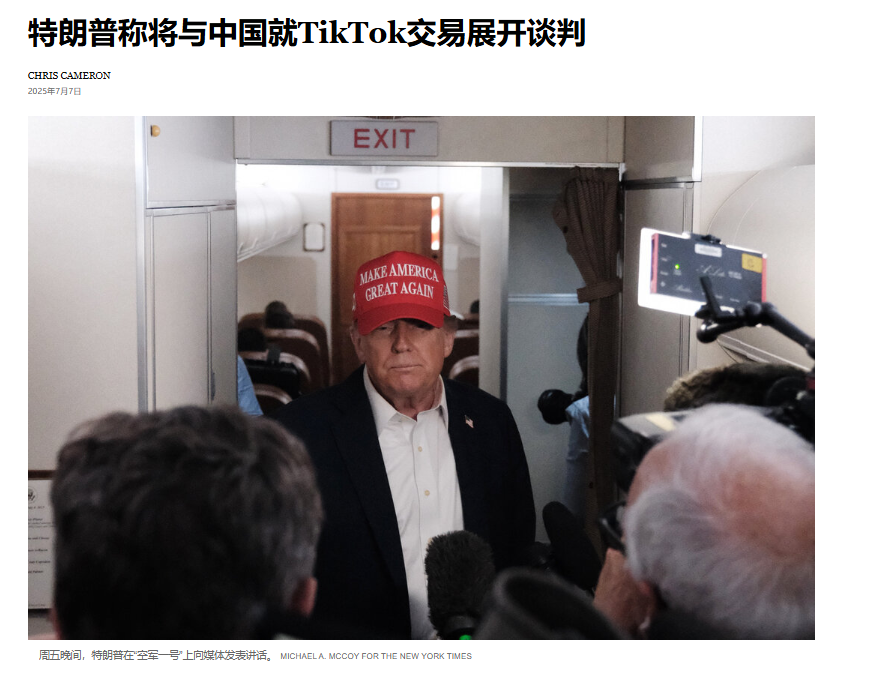
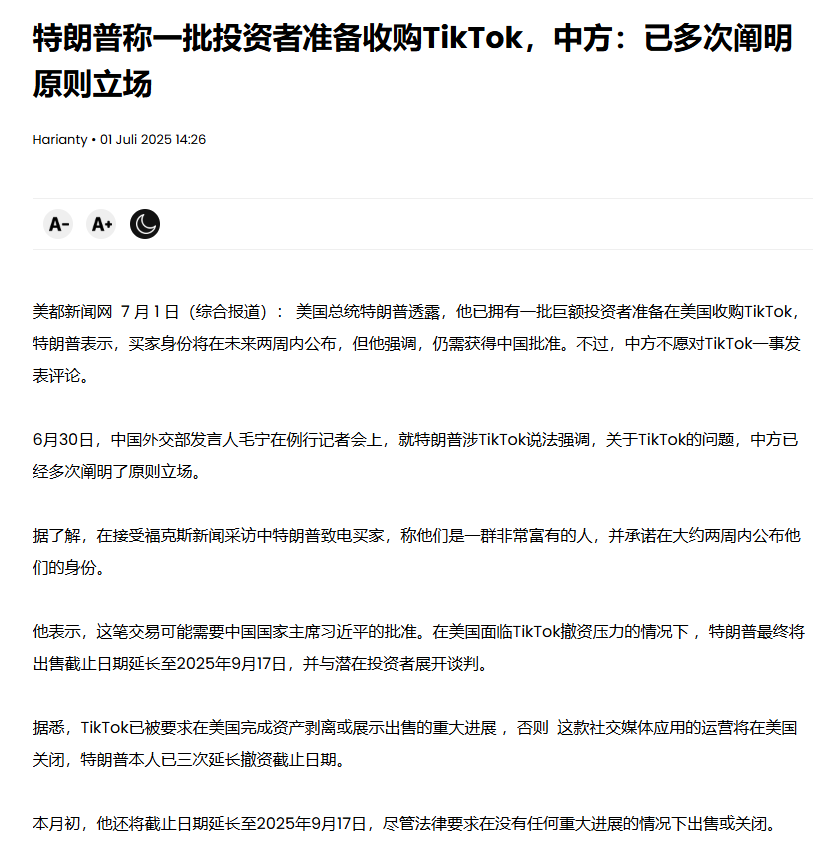
Ce démenti vise directement les « rumeurs de cession des activités américaines de TikTok » qui refont surface récemment. Selon le New York Times, l'ancien président américain Donald Trump a déclaré le 4 juillet que les activités américaines de TikTok « ont essentiellement conclu un accord de vente »,et qu'il consulterait la partie chinoise le 7 ou le 8 juillet. Trump a également ajouté que cette transaction, pour être finalisée, nécessiterait encore l'approbation de la Chine.
Bien que Trump n'ait pas divulgué l'identité spécifique des acheteurs potentiels, il a laissé entendre dans une interview à Fox News qu'un groupe de « personnes très riches » tente d'acheter les activités américaines de TikTok. Bloomberg a précisé que cette partie intéressée serait très probablement un consortium américain composé d'Oracle, Blackstone et Andreessen Horowitz.
Source : Internet
Structure potentielle de la transaction dévoilée, les questions centrales restent en suspens
Selon une version « ébauche » divulguée par les médias étrangers, la transaction prévoirait l'introduction de nouveaux investisseurs américains dans le cadre d'une coentreprise, où le consortium américain détiendrait 50 % des parts, les investisseurs existants environ 30 %, et les parts de ByteDance seraient réduites à moins de 20 %, afin detenter de répondre aux exigences réglementaires de la loi américaine « Vendre ou Interdire ».
Cependant, il reste une grande incertitude quant à savoir si cette structure est réellement conforme aux normes de sécurité du Congrès américain. Le New York Times souligne que le débat se concentre toujours sur une question centrale :l'algorithme principal de TikTok sera-t-il transféré à la partie américaine ?
Ce point est également le sujet sensible qui préoccupe le plus les régulateurs américains et sur lequel la Chine a le plus de mal à faire des concessions.
Source : New York Times (version chinoise)
La pression de la loi « Vendre ou Interdire » ne diminue pas, le délai de grâce entre dans le compte à rebours
Le contexte de l'obligation de « vendre » les activités américaines de TikTok remonte à 2024. À l'époque, le président américain Joe Biden avait signé la loi « Protecting Americans from Foreign Adversary Controlled Applications Act » (communément appelée loi « Vendre ou Interdire »), exigeant que ByteDance cède ses activités américaines de TikTok dans un délai déterminé, sous peine d'être retirée.
La date limite initiale de cession était fixée au 19 janvier 2025. Après le retour de Trump à la Maison Blanche, il a prolongé le délai au 5 avril, le 20 janvier. En fonction de l'évolution de la situation, la « période de grâce » de TikTok a connu deux prolongations supplémentaires. Actuellement, lanouvelle date limite finale a été fixée au 17 septembre 2025.
Cela signifie qu'il ne reste plus beaucoup de temps à TikTok pour gérer les incertitudes du marché américain.
Source : Internet
La position officielle chinoise est claire : les transactions concernées doivent être soumises à approbation conformément à la loi
Concernant le sujet récurrent de la « vente forcée de TikTok », le ministère chinois des Affaires étrangères a répondu dès le début de l'année :toute transaction transfrontalière impliquant des entreprises chinoises doit être soumise à approbation conformément à la loi et faire l'objet d'une décision autonome de l'entreprise. En d'autres termes, que l'on souhaite ou non vendre, cela doit être fait légalement et conformément au cadre réglementaire chinois.
Cela signifie également que, même si TikTok voulait vendre, une telle transaction ne pourrait contourner la procédure d'approbation des autorités de régulation chinoises.
Source : metrotvnews
TikTok envisage une autre voie ? Une nouvelle application pourrait être lancée aux États-Unis en septembre
Alors que les rumeurs de vente persistent, des informations indiquent que TikTok pourrait préparer un plan B.
Selon le média technologique américain The Information, TikTok développeune nouvelle application indépendante spécialement conçue pour le marché américain, dont le lancement est prévu pour le 5 septembre 2025, soit juste avant l'entrée en vigueur de la loi « Vendre ou Interdire ».
Ce média, citant des informations internes, indique quel'application actuelle de TikTok aux États-Unis cessera de fonctionner en mars 2026, et que les utilisateurs devront migrer vers la nouvelle application pour continuer à l'utiliser. Si ce plan de migration se confirme, il concernerait plus de170 millions d'utilisateurs américains, une opération sans précédent.
TikTok n'a pas encore répondu publiquement à ce plan, mais beaucoup estiment que cette approche de « remise en ligne » pourrait être une voie technique pour la plateforme face aux pressions politiques.
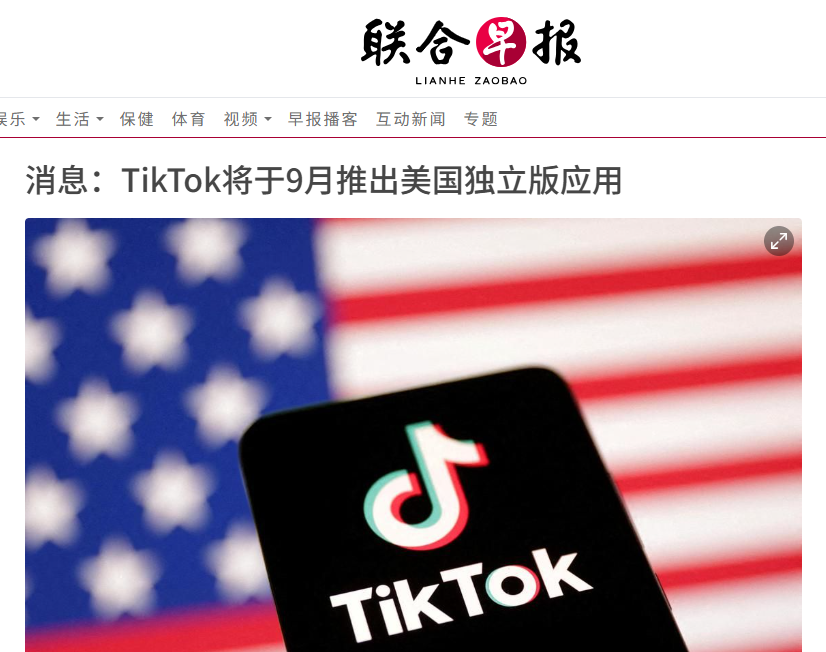
Source : Lianhe Zaobao
En conclusion
Que l'acquisition soit réelle ou non, les entreprises chinoises font face à despressions géopolitiques et réglementaires sur les marchés étrangers, un défi concret pour la mondialisation des marques.
Pour TikTok, les trois prochains mois seront cruciaux : vente, interdiction, ou lancement d'une nouvelle application pour emprunter une autre voie, tout nécessite une grande précision stratégique et une vitesse d'exécution élevée.
Les regards du marché restent braqués sur cette « lutte technologique la plus politique au monde ».