 1798
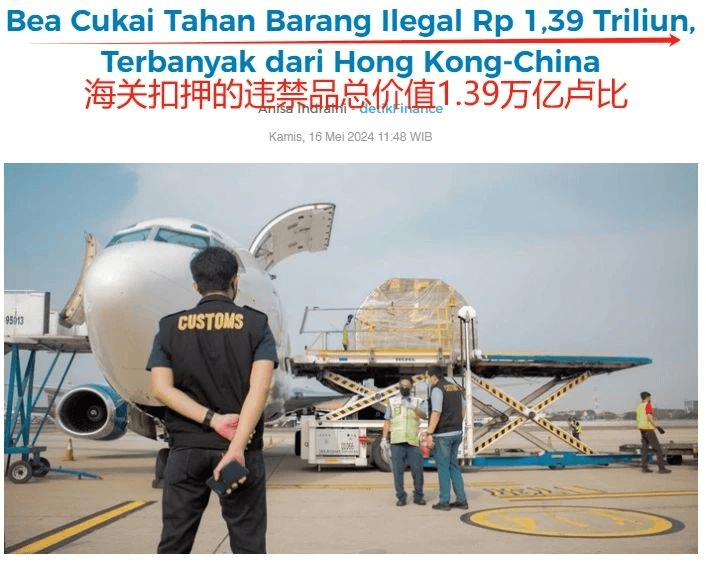
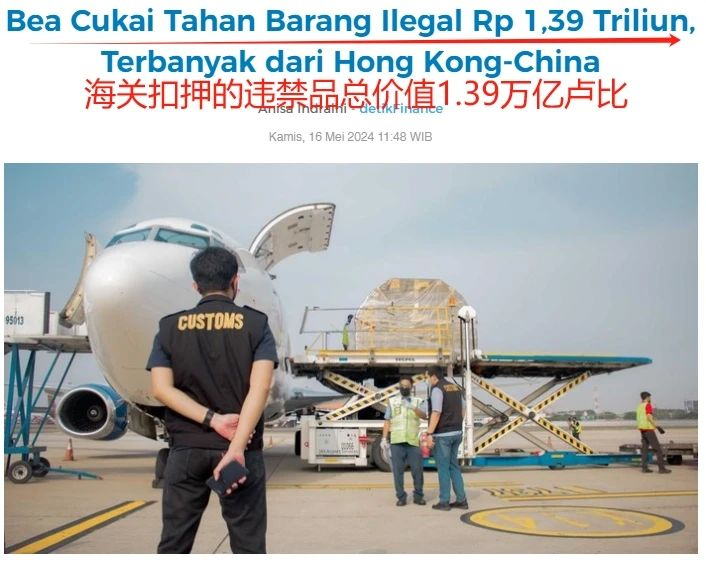
1798Récemment, les douanes indonésiennes ont considérablement renforcé leur répression contre les importations illégales. Selon les informations publiées par la Direction générale des douanes et des accises (DJBC) du ministère indonésien des Finances, entre janvier et avril de cette année, la DJBC a mené 7 510 opérations spéciales, saisissant un grand nombre de marchandises importées illégalement. La valeur totale de ces marchandises saisies atteint1,39 billion de roupies indonésiennes, soit environ 86,97 millions de dollars américains.
Répression sévère des importations illégales
Cette action de la DJBC vise à lutter contre les marchandises importées illégalement, qui ne paient généralement pas de taxes ou de droits d'importation, constituant une menace potentielle pour l'économie indonésienne. Ces activités illégales perturbent non seulement l'ordre du marché, mais peuvent également créer une concurrence déloyale pour les entreprises légitimes. De plus, la qualité et la sécurité des marchandises importées illégalement ne peuvent être garanties, ce qui peut présenter des risques pour la santé et la sécurité des consommateurs.
Outre la répression des importations illégales, la DJBC a également découvert 171 cas d'exportations illégales entre janvier et avril de cette année, impliquant une valeur totale de marchandises de 26 milliards de roupies indonésiennes, soit environ 1,62 million de dollars américains. Cesmarchandises exportées illégalement comprennent principalement des produits du tabac, des textiles, des boissons alcoolisées, des stupéfiants, ainsi que des aliments et boissons illégaux.

Concernant les importations illégales, la DJBC a indiqué qu'elle renforcera davantage la surveillance à l'avenir, notamment dans les domaines des frontières maritimes, des ports et des aéroports. Ces dernières années, la DJBC a adopté une politique de tolérance zéro envers les infractions et a détruit à plusieurs reprises de grandes quantités de marchandises illégales. Ces marchandises détruites comprennent des vêtements d'occasion, des produits du tabac, des appareils électroniques, etc., dans le but de protéger le public contre les objets illégaux ou dangereux.

Développement et défis du marché du commerce électronique en Indonésie
Ces dernières années, le marché indonésien a attiré de nombreux vendeurs de commerce électronique transfrontalier en raison de sa vaste base de jeunes consommateurs et de sa solide culture d'achat en ligne. Les consommateurs indonésiens aiment généralement acheter des produits importés, une tendance qui a stimulé le développement rapide du marché du commerce électronique en Indonésie. Cependant, avec la croissance rapide du marché, la rigueur de la réglementation s'est également accrue. Pour assurer un développement sain du marché, le gouvernement indonésien a pris plusieurs mesures pour réguler les comportements du marché.
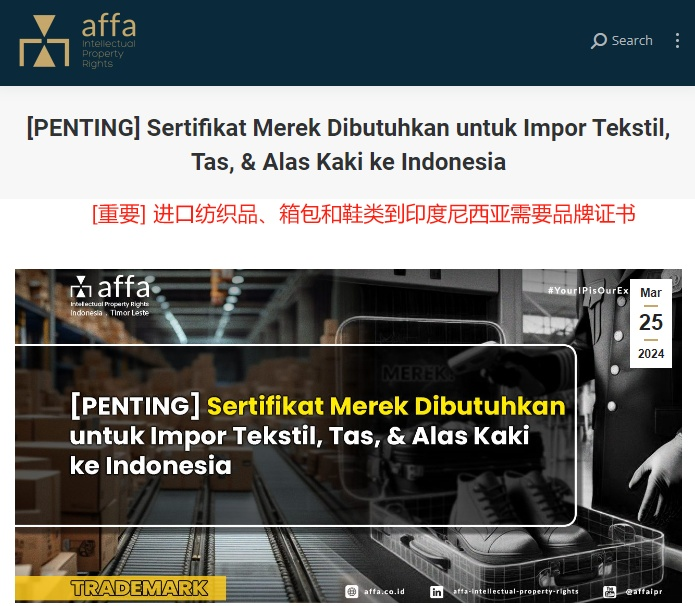
Par exemple,le gouvernement indonésien a publié un nouveau règlement le 10 mars de cette année, exigeant que les textiles, les bagages, les chaussures et les produits textiles importés obtiennent un certificat de marque. Cette mesure vise à renforcer la protection des marques et à garantir la qualité des produits vendus sur le marché.
Tendance à la conformité sur le marché de l'Asie du Sud-Est
Non seulement l'Indonésie, mais toute la région de l'Asie du Sud-Est voit ses réglementations de marché se durcir. Par exemple, le département de gestion du marché de Hanoï, au Vietnam, a récemment inspecté un entrepôt et saisi 523 produits présentant des signes évidents de contrebande. Ces produits comprennent des purificateurs d'eau, des lisseurs à cheveux, des vélos d'exercice, des vélos électriques, etc., d'une valeur totale de près de 50 millions de dongs vietnamiens. Comme le propriétaire de l'entrepôt n'a pas pu fournir de factures ou de documents prouvant l'origine des marchandises, ces articles ont été considérés comme des produits de contrebande, et les responsables concernés ont été soumis à des sanctions administratives, avec une amende de plus de 20 millions de dongs vietnamiens.

Ces cas montrent que les gouvernements des pays d'Asie du Sud-Est accordent une importance croissante à la régulation du marché. Avec l'intensification de la concurrence sur le marché, les défis auxquels sont confrontés les vendeurs augmentent également. Pour réussir dans cet environnement, les vendeurs doivent se conformer aux lois et réglementations de chaque pays et assurer la conformité de leurs activités commerciales.
Attentes futures du marché
En tant que l'une des plus grandes économies d'Asie du Sud-Est, le marché indonésien présente un potentiel énorme. Cependant, avec le renforcement de la réglementation, les vendeurs doivent être plus prudents dans leur planification de marché. Avant d'entrer sur le marché indonésien,les vendeurs doivent bien comprendre les lois et réglementations locales pour assurer la conformité de leurs produits et activités commerciales. De plus, ils doivent surveiller la dynamique du marché et ajuster leurs stratégies commerciales en temps opportun pour faire face aux changements soudains du marché.
Pour les vendeurs de commerce électronique transfrontalier souhaitant entrer sur le marché indonésien, en plus de comprendre la demande du marché et les tendances de consommation, il est également nécessaire d'établir des partenariats avec des prestataires de services logistiques et de paiement locaux pour garantir que les produits puissent être livrés avec succès aux consommateurs. Parallèlement, renforcer la communication avec les départements gouvernementaux indonésiens pour comprendre les derniers changements de politiques et de réglementations est également un travail important.
Dans l'ensemble, le marché indonésien est plein d'opportunités, mais aussi de défis. Les vendeurs doivent être bien préparés, à la fois pour saisir les opportunités du marché et pour relever les défis réglementaires. Ce n'est qu'ainsi qu'ils pourront réaliser un développement à long terme sur ce marché dynamique.


