 2290
2290Negli ultimi anni, l'esplosione del settore degli eSport e la diffusione del lavoro a distanza hanno trasformato le tastiere meccaniche da strumenti professionali a beni di consumo di massa.
Secondo i dati di marketresearchfuture, nel 2023 il valore del mercato globale delle tastiere meccaniche è stato stimato a 1,65 miliardi di dollari, con una previsione di crescita stabile a un tasso di crescita annuale composto del 10,90% tra il 2024 e il 2032. Entro il 2032, si prevede che il mercato globale delle tastiere meccaniche raggiungerà i 6,2 miliardi di dollari, con un forte slancio di sviluppo.
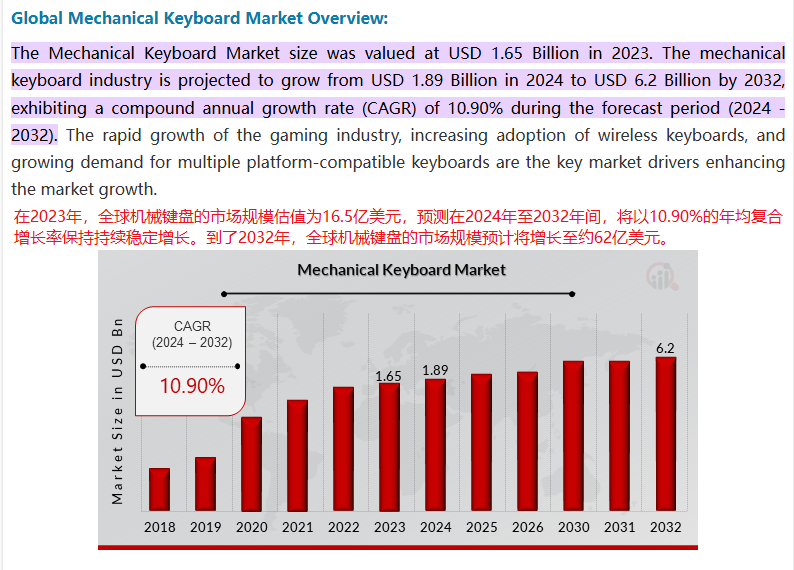
Fonte: marketresearchfuture
Allo stesso tempo, le richieste dei consumatori per le tastiere non si limitano più alle funzioni di base; caratteristiche come gli switch personalizzabili, i keycap individualizzati e l'interazione intelligente sono diventate nuove tendenze di consumo.
Di fronte all'aggiornamento delle esigenze funzionali e alla rapida espansione del mercato, alcuni marchi cinesi hanno iniziato a tentare l'espansione all'estero, cercando di cogliere le nuove opportunità non ancora pienamente sviluppate nei mercati esteri.
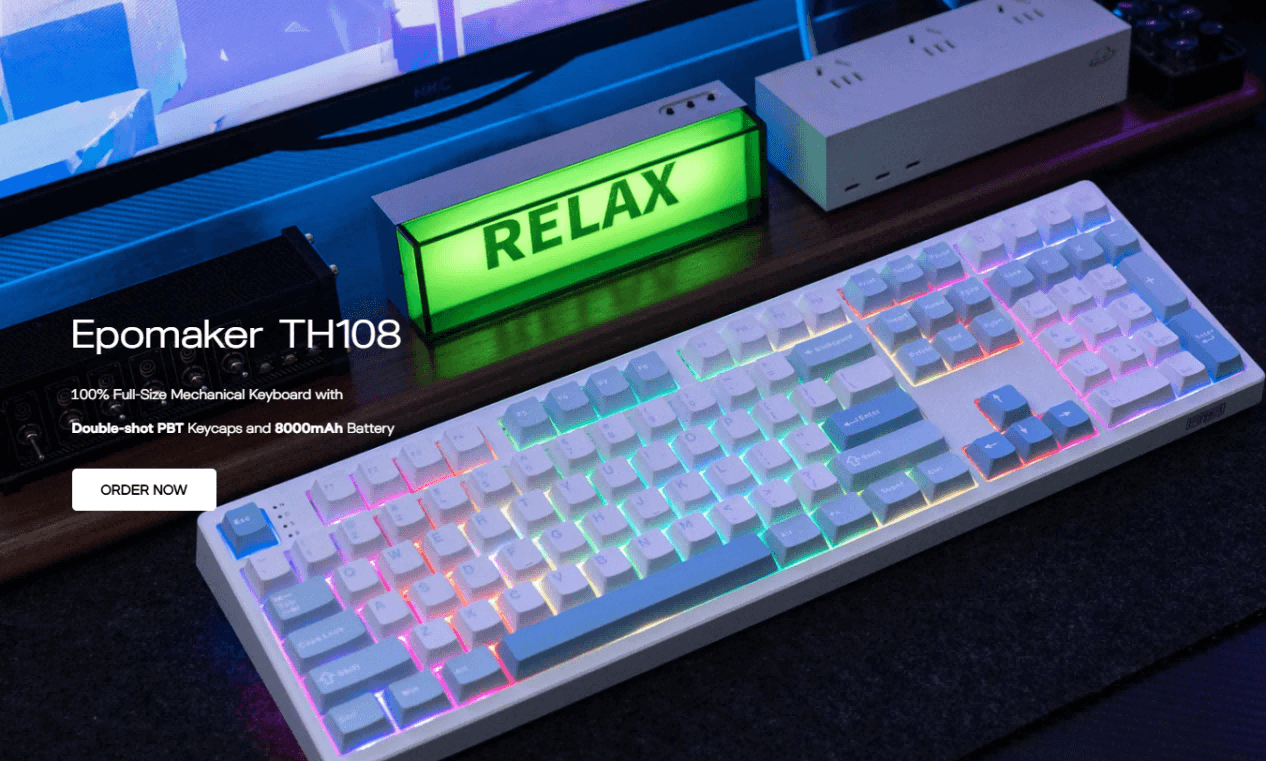
Il marchio di Shenzhen Epomaker è uno di questi. Grazie a una sensibile comprensione delle esigenze di personalizzazione, ha iniziato a sviluppare la propria strategia nei mercati esteri.
Si apprende che nel 2024 il marchio Epomaker ha raggiunto l'obiettivo di un fatturato annuo di 350 milioni di yuan, riuscendo anche a entrare tra i primi 3 nella categoria tastiere di Amazon, e si è classificato al 53° posto nella classifica del quarto trimestre 2024 delle "100 migliori marche cinesi di e-commerce transfrontaliero".
Il suo percorso di espansione all'estero potrebbe fornire alcuni spunti per i marchi hardware nazionali.
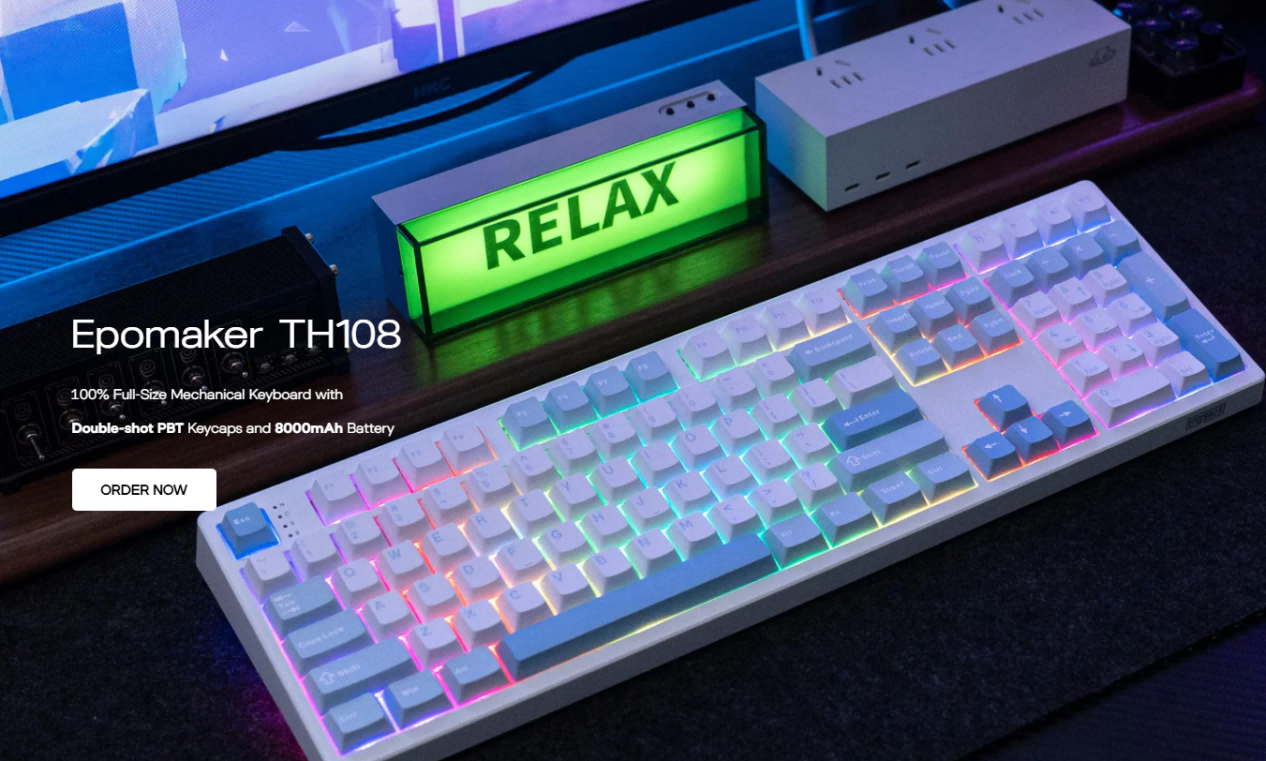
Fonte: Epomaker
Un marchio nato dalle esigenze dei giocatori
Come riportato, Epomaker è un marchio di Shenzhen Changyun Technology, fondato nel 2019.
I membri del team fondatore hanno background diversificati, tra cui giocatori esperti, ingegneri software e appassionati di tastiere meccaniche. Grazie alla loro passione e alle loro intuizioni uniche sulle tastiere, hanno deciso di creare una propria linea di prodotti per tastiere e di lanciarla sul mercato estero.
Nelle fasi iniziali, il marchio Epomaker ha dovuto affrontare molte sfide. Il mercato di fascia alta era dominato da grandi marchi internazionali come Cherry (Germania) e Razer (Stati Uniti), mentre quello di fascia media e bassa era altamente competitivo.
Dopo approfondite ricerche, il team ha scoperto un evidente vuoto nel segmento di mercato di fascia media. I consumatori cercano tastiere di alta qualità e personalizzate, ma sono anche sensibili al prezzo. Così, il marchio Epomaker ha deciso di puntare su un rapporto qualità-prezzo elevato e sulla personalizzazione, seguendo una strategia di sviluppo differenziata.
Per raggiungere questo obiettivo, il team ha investito molte energie nel miglioramento tecnologico della ricerca e sviluppo dei prodotti, e ha prestato attenzione alla collaborazione con fornitori globali. Ad esempio, ha collaborato con designer di keycap giapponesi per creare keycap dallo stile unico, e con produttori tedeschi di switch per personalizzare switch con marchio congiunto Gateron, migliorando la qualità e l'unicità del prodotto in ogni fase.
È proprio questa attenzione estrema all'esperienza utente e lo sforzo costante nella ricerca e sviluppo dei prodotti che hanno permesso al marchio Epomaker, in pochi anni, di passare dall'essere un piccolo marchio sconosciuto a un marchio noto ben radicato nei mercati esteri maturi.
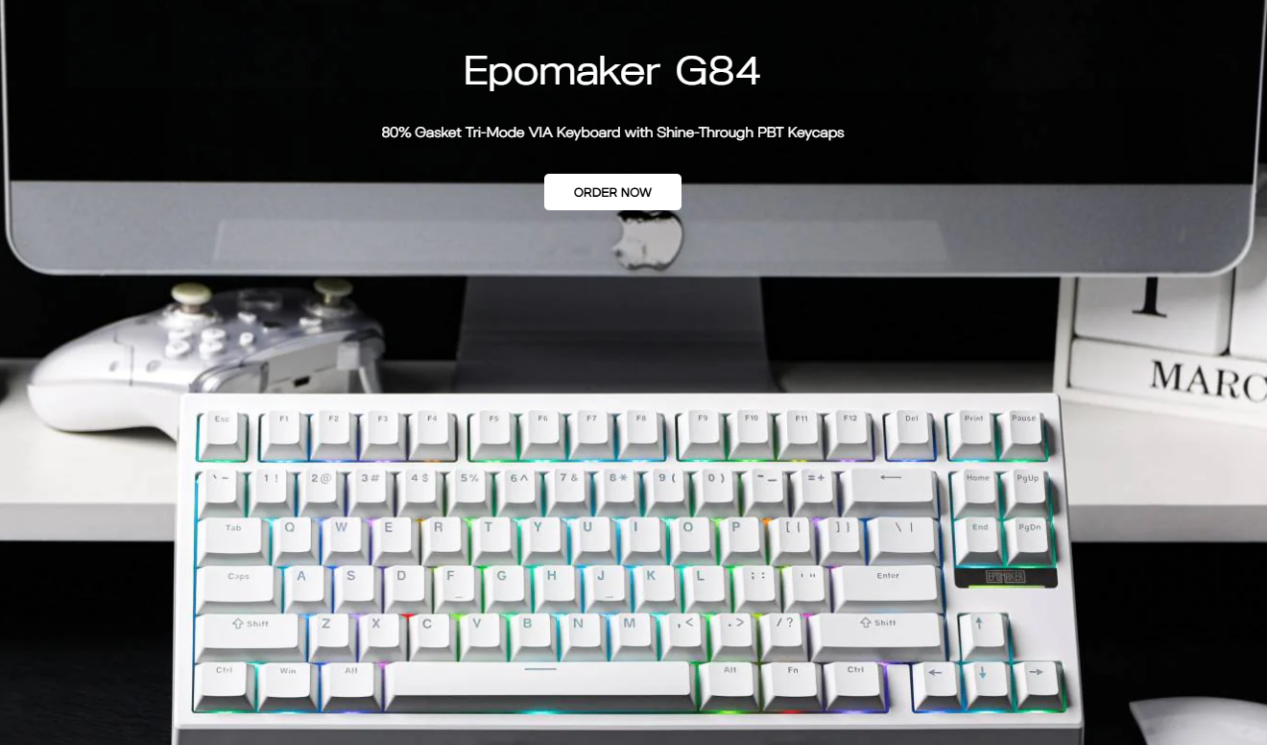
Fonte: Epomaker
Marketing sui social media: coinvolgere i potenziali utenti con scenari reali
Nella gestione dei social media, il marchio Epomaker si concentra sulla trasmissione di valore. Non punta ossessivamente alla crescita del numero di follower, ma si dedica alla creazione di contenuti di alta qualità che si connettano con precisione al pubblico di riferimento.
TikTok:
L'account ufficiale di Epomaker su TikTok, @epomaker_keyboard, ha attualmente 78.700 follower e 232.500 like.
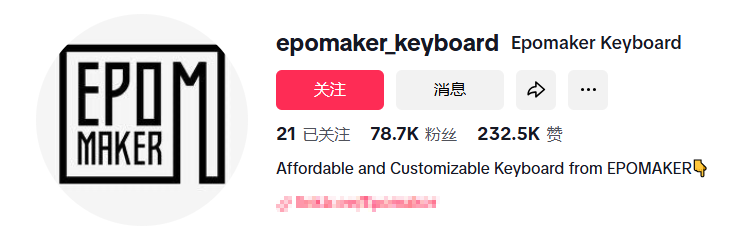
Fonte: TikTok
Sebbene il numero di follower dell'account non sia molto elevato e sia ancora in fase di sviluppo, molti dei brevi video nell'account hanno ottime performance. Tra questi, 15 video hanno raggiunto centinaia di migliaia di visualizzazioni; 2 video hanno superato il milione di visualizzazioni. Il singolo video con il maggior numero di visualizzazioni ha raggiunto 9,1 milioni.
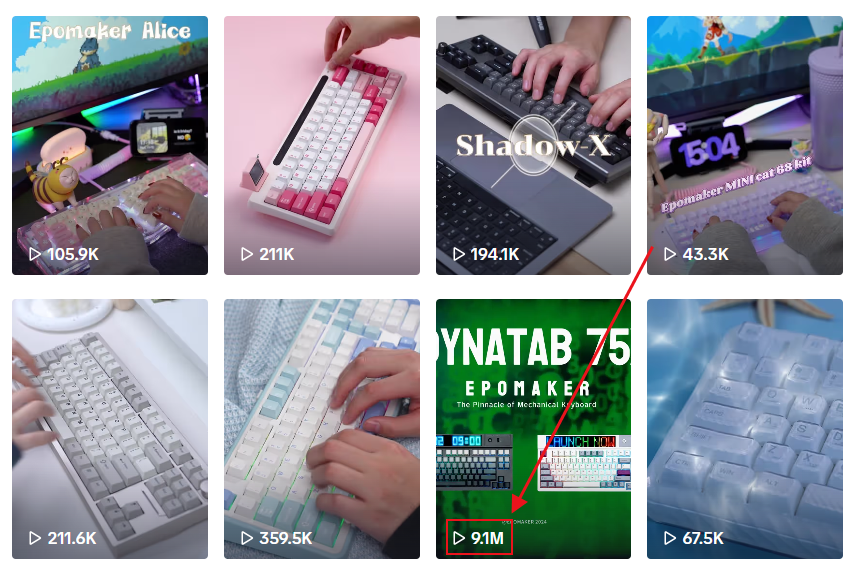
Fonte: TikTok
Lo stile dei brevi video pubblicati sull'account è molto chiaro: si concentrano sulla presentazione del prodotto in scenari di uso quotidiano reale.
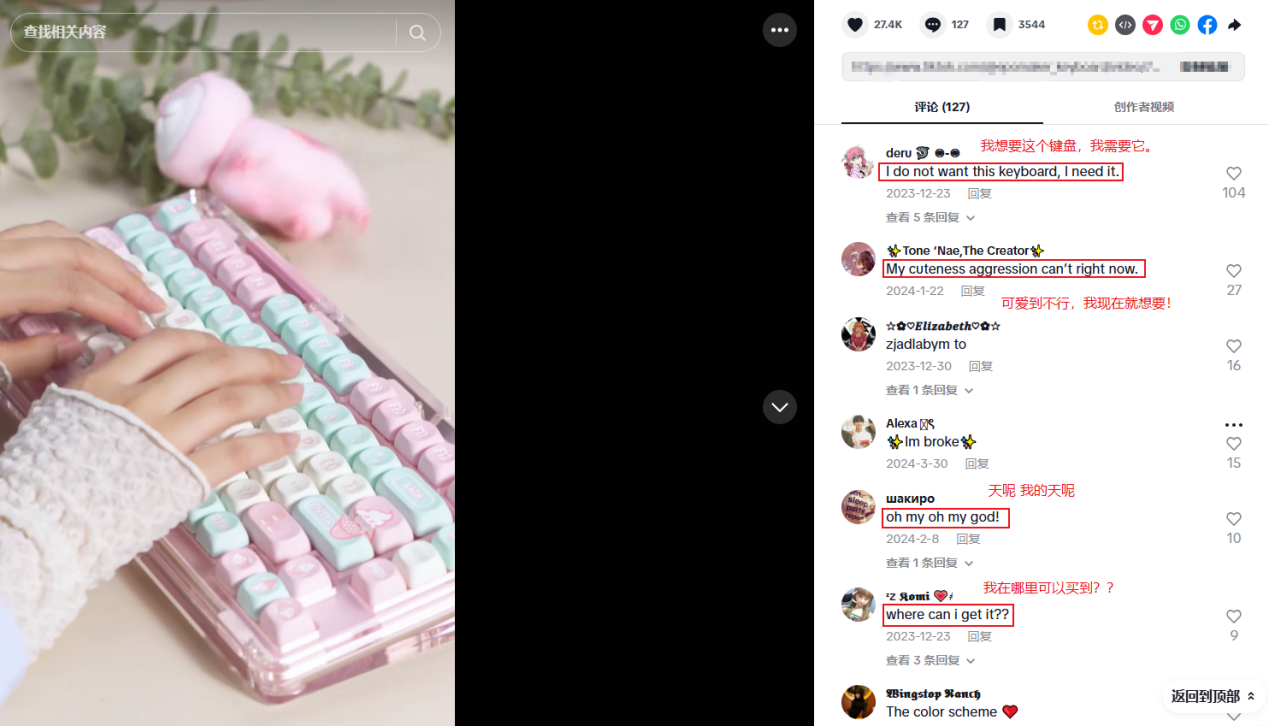
Prendendo come esempio uno dei video, in esso l'utente mostra le caratteristiche speciali della tastiera Epomaker, come l'effetto luce RGB e lo schermo interattivo mini, nell'uso quotidiano, rispondendo strettamente alle esigenze quotidiane degli utenti e presentando naturalmente le caratteristiche funzionali, gli scenari applicativi reali e gli effetti d'uso del prodotto.
A giudicare dai commenti, questo metodo promozionale si è rivelato efficace. Molti utenti hanno espresso il loro apprezzamento per questa tastiera nei commenti: "Voglio tantissimo questa tastiera, mi serve!" "Così carina, la voglio adesso!" Altri hanno chiesto direttamente dove acquistarla: "Dove posso comprarla??"
Fonte: TikTok
Oltre a concentrarsi sulla creazione di contenuti propri, il marchio Epomaker ha anche attivamente ampliato i canali di collaborazione, collaborando con molti creator di nicchia in settori verticali come design creativo e giochi eSport. Sfruttando l'influenza di questi creator, ha aumentato la notorietà e il riconoscimento del marchio.
La creator TikTok @pinkxxiny, specializzata nella condivisione di tastiere per giochi eSport e con 219.900 follower, ha realizzato un video creativo per il prodotto Epomaker cypher 96.
Fonte: TikTok
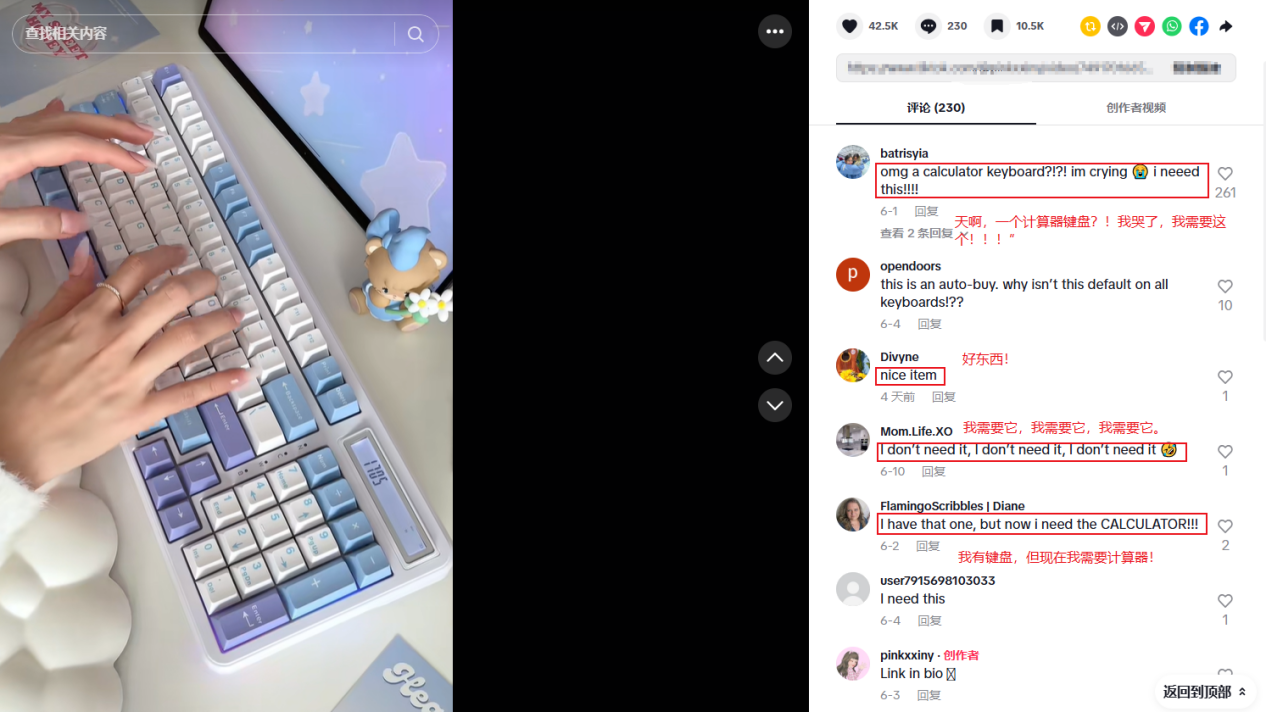
Nel video, la creator @pinkxxiny ha prima mostrato agli utenti il design completo dell'Epomaker cypher 96, poi simulando la digitazione ha permesso agli utenti di percepire la fluidità e il comfort della tastiera. Successivamente, ha evidenziato l'area funzionale creativa sul lato destro della tastiera, che funge sia da tastierino numerico che da calcolatrice intelligente, in grado di eseguire operazioni matematiche. Alla fine, il video ha ottenuto oltre 100.000 visualizzazioni e 42.400 like.
Nei commenti, molti utenti hanno mostrato grande interesse e forte desiderio per questo prodotto:
"Cavolo, una tastiera con calcolatrice?! Piango, mi serve!!!"
"Mi serve, mi serve, mi serve."
"Ho una tastiera, ma ora mi serve una calcolatrice!"
Fonte: TikTok
YouTube:
Sulla piattaforma YouTube, Epomaker tende a collaborare con creator tecnologici professionisti per pubblicare video di unboxing e recensioni dei prodotti. Utilizzando i contenuti di recensione dei creator, il marchio raggiunge il pubblico target da una prospettiva professionale.
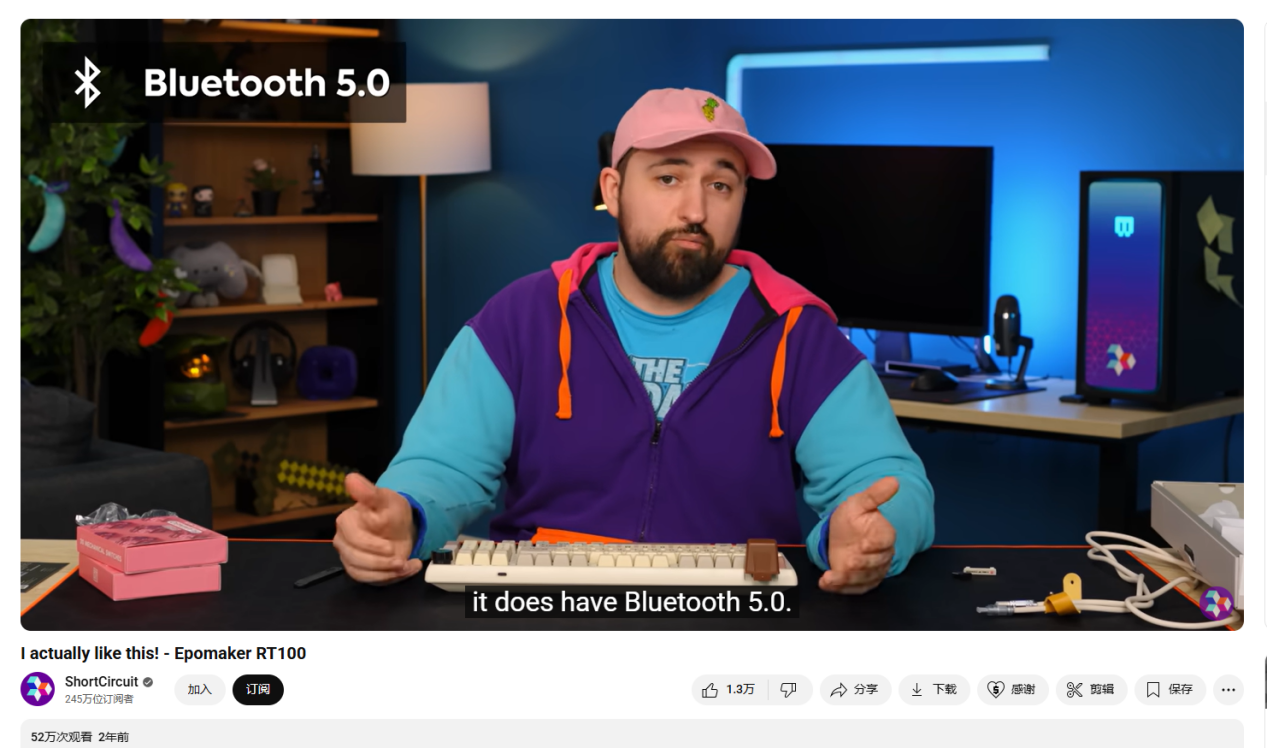
Il creator tecnologico ShortCircuit, con 2,45 milioni di iscritti, è uno dei collaboratori di Epomaker. Ha realizzato un video di unboxing e recensione per la tastiera intelligente Epomaker RT100; ad oggi, il video ha raggiunto 520.000 visualizzazioni.
Nel video, ShortCircuit ha prima mostrato il processo di unboxing dell'Epomaker RT100, spiegando i dettagli del prodotto. Poi ha eseguito una recensione d'uso, introducendo diverse funzionalità intelligenti della tastiera: connettività Bluetooth per riprodurre musica, pulsante nell'angolo in alto a destra per regolare il volume e cambiare il colore della retroilluminazione, display integrato che mostra ora, data e temperatura, ecc. Attraverso questa recensione professionale, gli utenti possono comprendere meglio le prestazioni del prodotto.
Fonte: YouTube
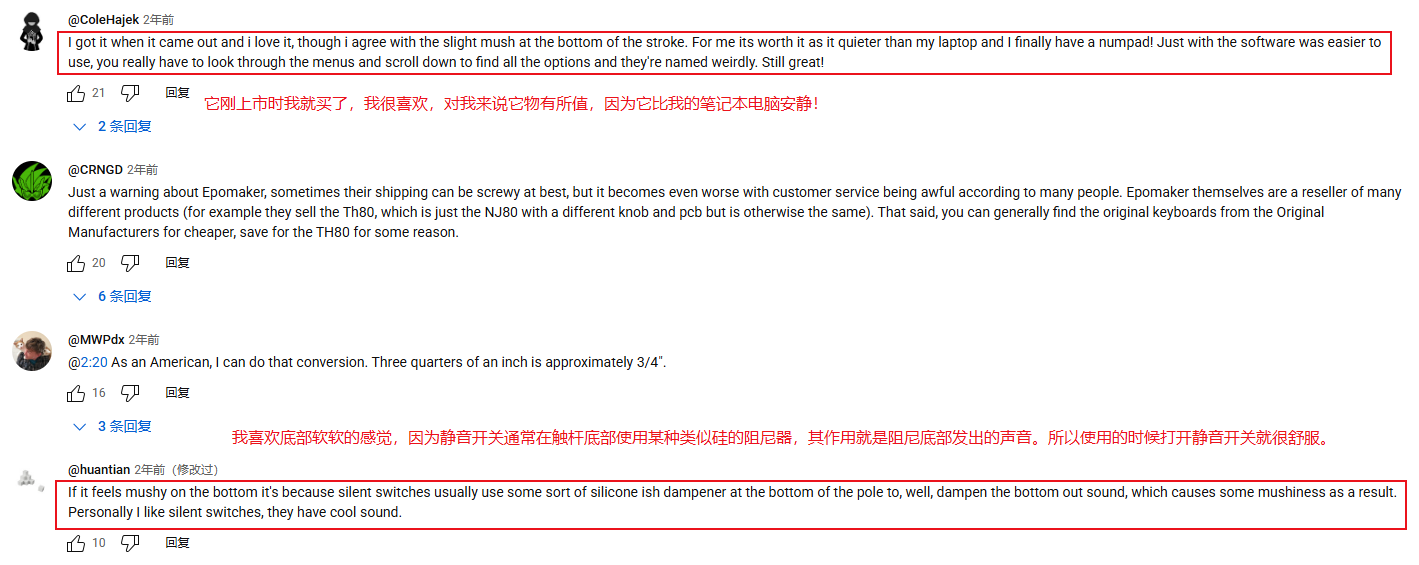
Nei commenti, oltre ai numerosi nuovi utenti invogliati che hanno espresso apprezzamento per l'Epomaker RT100, si sono riversati molti utenti già esistenti, che hanno discusso realmente delle prestazioni del prodotto:
"L'ho comprata appena è uscita, mi piace molto, per me vale il suo prezzo perché è più silenziosa del mio laptop!"
"Mi piace la sensazione morbida del fondo, perché gli switch silenziosi di solito usano una sorta di smorzatore simile alla gomma sulla parte inferiore dello stelo, che serve ad attutire il suono del fondo. Quindi usare l'interruttore silenzioso è molto confortevole."
Fonte: YouTube
Sito indipendente + piattaforme di e-commerce: promuovere insieme lo sviluppo del marchio
Per quanto riguarda la distribuzione dei canali, il marchio Epomaker non si è limitato a un unico canale di vendita, ma ha costruito una rete di vendita completa.
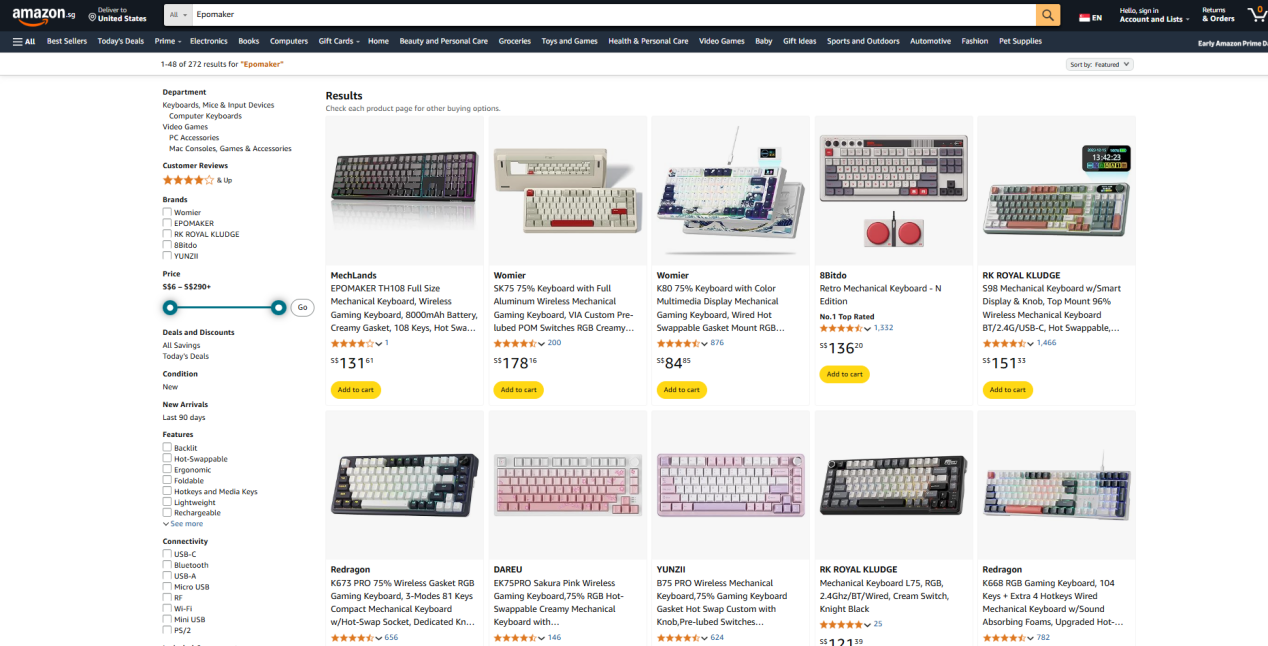
Sul fronte delle piattaforme di e-commerce, Epomaker ha scelto di essere presente contemporaneamente su piattaforme di e-commerce transfrontaliero mainstream come Amazon e AliExpress, e su piattaforme di e-commerce verticali come Etsy e Newegg, ampliando la copertura del mercato attraverso una presenza multi-piattaforma.
Fonte: Amazon
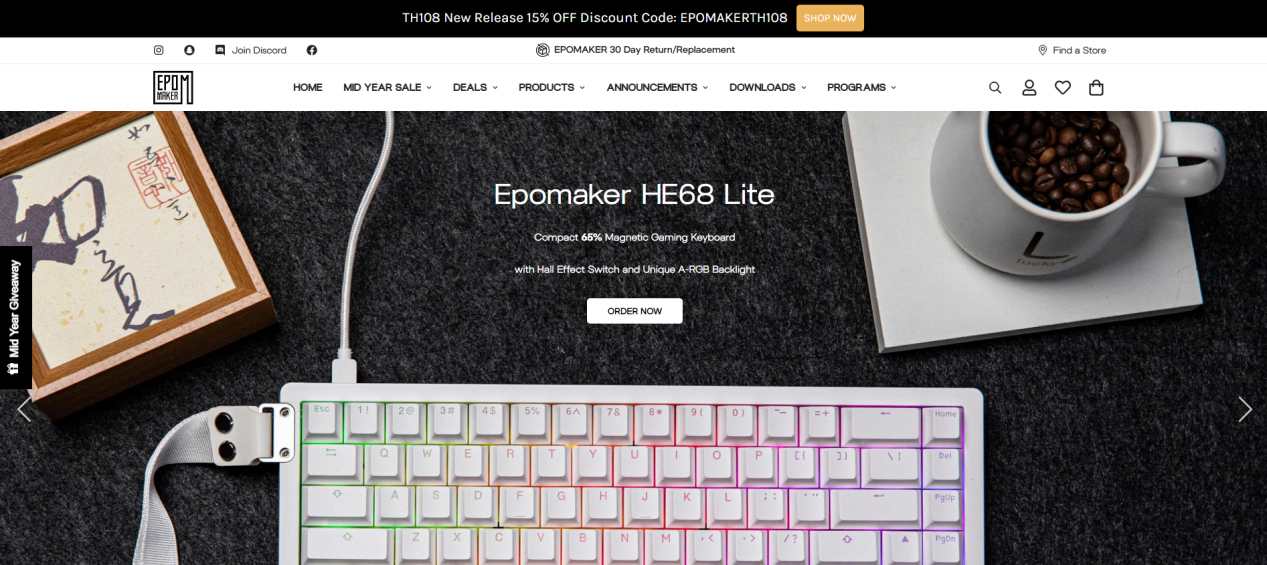
Per quanto riguarda la costruzione di canali propri, Epomaker ha anche creato con successo un sito indipendente del marchio completo, con moduli di contenuto differenziati per diversi gruppi di utenti. Per gli appassionati di tastiere, offre confronti di parametri tecnici professionali e soluzioni di modifica personalizzate; per gli utenti generici, propone un sistema di selezione intuitivo e classifiche di raccomandazione basate sul rapporto qualità-prezzo.
Questa strategia di sviluppo multi-canale coordinata ha aiutato Epomaker a diversificare i canali di vendita; entrambe le parti si completano a vicenda, promuovendo insieme la rapida crescita del marchio nei mercati esteri.
Fonte: Epomaker
Spunti per i marchi nazionali
Il caso di espansione all'estero di Epomaker dimostra che le opportunità nei mercati esteri si trovano spesso nelle esigenze di nicchia. Per i marchi hardware nazionali che desiderano espandersi all'estero, è possibile concentrarsi su tre elementi chiave:
In primo luogo, individuare con precisione le lacune del mercato; in secondo luogo, i contenuti sui social media devono enfatizzare gli scenari piuttosto che le vendite; in terzo luogo, sfruttare la distribuzione multi-canale.
Attualmente, la domanda globale di prodotti hardware personalizzabili con un buon rapporto qualità-prezzo è in costante aumento, offrendo enormi opportunità per l'espansione all'estero dei marchi nazionali.
Invece di competere all'interno di mercati saturi (red ocean), è meglio guardare al più ampio oceano blu dei mercati esteri, utilizzando la forza del prodotto e l'innovazione del 'Made in China intelligente' per ottenere il riconoscimento dei consumatori esteri e iniziare un nuovo capitolo di sviluppo del marchio.