 1660
1660Ogni anno, la seconda domenica di maggio, la Festa della Mamma scatena un'ondata di consumi in Europa e in America. Secondo le statistiche della National Retail Federation e di altre organizzazioni,Si prevede che la spesa totale per la Festa della Mamma negli Stati Uniti nel 2026 raggiungerà i 38 miliardi di dollari, stabilendo un nuovo record storico.
inNell'area statunitense di TikTok, il volume di ricerca per i regali sotto la parola chiave "mother" è schizzato alle stelle.masotto l'hashtag #mothersdayLa maggior parte del contenuto sono condivisioni.fioriheshaiUnboxingha già causatostanchezza estetica
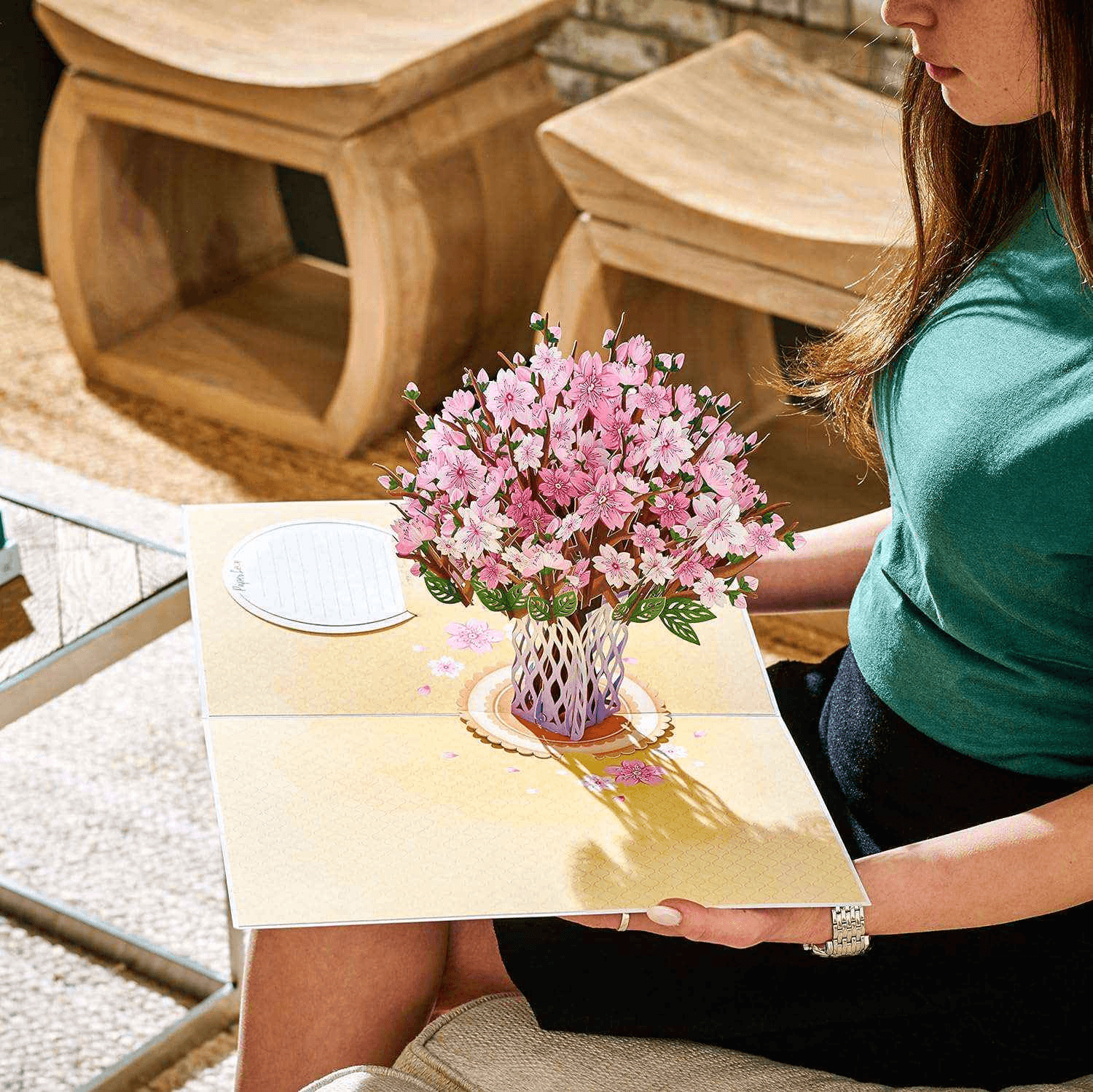
In questo momento, un'azienda chiamataIl marchio di nicchia Paper Love è emerso, e solo realizzando biglietti augurali 3D per la Festa della Mamma, si è fatto strada in mezzo a un mucchio di contenuti omogeneizzati.
Sfoglia il piùvicino30 giornidati del backend,Il negozio del marchio, solo biglietti d'auguri, giàVenduto5.5410.000 ordiniGMVfare73.68diecimila dollari USA, circa501.07diecimilarenminbi。
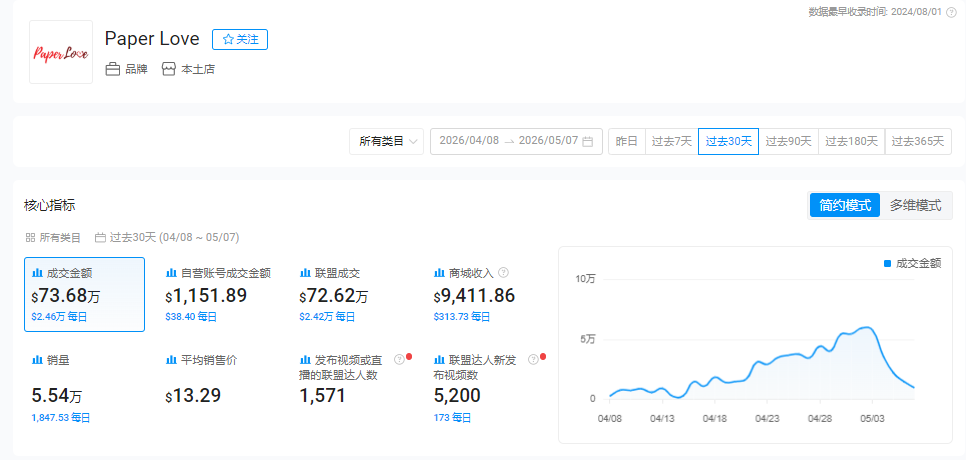
Fonte:Kalodata
ConiugiPiccolo laboratorio,Come mai è diventato un biglietto di auguri?pistadila superstar
Nel settore dei biglietti d'auguri, considerato da tutti antiquato,Paper Love ha ottenuto risultati di livello superiore.
marchio Paper Love 2018appena costituito,Originariamente è stato dai coniugi Kayla e Joel MayerÈ diventato un negozio gestito da una coppia., sede centraleinStati Uniti,appartienePiccola impresa familiare.
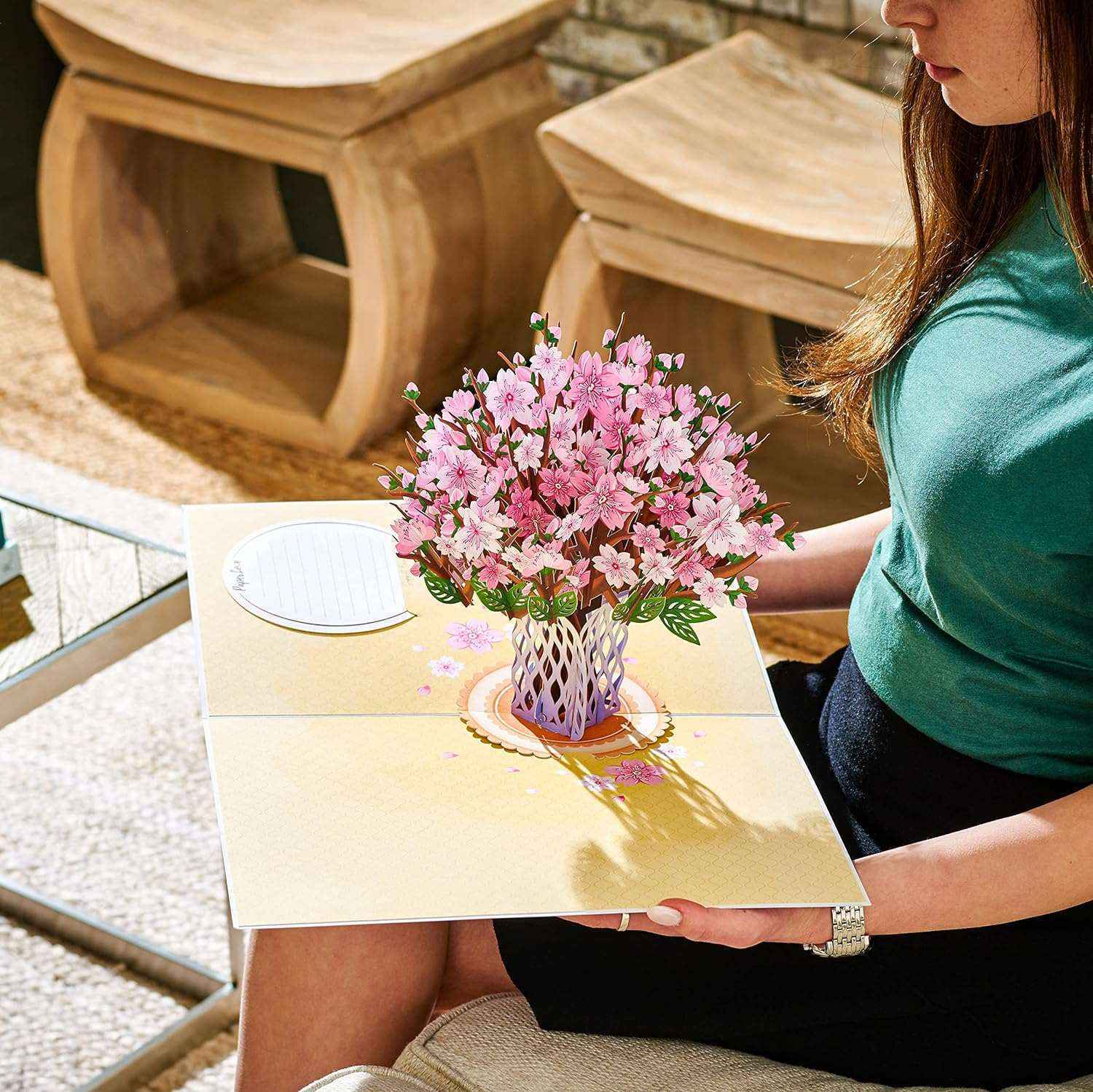
eSul mercatoQuelle banali cartoline augurali stampate in serie sono diverse.,Paper Love ha scelto fin dall'inizio una strada difficile.。I loro biglietti pop-up usano tuttiCartoncino di qualità artigianale europea di prim'ordinee diventa,Ogni cartaSìVietnamlocaleartista di origami e taglio della cartaprogettazione dedicata,Infine, di nuovo completo.artigianalescolpito。
Nelle prime fasi dello sviluppo del marchio,Paper Love si affida alla piattaforma Amazon per aumentare le vendite.
perchéLa qualità è simile a quella di prodotti artigianali di alta gamma, la gamma di prodotti è completa, con modelli per compleanni, matrimoni, lauree, Natale, San Valentino, Festa della Mamma, Festa del Papà e altre festività importanti. Su Amazon ha accumulato oltre diecimila recensioni a cinque stelle, ed è stata ancheMedia noti come Wirecutter lo hanno raccomandato.
aNel 2024, il marchio ancoraottenerel'industria americana dei biglietti d'auguridi alto valorediNomination per la categoria "Ingegneria e innovazione della carta" del Louie Award,La professionalità nel settore dei biglietti d'auguri è stata definitivamente affermata.。
Fonte immagine:Paper Love
Settore in declino?Biglietto d'auguriIn realtà èunche guadagna sulle emozionigrande affare
Parlando del settore dei biglietti d'auguri, la prima reazione di molti è“settore in declino”。Oggi i social media sono così sviluppati, chi spenderebbe soldi per comprare un pezzo di carta? Ma i dati reali del mercatoNon è affatto così.。
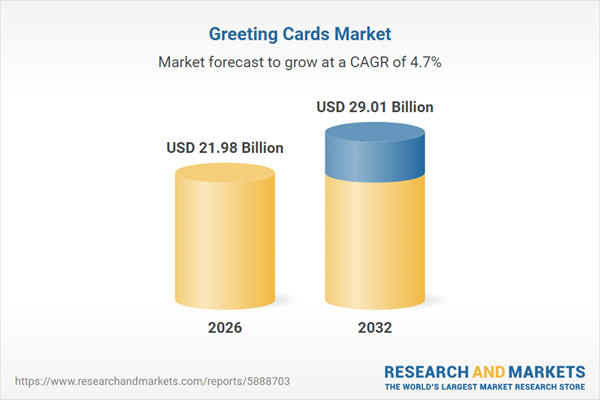
Sfogliando l'ultimo rapporto di settore,2026dimensione annua del mercato globale dei biglietti d'auguricirca21.98 miliardi di dollari, 2032annopuò aumentare a29.01 miliardi di dollari, tasso di crescita annuale composto (CAGR)ha4.7%。
Anche nel mercato statunitense, dove le comunicazioni digitali sono estremamente sviluppate, il settore dei biglietti d'auguri non si è ridotto. I dati mostrano che,2025 il mercato statunitense dei biglietti d'auguri è di circa 7.12 miliardi di dollari, e si prevede che entro il 2033 crescerà fino a 8.07 miliardi di dollari.
Fonte immagine:research and markets
Allo stesso tempo,modernoPreferenze dei consumatori per i regali,anchedareCategoria biglietti d'auguriaccumulato abbastanza bisogni concreti。
Federazione Nazionale del Commercio al Dettaglio (I dati di ricerca di NRF) mostrano che il 74% dei consumatori per la Festa della MammariunioneAcquistare fiori e biglietti d'auguri, i biglietti d'auguri sono sempre stati tra i regali delle feste.Opzione obbligatoria。E ora il biglietto d'auguri non è più un semplice accessorio del regalo, ma sta diventando il protagonista.
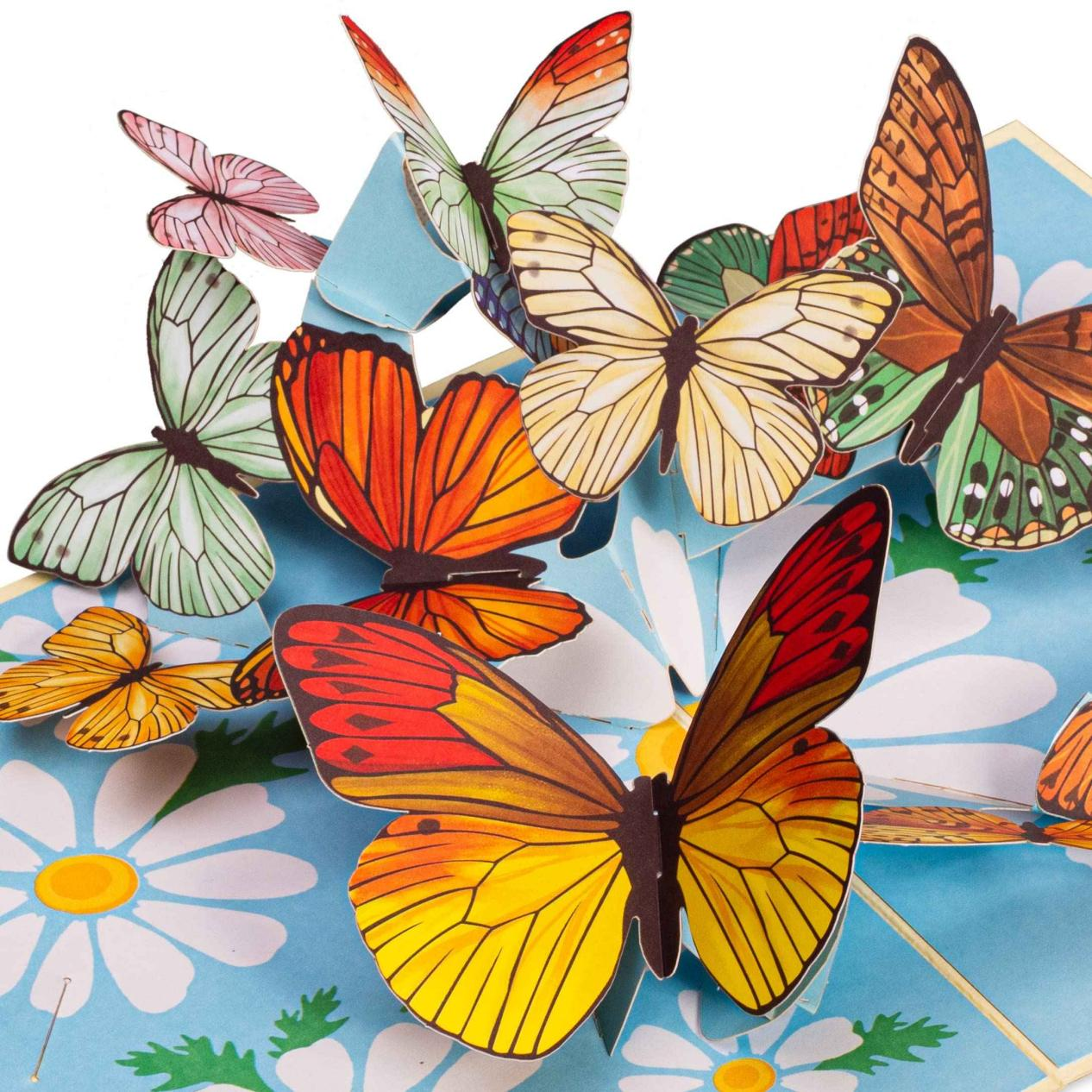
Due anni a scorrereSu TikTok si può scoprire,Buona fatturadiI biglietti d’auguri 3D non sono più solo un accessorio dei regali; di per sé possiedono un sufficiente valore emotivo e un alto potenziale di discussione sociale.,L'impatto visivo nell'aprire il biglietto, la raffinata struttura di carta, la possibilità di essere conservato a lungo come decorazione per la casa rendono il biglietto d'auguri il protagonista assoluto.forza。
Fonte immagine:Paper Love
nobuttare soldiFare pubblicità dura, affidarsidilettantecontenutostrusciareMilioni di impressioni
SeIl successo di Paper Love sul mercato è attribuito alla differenziazione del prodotto, ma è solo una mezza verità: ciò che l'ha davvero fatta emergere tra la massa è che ha capito la logica dei contenuti di TikTok.
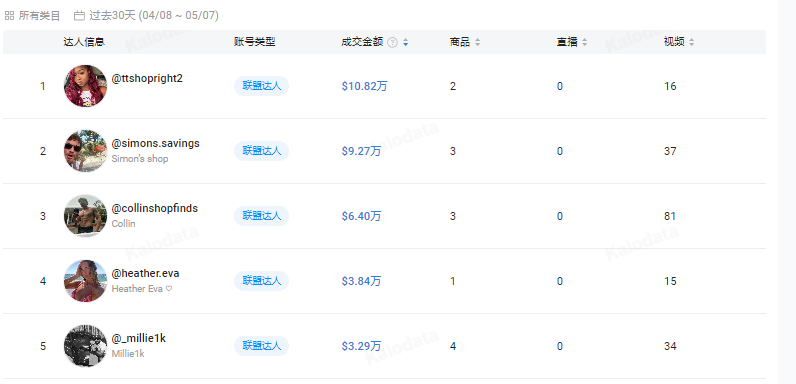
conAltri marchi spendono soldi in pubblicità, ingaggiano i topKOL nouguale,di Paper LoveIl gameplay è molto selvaggio.。Ultimamente30 giorni,da loroTotale trovato dal negozio TikTokgià1591Un influencer di prodotti, ha pubblicato5200 pezziVideo promozionali. Questi influencer sono per lo più fan.Poco ma sembra particolarmente reale.dei piccoli e medi creatori, modalità di venditaanchesobriofino all'assurdo。
Fonte immagine:kalodata
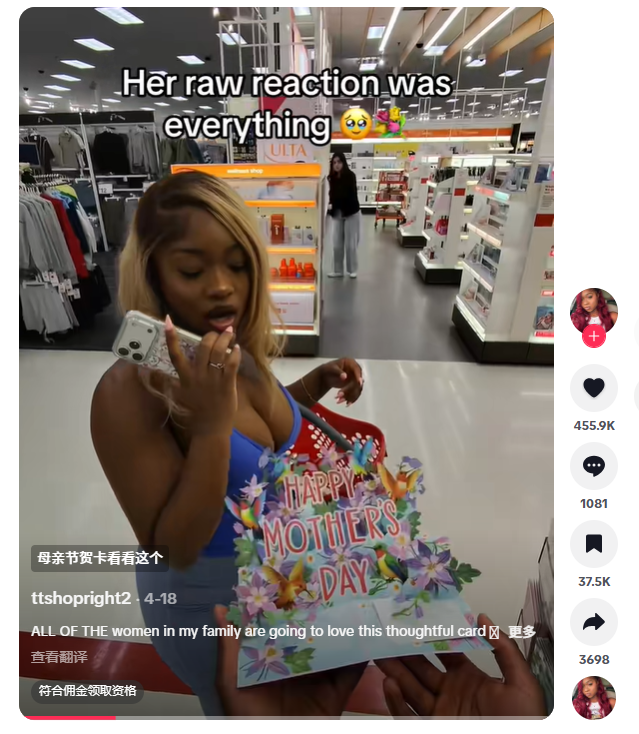
Il video più virale tra questi proviene dainfluencer@ttshopright2。
Contenuto del videoNon è la solita presentazione diretta del prodotto, ma una scena di shopping al supermercato: il blogger è indeciso su cosa scegliere tra una pila di regali, quando la telecamera inquadra la sezione dei biglietti d'auguri, proprio in quel momento un passante porge un bigliettoIl biglietto di Paper Love, una volta aperto davanti alla telecamera, stupisce tutti.
Questa piccola scenetta di raccomandazione casualeha fatto sì chequesto video ha raggiunto direttamente18,3 milioni di visualizzazioni, ha generato oltre 5280 ordini, con un fatturato di quasi 66.300 dollari.
Fonte immagine:TikTok
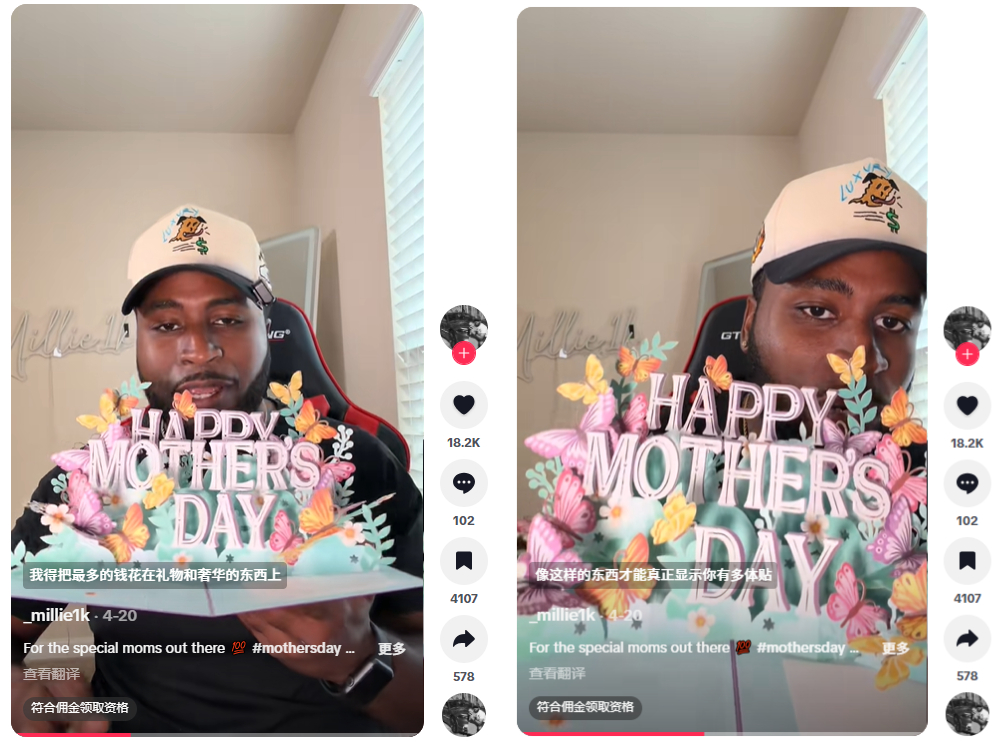
Un altro video virale di vendita ha invece seguito una linea emotiva.
Un blogger maschile adotta una prospettiva femminile per condividere il vero significato del fare regali: le auto di lusso e le borse firmate possono essere simboli di cerimonia, ma un biglietto scritto dal cuore è altrettanto commovente. Questo tipo dinon spingere aggressivamente il prodotto,puntando sucontenuti che suscitano empatia emotiva,ha direttamenteportato quasi1600 ordini,e le visualizzazioni hanno superato4,7 milioni di volte.
Fonte immagine:TikTok
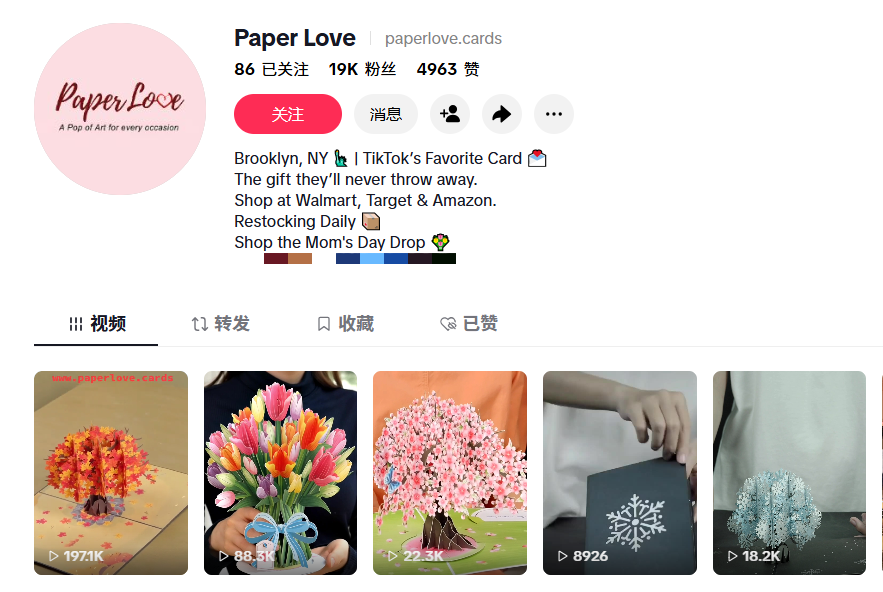
Nel cercare collaborazioni con influencer,Paper Loveda séanchesemprestagestireufficialeaccount TikTok。
Fino ad ora, l'account ufficiale del marchio@paperlove.cardsha già ottenuto19.000 follower, contenuti incentrati sulla presentazione dei prodotti, stile semplice e diretto, incentrato sul concetto chiave di “the gift they'll never throw away” (il regalo che non butteranno mai via).
Fonte immagine:TikTok
Oltre alla Festa della Mamma,Anche Paper Love ha ottenuto risultati notevoli in altre festività.
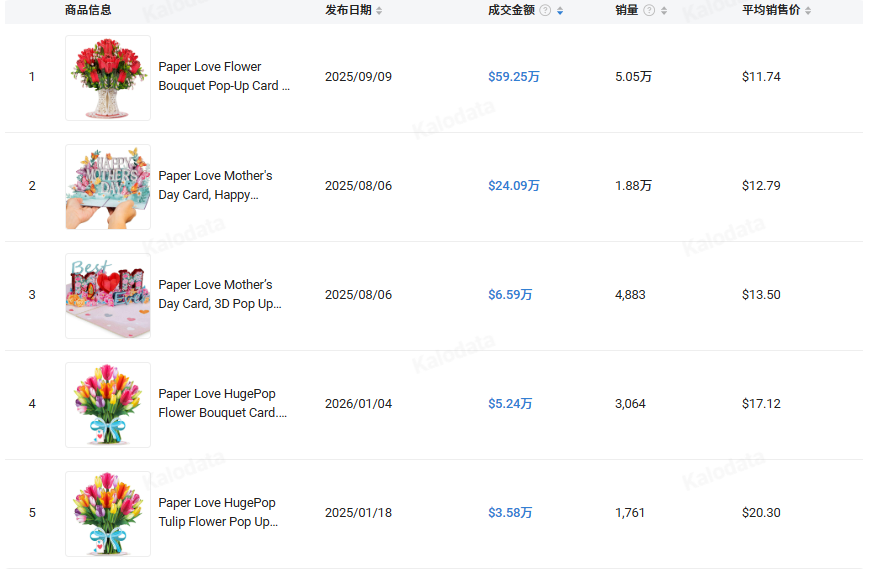
Secondo il monitoraggio dei dati della piattaforma,Una cartolina 3D a forma di bouquet, lanciata a settembre 2025, ha avuto una crescita esplosiva alla vigilia di San Valentino 2026: in 7 giorni ha venduto 7.554 unità, con un fatturato di 113.200 dollari. Fino ad ora, le vendite totali di questa cartolina si sono accumulate a59.25migliaia di dollari, e la popolarità continua a salire.
Fonte immagine:kalodata
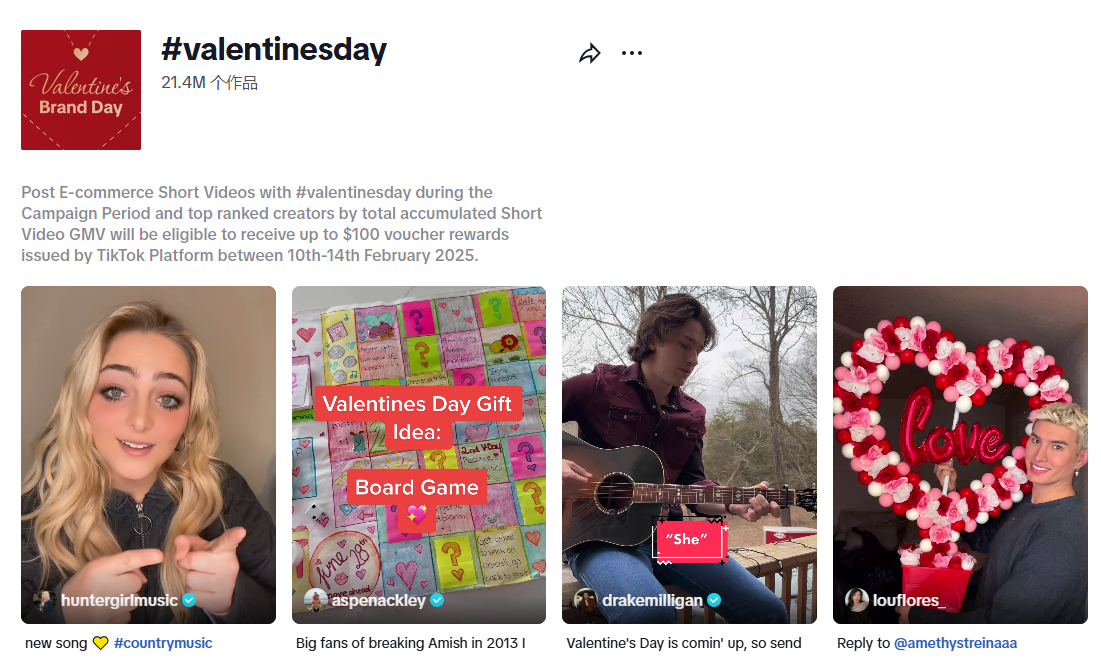
Attualmente,L'hashtag “#ValentinesDay” su tutta la piattaforma TikTok ha già ottenuto oltre 88,5 miliardi di visualizzazioni globali, e i video correlati superano2140migliaia di video.
In un bacino di traffico così enorme, Paper Love può continuare a trarre vantaggio, per un motivo molto semplice: partire da bisogni emotivi reali, trasformando ogni cartolina in un contenuto sociale che tutti vogliono fotografare, condividere e pubblicare sui social.
Fonte immagine:TikTok
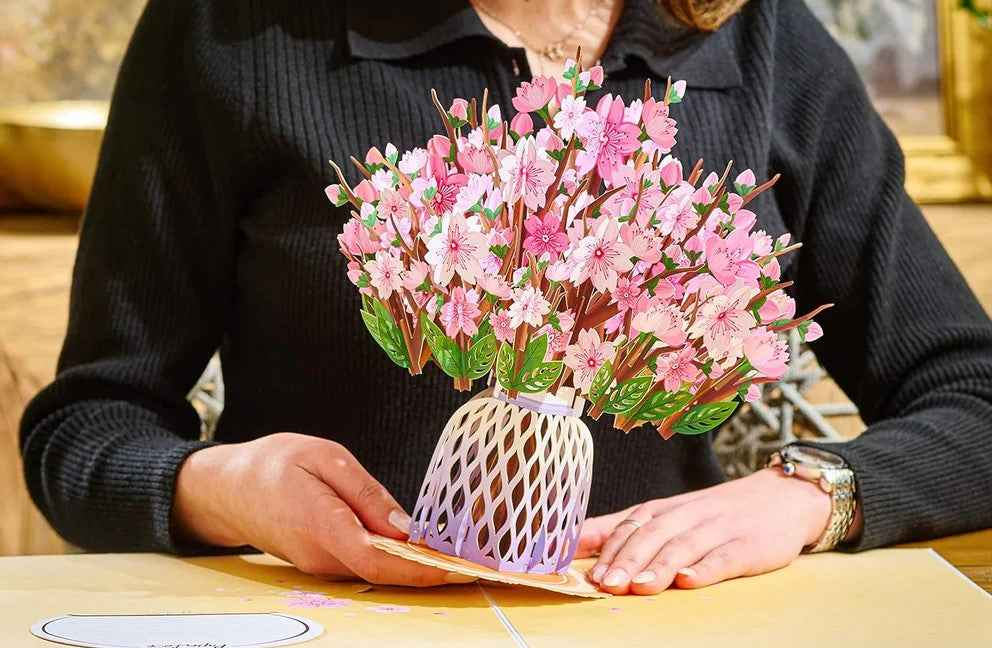
Ora le cartoline non sono più pezzi di carta inutili che si scrivono e si buttano; possono essere appese come decorazione da collezione, e possono essere condivise sui social. Il loro valore aggiunto è naturalmente molto più alto delle cartoline tradizionali, e sono addirittura più preziose di molti regali materiali.
I venditori che operano sui mercati esteri sanno che, per prodotti non essenziali come questi, con bassa frequenza di acquisto e trainati dalle festività, per avere successo non serve affatto abbassare i prezzi, basta lasciare un'impressione emotiva indimenticabile nei consumatori durante gli scenari di consumo o regalo.
Fonte immagine:Paper Love
Conclusione
Solo un piccolo biglietto d'auguri, un piccolo marchio di famiglia, senza spendere molto ha smosso un mercato così grande,Paper Love investe il premium in design e valore emotivo, la conversione del traffico si basa su contenuti autentici su TikTok, entrambi i passaggi non sono grandi mosse,MaL'effetto messo insiemeinvece è piuttosto notevole。
A dire il vero,Il mercato estero non ha mai mancato di domanda, ciò che manca è il modo di far incontrare domanda e prodotto. I biglietti d'auguri sono solo un piccolo esempio. Molte categorie che sembrano tradizionali o addirittura obsolete, purché si trovi un modo diverso di giocare, abbinato a una promozione di contenuti adeguata, possono comunque ottenere buoni risultati.
L'attuale mercato estero, dai regali festivi ai prodotti culturali e creativi quotidiani, dadall'arte della carta 3D agli accessori personalizzati, in ogni piccola categoria ci sono buone opportunità non ancora scoperte. La concorrenza c'è sicuramente, ma invece di lottare sui prezzi e sulle spedizioni nel mare rosso, è meglio pensare se il proprio prodotto può, in qualche scenario, dare ai consumatori un piccolo piacere inaspettato?