 1931
1931
Se stai ancora considerandoTikTok solo come una piattaforma di intrattenimento per guardare video brevi e fare vendite, potresti già essere un po' fuori dal suo ritmo.
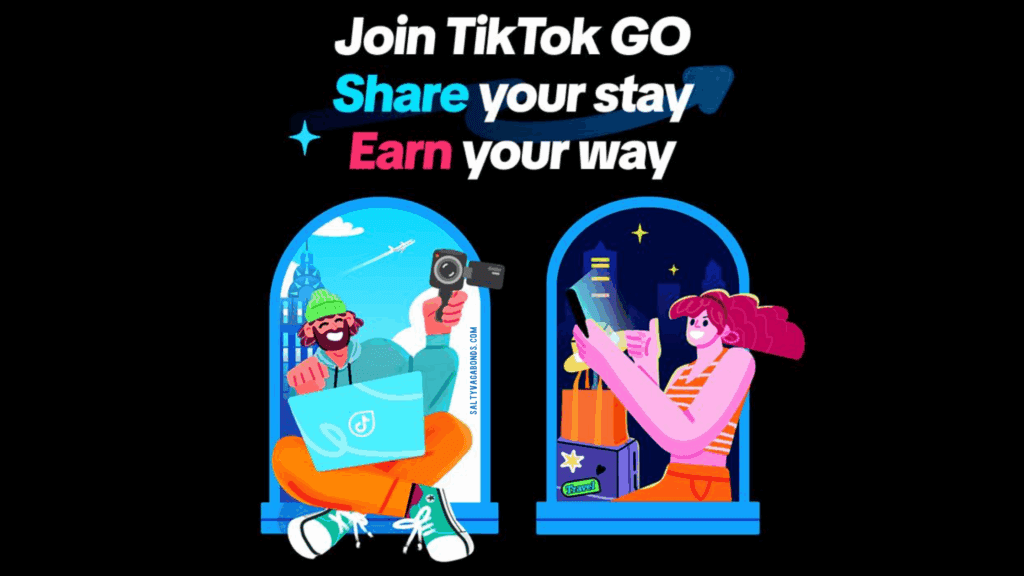
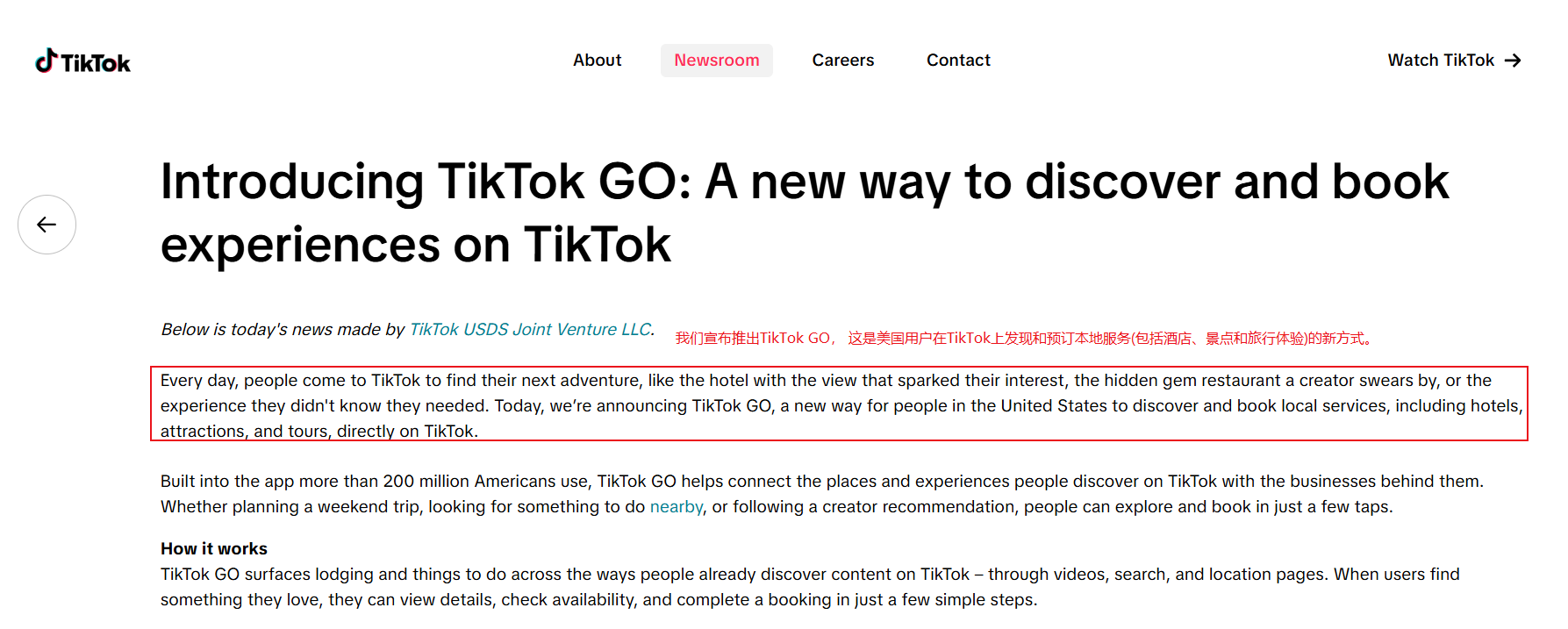
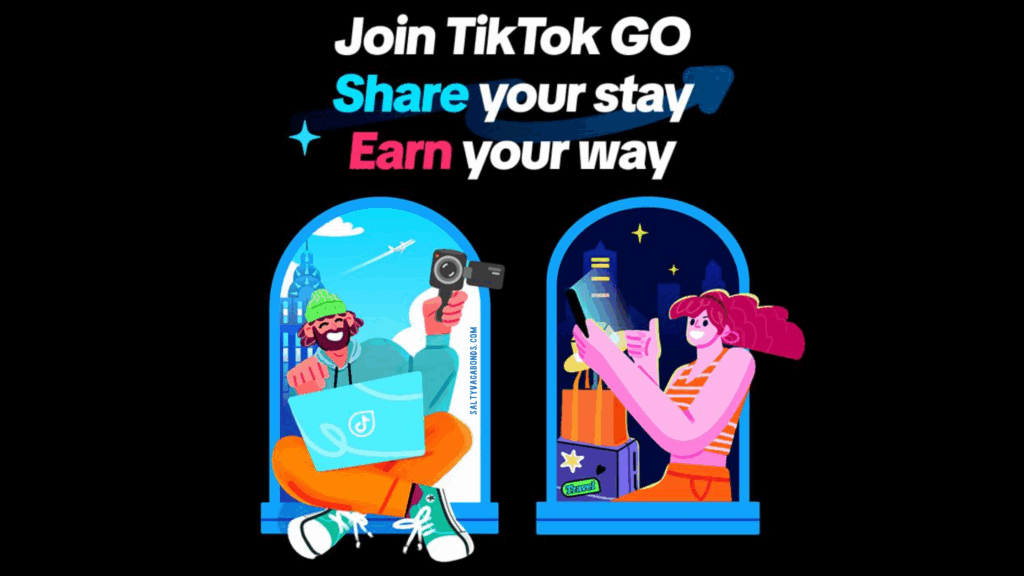
Recentemente,TikTok ha lanciato nel mercato statunitense una nuova funzionalità chiamata “TikTok GO”, che consente agli utenti di prenotare direttamente hotel e attrazioni all'interno dell'app.
Dal guardare video e lasciarsi ispirare all'ordinare con un clic e completare il pagamento, l'intero processo non passa più attraverso piattaforme di terze parti. Questo passo sembra solo aggiungere un accesso per le prenotazioni di viaggio, ma in realtà segnache TikTok sta accelerando la sua evoluzione verso una “super app”.
Fonte immagine:newsroom.tiktok
Aggiornamento funzionale: dall'ispirazione dei contenuti al ciclo chiuso dei servizi
Questa nuova funzionalità lanciata,TikTok GO, il cambiamento principale è nel colmare l'“ultimo miglio” tra la navigazione dei contenuti e il consumo offline.
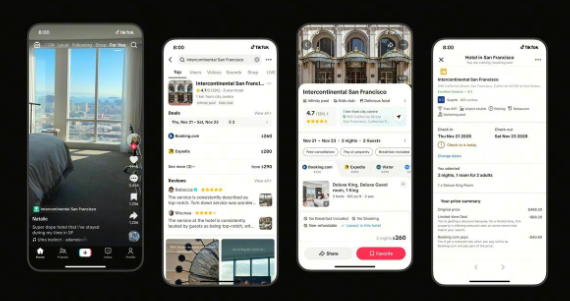
In passato, gli utenti suTikTok vedevano un hotel o un'attrazione interessante e spesso dovevano fare screenshot, cercare e passare ad altre piattaforme di viaggio per completare la prenotazione. Ora, invece, tramite video, pagine di ricerca o pagine dettagliate sulla posizione, gli utenti possono visualizzare direttamente i tipi di camere, i prezzi, le recensioni e completare il pagamento sul momento.
Questa modifica non solo migliora la fluidità dell'esperienza utente, ma rende ancheTikTok più direttamente competitivo con Google Search e Google Maps nel settore dei servizi per la vita locale.
In realtà, non è la prima volta cheTikTok fa un passo verso una piattaforma di servizi integrati. Già prima di TikTok GO, la piattaforma aveva integrato negli Stati Uniti informazioni sui POI locali (punti di interesse) come valutazioni dei ristoranti e orari di apertura.
Con la funzione di ricerca gradualmente perfezionata, gli utenti sono già abituati acercare su TikTok informazioni su cosa mangiare, bere e divertirsi nelle vicinanze. Ora, aggiungendo la fase di prenotazione e pagamento, il ciclo chiuso dall'ispirazione dei contenuti alla realizzazione del servizio è ufficialmente formato.
Fonte immagine:Google
L'infrastruttura finanziaria progredisce insieme, la struttura dei ricavi diventa più diversificata
La prenotazione di viaggi è solo una mossa nella partita. Secondo quanto rivelato,TikTok ha richiesto due licenze fintech alla Banca Centrale del Brasile, rispettivamente una licenza per conti prepagati e una licenza per credito diretto. Una volta approvate, gli utenti potranno in futuro depositare denaro, pagare e persino prendere in prestito direttamente nell'app. Ciò significa che TikTok sta cercando di costruire la propria infrastruttura finanziaria, non solo di dipendere da canali di pagamento di terze parti.
Considerandole prestazioni di TikTok Shop nel mercato statunitense, questa direzione non sorprende. I dati mostrano che nel 2025 il GMV di TikTok Shop negli Stati Uniti ha raggiunto 158,2 miliardi di dollari, pari al 18,2% della quota di e-commerce del traffico social. La rapida crescita del volume delle transazioni di e-commerce richiede oggettivamente strumenti di pagamento e gestione dei fondi più stabili e a basso costo.
Nel frattempo, anche gli annunci di ricerca, le prenotazioni di servizi locali, i pagamenti per micro-drammi, gli acquisti in-app per giochi casual, ecc. stanno gradualmente prendendo piede. L'unico settore che per il momento si è ritirato è lo streaming musicale——TikTok Music, chiuso nel 2024, è diventato partner di indirizzamento per Apple Music.
Nel complesso,TikTok sta colmando progressivamente i vari moduli di servizio, avanzando costantemente verso una super app che integra contenuti, e-commerce, viaggi, finanza, ricerca, micro-drammi e giochi.

Fonte immagine:Google
La logica del traffico è cambiata, ci sono più percorsi di conversione.
Di fronte aQuesta serie di azioni di TikTok spinge i marchi e i venditori cross-border a riconsiderare le proprie strategie operative. Il cambiamento più diretto è che la conversione del traffico non passa più solo attraverso la vendita di e-commerce.
In passato, l'attenzione principale dei venditori era concentrata sula vendita tramite video brevi e live streaming su TikTok Shop, con il traffico che terminava nel carrello e nella pagina prodotto. Ora, con il lancio dei servizi locali e delle prenotazioni di viaggio, un utente potrebbe completare una prenotazione direttamente dopo aver visto un video sull'esperienza in un hotel, oppure potrebbe ricevere raccomandazioni di prodotti o servizi vicini mentre visualizza la pagina POI di un ristorante.
Per i brand cross-border legati a prodotti fisici, come attrezzature da viaggio, articoli per esterni e esperienze locali, ciò significa nuovi scenari di visibilità e conversione.
Ancora più degno di nota,la funzione di ricerca di TikTok sta diventando sempre più importante. Sempre più utenti iniziano a usare TikTok come strumento di scoperta e decisione, cercando attivamente 'consigli sugli hotel in un luogo' o 'guide di viaggio per una città'.
Se un marchio riesce a posizionarsi in questi risultati di ricerca con contenuti di qualità, ha l'opportunità di creare consapevolezza nelle fasi iniziali delle decisioni degli utenti. Non è solo una questione di pubblicità, ma mette alla prova la pianificazione dei contenuti e la capacità di posizionamento delle parole chiave.
Fonte immagine:Google
La competizione nell'era delle super app è solo all'inizio.
Dai video brevi all'e-commerce, dalla ricerca alle prenotazioni di viaggio, dai contenuti alla finanza,il percorso di espansione di TikTok è chiaro e deciso.
TikTok GO è solo un tassello, ma il segnale che lancia è abbastanza chiaro: la piattaforma non si accontenta più di essere un 'intermediario' del traffico, ma vuole mantenere tutta l'attenzione, le decisioni, le transazioni e persino la gestione finanziaria degli utenti all'interno del proprio ecosistema.
Per i venditori cross-border e i brand in espansione all'estero, questa è sia una sfida che un'opportunità. La sfida è che i costi e i metodi di acquisizione del traffico stanno cambiando, e le vecchie strategie basate solo su video virali devono essere aggiornate; l'opportunità è che ci sono più canali di conversione, e i brand possono connettersi con gli utenti attraverso contenuti, ricerca, servizi locali, e-commerce, finanza e altro. Se si pianifica in anticipo, si può prendere il vantaggio nella prossima fase della competizione.
Il percorso di TikTok verso la super app non sarà immediato, ma la direzione è chiara. Invece di aspettare il cambiamento, è meglio adattarsi attivamente. Da oggi, vale la pena prestare attenzione se la tua categoria di prodotto potrebbe interagire con servizi locali, ricerca e prenotazioni: forse il prossimo punto di crescita si nasconde in queste nuove funzionalità.