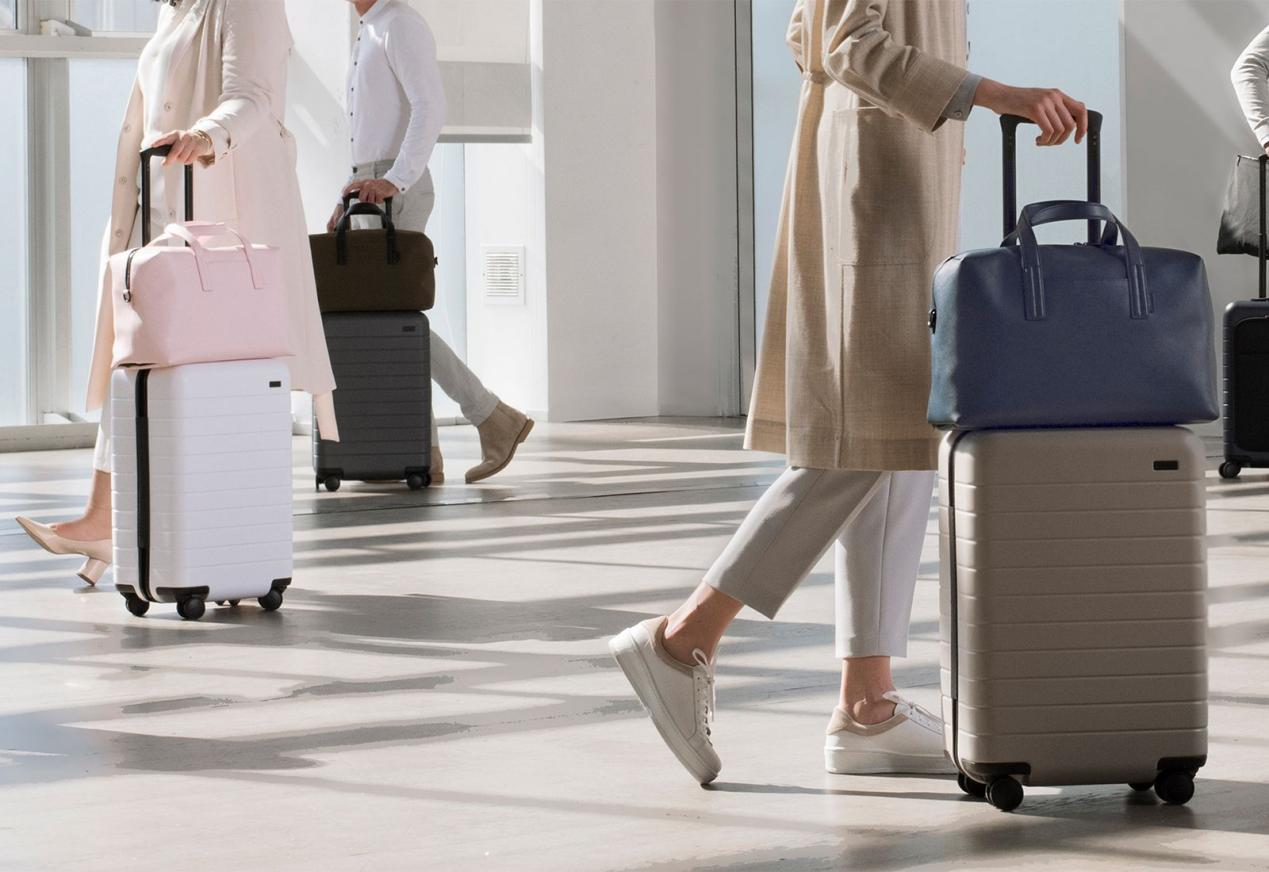
The global recovery of the tourism industry and the surge in business travel demand are driving the luggage market into a new growth cycle. In 2022, the global luggage market reached $340 billion, and it is expected to exceed $450 billion by 2028.
In this sector, traditional giants like Rimowa and Tumi have long held dominant positions, but the needs of young consumers have quietly changed. In addition to durability, they now seek personalized designs, smart features, and lightweight experiences.
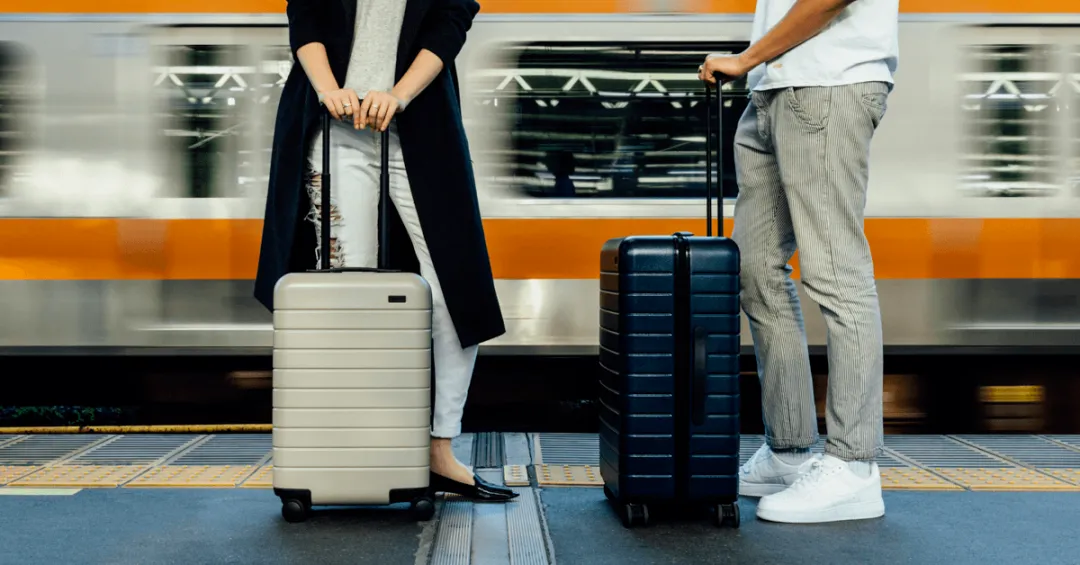
It is precisely this market gap that has allowed a batch of emerging brands to rise rapidly,the American luggage brand Away being a typical representative.
Image source: Google
Founded in 2015, Away achieved $125 million in revenue and became profitable in just three years; by 2019, its valuation had surpassed $1.4 billion (approximately RMB 10 billion), with over one million suitcases sold cumulatively.
A startup story born from pain points
It is understood that the reason for the birth of the Away brand was that one of the founders, Jen Rubio, discovered during her travels that the suitcases on the market were either too bulky or had single functions, and even had unreasonable designs that made security checks cumbersome and time-consuming.
So, Jen Rubio contacted her former colleague Steph Korey, who also worked at eyewear e-commerce company Warby Parker, and decided to redefine the value of suitcases and create a truly user-friendly luggage brand.
To validate market demand, they interviewed a thousand travel enthusiasts and identifiedthree major pain points of traditional products: overweight affecting portability, inefficient compartment design, and easily damaged materials. Based on this, Away brand started its product development journey with the core concept of "designed by travelers, for travelers".
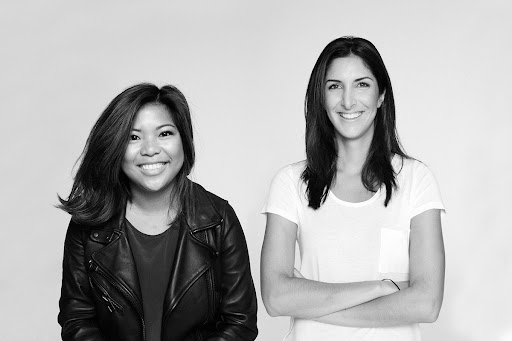
Founders group photo Image source: Google
Defining core competitiveness by user needs
The design of Away's suitcases has always revolved around real user scenarios.
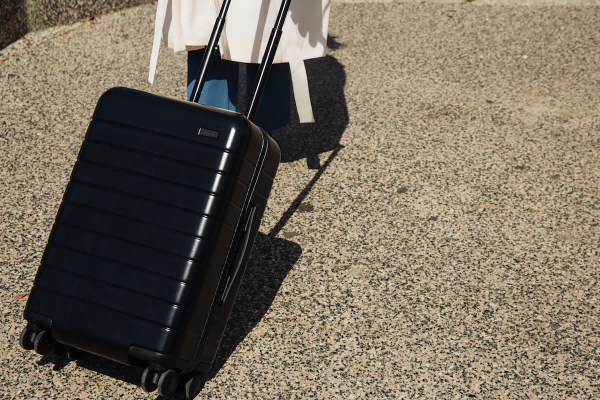
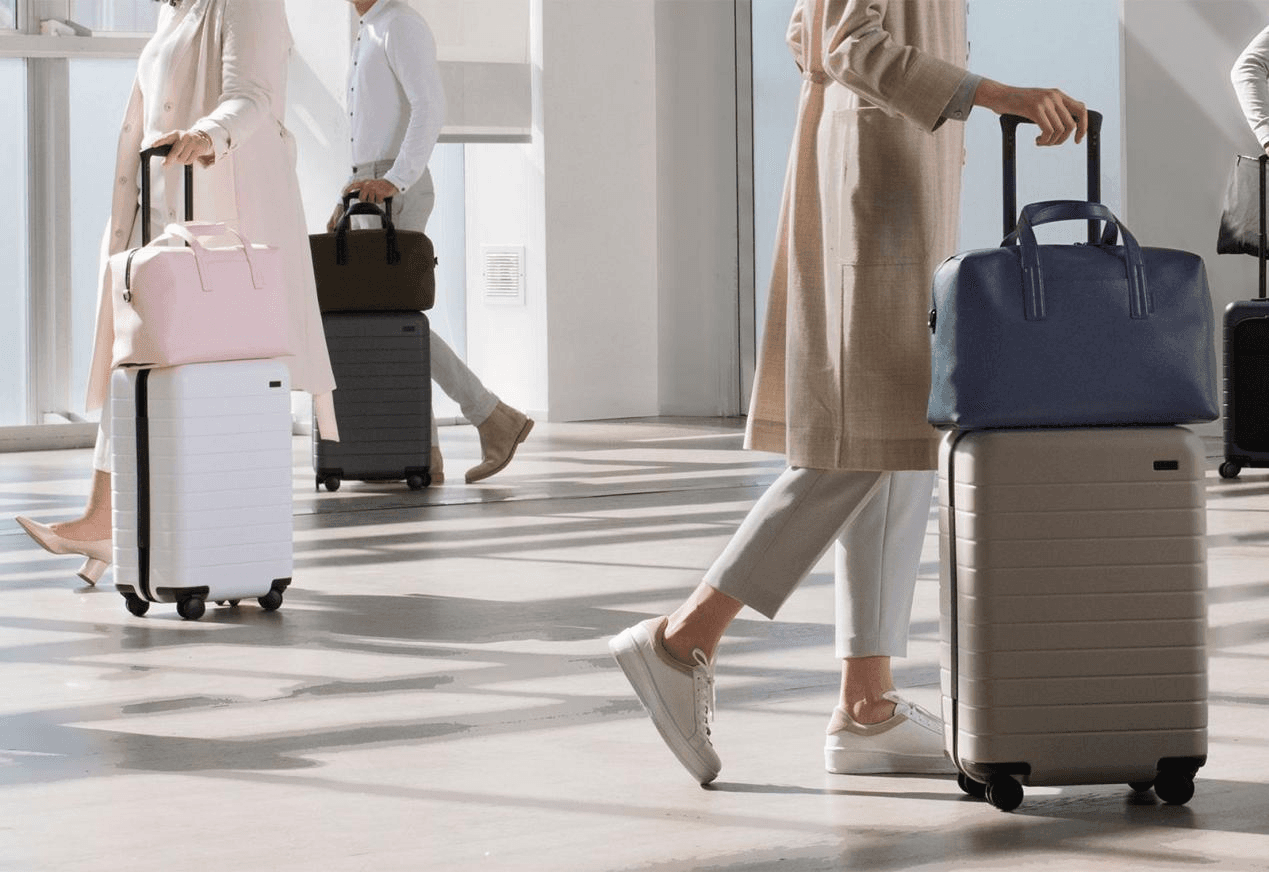
First, they innovated with lightweight design, with the suitcase weighing only 3.3 kg, 8% lower than the industry average, reducing the travel burden for users. The polycarbonate shell enhances drop and wear resistance, allowing the suitcase to withstand dragging and rough handling during travel and transportation.
Image source: Google
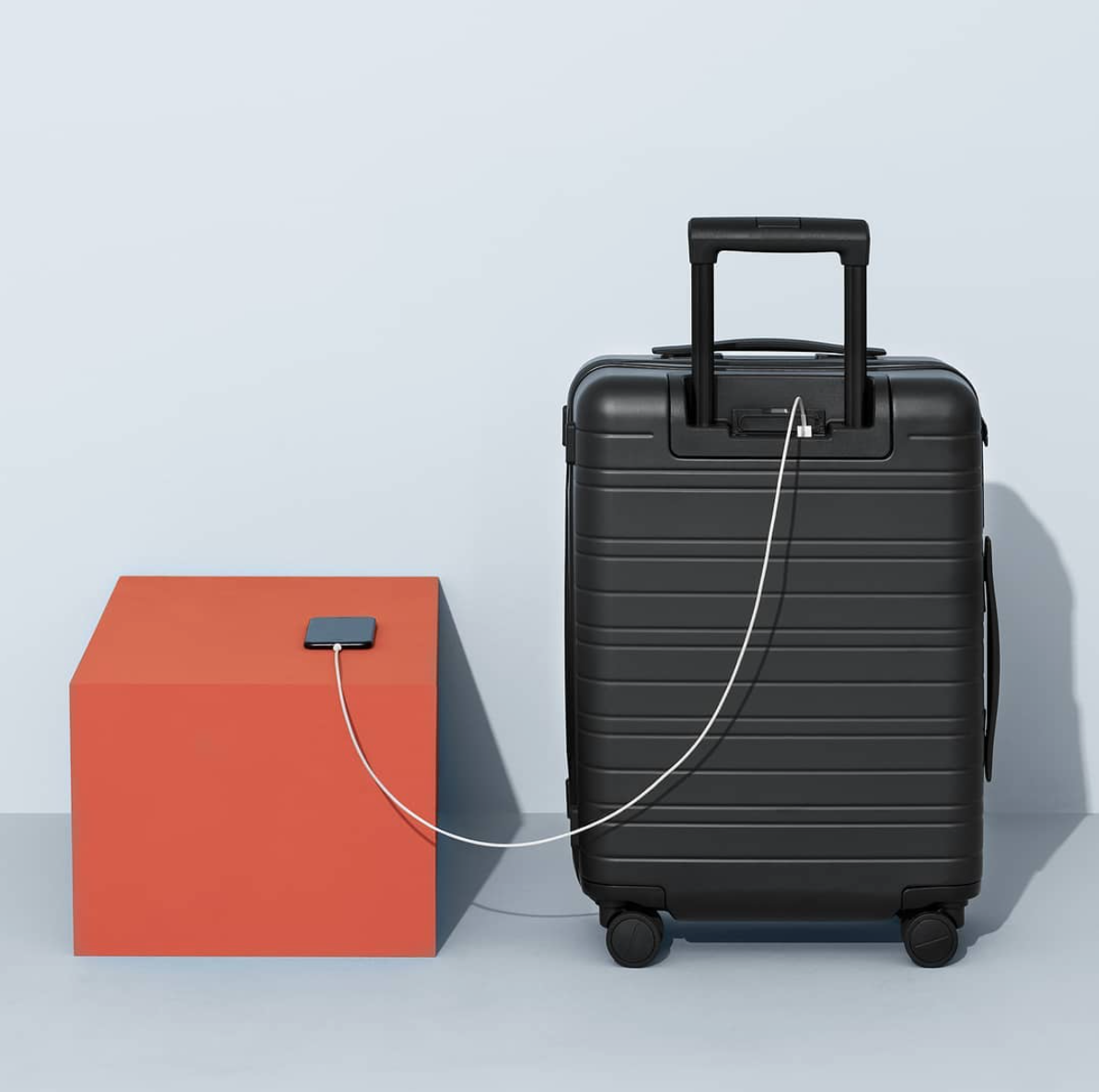
To meet the needs of the younger generation, Away also launched a smart suitcase that can charge mobile phones, with a built-in 10,000 mAh lithium battery to solve the airport charging problem for users. If the suitcase needs to be checked in, the built-in lithium battery can be removed. Additionally, it is equipped with a TSA-certified combination lock to ensure user safety.
Image source: Google
Regarding storage issues, Away's suitcases have also made significant improvements, with a three-zone compartment design paired with a waterproof laundry bag, which prevents clothes from wrinkling and improves space utilization.
These improvements may seem minor, but they precisely address the essential needs of frequent travelers.
In the first year of Away's product launch,50,000 suitcases were sold, with sales exceeding $12 million, approximately RMB 87.08 million.
Multi-channel layout: from content marketing to scenario-based experiences
Away brand knows well that product advantages need to be matched with precise channel strategies to reach the target audience.
To this end, the brand builds a travel lifestyle community through diversified content, launching an independent magazine "here" to attract travel enthusiasts with in-depth travelogues and destination guides; it also developed the podcast "Airplane Mode," inviting designers and travel bloggers to share industry insights and tell Away's brand story from different perspectives, subtly strengthening the brand's professional image.
Image source: Google
On social media, Away chose TikTok and YouTube as its main platforms.
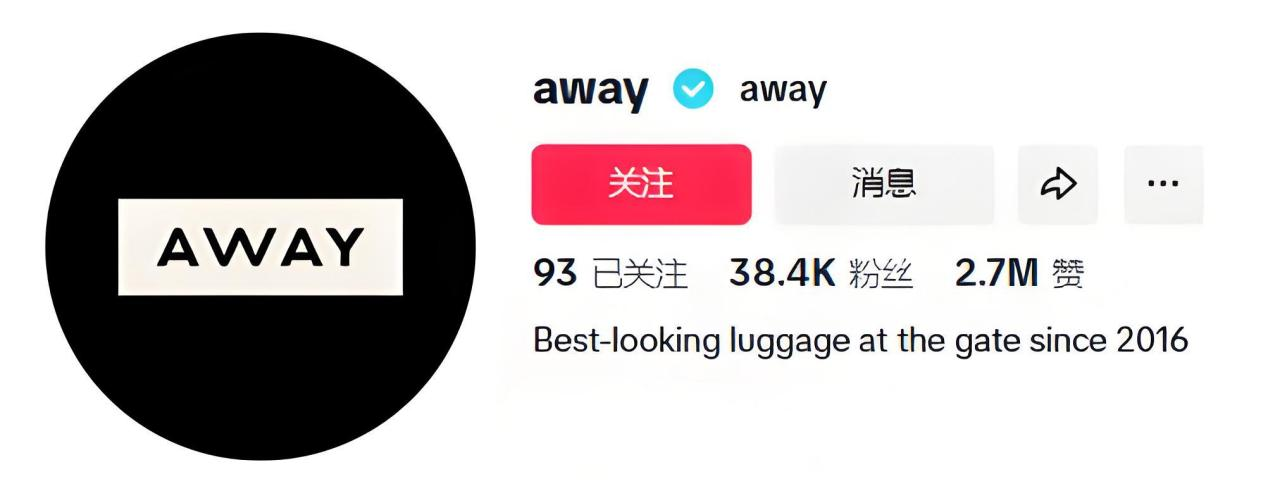
Reportedly, Away joined TikTok in 2021, and as of now, its TikTok account @away has 38,400 followers but has received 2.7 million likes.
Image source: TikTok
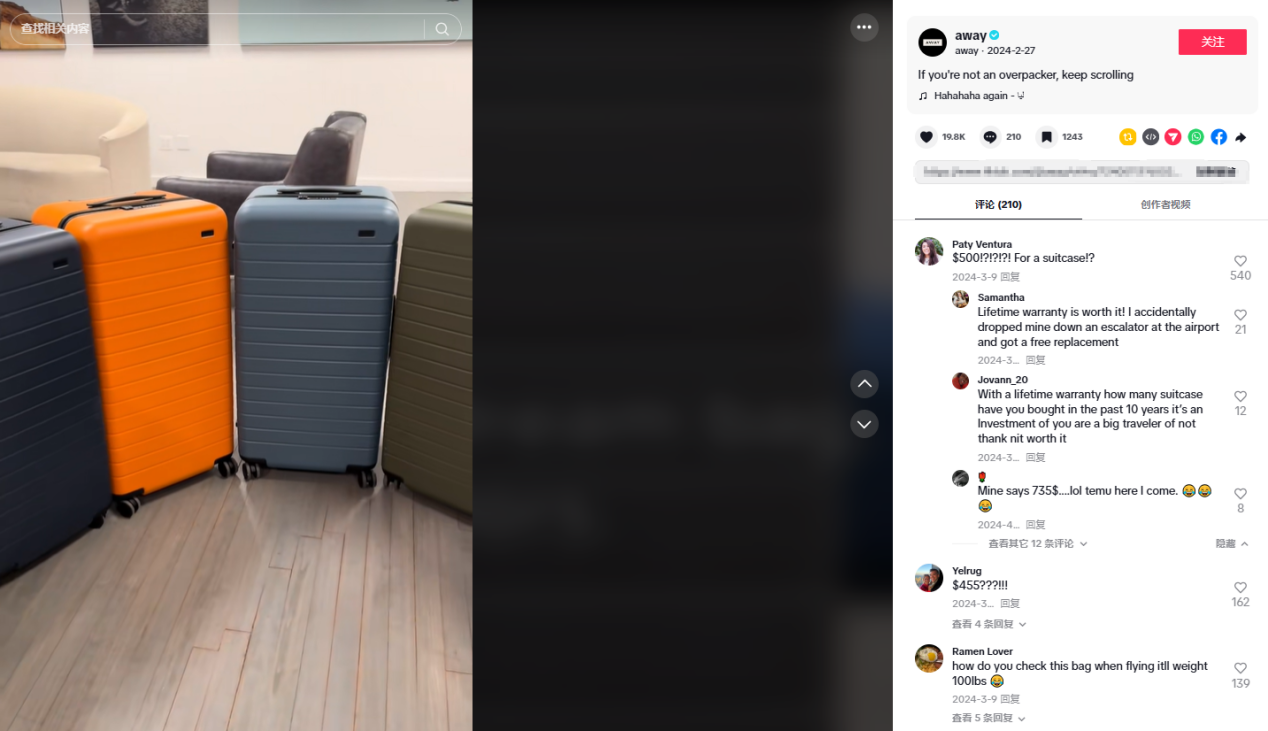
The brand mainly acquires customers efficiently through two types of content,the first is intuitive product display. For example, the most viewed video on the account has reached 10.1 million views. The content is simple: switching suitcase colors by sliding, allowing users to intuitively see the variety of attractive colors and easily choose their favorite.
Image source: TikTok
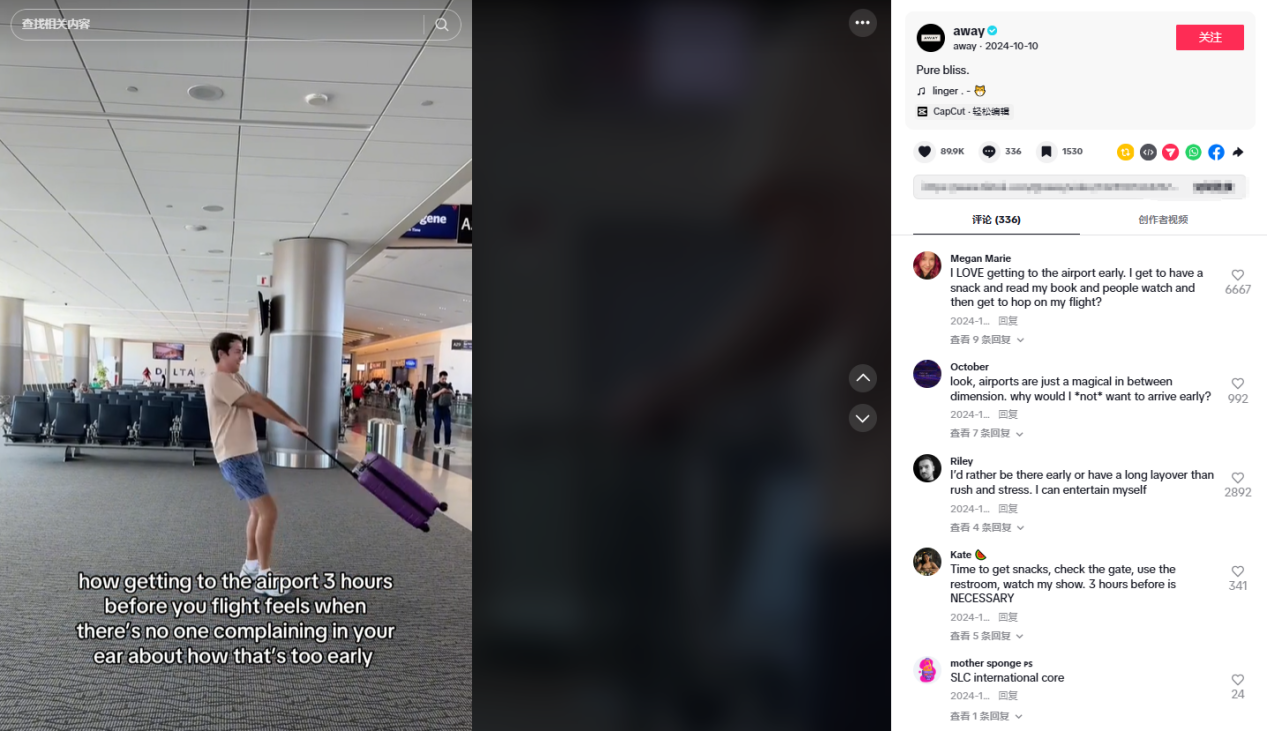
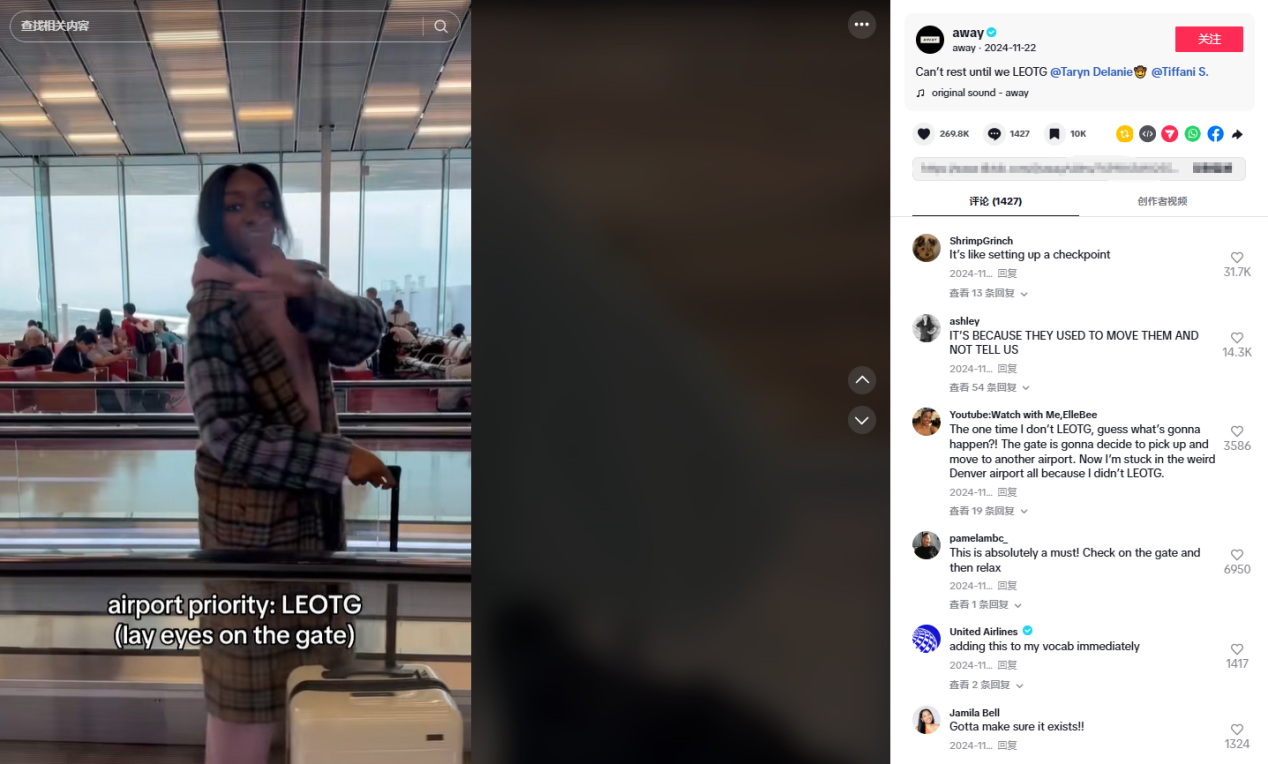
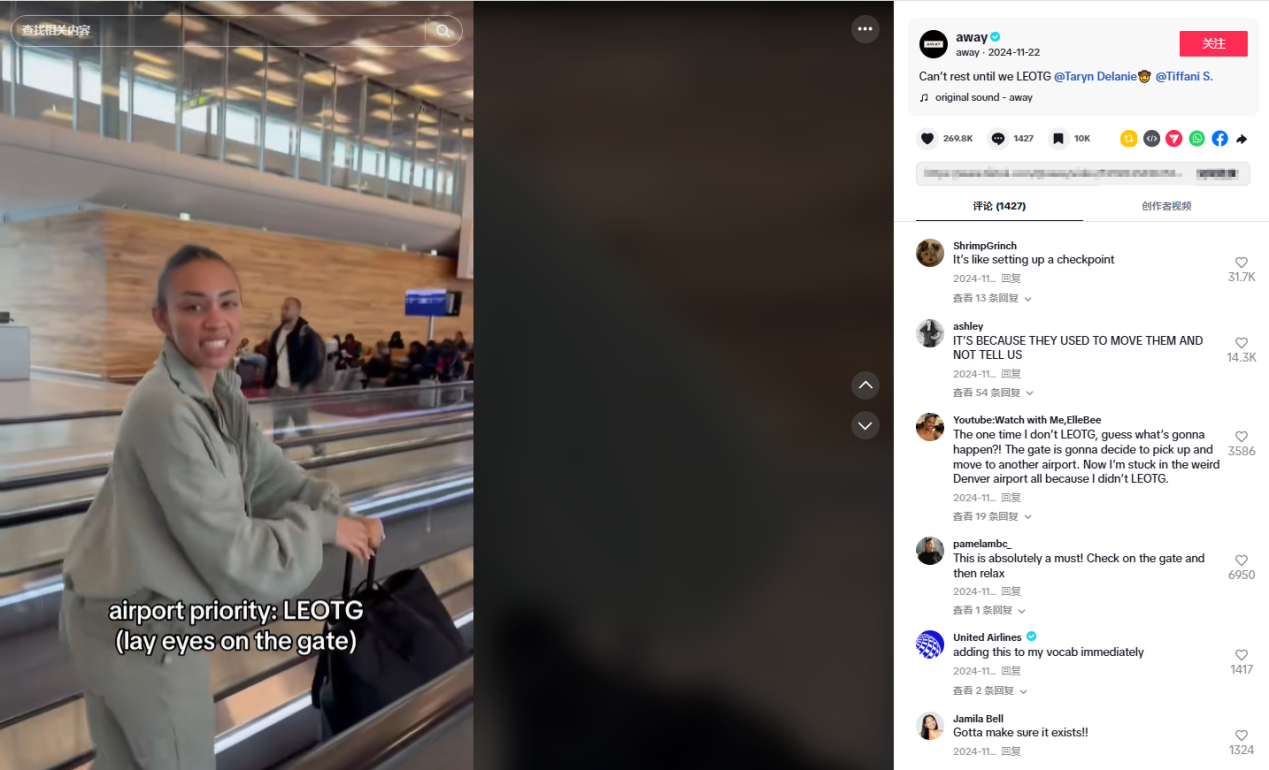
The second is scenario-based storytelling, such as filming real user experiences at the airport, highlighting features like lightness and durability. Starting from these everyday scenarios, the brand gets closer to consumers' lives, allowing potential users to learn more about product performance in a relaxed setting.
Image source: TikTok
In addition to precise efforts in creative video content, Away also collaborates with many influencers.
For influencer collaboration, Away uses a "dual collaboration" model, such as inviting TikTok influencers @taryndelaniesmith and @tiffonfifth to jointly perform airport waiting scenarios. Their natural interaction resonates with viewers, with a single video reaching 2.6 million views and the comments section filled with travel experience sharing, creating secondary dissemination and invisibly making more people aware of and understand the brand.
Image source: TikTok
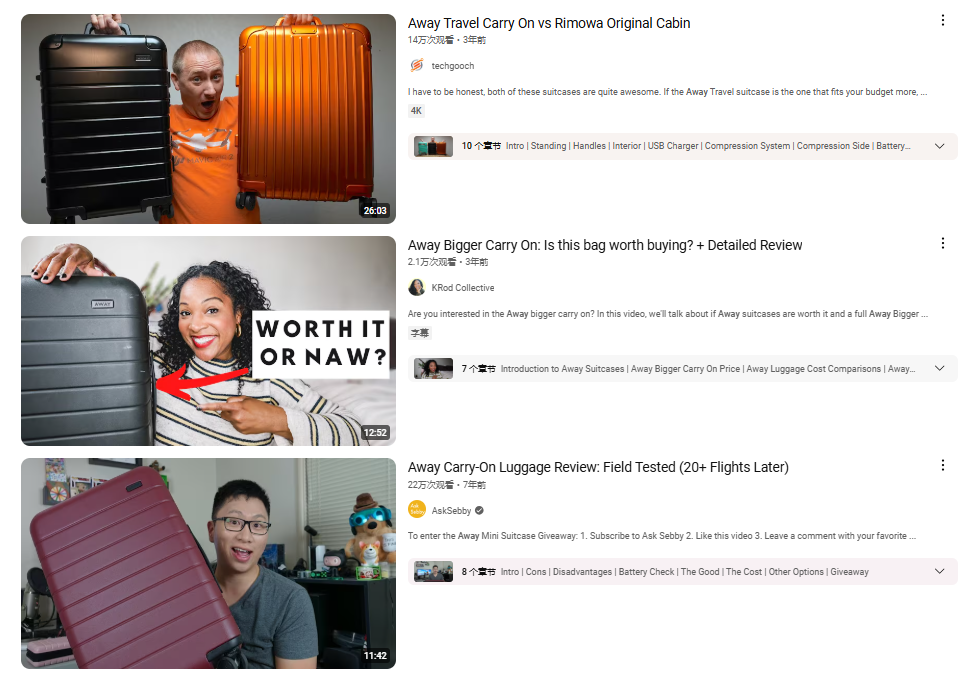
As for YouTube, Away focuses on product reviews, with more professional content. Collaborating YouTube influencers conduct comparative tests to verify the suitcase's impact resistance, using data-driven content to enhance credibility.
Image source: YouTube
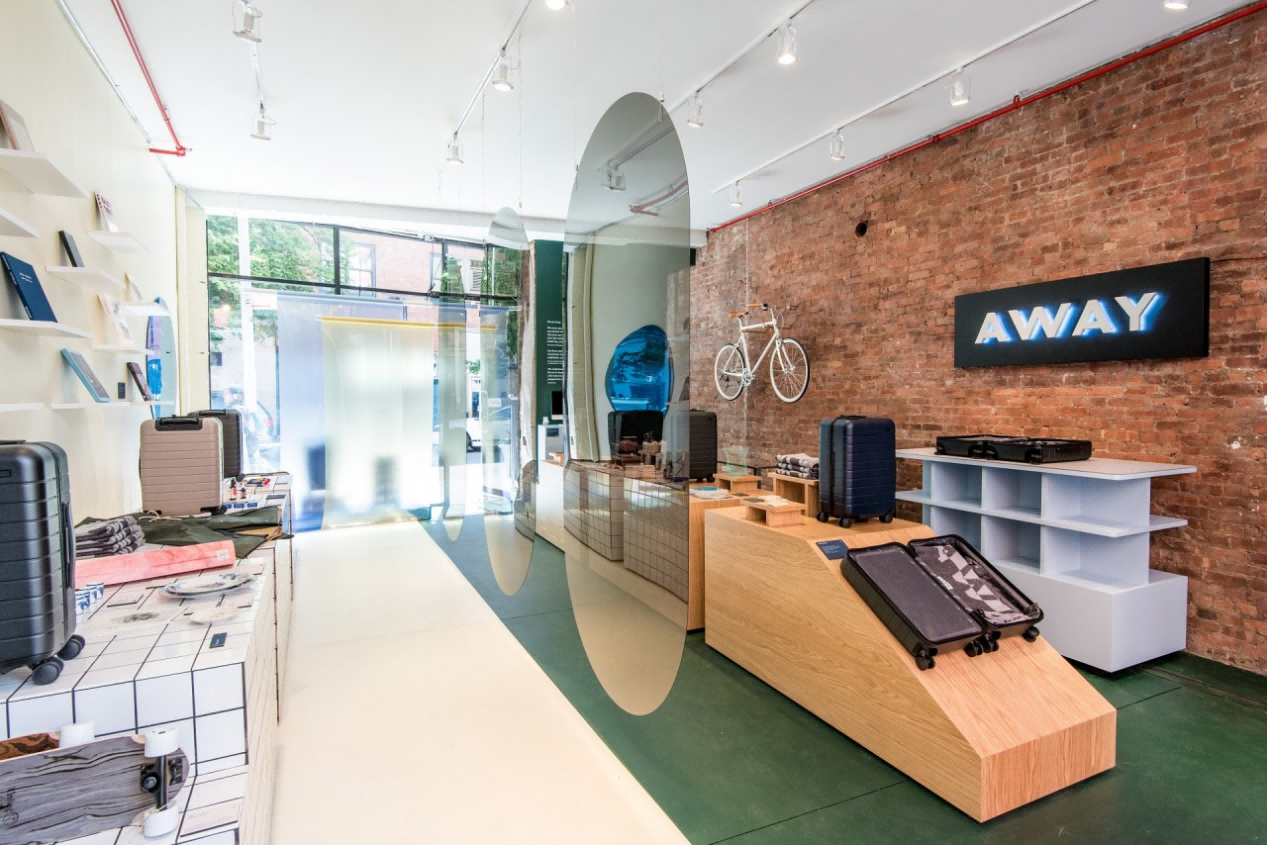
In addition to these online strategies, Away is also creative offline, positioning physical stores as "travel inspiration spaces". Stores not only display products but also use regional cultural themes to inspire consumers' desire to travel.
For example, the New York flagship store was inspired by Moroccan markets, allowing users to feel as if they were on foreign streets when trying out suitcases. This immersive experience helped the brand improve conversion rates, with some stores achieving a trial-to-purchase ratio of up to 1:3.
Image source: Google
Building an independent site to create a brand-owned ecosystem
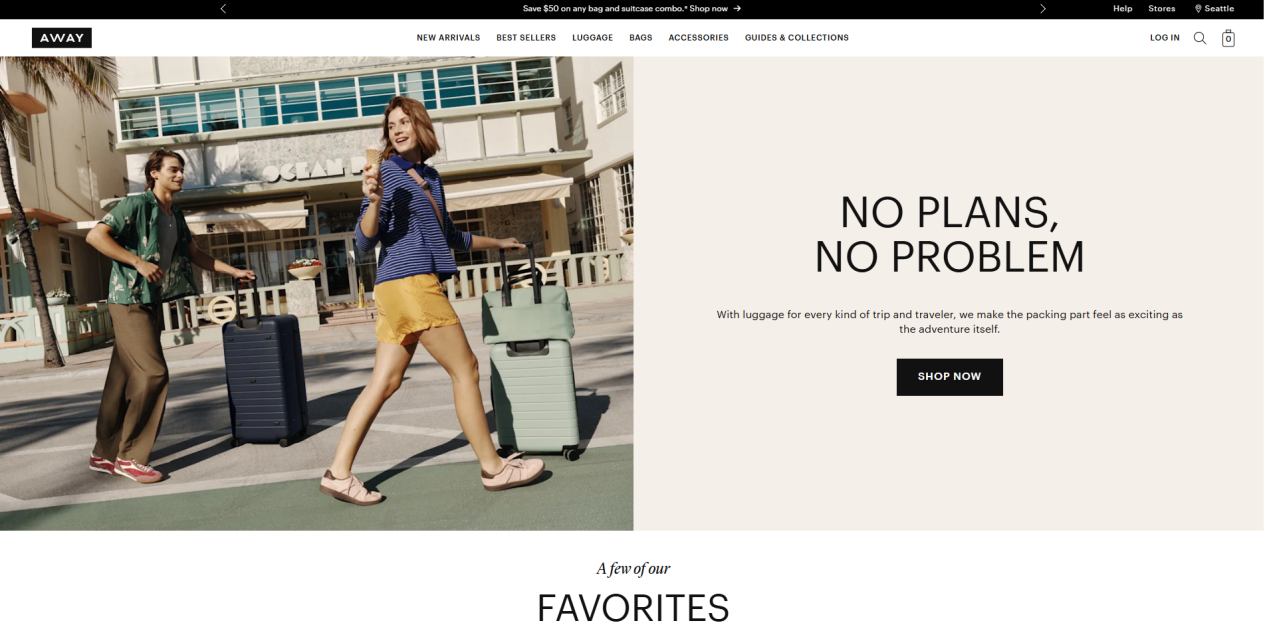
To reduce reliance on third-party platforms, Away has also built its own independent site. The official website adopts a minimalist design, with product pages focusing on core parameter comparisons and usage scenario illustrations. Users can quickly obtain information on size, weight, color, etc., and the store function allows users to place orders directly, making the process from selection to purchase seamless.
This one-stop shopping experience not only improves user satisfaction but also helps Away accumulate private traffic, making it easier to analyze user behavior data and feed back into product iteration. For example, optimization of the charging function was based on statistics of search keywords on the site.
Image source: Away independent site
Conclusion
From Away's successful experience, we can clearly see that in the current accelerated restructuring of the global consumer market, brands that truly listen to users and dare to break conventions are more likely to find their own direction on the road to going global.
Overseas markets are full of opportunities, and opportunities always favor those who dare to take the first step. Only by bravely trying can you start your own brand's exciting story.