With the arrival of spring and summer, a wave of spring and summer clothing consumption is surging. As the fastest-growing content e-commerce platform in the world, TikTok has become the main battleground for clothing brands and sellers to compete for traffic and sales.
Whether leveraging holiday nodes, relying on the influencer ecosystem, or through differentiated product selection and content innovation, merchants are actively exploring how to stand out in this "traffic feast." Let's take a look at what sellers are doing!
Image source: Internet
I. Accurately Grasp Seasonal Demand and Select Products Precisely
Product selection is the core of clothing sales, especially for seasonal products, which must closely follow climate and fashion trends.
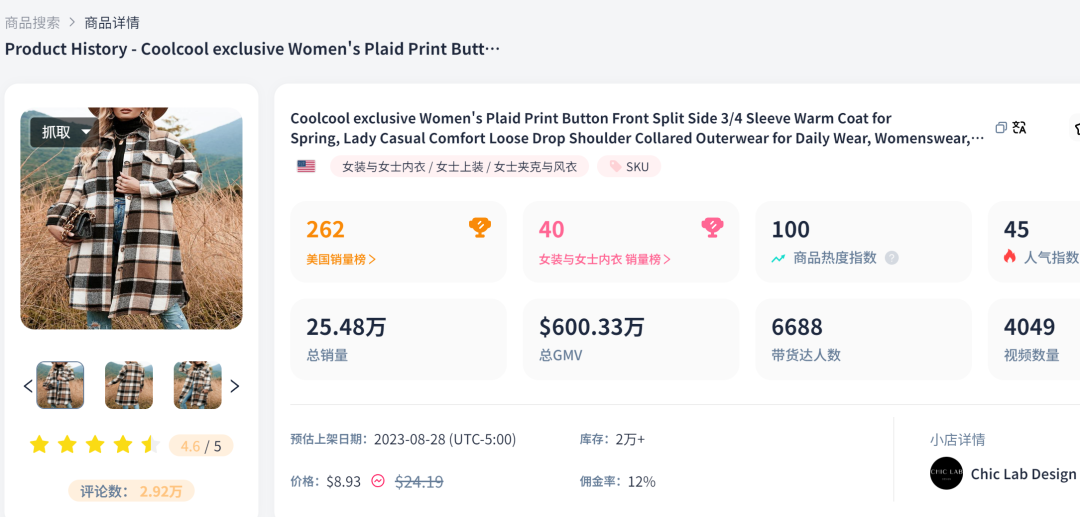
Taking the US market as an example, the brand Chic Lab Design discovered through consumer preference analysis that lightweight materials, loose fits, and casual styles are more popular in spring and summer. Its plaid coat once sold $6 million in the autumn and winter, while in spring and summer, it shifted to designing breathable cotton and linen shirts and sun-protective jackets, combining elements of American street culture, and quickly became a hot item on TikTok Shop.
Image source: Fast Moss
II. Guide Content with Emotional Orientation
On TikTok, content quality directly determines conversion rates, while emotional resonance can strengthen brand stickiness.
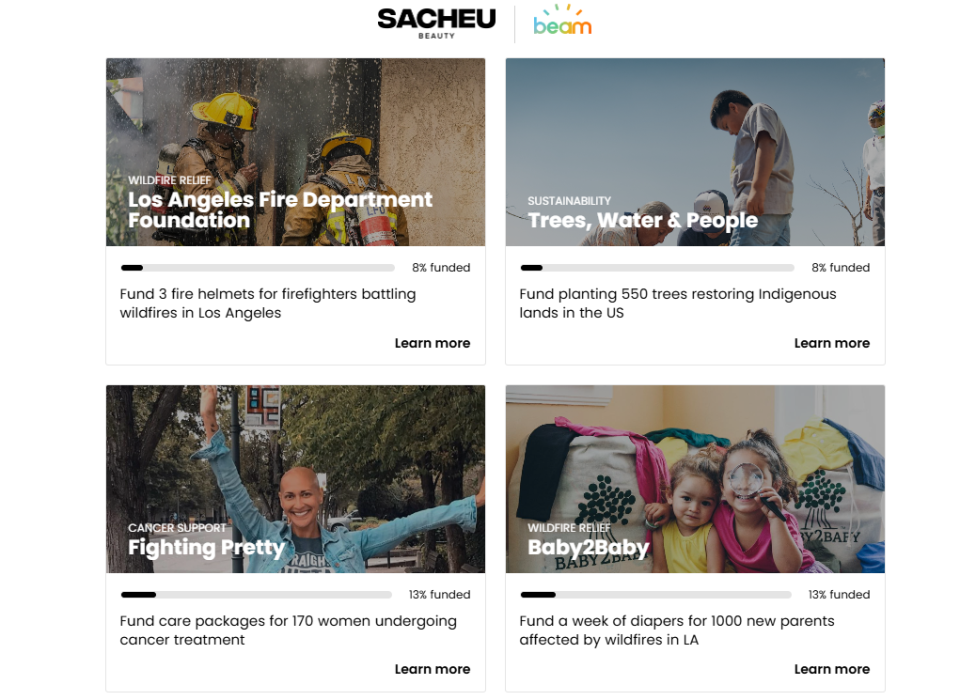
The beauty brand SACHEU Beauty is a great example. Brand founder Sarah Cheung successfully built trust with users by sharing her childhood experiences and vision for female empowerment. Although its main product is a peel-off lip liner rather than clothing, its marketing logic is highly referential: the brand promises to donate 1% of sales to charity organizations, a move that helped the brand achieve a $1.15 million increase in monthly sales during Women's Day.
Clothing sellers can also learn from this model. For example, launching a marketing campaign of "donating to an environmental fund for every T-shirt sold" closely ties consumer behavior to users' values. In this way, brands can not only attract consumers but also establish a deep connection with them on an emotional level, achieving a win-win for both commercial and social value.
Image source: SACHEU Beauty
III. Build a Trust Chain with an Influencer Matrix
On the TikTok platform, the influencer ecosystem is the core driving force for explosive orders. Compared with celebrity endorsements, the real experiences of small and medium-sized influencers are often more persuasive and more likely to win consumers' trust.
Take the women's clothing brand Zhichun Clothing as an example. The brand cooperated with nearly 11,900 mid- and tail-end influencers and ultimately achieved a GMV of $4.02 million. Among them, a tail-end influencer @iamqueendemi, with only 25,300 followers, achieved $434,200 in sales from a single video due to its high conversion rate.
This fully demonstrates that mid- and tail-end influencers are not only cost-effective but also have strong fan trust, making them very suitable for small and medium-sized sellers to quickly scale up.
Image source: Echotik
IV. Leverage Hot Topics to Activate the Traffic Engine
The change of seasons itself is a natural marketing node. If brands can cleverly leverage it, they can turn climate change into business opportunities.
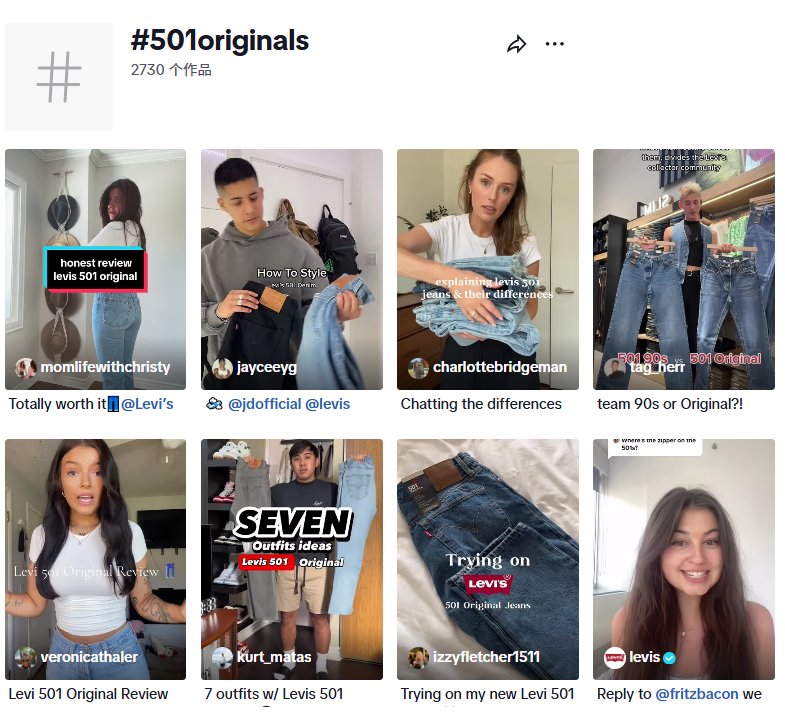
Take Levi's as an example. The brand keenly captured the trend of millennial style revival and launched a classic denim challenge called #501originals, encouraging users to DIY and transform old jeans, giving them new life.
This campaign not only fits the current young people's pursuit of environmental protection and personalization, but also stimulated widespread participation through UGC (user-generated content). During the event, related videos received 4.7 million likes on TikTok, and the creative transformation content created by users quickly went viral, successfully pushing the brand's classic straight-leg jeans to the top of the hot list, driving an 85% month-on-month increase in sales.
Image source: TikTok
Conclusion
The surge of TikTok's spring and summer craze not only brings huge traffic dividends to clothing sellers, but also provides brand expansion with brand new opportunities. From precise product selection to emotionally oriented content marketing, from influencer matrices to leveraging hot topics, every step contains the possibility of pushing the brand to the global market.
For brands exploring overseas markets, TikTok is not just a sales platform, but also a bridge connecting global consumers and conveying brand value.