In recent years, with the continuous advancement of smart home technology, the interconnectivity between security cameras and various smart devices has become increasingly close, forming a more comprehensive smart home ecosystem.

Consumers' expectations for the performance of security cameras have also risen, especially the urgent demand for high-definition image quality and smart features (such as human detection, smart tracking, etc.), which has unsurprisingly driven the booming development of the smart home security camera market.

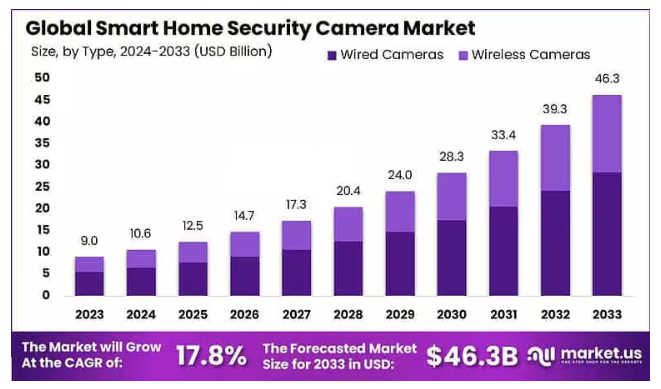
According to marketresearchfuture, the global smart home security camera market was valued at $9 billion in 2023. It is expected that from 2023 to 2033, the market will maintain a compound annual growth rate of 17.80%, and by 2033, the market size is expected to climb to approximately $46.3 billion.

Image source: marketresearchfuture

Globally, there are significant differences in camera ownership across regions. Consumers in Europe and the United States have a strong awareness of security in private home spaces, and their detached housing environments have led to an increasing demand for security cameras.

Against this market backdrop, a smart home security camera brand from Shenzhen, China,Reolink, has seized the opportunity and achieved impressive results in the cross-border e-commerce market.

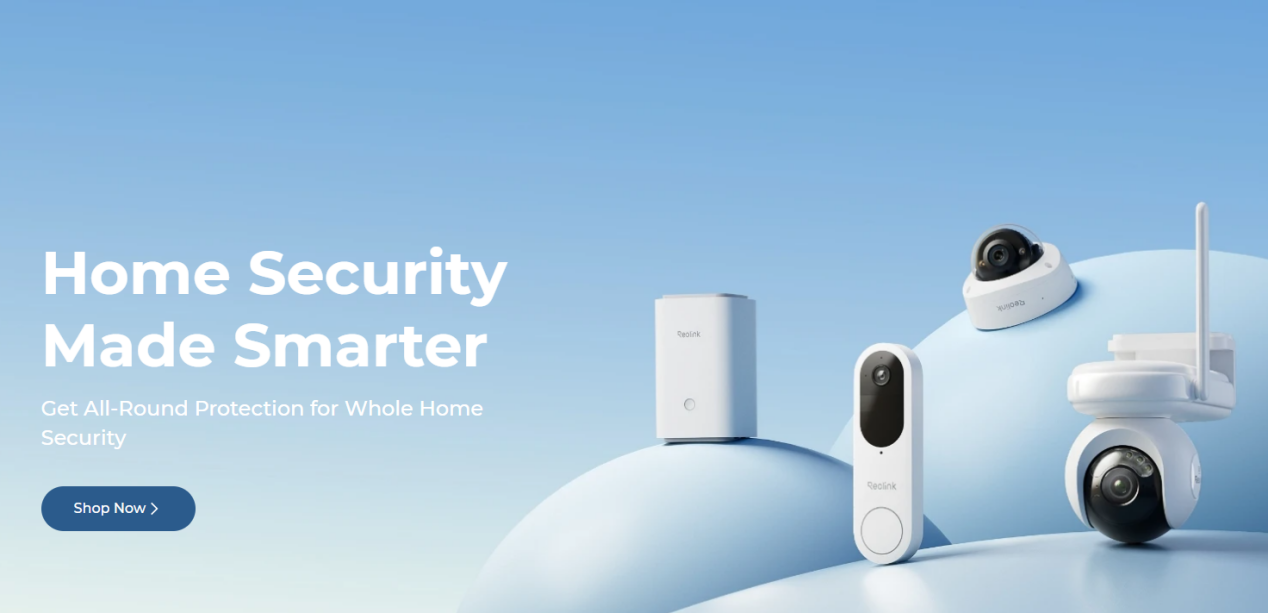
Reportedly, from 2021 to 2023, the brand achieved steady annual revenue growth, reaching 1.367 billion yuan, 1.652 billion yuan, and 2.08 billion yuan respectively. The sales of its core single product have also continued to rise, with cumulative sales exceeding 5.81 million units by 2023.

Image source: Reolink

From OEM to Brand: Seizing the Cross-Border E-Commerce Dividend

It is understood that the founders of the Reolink brand, Mr. Liu and Mr. Wang, both previously worked at Huawei HiSilicon. Mr. Liu joined Huawei HiSilicon Semiconductor as a product manager in June 2006, and Mr. Wang served as the manager of the development department at Huawei HiSilicon Semiconductor from February 2004 to February 2009.

At that time, after Mr. Liu left Huawei HiSilicon Semiconductor, he teamed up with his colleague Mr. Wang to start a business. On January 8, 2009, they founded Reolink Technology and chose the OEM route, becoming an ODM factory for Japan's YUURI Electronics and Australia's consumer electronics brand SWANN, focusing on the production of home security cameras.

After 2015, with the development of cross-border e-commerce and other online channels, the company decided to transform and establish its own brand, Reolink, which focuses on online platforms as its main battleground, selling products overseas through cross-border e-commerce.

Image source: Reolink

Social Media Marketing: Content Drives User Engagement

To increase its overseas visibility and influence, Reolink makes full use of overseas social media platforms such as TikTok and YouTube, strategically deploying targeted marketing strategies.

1. TikTok: Touching Consumers with Real-Life Scenarios

On TikTok, the Reolink brand has collaborated with multiple influencers to release creative short videos. These videos cover product appearance, usage scenarios, and feature introductions, and incorporate diverse life scenes such as warm family moments, cute pet recordings, and natural landscapes.

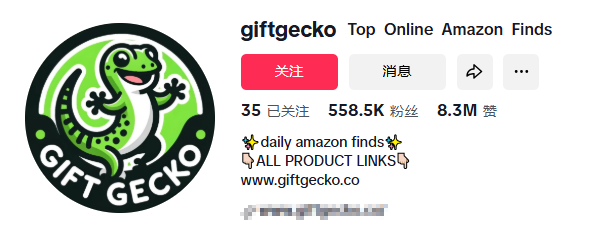
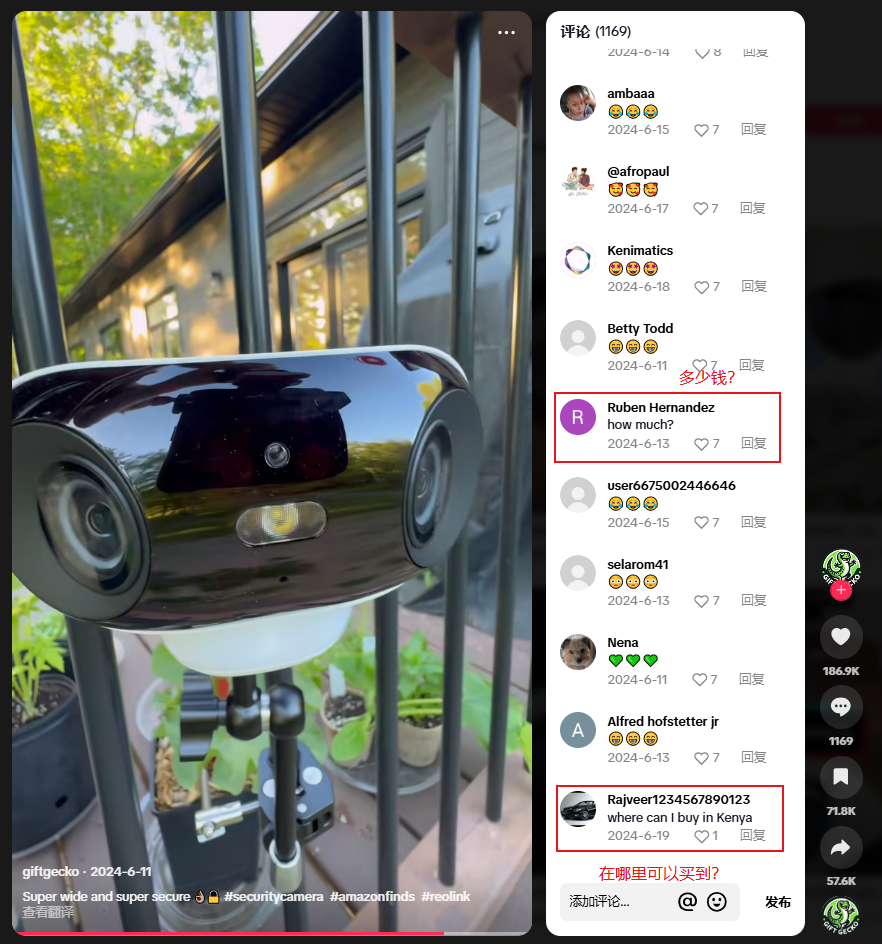
For example, tech influencer @giftgecko, who has 558,500 followers, filmed a creative short video for the Reolink brand.

Image source: TikTok

The video content is very simple: the influencer installs a Reolink security camera on the fence outside the home, and when not at home, can monitor the footage captured by the camera in real time via mobile phone. The convenience and practicality of the camera are showcased through real-life scenarios.

So far, this creative short video has reached 9.2 million views and 186,900 likes. Many users have shown interest in the comments section, asking: "How much is it?" "Where can I buy it?"

Image source: TikTok

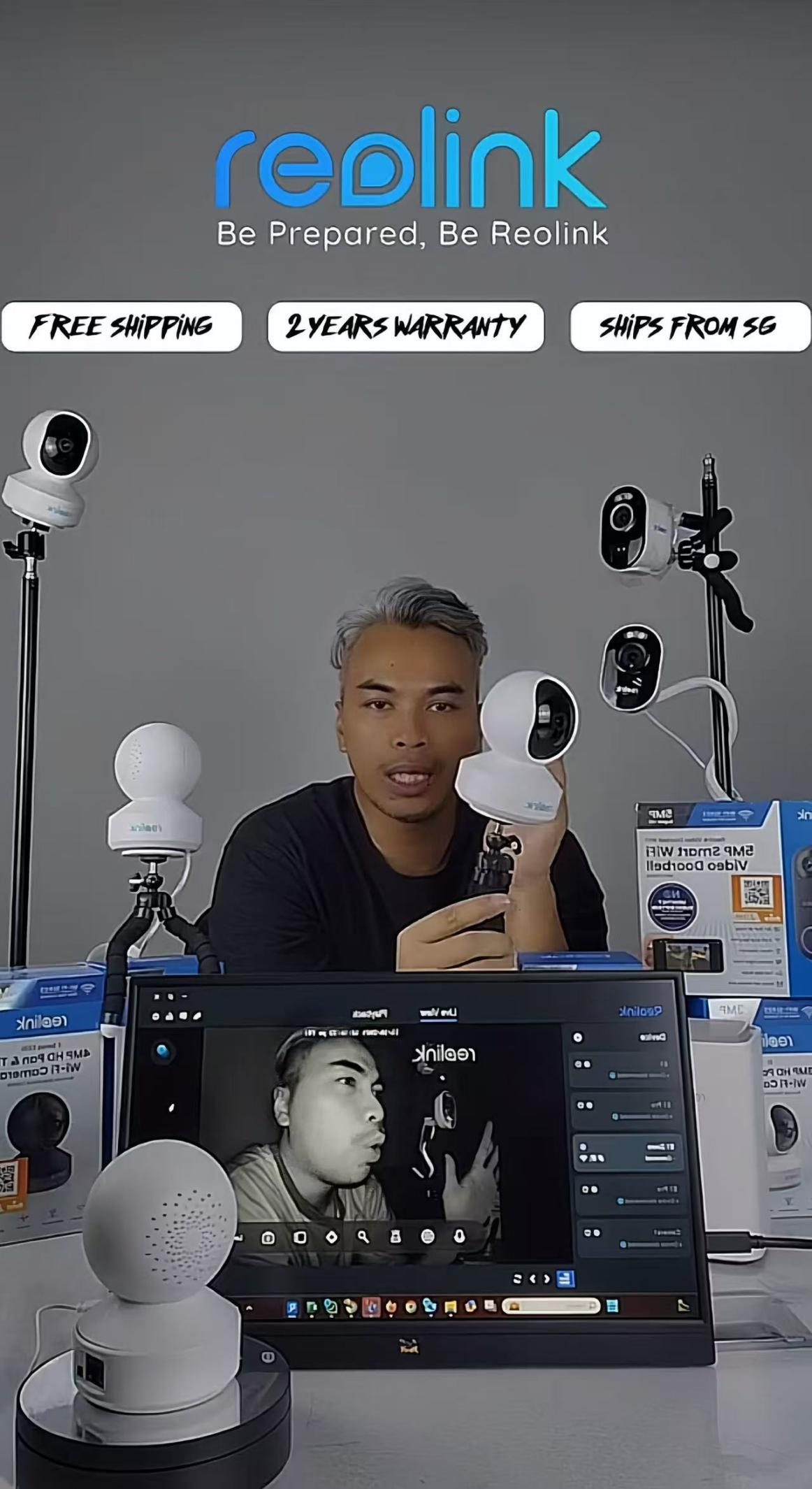
In addition to producing a large number of short videos close to daily life, the Reolink brand also leverages niche influencers on TikTok for live-streaming sales.

These influencers have a certain fan base and influence in security, home, technology, and other related fields. Through their live streams, they showcase the appearance, feature demonstrations, and actual usage scenarios of Reolink cameras, allowing viewers to intuitively experience the product's application effects in different environments, which helps stimulate user purchases.

Image source: TikTok

2. YouTube: Professional Reviews Build Trust

On YouTube, the Reolink brand mainly collaborates with more professional tech bloggers, showcasing products through unboxing and review formats, leveraging influencer impact to reach target user groups.

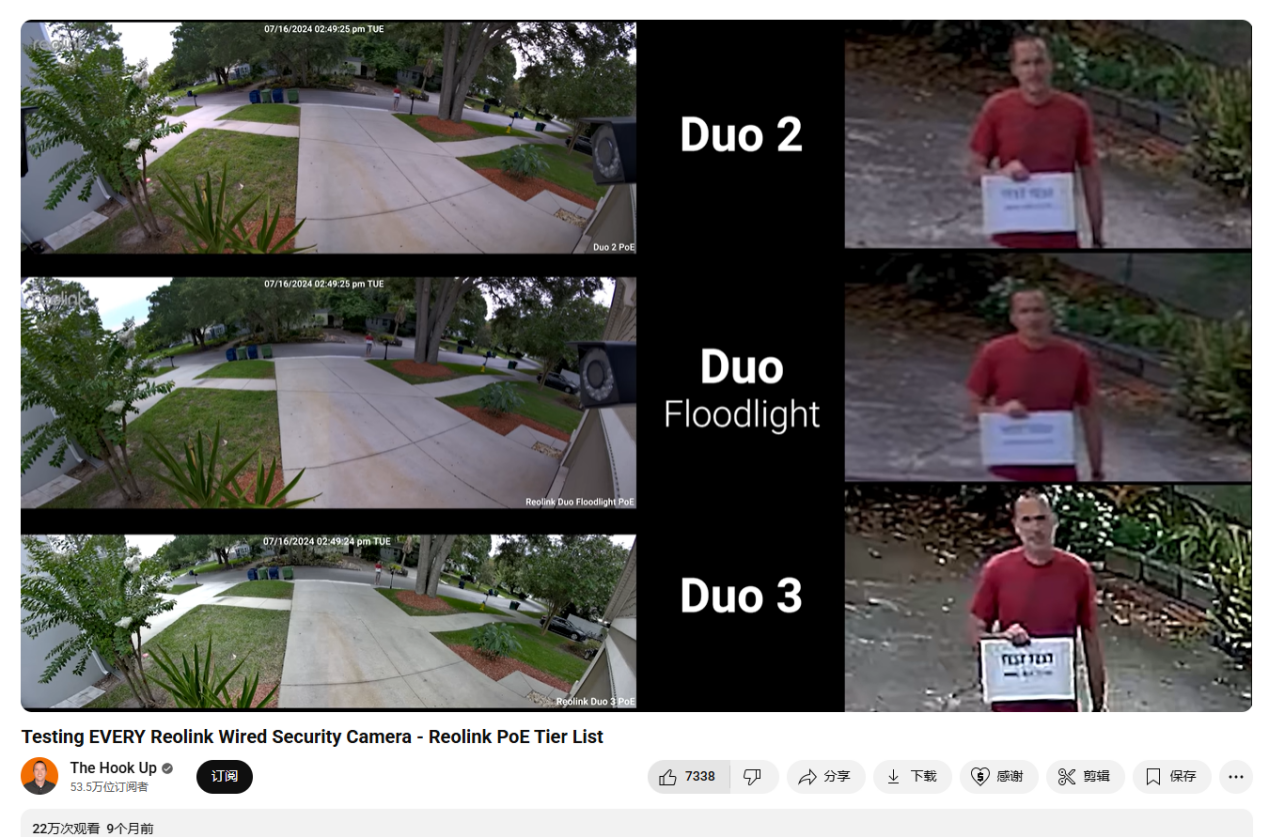
Tech blogger The Hook Up, with 535,000 subscribers, is one of their partners. He filmed a detailed comparison video of six Reolink products, which has reached 220,000 views so far.

In this review video, The Hook Up set identical parameters for shooting in the same environment to ensure consistent testing conditions. He first analyzed daytime footage in terms of color reproduction and detail presentation, then evaluated nighttime performance by assessing the ability to capture object outlines under low-light and no-light conditions, as well as noise control, allowing users to intuitively see the product's actual application effects.

Image source: YouTube

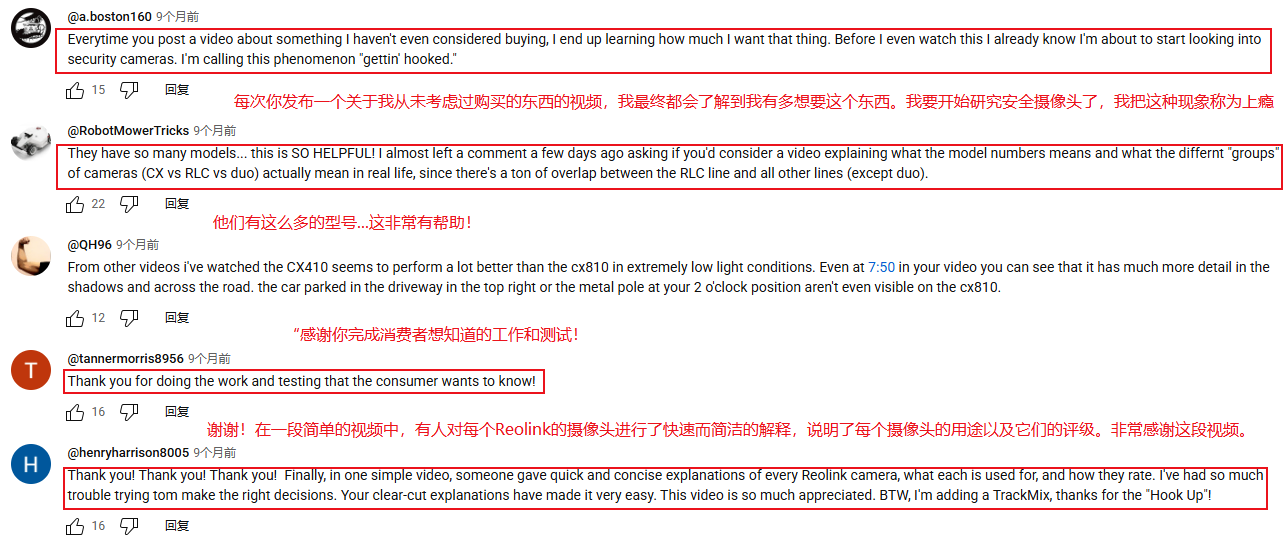
Many users also left comments under the video:

"I'm going to start researching security cameras, I call this phenomenon addiction!"

"They have so many models... this is very helpful!"

"Thank you for doing the tests consumers want to know about!"

"Thanks! In a simple video, you quickly and concisely explained each Reolink camera, described their uses and ratings."

Image source: YouTube

Independent Website: Accumulating User Data and Gaining Long-Term Initiative

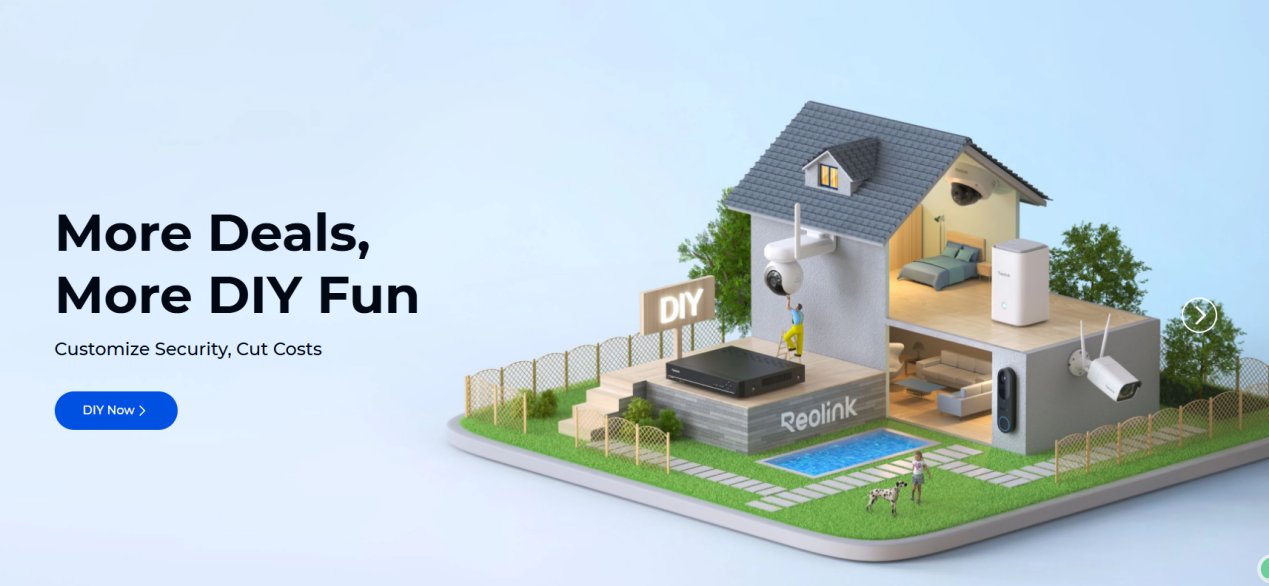
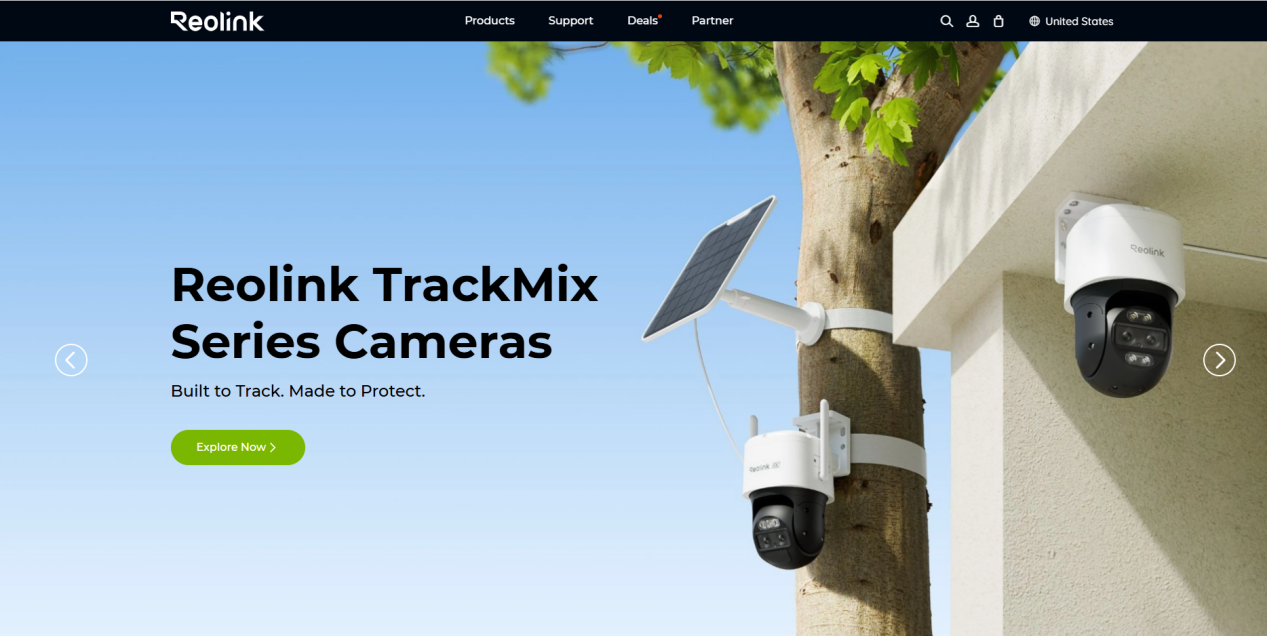
To establish a foothold in overseas markets, the Reolink brand has adopted a diversified channel layout. In addition to TikTok, YouTube, and other overseas social media, it has also built its own overseas independent website, supporting 3D home template functions. Users can choose different scenarios according to their actual needs and intuitively view compatible products. At the same time, there are questionnaires where users can fill in content based on their needs and provide personal suggestions.

It is not difficult to see that the existence of an independent website gives the brand more autonomy. Autonomy is indeed very important for brands operating in overseas markets. As the saying goes, "If you rely on the mountain, the mountain will fall; if you rely on the sea, the sea will dry up." Only when you have the initiative in your own hands can you truly feel secure!

And the independent website is precisely this source of security. The brand can freely set content and open a mall to attract customers. Although overseas e-commerce platforms such as Amazon, eBay, and AliExpress are well-known, they are ultimately third-party platforms. Brands can utilize them but cannot rely on them completely. Otherwise, if the brand's account on a third-party platform is restricted, product sales will inevitably be affected.

Therefore, having an independent website allows users to make purchasing decisions freely, and its importance is self-evident.

Image source: Reolink

Conclusion

Through the case of the Reolink brand, it is not difficult to see that overseas markets are not unattainable. The key lies in whether enterprises can formulate scientific and reasonable strategic layouts and take the right development path.

Currently, there are still many segmented needs in the European and American markets that have not been fully explored. For domestic enterprises, now may be the opportunity to enter the market, shifting from the fiercely competitive domestic market to overseas markets, and, like the Reolink brand, discovering more potential business opportunities for development.