On April 3, 2022, BYD announced that the company had stopped the production of fuel vehicles since March 2022, and would focus on pure electric and plug-in hybrid vehicle business in the future. BAIC Group, Changan Automobile, and Nissan also issued statements that they would completely stop selling fuel vehicles by 2025; Toyota said it would stop selling fuel vehicles in China, Europe, and North America by 2030; Lexus will fully stop selling fuel vehicles by 2035, Volkswagen and Kia will stop selling fuel vehicles in the European market...

A large amount of information indicates that the era of fuel vehicles is really coming to an end.

But will fuel vehicles exit the market soon?

Not really. New energy vehicles are still in the early trial stage, so fuel vehicles will only gradually enter the process of "era" replacement.

However, this is only for users. In the automotive industry, switching from fuel to electric is already an issue that needs to be considered now.

Especially in Europe and the United States, as fuel vehicles exit the market first, electric vehicles start to gain volume, and the market begins to be replaced by new energy models.

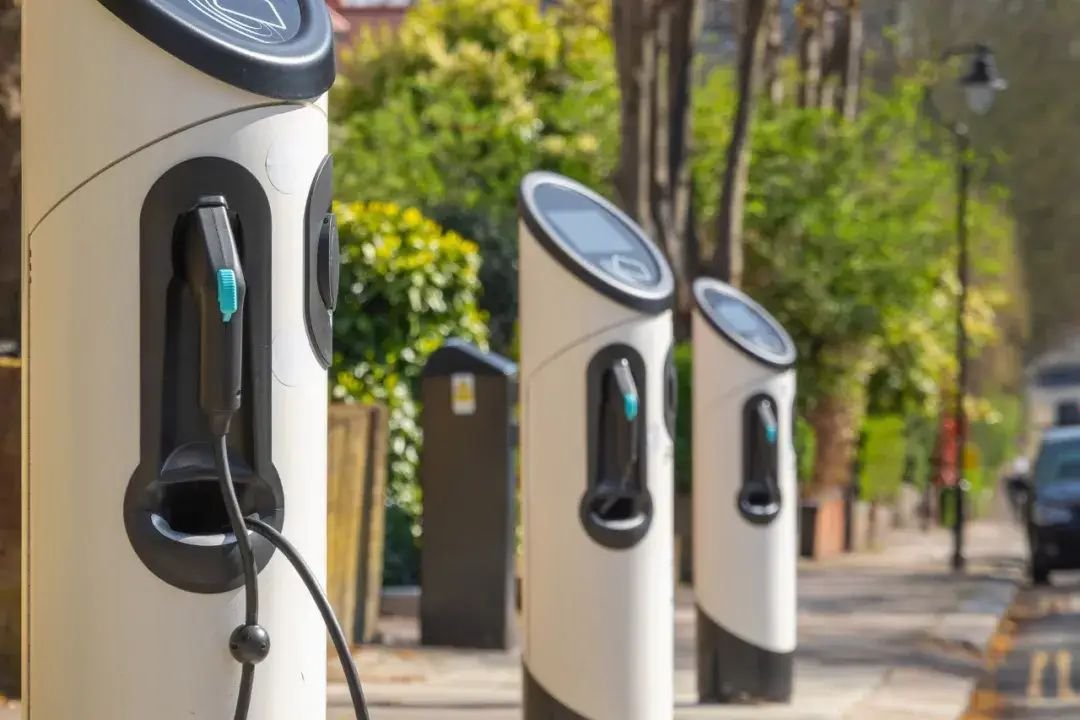
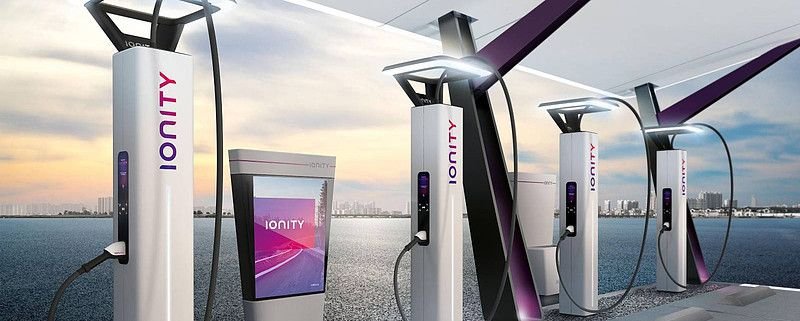
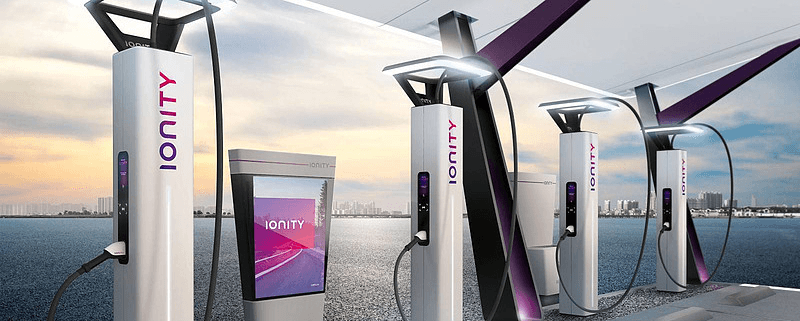
But the charging infrastructure, such as charging piles, does not seem to fully match this trend.

OECD conducted a survey in 2023, and one-third of respondents in some European countries said there was no charging station within 3 kilometers of their residence.

This leads to a mismatch between car use and charging needs. But for companies doing charging business, isn't this also good news?

Especially for domestic companies Tuke, from selling components and hardware to making and operating charging piles, and even developing third-party platforms for finding charging stations, there are plenty of opportunities in between.

Seize the opportunity to gain the upper hand

Switching from fuel to electric vehicles requires enough charging piles, but as the electric vehicle market continues to expand, the problem of more cars and fewer charging piles has become urgent. Governments and companies in various countries are accelerating the construction of charging infrastructure.

In the European and American markets, due to higher requirements for charging pile products and longer product certification cycles, the initial construction and operation of charging piles did not make significant progress. It was not until 2022 that economic subsidy policies for charging piles were truly implemented, which greatly promoted the construction and operation of charging piles.

Currently, major Chinese charging pile companies are accelerating overseas standard certification to capture market share. With the implementation of policies and market expansion, the overseas charging pile market is expected to continue to grow in the coming years.

Going overseas and scaling up, gaining trust is the cornerstone

In overseas markets, the charging pile industry chain is basically the same as in China, mainly including AC slow charging piles and DC fast charging piles; the business model is similar to household energy storage, with more emphasis on brand effect and channel building.

In overseas markets, to become a supplier for B-end customers, brand awareness is a prerequisite.

Without a certain level of recognition, it is impossible to enter the local supplier list, which is crucial.

Currently, Shenghong Co., which cooperates with BP, became one of BP's first Chinese suppliers because its Interstellar AC Charger won the German iF Design Award in 2022.

This shows the power of brand awareness.

Although not every company can achieve such recognition, the results that can be achieved by Tuke are, to a certain extent, similar in effect.

So how to build brand awareness through Tuke?

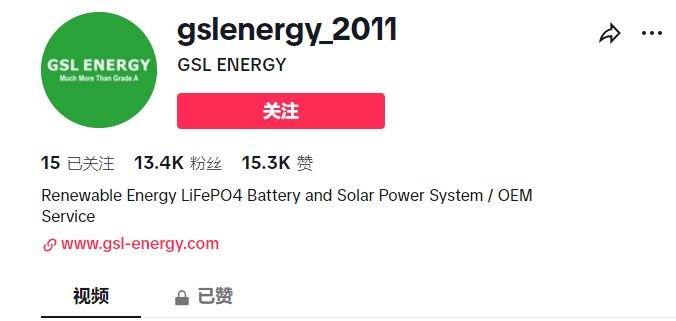
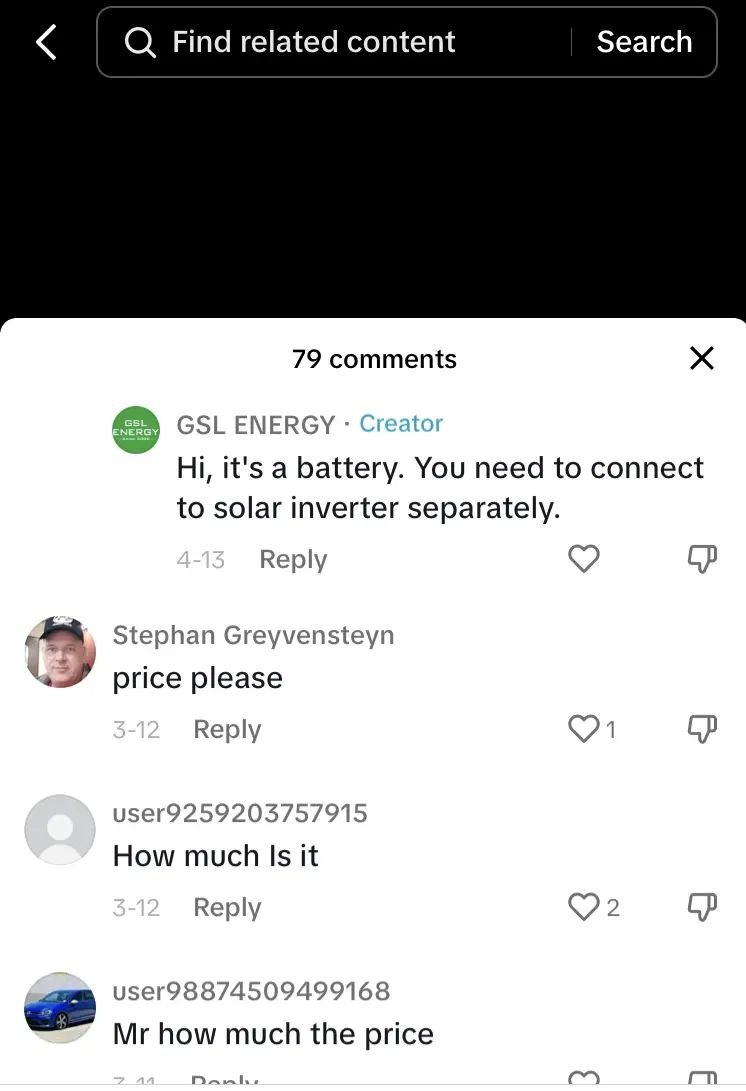
There is a case of an energy storage battery Tuke: gslenergy_2011.

This account started operating at the end of September 2023, has published 47 posts so far, gained 13,400 followers, and received more than 15,300 likes.

It uses a real-person IP format, and the content includes factory live shots, production clips, product live shots, product testing, and recent exhibitions, etc., gaining audience trust while spreading information.

Moreover, from the video comments, you can see that its inquiry effect is very good, and interested customers can be directly directed to independent sites to achieve private domain transactions.

It can be seen that Tuke is very effective in building brand awareness.

In addition, investing in building factories overseas is also a very good approach.

In February 2023, the US government announced that all subsidized charging piles must be manufactured domestically. Starting from July 2024, at least 55% of the component costs of these charging piles must come from the US. Meanwhile, Europe is actively promoting the implementation of the Critical Raw Materials Act, the New Battery Act, and "carbon tax" policies.

Globally, the new energy industry is developing rapidly, and building factories overseas will become a major trend in the industry.

Moreover, the demand for charging piles in the European and American markets is booming. Although setting up factories locally or finding OEMs may increase costs, leading companies can still profit from it.

In addition, the overseas charging pile business also needs to consider installation, commissioning, maintenance, and after-sales service. To better meet market demand, companies need to cooperate deeply with local partners or establish local service teams.

Therefore, building factories overseas or finding local deep cooperation partners is a wise choice for many companies, helping to make up for shortcomings in the local market.