 1907
1907
Pek çok denizaşırı işletmeci, sık sık yurt içi iş yapma alışkanlıklarını yurtdışı pazarlara taşır, yerel operasyon mantığını ve ürün seçme stratejilerini körü körüne kopyalar. Yerelde patlayan ürünleri doğrudan denizaşırı pazarlara kopyalayıp yabancı tüketicilere satar.
Ancak bu körü körüne kopyalama yaklaşımı genellikle çok az sonuç verir; sadece ürün satışları düşük olmakla kalmaz, aynı zamanda büyük stok birikimi olur ve sonuçta kârlı bir dönüşüm elde etmek zordur.
Oysa yurt içinde niş, popüler olmayan ve pek rağbet görmeyen birçok kategori, yurtdışında oldukça popüler hale gelmiş ve geniş satış kanalları açmıştır.
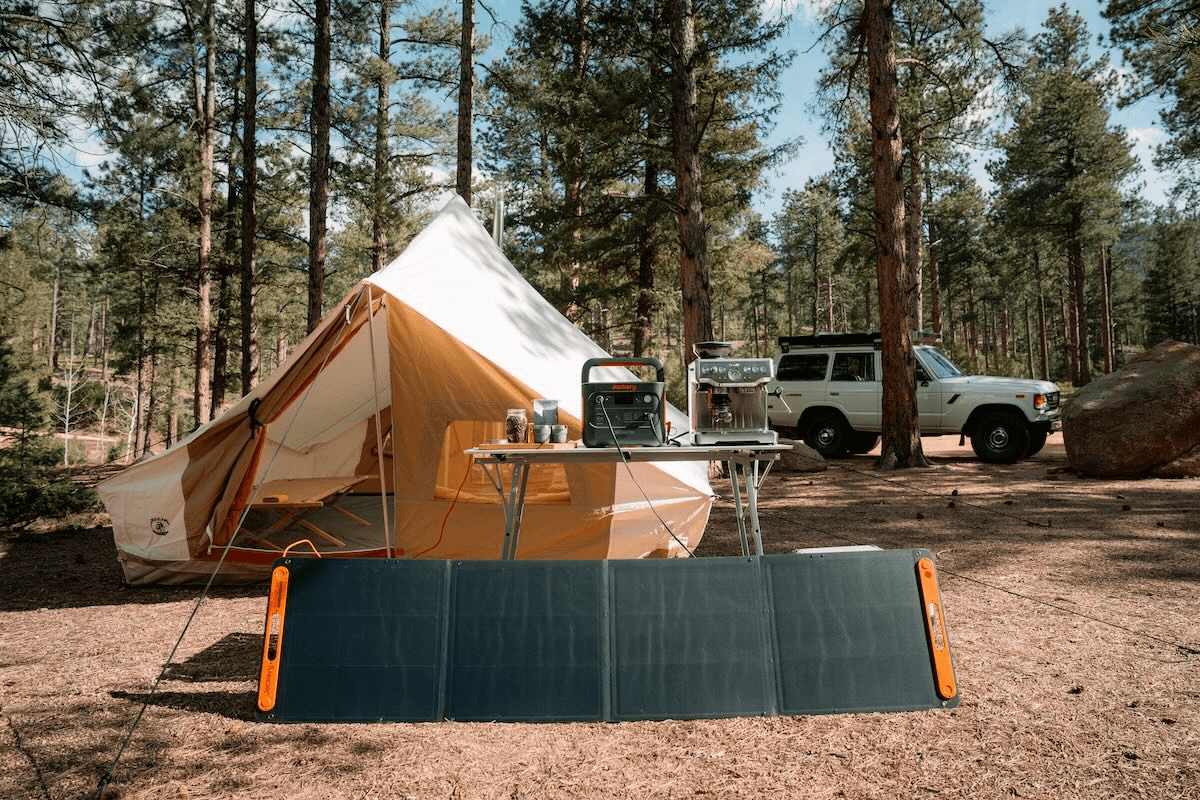
Temel neden aslında çok basit: yurt içi ve yurt dışındaki tüketici talepleri tamamen farklıdır.Taşınabilir enerji depolama sektörünü örnek alırsak, farklılıkları net bir şekilde görebiliriz.
Kaynak:Jackery
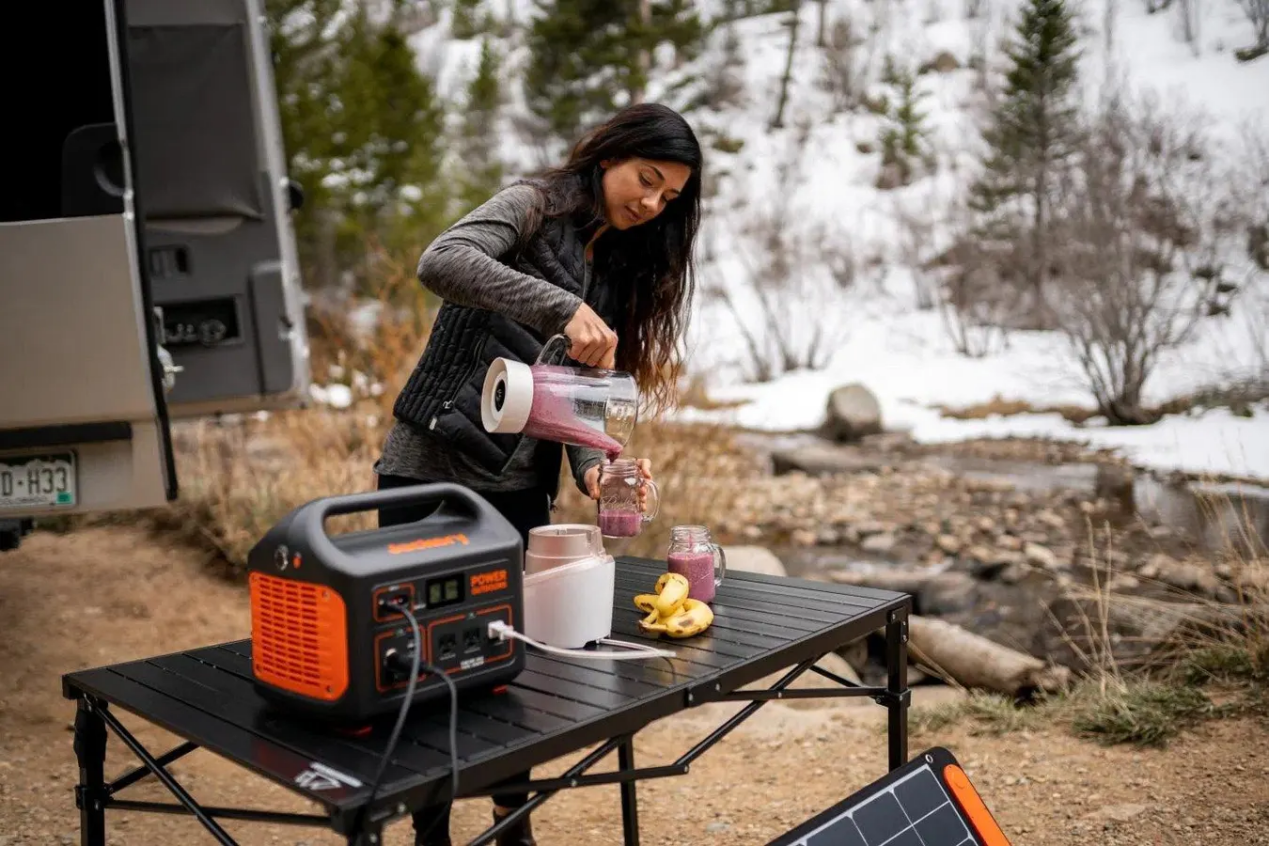
Bu tür ürünlerin yurt içinde sınırlı bir kitlesi vardır. Çoğu tüketici, bunların hacminin büyük olduğunu, günlük kullanım sıklığının düşük olduğunu ve satın alındığında kolayca atıl kalabileceğini düşünür, bu nedenle satın alma isteği genellikle düşüktür. Ancak yurtdışı pazar tam tersidir; talep çok güçlüdür.
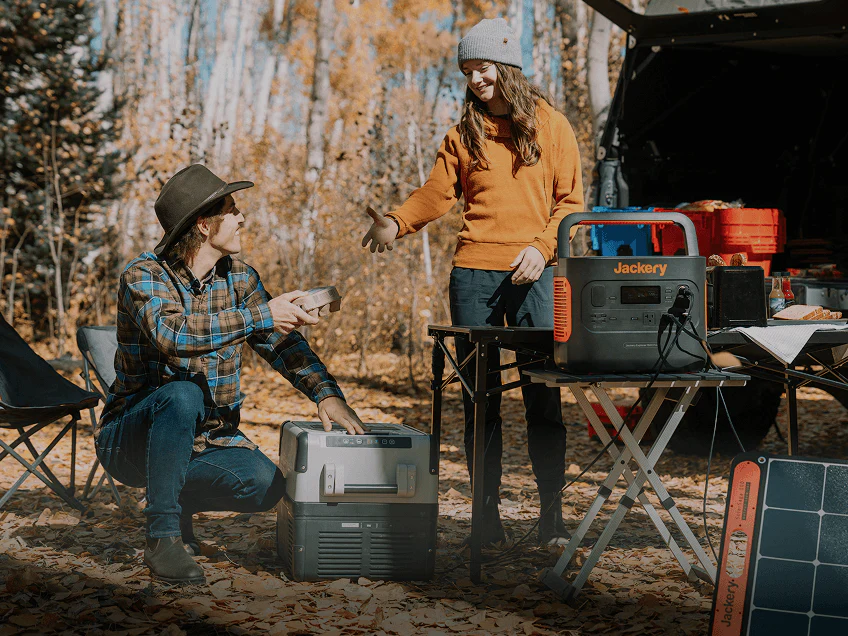
Özellikle Avrupa, Amerika, Japonya gibi bölgelerde orman yangınları, soğuk hava dalgaları, kasırgalar gibi aşırı hava olayları neredeyse normal hale geldi; ev tipi acil yedek güç uzun zamandır temel bir ihtiyaçtır. Aynı zamanda kamp, karavan seyahati gibi açık hava yaşam tarzları giderek daha popüler hale geliyor; yüksek kapasiteli taşınabilir enerji depolama cihazları, açık hava seyahatlerinde tüm elektrik ihtiyaçlarını tek seferde çözebiliyor.
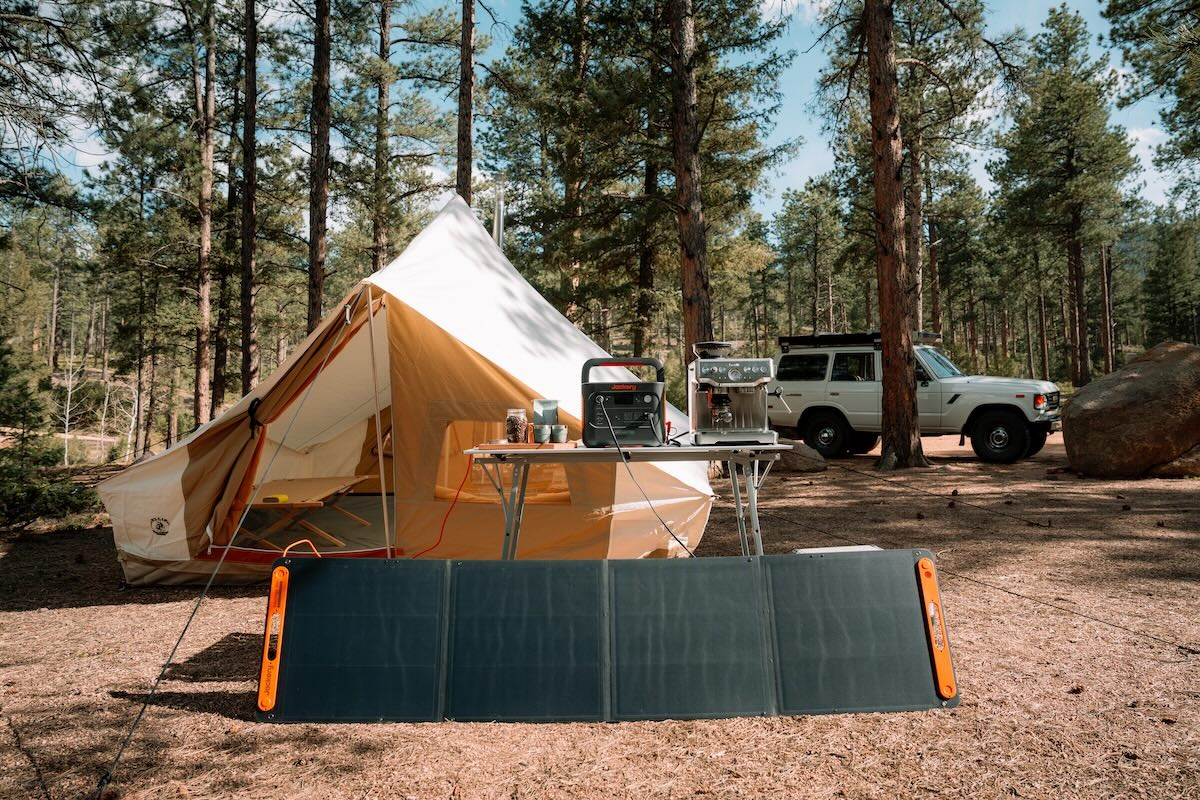
Kaynak:Jackery
Ayrıca, küresel düşük karbon ve emisyon azaltma eğilimi altında, ülkelerin çevre politikaları giderek sıkılaşmaktadır. Taşınabilir enerji depolama, dağıtılmış temiz enerji ekipmanı olarak birçok politika desteği almış ve geleneksel yakıt jeneratörlerinin yerini almaya başlamış, yakıt jeneratörlerinin yüksek ses, ağır kirlilik ve düşük güvenlik gibi sorunlarını tamamen çözmüştür.
Birden fazla temel ihtiyacın birleşmesi ve politikaların sürekli desteğiyle, taşınabilir enerji depolama sektörü son yıllarda patlayıcı bir büyüme yaşamış ve kesinlikle bir trend sektörü haline gelmiştir.
BirleştirildiğindeFact.MR tarafından yayınlanan sektör verilerine göre:
2025 yılında küresel taşınabilir enerji depolama güç kaynağı pazar büyüklüğü 42 milyar ABD dolarına ulaşmış olup, 2035 yılında 303 milyar ABD dolarına yükseleceği tahmin edilmektedir; on yıllık bileşik yıllık büyüme oranı %21,8'dir ve uzun vadeli büyüme potansiyeli oldukça önemlidir.
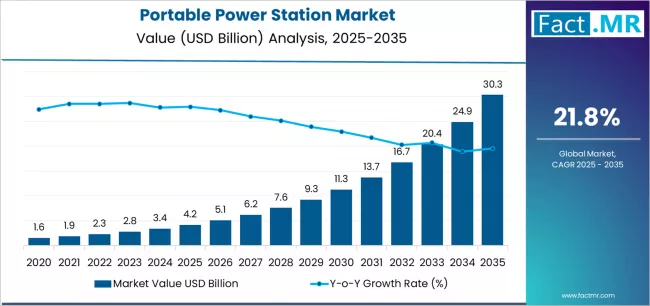
Kaynak:Fact.MR
Bu kadar yüksek büyüme hızı ve yüksek potansiyele sahip kaliteli sektör, doğal olarak çok sayıda markayı küresel pazar pastasından pay almak için yarışmaya çekmiştir.
Bu yarışmacılar arasında birçok yerli marka başarıyla sıyrılmış ve küresel liderliği ele geçirmiştir. Bugün bahsedeceğimizJackery(电小二), denizaşırı taşınabilir enerji depolama pazarında derinlemesine uzmanlaşmış ve sektörün zirvesinde sağlam bir yer edinmiş yerli ürünlerin amiral gemisi büyük satıcısıdır.
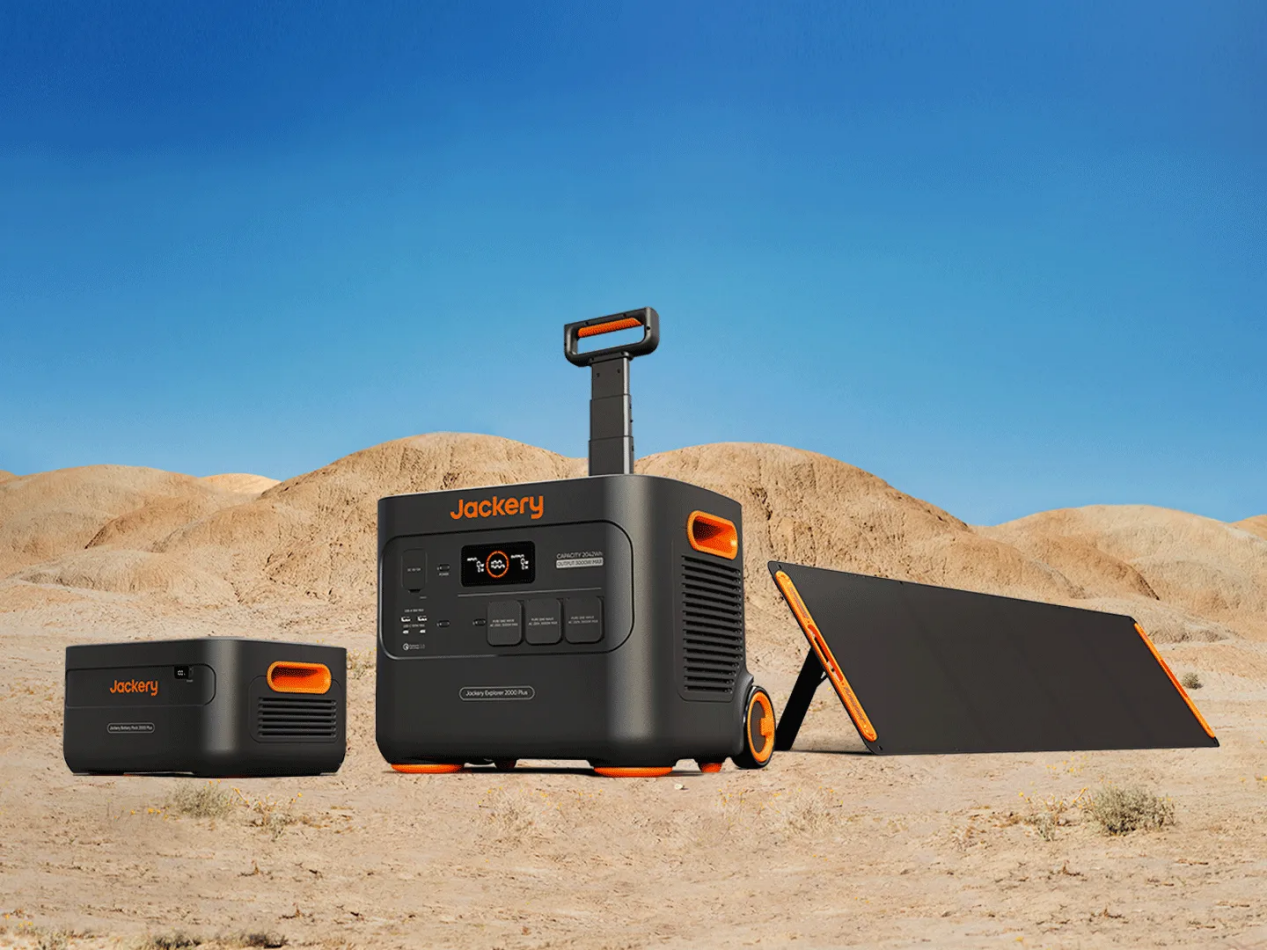
Kaynak:Jackery
Huaqiangbei'deki küçük bir fabrikadan küresel enerji depolama liderine dönüşüm
Kamuya açık bilgilere göre,Jackery(电小二) 2012 yılında kuruldu, dünyanın önde gelen taşınabilir enerji depolama markasıdır ve Shenzhen Huabao Xinneng'e aittir.
Marka başlangıçta enerji depolama sektörüne odaklanmamıştı, ancak uygun dönüşümle, denizaşırı fırsatları yakalayarak adım adım küresel bir örnek haline geldi.
Zaten1999 yılında, markanın kurucusu Sayın Sun, Shenzhen'e giderek girişimcilik yapmış ve uzun süre Huaqiangbei lityum pil sektöründe kök salmıştır.
2004 yılında, dünyanın ilk lityum pil taşınabilir güç kaynağını geliştirdi ve ardından iPhone kılıf bataryasını piyasaya sürdü, tüketici güç kaynağı sektöründe erken liderliğini sağlamlaştırdı.
Sağlam teknik birikim ve ürün düzenlemesi sayesinde,2011 yılında Shenzhen Huabao Xinneng resmen kuruldu; ertesi yıl, Jackery markası Silikon Vadisi'nde tanıtıldı ve küresel pazara resmen girdi.
Ancak işler uzun sürmedi, akıllı telefonların yaygınlaşmasıyla birlikte, powerbank sektörünün giriş engeli düştü, homojen rekabet ve fiyat savaşları yoğunlaştı, sektör karı sürekli daraldı.
Aynı dönemde, denizaşırı tüketim ortamı belirgin bir şekilde değişiyordu. Kampçılık, karavan yaşam kültürü popüler olmaya devam etti, aşırı hava olaylarının sıklaşmasıyla birlikte, acil durum ev enerjisi ihtiyacı zorunlu hale geldi; ayrıca Tesla'nın ev enerji depolama ürünlerinin piyasaya sürülmesi, taşınabilir enerji depolama sektörünü kamuoyunun gözüne soktu ve bu mavi okyanusta büyük bir pazar boşluğu oluştu.
Denizaşırı zorunlu ihtiyaç ve sektör trendlerinin ikili fırsatlarını gören Sayın Sun, iç tartışmalara rağmen,2015 yılında resmen stratejik dönüşüm başlattı, powerbank sektöründen taşınabilir enerji depolama pazarına geçti.
Kaynak:Jackery
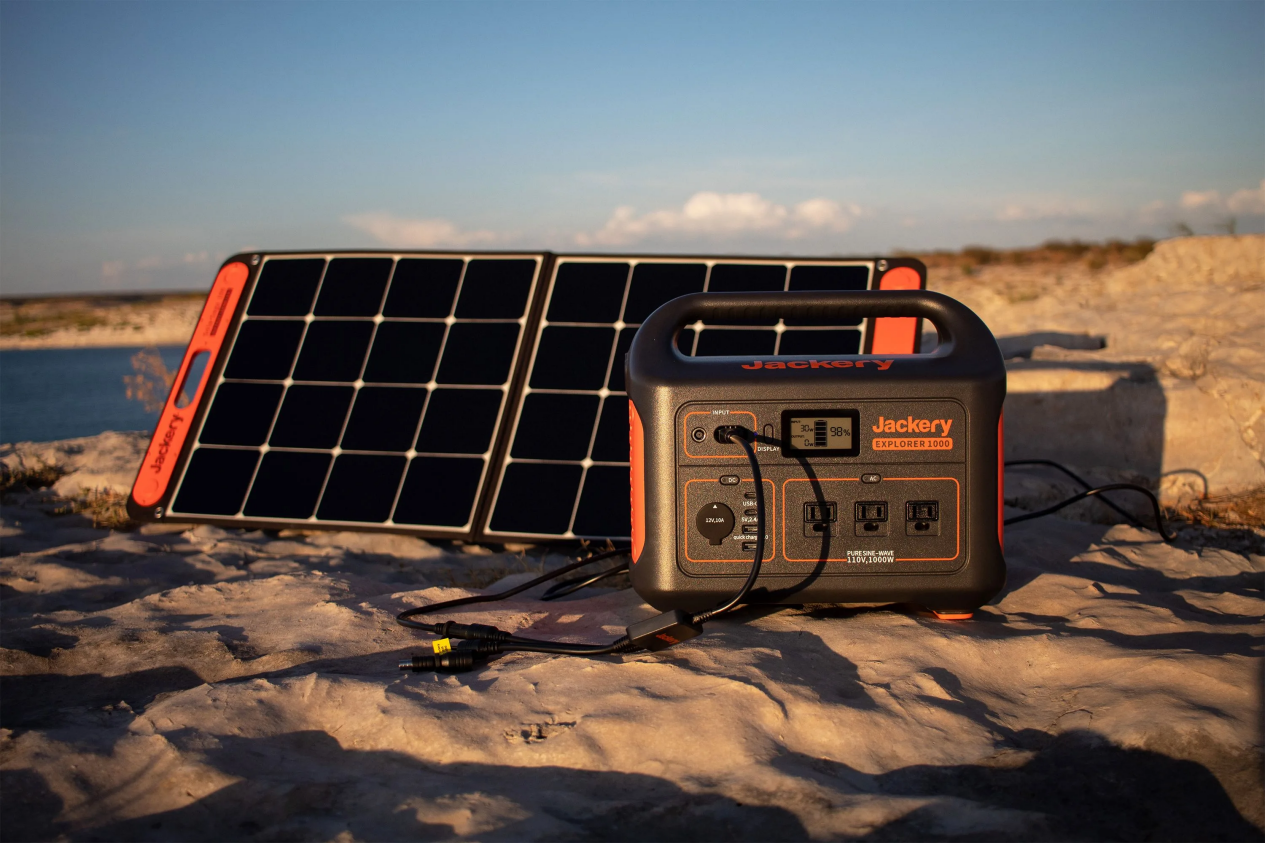
2016 yılında, Jackery ilk Explorer keşifçi serisi enerji depolama ürününü piyasaya sürdü; sessiz ve çevre dostu, taşınabilir ve dayanıklı, yüksek güçlü ve çoklu bağlantı noktası avantajlarıyla geleneksel yakıt jeneratörlerinin mükemmel bir alternatifi oldu, açık hava seyahatleri ve ev acil durum senaryolarına uyum sağlayarak hızla büyük miktarda denizaşırı tüketici kazandı.
2018 yılında, marka yatırımını artırdı, Solar Saga serisi taşınabilir güneş panellerini piyasaya sürdü, güneş şarjı + enerji depolama entegre ekosistemi oluşturdu, açık hava elektrik kullanım döngüsünü tamamladı ve farklılaşma avantajını daha da artırdı.
Kaynak:Jackery
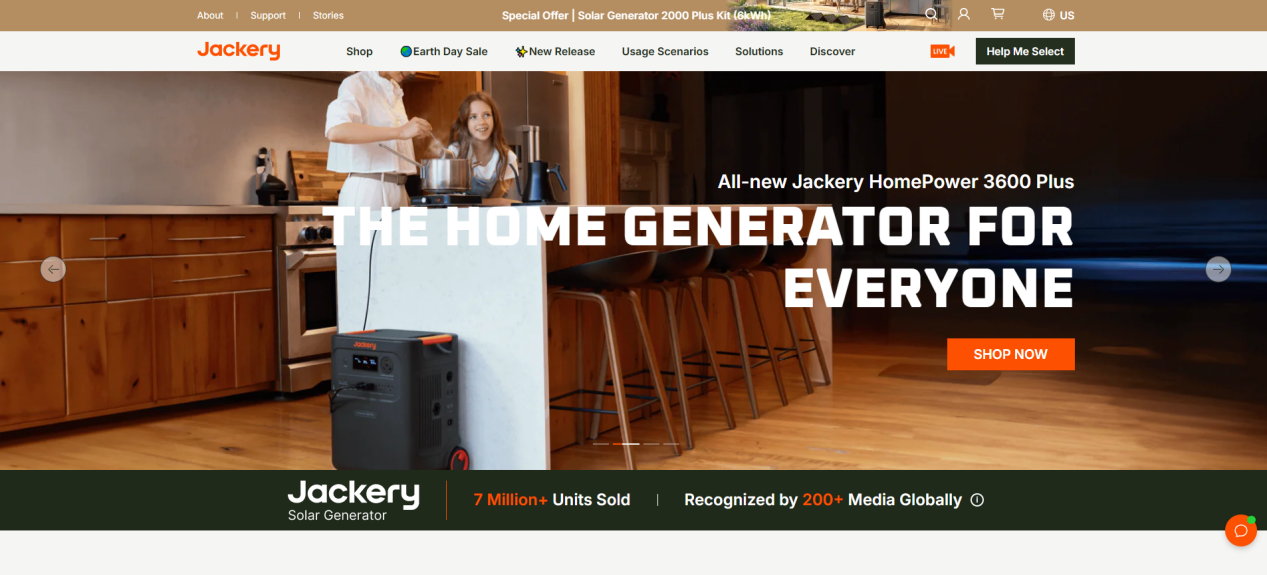
Kanal düzeyinde,Jackery, sınır ötesi e-ticaret platformları + denizaşırı bağımsız siteler ikili moduyla çalışıyor, Amazon, Rakuten, eBay gibi ana kanalları kapsıyor ve bağımsız site özel alan işletimi ile SEO optimizasyonuyla birleşerek küresel müşteri edinme yeteneğini sürekli artırıyor.
Net ürün konumlandırması, sağlam denizaşırı kanallar ve sürekli teknolojik yenilikler sayesinde,2022 yılında Huabao Xinneng başarıyla halka arz edildi ve 'Taşınabilir Enerji Depolama İlk Hissesi' unvanını kazandı.
Şu ana kadar,Jackery'nin küresel kümülatif satışları 7 milyon adedi aştı, yıllık geliri 3,6 milyar yuan'ı geçti ve dünyanın en çok satan taşınabilir enerji depolama lideri haline geldi.
Kaynak:Jackery
KullanarakSosyal medya pazarlamasıyla ürünükullanıcının zihnine 'ekmek'
Taşınabilir enerji depolama, ev acil durum ve açık hava seyahati olmak üzere iki temel senaryoya derinlemesine entegre olmuştur; sürekli olarak büyümek ve ek tüketimi tetiklemek için yalnızca güçlü ürün yetenekleri ve sağlam kanal planlaması yeterli değildir, hassas küresel pazarlama planlaması da eşit derecede önemlidir.
Buna karşılık,Jackery markasıyöntemiyurtdışı sosyal medya trafik fırsatını sıkıca yakalayarak,TikTok gibi ana platformları çekirdek pazarlama alanı olarak kullanarak, platformun büyük trafik ekosistemi sayesinde kullanıcı zihinlerine kademeli olarak nüfuz ediyor.
1.Kendi hesabıyla temel atmak
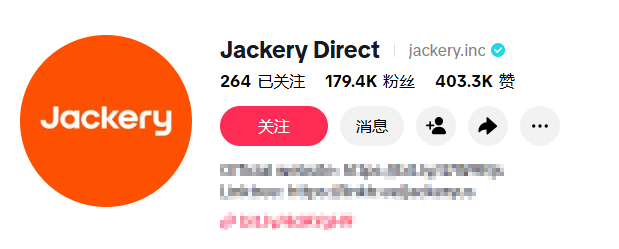
İçindeTikTok 'ninküresel düzenlemede,Jackeryilk adımı isekurmakmarka hesabı。
Bugüne kadar,resmi hesap@Jackery Direct'in takipçi sayısı 17.94 bine ulaştı, toplam beğeni 40.33 bin kez.
Görsel kaynağı:TikTok
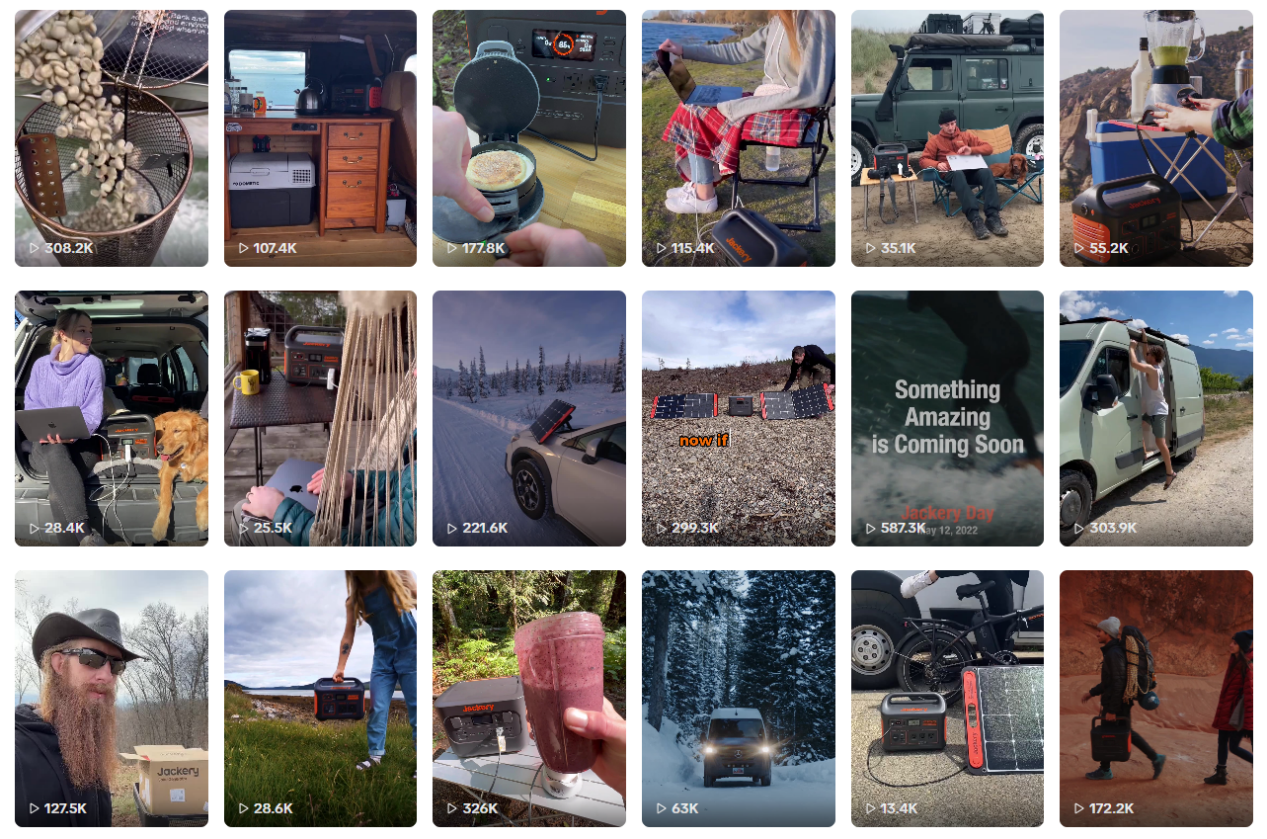
Hesap içeriği temel olarak iki ana yön etrafında yürütülüyor:
Birincisi, düzenli olarak yayınlamakürünlerintanıtım videoları ve en yeni 'nınetkinlik bilgileri, kullanıcıların ürünün temel işlevlerini ve marka dinamiklerini hızlıca anlamalarına yardımcı olur, kullanıcı bağlılığını ve elde tutma oranını etkili bir şekilde artırır;
İkincisi, yaşam tarzı odaklı gerçek sahneler içeriğine derinlemesine odaklanmak, ev acil durum elektrik kullanımı, açık hava kampı, karavanla seyahat gibi çeşitli senaryoları kapsamak.Sahne nüfuzu ve işlev gösterimi yoluyla, potansiyel kullanıcıların ürünün kullanışlılığını görmesini sağlamak,Kullanıcıları bilinçaltından etkileyerek ürünü tanıtmak.
Görsel kaynağı:TikTok
2.InfluencerTanıtım ve görünürlüğü artırma
Bunun yanı sıra, seçkin kaliteliolanInfluencergerçekleştirmekİşbirliği, dirJackery'nin TikTok trafiğini harekete geçirme ve sesini genişletme ikinci adımı.
Denizaşırı kullanıcıların gerçek kullanım ortamına uyum sağlamak için, markabirçokteknoloji türü、dış mekan dikey kategorisiinfluencer işbirliği, aile acil durumu ve açık hava eğlencesi iki temel ihtiyacı etrafında, hedef tüketime hassas bir şekilde ulaşmagrubu。
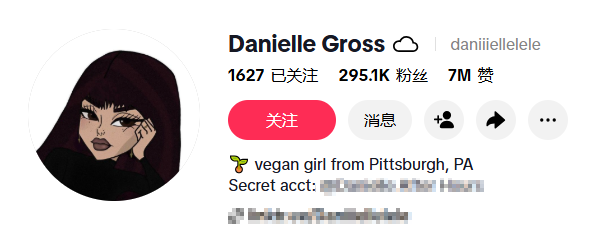
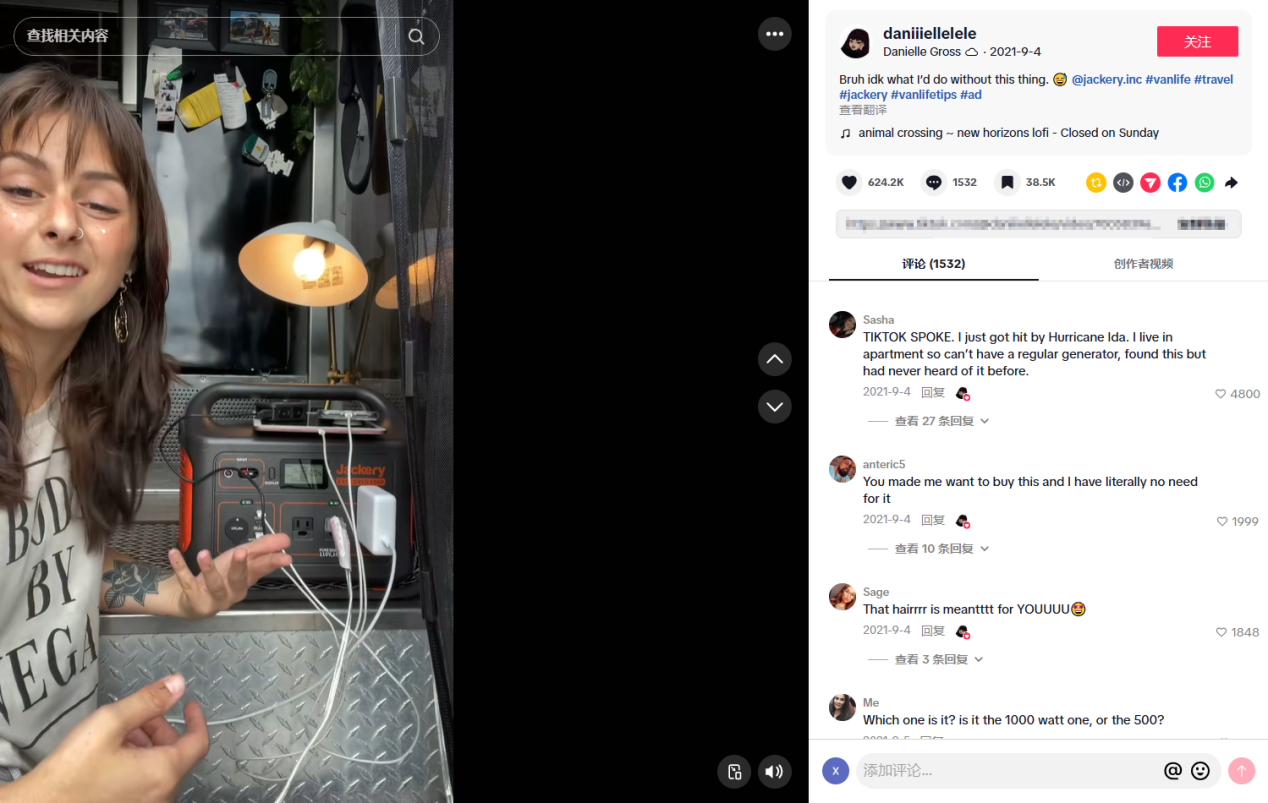
sahip29.51on bin takipçiliTikTokkaravan gezisiInfluencer@Danielle Gross, Jackery için çekim yapmıştıgeçmiştegerçek mekanda ürün tanıtmanınKısa film.
Kaynak:TikTok
Video, karavan yaşamı günlük rutinini ana hat olarak alıyor, markanın taşınabilir enerji depolama cihazının dış mekan pratik değerini gerçek sahnelerle gösteriyor. İster cep telefonu, bilgisayar gibi dijital ürünler, ister vantilatör, mutfak aletleri gibi küçük ev aletleri olsun, istikrarlı şekilde güç sağlayarak dış mekan seyahatlerindeki elektrik sorunlarını çözüyor.
Bu günlük hayat tarzındaki gerçek sahne paylaşım içeriği, piyasadan çok parlak geri dönüşler aldı. Bugüne kadar, toplam izlenme sayısıaştı3.8 milyon, beğenisayısıulaştı62.42on bin.
Sürükleyici sahne içeriği çıktısına dayanarak, izleyiciler doğal izleme sürecinde,kolaycamarkayı kolayca tanır, ürün avantajlarını öğrenir, farkında olmadan derinlemesine ilgi uyandırılır.
Kaynak:TikTok
Sonuç
Geriye dönüp baktığımızdaJackery'nin denizaşırı yolu aslında karmaşık değil, temel nokta denizaşırı gerçek ihtiyaçları bulmak ve ardından pratik ürünler, kapsamlı kanallar ve etkili sosyal medya pazarlaması ile bunu sağlam bir şekilde karşılamak.
Taşınabilir enerji depolama bu yarış pisti, yurt içinde hala geniş kitle kategorisi sayılmayabilir, ancak Avrupa, Amerika, Japonya gibi pazarlarda aile acil durum ve dış mekan yaşamının standart bir parçasıdır.Bu yurtdışı sıcak, yurtiçi soğuk talep uyumsuzluğu, tam da şu anda denizaşırı genişleme için en büyük fırsat noktasıdır.
Yurt içi işletmeler için şu anda denizaşırı pazarları yeniden değerlendirmek için iyi bir zaman. Artık yurt içi deneyimleri denizaşırı ülkelere uygulamayın ve denizaşırı genişlemeyi sadece mal satmak olarak anlamayın.Gerçek fırsatlar, genellikle denizaşırı kullanıcıların gerçek yaşamını anlamanızda gizlidir.
Yol zaten biri tarafından açıldı. Geriye kalan, kimin o adımı atmaya istekli olduğuna bağlı.