 2086
2086هل تصدق؟ في الولايات المتحدة، يفقد أكثر من 3000 رضيع حياتهم سنويًا بسبب متلازمة موت الرضع المفاجئ (SIDS)! وقد أدى ذلك إلى زيادة كبيرة في حاجة الآباء الجدد إلى مراقبة صحة الرضع، مما أدى إلى ظهور سوق ضخم.
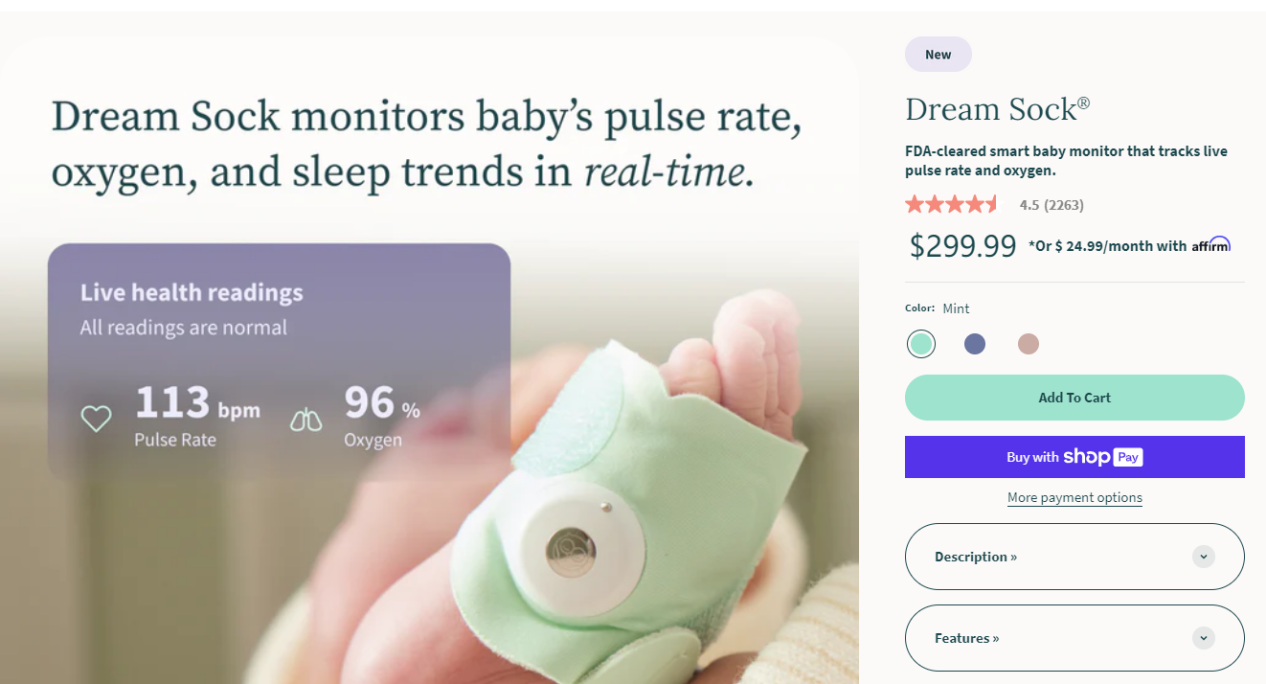
العلامة التجارية Owlet التي سنتحدث عنها اليوم، استغلت هذا الاتجاه في السوق، وبفضل جوارب مراقبة ذكية بسعر 299 دولارًا، حققت إيرادات سنوية قدرها 78.06 مليون دولار (حوالي 550 مليون يوان صيني) في عام 2024، مما جعلها تحتل المراكز العشرة الأولى في قائمة أفضل البائعين في فئة المنتجات ذات الصلة على أمازون، وحصلت على شهادة FDA بفضل وظائف المراقبة الطبية، لتصبح علامة تجارية ظاهرية في مجال تربية الأطفال العلمية.
فكيف استطاعت هذه العلامة التجارية استغلال الاحتياجات والاستحواذ بسرعة على الأسواق الخارجية؟
المصدر: Owlet
جدار مبني بحب الأب
وفقًا للمعلومات، يعود دافع تأسيس العلامة التجارية Owlet من قبل المؤسس Kurt Workman إلى قلقه كأب مستقبلي، حيث جعله تاريخ أمراض القلب في عائلة زوجته يشعر بالقلق بشأن صحة الجنين.
بدفع من هذا الشعور، بدأ Kurt في الاهتمام بمجال مقياس التأكسج النبضي، وأراد تصميم جهاز يمكنه مراقبة الرضيع باستمرار. خلال هذه الفترة، جذبت فكرته بعض الزملاء الخريجين ذوي التفكير المماثل، وأسسوا معًا العلامة التجارية Owlet في مايو 2013.

المؤسس المشارك والرئيس التنفيذي Kurt Workman المصدر: Justin Brady
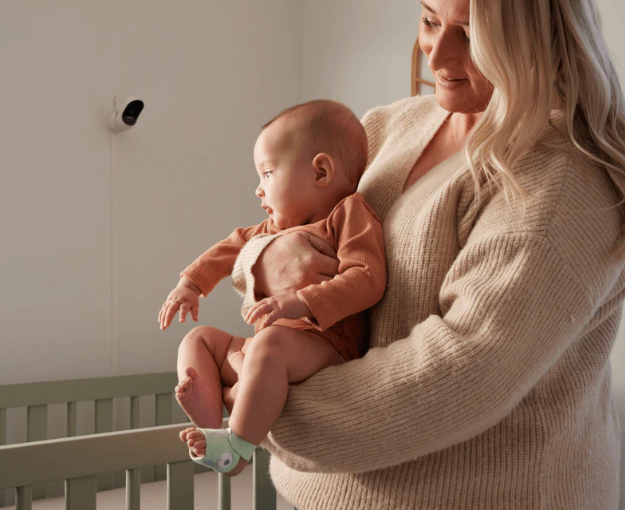
في عام 2015، أطلقت العلامة التجارية أول منتج لها، Smart Sock، الذي يعتمد على شكل جوارب خفيفة، ويدمج بذكاء مقياس التأكسج النبضي، مما يمكنه من مراقبة معدل ضربات قلب الرضيع، وتشبع الأكسجين، وجودة النوم في الوقت الفعلي، وإرسال تنبيهات للآباء عبر التطبيق. سرعان ما استهدف هذا التصميم المبتكر نقاط الألم لدى الآباء الجدد، وتجاوزت مبيعات السنة الأولى 100 ألف زوج، وجذب استثمارات رأسمالية مخاطرة تراكمية بقيمة 180 مليون دولار.
ومع ذلك، لم يكن طريق ريادة الأعمال سلسًا. في عام 2021، بعد إدراج Owlet في بورصة نيويورك، تم إيقاف مبيعاتها من قبل الجهات التنظيمية لعدم حصولها على موافقة FDA، مما أدى إلى انخفاض حاد في أسعار الأسهم.

المصدر: Fierce Biotech
بعد هذا التغيير، قام فريقها بتعديل الاستراتيجية بسرعة، واستثمر في الترقيات التقنية والامتثال التنظيمي، وفي النهاية حصل على موافقة FDA في عام 2023، وعاد المنتج إلى السوق بدعم "درجة طبية" ليكسب ثقة السوق.
في عام 2024، تم إطلاق النسخة المطورة Dream Sock، وارتفعت الإيرادات السنوية إلى 78.06 مليون دولار، وضاقت الخسائر بشكل كبير، لتصبح شركة رائدة في مجال تكنولوجيا الأم والطفل.
المصدر: Owlet
التواجد على منصات متعددة: من التسويق عبر وسائل التواصل الاجتماعي إلى التحويل على الموقع المستقل
في عصر وسائل التواصل الاجتماعي، أصبحت منصات مثل Instagram وTikTok مساحات مهمة للآباء الصغار للحصول على معلومات تربية الأطفال وتبادل الخبرات يوميًا.
استغلت العلامة التجارية Owlet هذا الاتجاه، ورصدت بدقة العديد من احتياجات ونقاط الألم لدى مجموعة تربية الأطفال، وبفضل استراتيجية تسويق ذكية عبر وسائل التواصل الاجتماعي، نجحت في دفع منتجاتها إلى السوق، وبرزت في مجال تربية الأطفال.
1. TikTok: التعاطف العاطفي واختراق الفئات
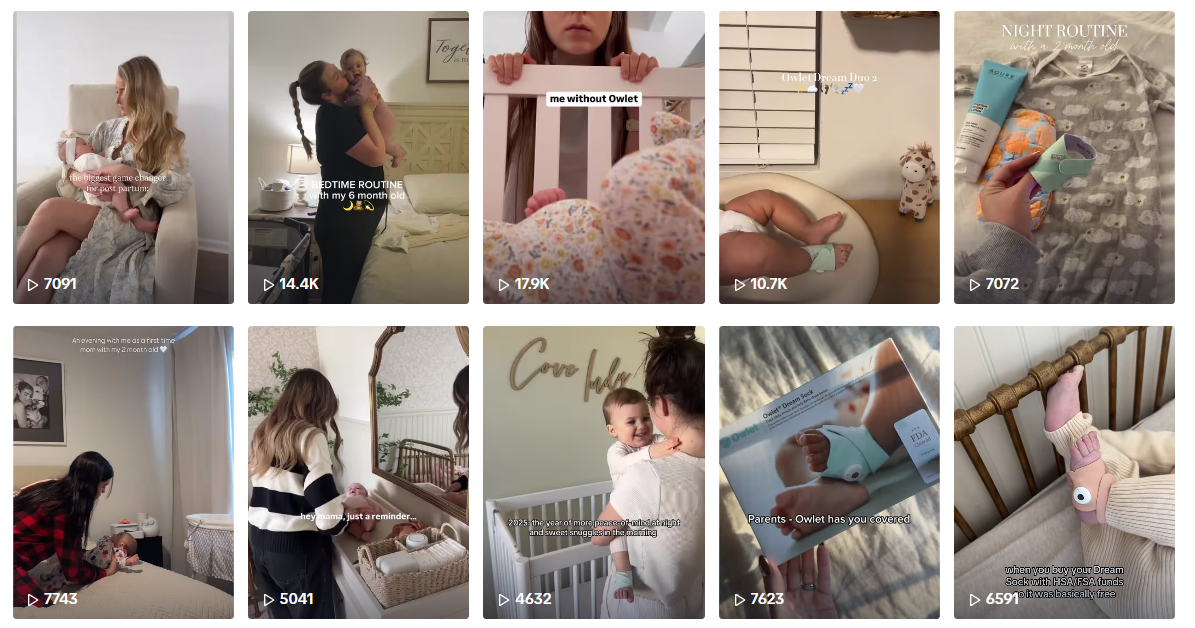
على TikTok، تركز العلامة التجارية Owlet بشكل أساسي على نشر محتوى واقعي وسياقي، مثل فيديوهات يومية للآباء الجدد الذين يسهرون لتهدئة أطفالهم، ومدونات فيديو للأمهات، لإثارة التعاطف العاطفي لدى المستخدمين، وبناء صورة "صديقة للرضع" للعلامة التجارية.
في الوقت نفسه، ينشر الحساب الرسمي للعلامة التجارية @owletbabycare فيديوهات لتعليقات مستخدمين مختلفين، لعرض المزايا الفريدة والنتائج الفعلية للمنتج بشكل مباشر.
المصدر: TikTok
حاليًا، حصل هذا الحساب على 72.9 ألف متابع، بإجمالي مشاهدات يتجاوز 82.16 مليون، حيث حقق فيديو رائج يعرض ارتداء الرضيع للمنتج أكثر من 15.8 مليون مشاهدة، مما جلب للعلامة التجارية تدفقًا جيدًا واهتمامًا.
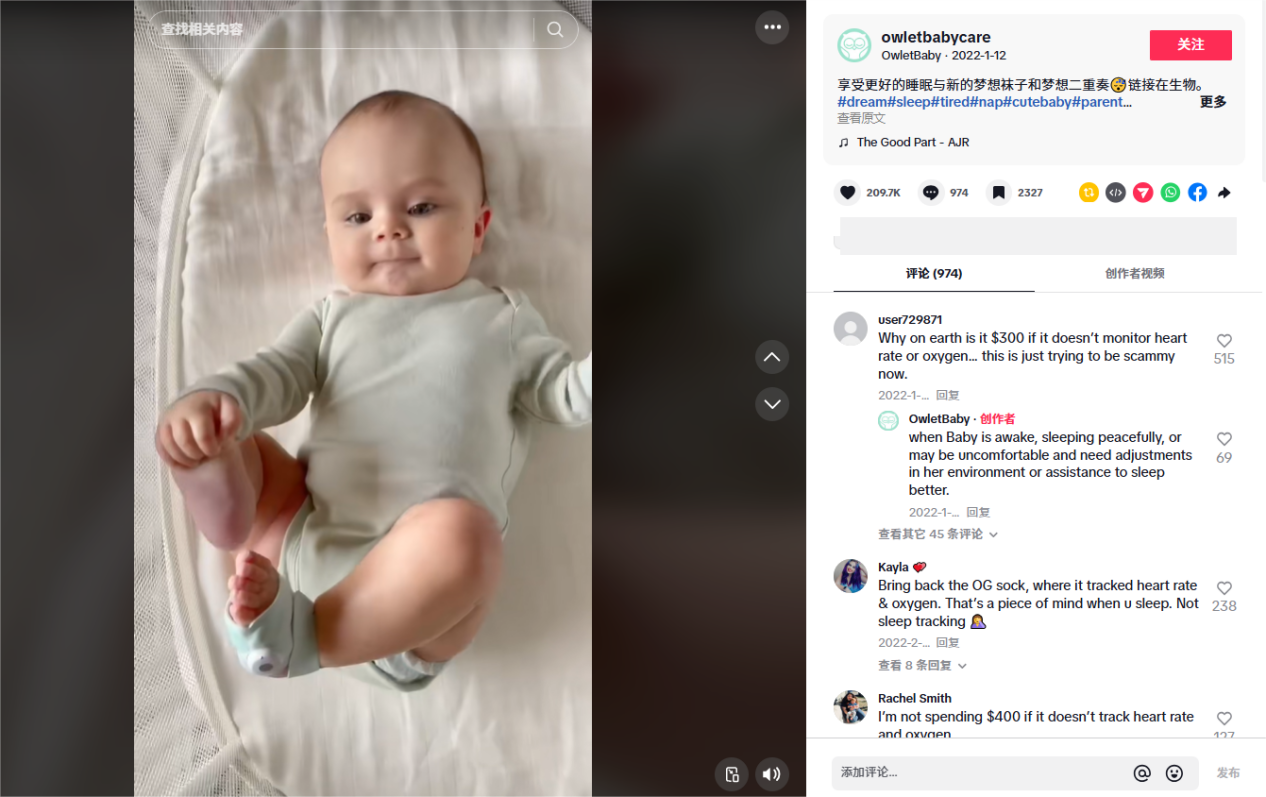
المصدر: TikTok
بالإضافة إلى ذلك، توسع العلامة التجارية Owlet نطاق صوتها من خلال التعاون مع مؤثرين غير متخصصين في المجال، حيث أن معظم هؤلاء المؤثرين هم آباء جدد، وتتطابق صورة متابعيهم بشكل كبير مع الجمهور المستهدف، مما جلب للعلامة التجارية وصولًا دقيقًا وانتشارًا طبيعيًا للسمعة.
على سبيل المثال، المدونة المتوسطة @savannad.mccarty التي لديها 114.9 ألف متابع، وهي أم جديدة، لا يسجل حسابها فقط الحياة اليومية الحقيقية لطفلها، بل توصي أحيانًا ببعض المنتجات المفيدة. في 3 مايو 2024، نشرت هذه المدونة فيديو عن جوارب Owlet الذكية التي أنقذت حياة طفل، مما جذب انتباهًا كبيرًا بسرعة، وحقق الفيديو الآن 1.7 مليون مشاهدة.
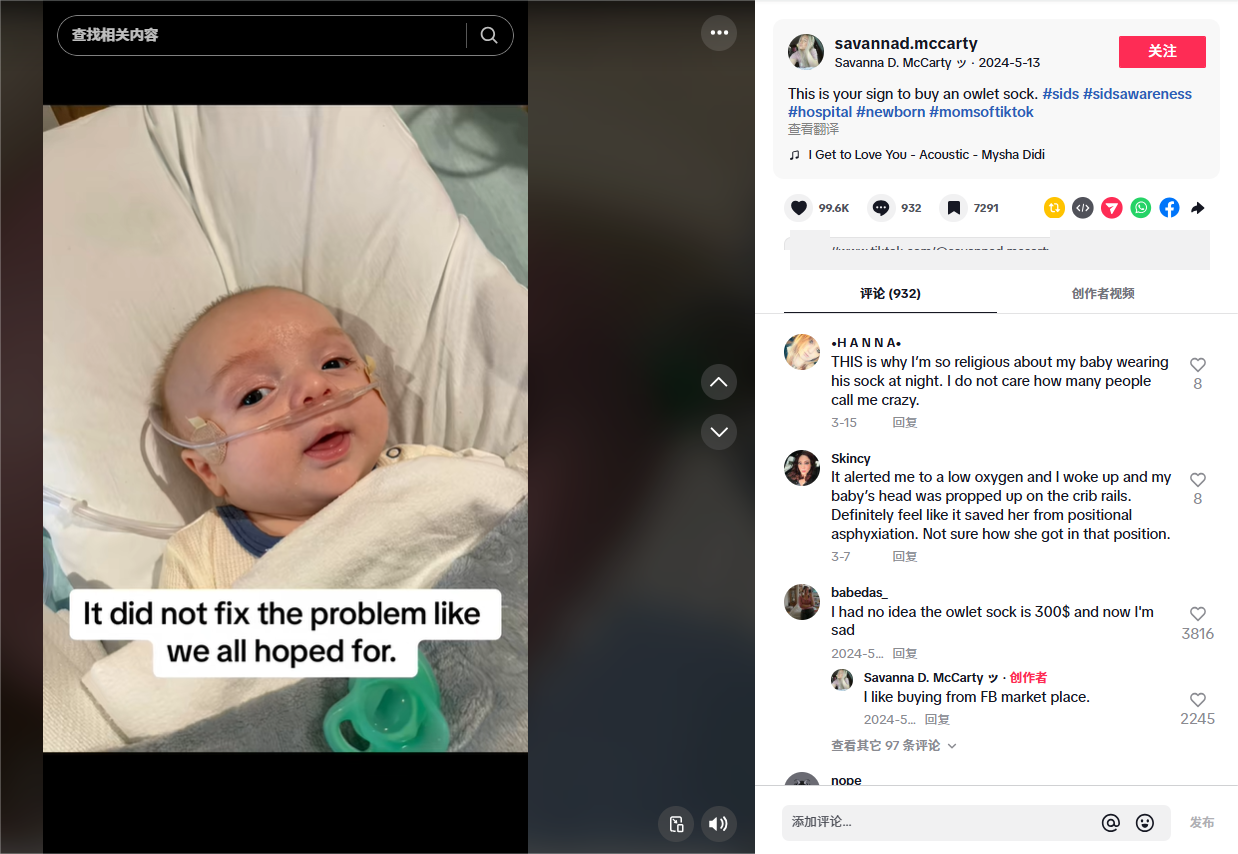
المصدر: TikTok
2. Instagram: بناء مجتمع تربية الأطفال
استراتيجية المحتوى للعلامة التجارية Owlet على Instagram تقترب من نفس استراتيجية TikTok، حيث جمع الحساب الرسمي @Owlet حاليًا أكثر من 471 ألف متابع.
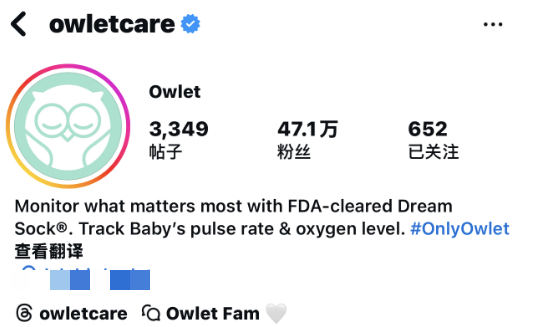
المصدر: Instagram
بالإضافة إلى عرض الفيديوهات، تشارك العلامة التجارية أيضًا بعض شهادات المستخدمين، لعرض ردود فعل الآباء الذين "تمكنوا أخيرًا من النوم ليلاً كاملاً" بعد استخدام المنتج، مما يسمح للمستخدمين بالشعور بالقيمة الفعلية للمنتج من خلال حالات حقيقية، وبالتالي يسهل إثارة التعاطف والانتماء.
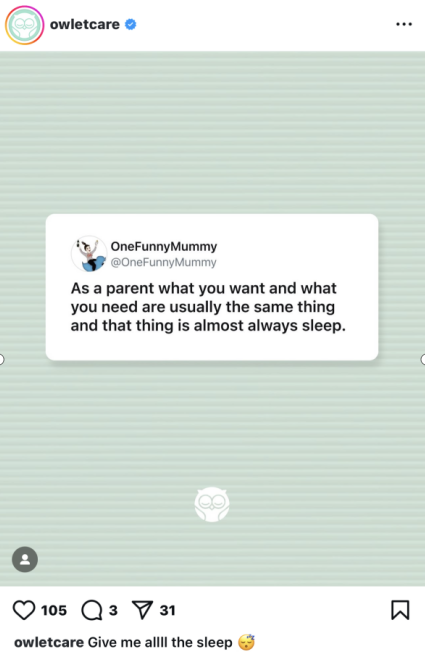
المصدر: Instagram
استغلال نقاط الاحتياج، والهجوم المباشر على الأسواق المتخصصة
من الجدير بالذكر أنه من مسيرة تطور العلامة التجارية Owlet، يمكن رؤية أن سوق الأم والطفل اليوم لم يعد يقتصر على المسارات التقليدية مثل زجاجات الرضاعة، وملابس الأطفال، والحفاضات كما في السابق، فمع تطور التكنولوجيا، أصبحت تقنيات الذكاء الاصطناعي والمراقبة الذكية تنتشر تدريجيًا في أسر تربية الأطفال، وتنمو حصة السوق ذات الصلة عامًا بعد عام.
وفقًا لبيانات من طرف ثالث، من المتوقع أن ينمو حجم سوق أجهزة مراقبة الرضع العالمية من 1.48 مليار دولار في عام 2025 إلى 2.49 مليار دولار بحلول عام 2034. في ظل هذا الاتجاه، قد يمثل ذلك موجة جديدة من نقاط النمو للعلامات التجارية التي ترغب في الانضمام.
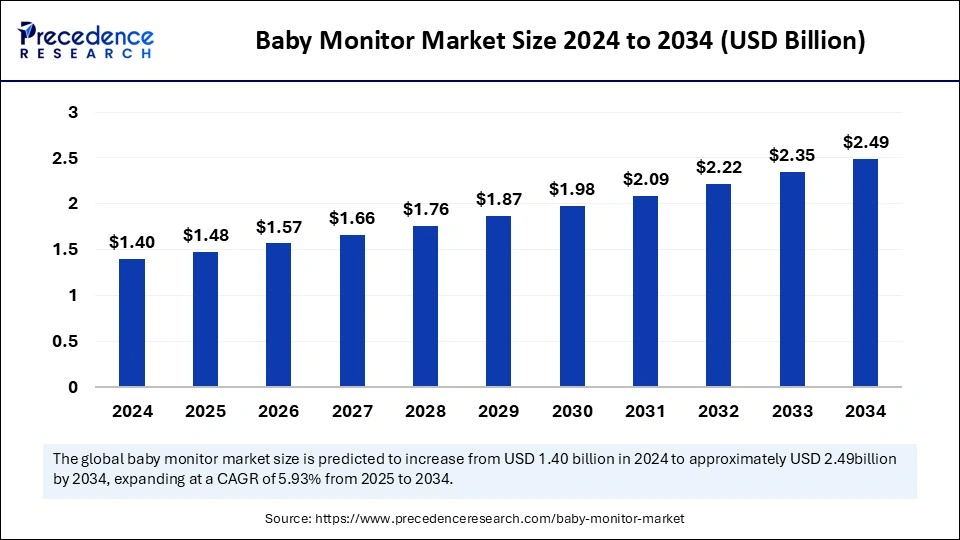
المصدر: Precedence Research
خاتمة
نجاح العلامة التجارية Owlet يؤكد اتجاهًا، وهو أن السوق العالمية تفتح أبوابها على مصراعيها للعلامات التجارية التي تحل مشاكل المستخدمين حقًا. سواء في مجال الأم والطفل، أو الأجهزة الذكية، أو غيرها من المسارات، يتوقع المستهلكون في الخارج منتجات أكثر ابتكارًا وإنسانية.
بناءً على ذلك، إذا أرادت العلامة التجارية أن تثبت قدمها في السوق الخارجية، فإنها تحتاج إلى فهم عميق لاحتياجات المستخدمين، وتطوير المنتجات بأفكار مبتكرة وتصميمات مدروسة، لتتمكن من التميز في المنافسة الشرسة، وكسب اعتراف المستهلكين وتقديرهم.