 3051
3051في السنوات الأخيرة، برزت العلامات التجارية الصينية للأجهزة المنزلية الصغيرة بشكل متزايد على الساحة العالمية. من أجهزة المطبخ إلى الأجهزة البيئية المنزلية، تمكنت العلامات التجارية المحلية، بفضل مزايا سلسلة التوريد والابتكار، من التخلص تدريجياً من وصمة "التصنيع الرخيص"، لتصبح مرادفاً للجودة والقيمة الممتازة.
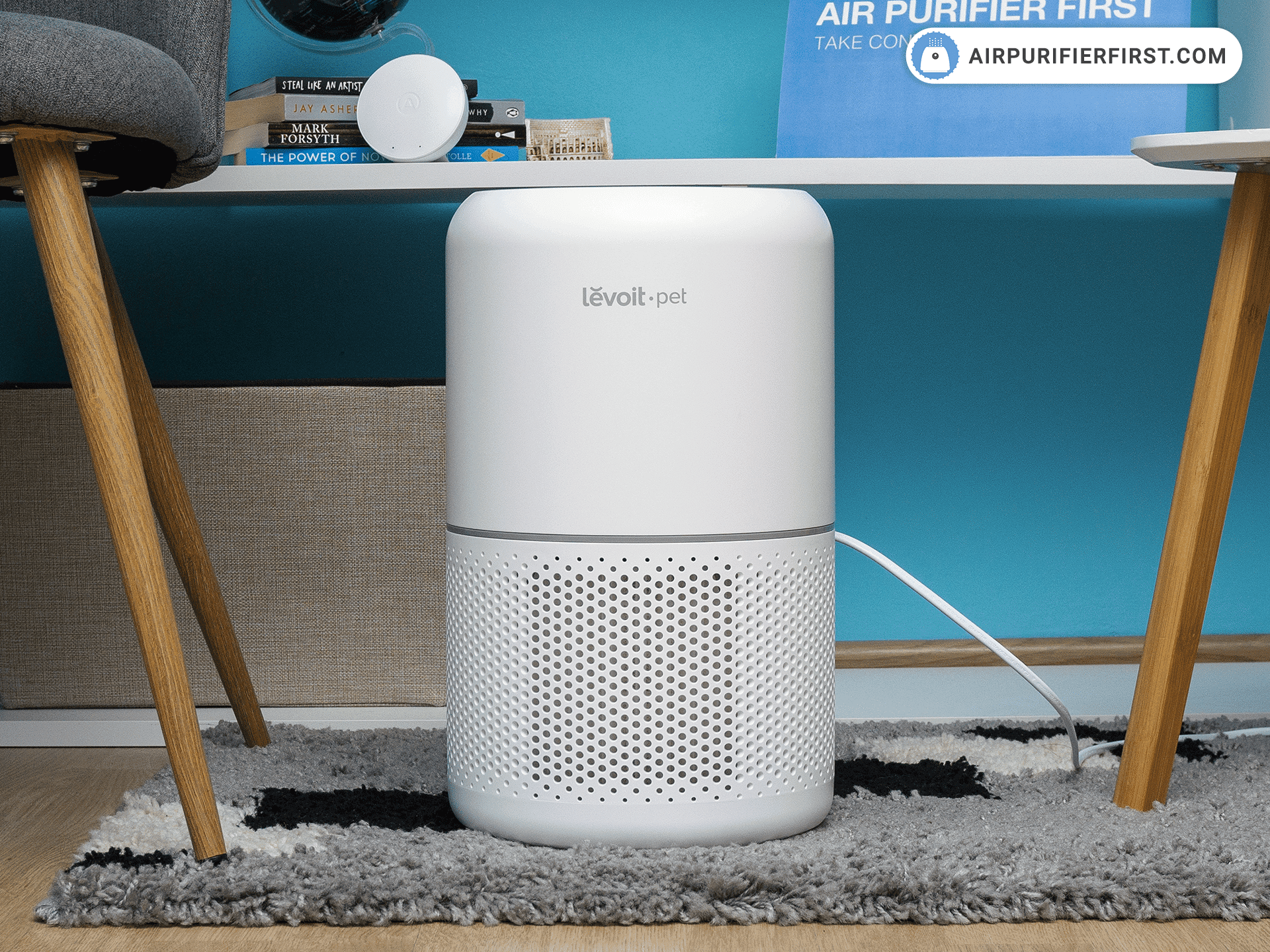
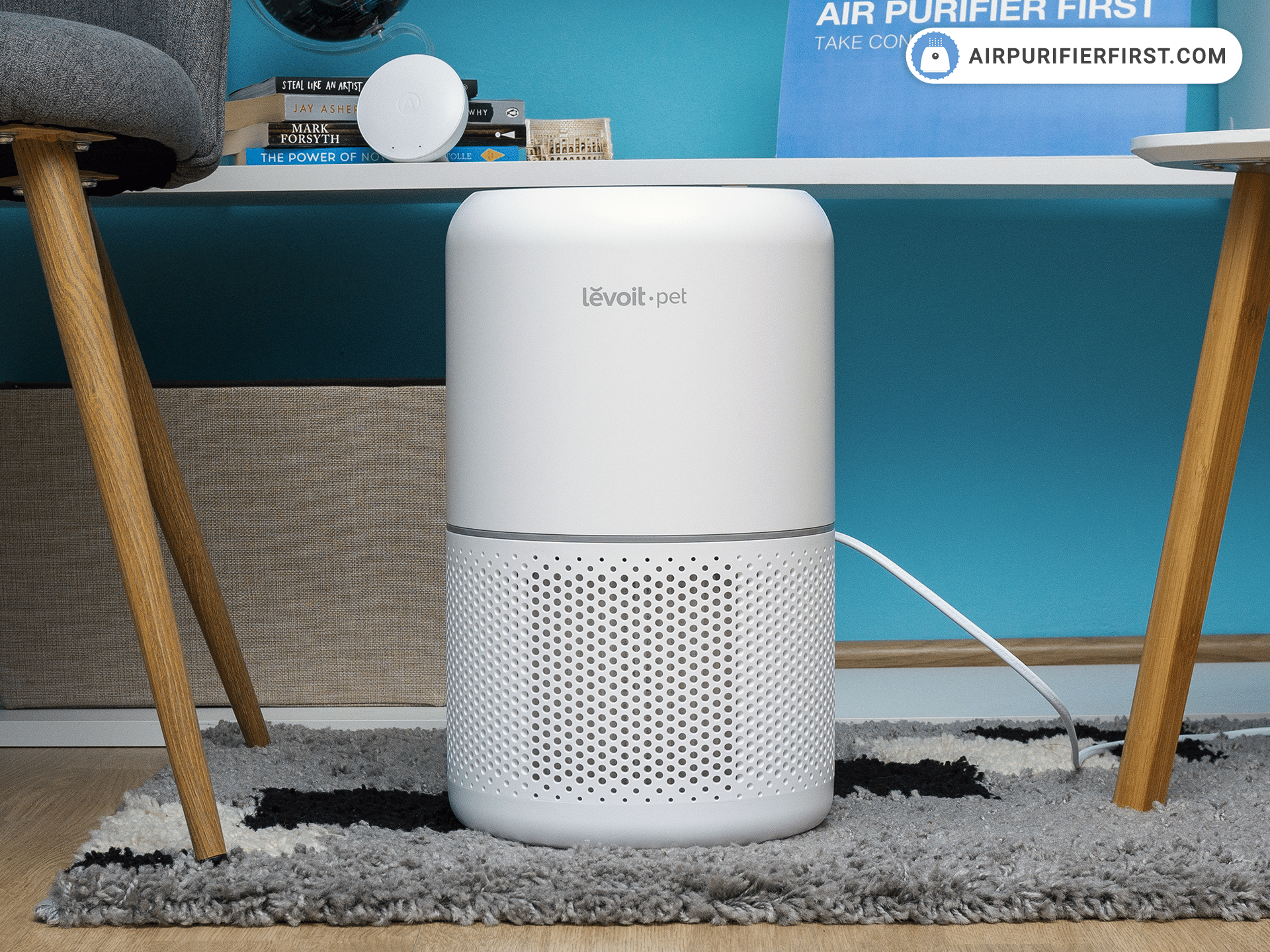
في خضم هذه الموجة، يبرز التطور السريع لعلامة Levoit التجارية بشكل لافت للنظر، حيث تحتل أجهزة الترطيب المتعددة الخاصة بها المرتبة الأولى في حصة السوق الأمريكية، محققة مبيعات شهرية على أمازون تتجاوز 500 ألف وحدة، وإيرادات تزيد عن 47 مليون دولار أمريكي، مع ارتفاع في مؤشر البحث على جوجل بنسبة 48% مقارنة بالعام الماضي.
ما هي الجهود التي بذلتها علامة Levoit التجارية لتحقيق هذا النجاح؟
المصدر: الإنترنت
من القبو إلى شركة مدرجة: رحلة Levoit العكسية على مدى عقد من الزمن
علامة Levoit التجارية هي العلامة الأساسية لشركة Shenzhen Chenbei Technology Co., Ltd. (VeSync)، وتتمتع قصة مؤسستها السيدة يانغ بلمسة أسطورية.
في عام 2011، أسست المؤسسة يانغ لين سلف شركة Vesync في قبو في الولايات المتحدة، وبدأت ببيع سلع صغيرة مثل المقابس والمفاتيح عبر متجر إلكتروني. بفضل بصيرتها الثاقبة في سوق أمريكا الشمالية، حولت تركيز أعمالها نحو الأجهزة المنزلية الصغيرة، وأطلقت في عام 2016 العلامة التجارية الفرعية Levoit المتخصصة في الأجهزة البيئية.

المصدر: VeSync
في ذلك الوقت، عاد الاهتمام بجودة الهواء في الأسواق الأوروبية والأمريكية للارتفاع بسبب جائحة كوفيد-19، فدخلت علامة Levoit التجارية بقوة من خلال الجمع بين "القيمة العالية والوظائف المتخصصة"، وسدت بسرعة الفجوة في السوق المتوسطة، موسعة منتجاتها لتشمل أجهزة الترطيب، وأجهزة تنقية الهواء، والمراوح العمودية، والمكانس الكهربائية، ومنظمات الحرارة، وغيرها من الأجهزة المنزلية الصغيرة المختلفة.
في عام 2020، أُدرجت الشركة الأم Vesync في بورصة هونغ كونغ، لتصبح أول شركة تدخل سوق رأس المال بصفة تجارة إلكترونية عبر الحدود.
أظهر التقرير المالي لعام 2024 أن إيرادات Vesync السنوية بلغت 653 مليون دولار أمريكي، حيث تجاوزت إيرادات علامة Levoit التجارية 423 مليون دولار أمريكي، بزيادة سنوية قدرها 29.5%، وشكلت 64.9% من إجمالي إيرادات الشركة الأم، لتصبح المحرك الرئيسي لنمو Vesync الإجمالي.
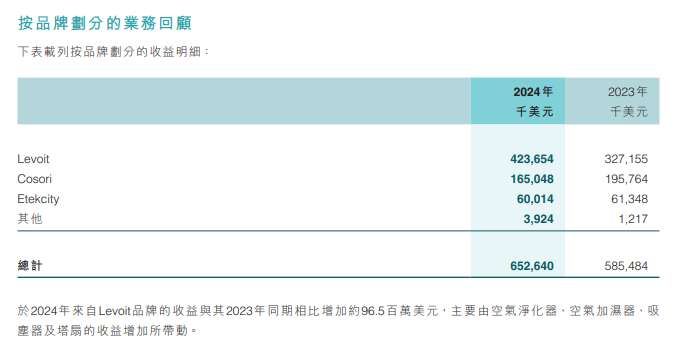
التقرير المالي لشركة VeSync لعام 2024
رياح الصناعة المواتية: سلامة الهواء تخلق مساراً بمليارات الدولارات
من مسار تطور علامة Levoit التجارية، يمكن ملاحظة أن انفجار سوق الأجهزة البيئية المنزلية هذه هو في جوهره "ترقية استهلاكية مدفوعة بالأزمات".
بعد عام 2019، بلغ قلق المستهلكين العالميين بشأن سلامة الهواء الداخلي ذروته. أظهرت بيانات مؤسسة الأبحاث KingsResearch أن حجم سوق أجهزة تنقية الهواء العالمية بلغ 15.59 مليار دولار أمريكي في عام 2023، ومن المتوقع أن ينمو إلى 26.75 مليار دولار أمريكي بحلول عام 2031، بمعدل نمو سنوي مركب قدره 7.07%.
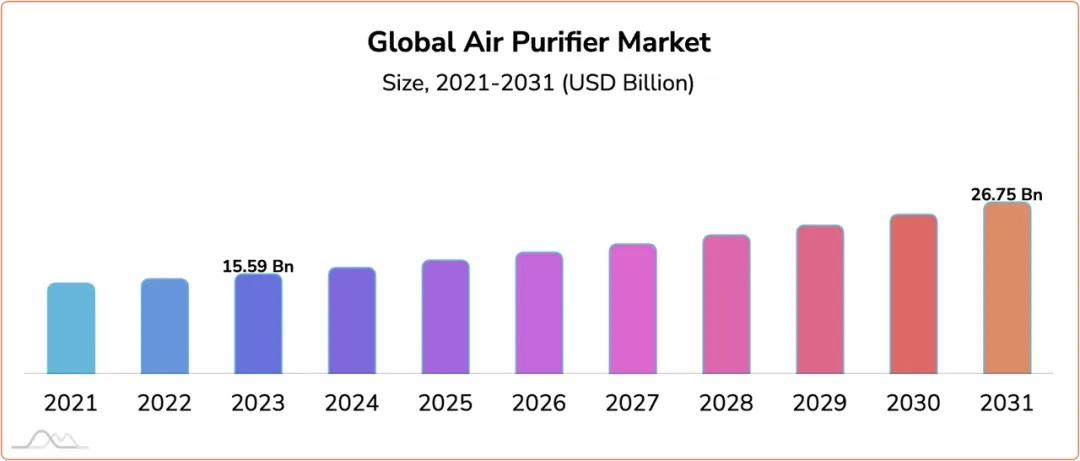
المصدر: KingsResearch
أما سوق أمريكا الشمالية فهو مميز بشكل خاص، حيث يجمع بين إرث الوعي البيئي الناتج عن حادثة الدخان في نيويورك والطلب الصارم على صحة الأماكن المغلقة بعد الجائحة.
التقطت علامة Levoit التجارية هذا الاتجاه بدقة، حيث حددت سعر منتجاتها بثلث سعر دايسون وهانيويل فقط، واستخدمت محتوى مدعوماً من مؤسسات تقييم متخصصة (مثل HouseFresh وTechGearLab) لإثبات أن أداءها يمكن مقارنته بالعلامات التجارية الراقية، مما نجح في بناء صورة "المنتج الاحترافي بأسعار معقولة"، وبالتالي اختراق السوق.
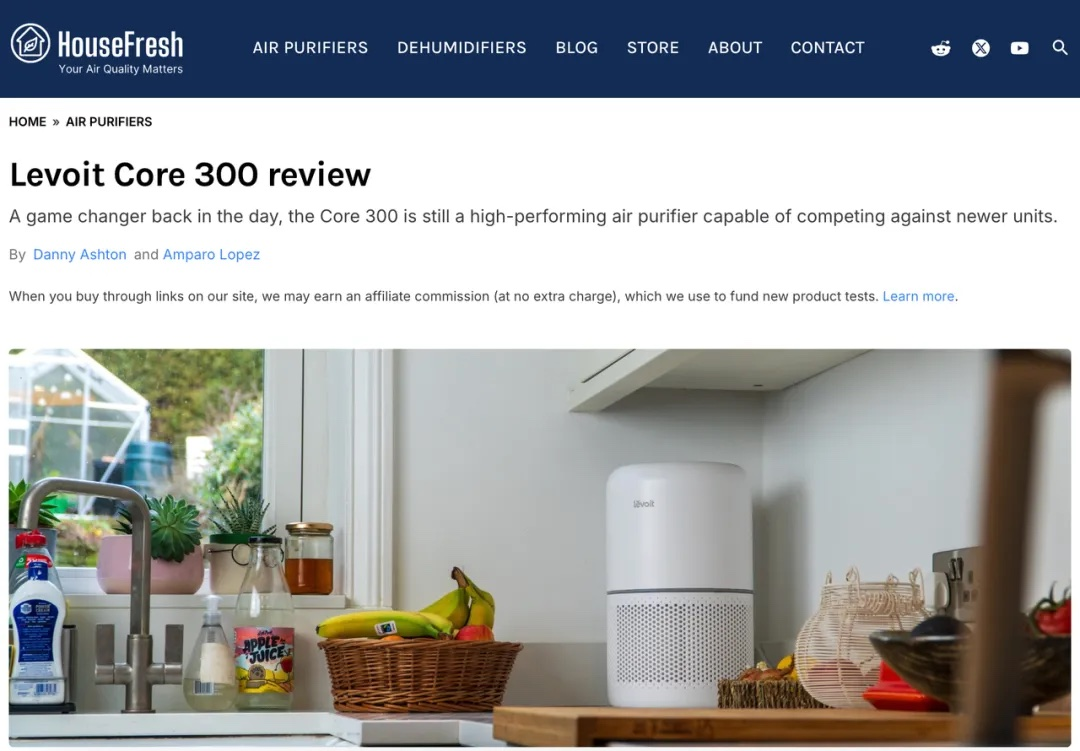
المصدر: HouseFresh
اختراق متعدد المنصات، شفرة التدفق للعلامة التجارية
لاختراق الأسواق الخارجية المحاطة بمنافسين أقوياء، لا يكفي الاعتماد على قوة المنتج فقط، لذلك وجهت علامة Levoit التجارية أنظارها نحو ساحة معركة تدفق أوسع.
1. TikTok: إطلاق الصدى من خلال "اللامركزية"
على TikTok، تتقن علامة Levoit التجارية فن الاتصال "اللامركزي".
على عكس بعض العلامات التجارية التي تسعى وراء المؤثرين من الدرجة الأولى، تختار Levoit التعاون مع عدد كبير من المؤثرين من الفئات المتوسطة والدنيا. من خلال أسلوب التعاون هذا، توسع العلامة التجارية من انتشارها مع تقليل تكاليف التسويق، ويمكن ملاحظة ذلك من قائمة المؤثرين المرتبطين بعلامة Levoit التجارية.
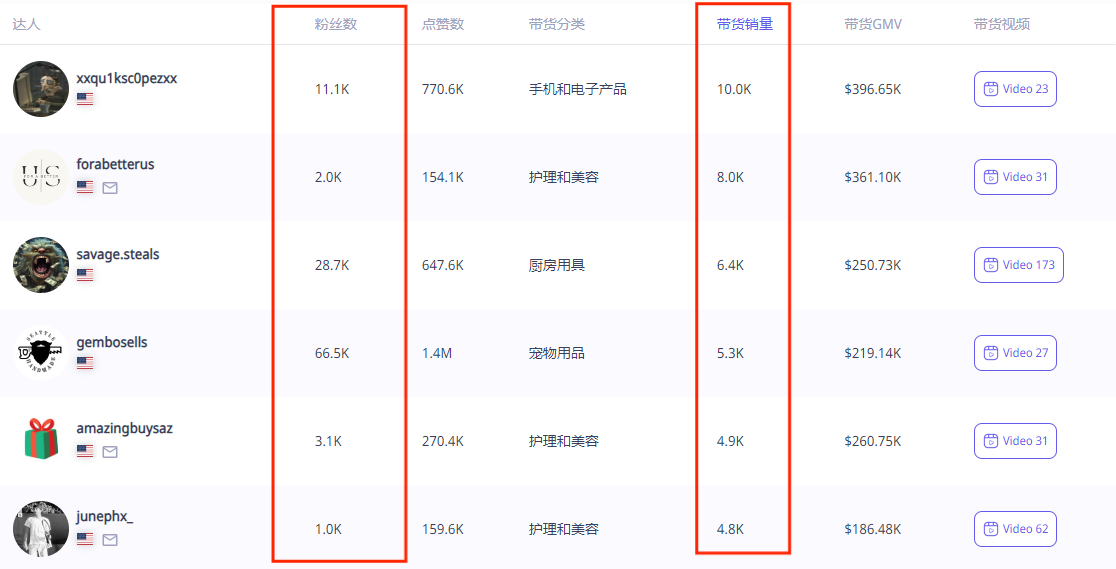
قائمة المؤثرين المرتبطين المصدر: echotik
في استراتيجية المحتوى، بدلاً من السيطرة القوية على نصوص المحتوى، تفضل Levoit "تفويض السلطة"، أي توفير معلومات أساسية عن المنتج فقط وتشجيع المؤثرين على الإبداع الحر.
عند البحث عن #levoit على TikTok، يمكن رؤية ما يقرب من 17 ألف مقطع فيديو، تتراوح بين المراجعات والتحدث المباشر وعرض السيناريوهات الحياتية، وتغطي تقريباً معظم فئات الفيديو، مما يسمح للمؤثرين بإطلاق العنان لإبداعهم لإظهار تنوع المنتج وفائدته.
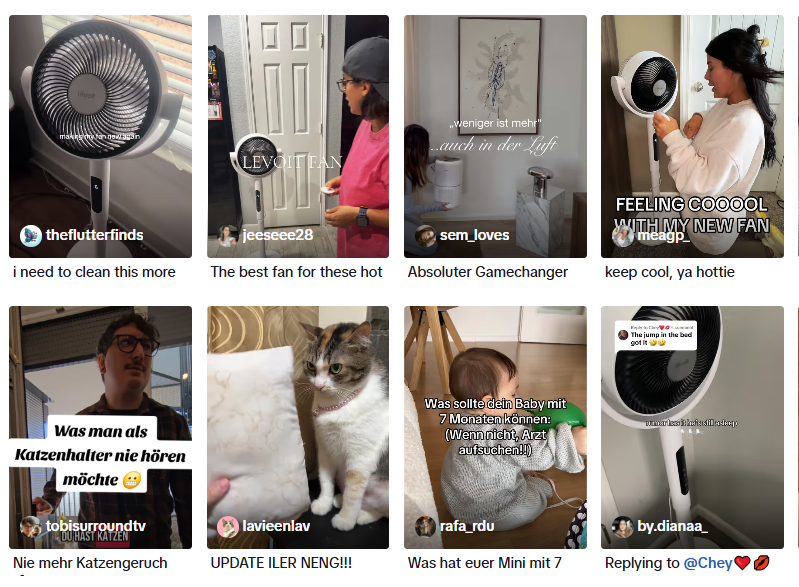
المصدر: TikTok
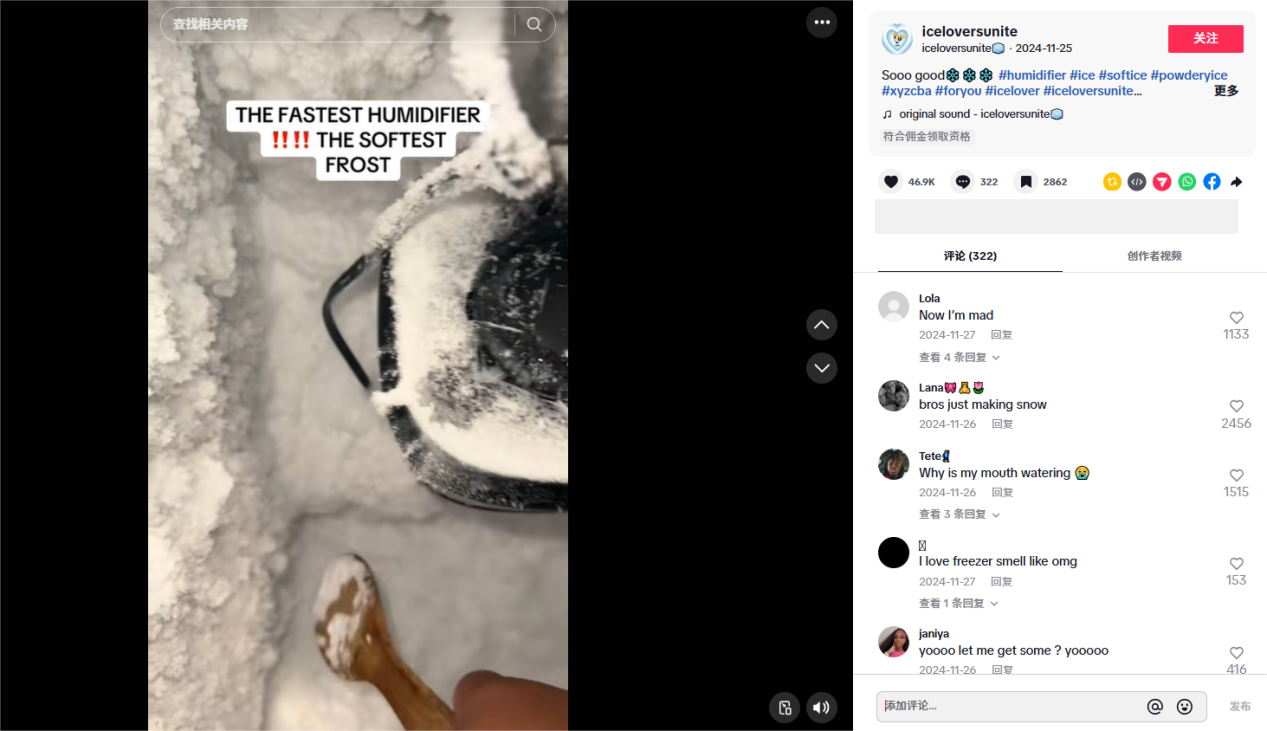
على سبيل المثال، نشر مؤثر TikTok @iceloversunite (عدد المتابعين 3181) في نوفمبر 2024 مقطع فيديو لصنع الثلج باستخدام جهاز ترطيب من علامة Levoit، حيث قدم منظوراً جديداً لأداء المنتج من حيث استقرار البخار وسعة كبيرة، وحقق الفيديو في النهاية 1.5 مليون مشاهدة، مما جلب تدفقاً وانتشاراً جيدين للعلامة التجارية.
المصدر: TikTok
2. Instagram: اختراق العقول من خلال أسلوب الحياة
على عكس الإبداع الحر على TikTok، كانت Levoit أكثر تقليدية على Instagram، حيث تتعاون بشكل أساسي مع مؤثري أسلوب الحياة (Lifestyle) لإنشاء محتوى سياقي، وتدمج Levoit منتجاتها في سرديات الحياة اليومية.
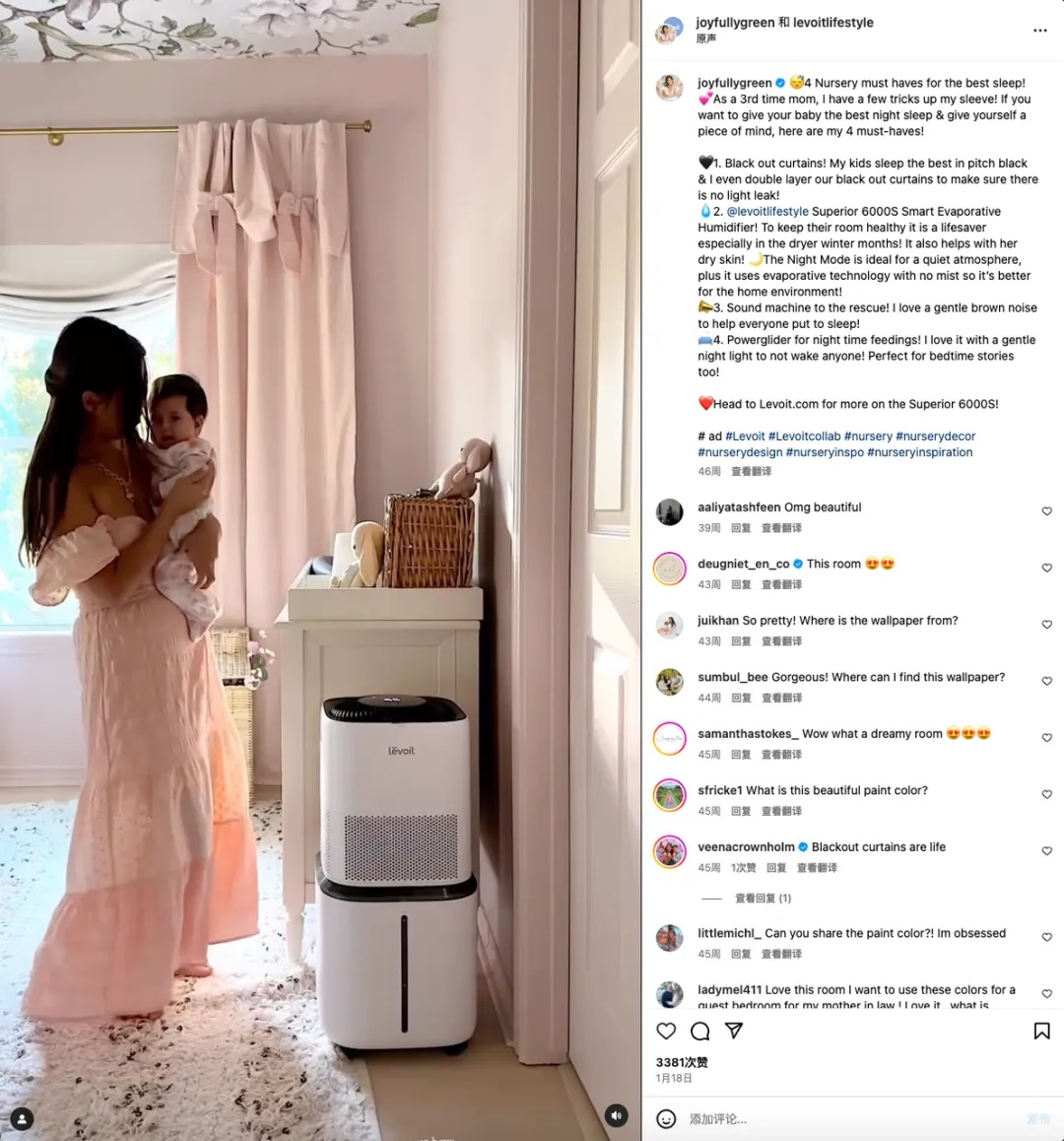
على سبيل المثال، شاركت مدونة الأمومة @Joy Green سيناريو "صحة نوم الطفل"، وجمعت بمهارة بين وظيفة الترطيب وقلق تربية الأطفال، وبلغ معدل التفاعل مع الفيديو 8%، وحصل هذا الفيديو "الإعلاني الناعم" في النهاية على 3381 إعجاباً.
يتجنب هذا "التسويق السياقي" الشعور بالتنافر في الإعلانات التقليدية، ويسمح للمنتج بأن يصبح جزءاً طبيعياً من حياة المستخدم المثالية، مما يؤدي بشكل طبيعي إلى زيادة انتشار العلامة التجارية.
المصدر: Instagram
3. الموقع المستقل: بناء خندق للعلامة التجارية
الموقع المستقل هو المعقل الأساسي لعلامة Levoit التجارية، ومنذ إطلاقه في عام 2018، شهد تدفق زيارات الموقع نمواً مطرداً.
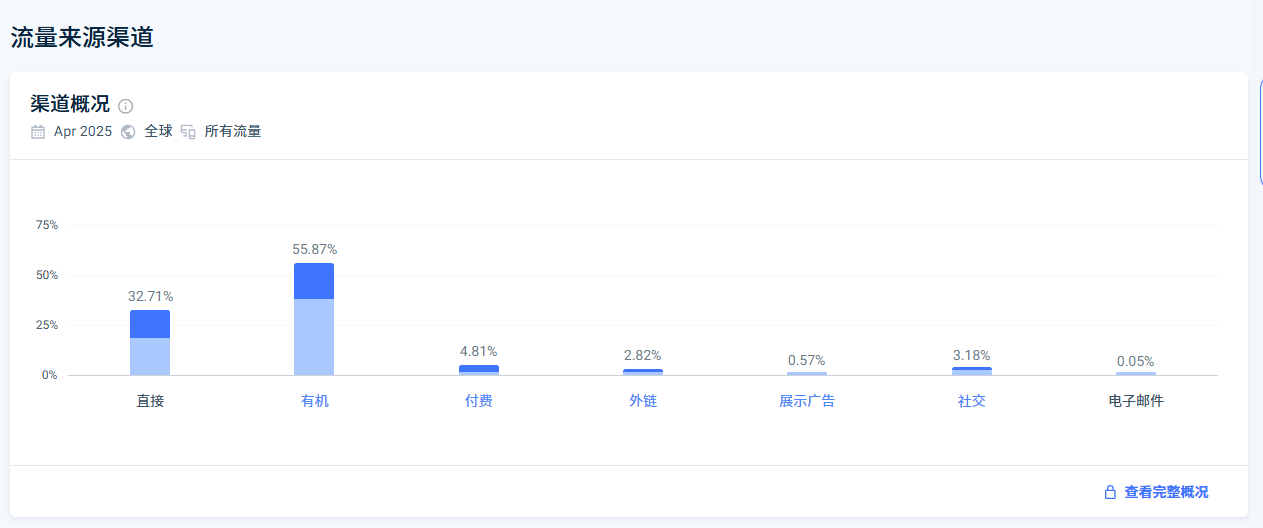
وفقاً لبيانات مراقبة مايو 2024، بلغ متوسط الزيارات الشهرية حوالي 300 ألف زيارة، منها 55.87% من حركة البحث العضوي، و32.71% من الزيارات المباشرة عبر إدخال عنوان URL.
من هذا الهيكل للزيارات، يمكن ملاحظة أن سلوك البحث النشط من قبل المستخدمين عن علامة Levoit التجارية (مثل استخدام كلمات مفتاحية مثل "جهاز تنقية هواء" و"جهاز ترطيب") يشكل الجزء الأكبر من الزيارات، بينما يختار أكثر من خمس المستخدمين زيارة الموقع مباشرة، مما يؤكد بشكل غير مباشر تراكم الوعي بالعلامة التجارية.
المصدر: SimilarWeb
خاتمة
من مسار نمو علامة Levoit التجارية، يمكن ملاحظة أن مفتاح نجاح الشركات الصينية في التوسع عالمياً يكمن في تحديد الاحتياجات بدقة واستخدام القنوات بشكل جيد. بدلاً من التنافس الشرس بلا حدود في السوق المحلية، من الأفضل الجمع بين قدرات سلسلة التوريد الناضجة والفجوات في الأسواق الخارجية.
من جنوب شرق آسيا إلى أمريكا اللاتينية، ومن أمريكا الشمالية إلى أوروبا، كل منطقة لديها نقاط ألم استهلاكية تنتظر الحل. عندما يتردد صدى المنتج حقاً مع حياة المستخدم، فإن "صنع في الصين" لم يعد مجرد تسمية، بل أصبح مرادفاً للقدرة التنافسية. الآن هو الوقت المناسب لإعادة النظر في الخريطة العالمية.