 2743
2743"إذا تقطعت السبل بالمؤسس المشارك لشركة آبل، ووزنياك، في جزيرة مهجورة، ولن يأخذ معه سوى شيء واحد، فلا بد أن يكون سيجواي (Segway)." تعكس هذه النكتة الساخرة المكانة الفريدة لعلامة سيجواي التجارية في أوساط التكنولوجيا العالمية.

ووزنياك (الثاني من اليسار) المصدر: الإنترنت
أما اليوم، فقد تحولت شركتها الأم، Ninebot (Segway-Ninebot)، من شركة ناشئة إلى بطل خفي في مجال النقل القصير عالميًا. في عام 2024، حققت هذه الشركة التكنولوجية الصينية إيرادات إجمالية قدرها 14.196 مليار يوان، وأرباحًا صافية تعود للمساهمين الأم تبلغ 1.084 مليار يوان، لتصبح علامة تجارية ظاهرية في مجال النقل الذكي القصير عالميًا، حيث تساهم الأسواق الخارجية بأكثر من 40% من الإيرادات، وهامش الربح الإجمالي يصل إلى 35.8%.
صعود Ninebot ليس فقط انعكاسًا للتصنيع الذكي الصيني، بل يكشف أيضًا عن المنطق العميق لتدويل العلامات التجارية في عصر الاستهلاك الجديد.
المصدر: الإنترنت
"ثورة تسلا" في عالم السكوترات ذاتية التوازن
في عام 2012، بدأ خريجا جامعة بكين للملاحة الجوية والفضائية، السيد قاو والسيد وانغ، رحلتهما الريادية بشغف لتقنية الروبوتات، متخذين من السكوترات ذاتية التوازن نقطة انطلاق.
في عام 2015، حصلت شركة Ninebot على تمويل من الفئة A بقيمة 80 مليون دولار أمريكي من مستثمرين مثل Xiaomi وSequoia وShunwei، لتصبح عضوًا في سلسلة النظام البيئي لـ Xiaomi. قدم ذلك دعمًا ماليًا قويًا لتطوير الشركة، وساعدها في توسيع السوق بسرعة باستخدام قنوات Xiaomi.
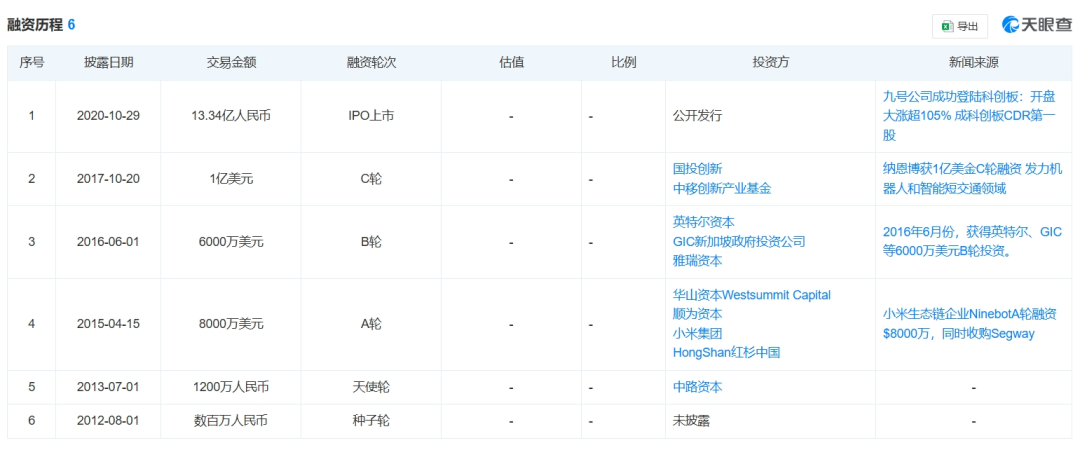
المصدر: Tianyancha
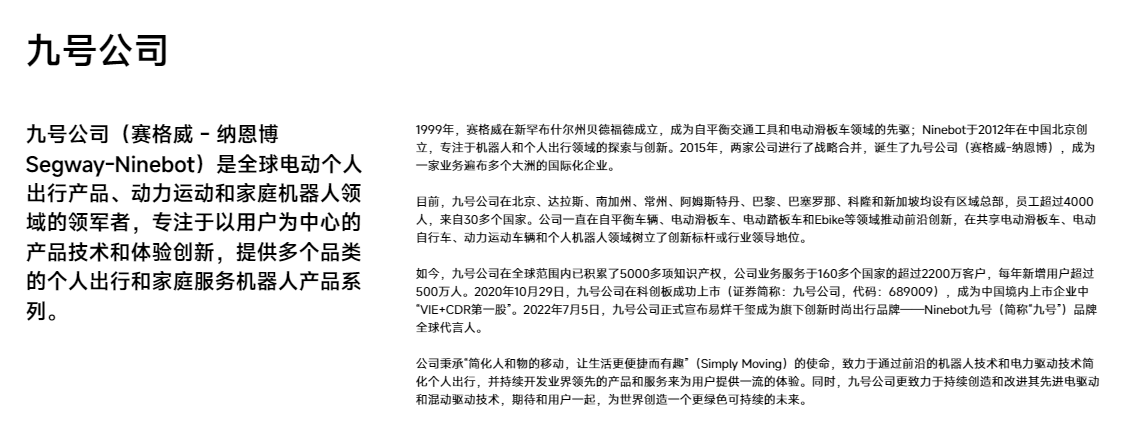
لكن ما غير قواعد اللعبة حقًا كان استحواذ Ninebot على رائدة الصناعة Segway في صفقة "أفعى تبتلع فيلًا"... هذه الصفقة التي هزت الصناعة لم تمنح Ninebot أكثر من 400 براءة اختراع أساسية فحسب، بل ضمت أيضًا شبكة مبيعات Segway، مما مهد الطريق للتوسع الخارجي.
المصدر: موقع Segway-Ninebot الرسمي
بعد ذلك، واصلت Ninebot توسعها بمزيج من "التكرار التكنولوجي + رؤية السيناريوهات": في عام 2016، أطلقت أول سكوتر كهربائي ذكي، مما أحدث ثورة في المنتجات الغربية التقليدية الثقيلة بتصميمه خفيف الوزن وتفاعله الذكي؛ في عام 2020، أطلقت أول روبوت جز بلا حدود في العالم، Navimow، لحل مشاكل الساحات؛ في عام 2023، تصدر سكوترها الكهربائي قمة المبيعات العالمية بإيرادات بلغت 299 مليون دولار أمريكي، بحصة سوقية تجاوزت 30%.
بعد سنوات من التطور، انطلقت Ninebot من أعمال السكوترات ذاتية التوازن لتصبح شركة تكنولوجيا ذكية تغطي منتجات متنوعة مثل الدراجات الكهربائية الذكية ذات العجلتين، والسكوترات الكهربائية ذاتية التوازن، والروبوتات، ومصادر الطاقة المحمولة، محتلة مكانة مهمة في مجال النقل الذكي القصير والروبوتات الخدمية عالميًا.

المصدر: موقع Segway-Ninebot الرسمي
"العقد الذهبي" للنقل القصير
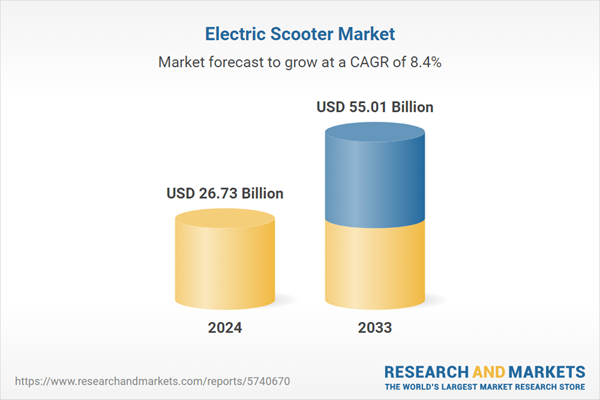
يرتبط النمو الهائل لـ Ninebot ارتباطًا وثيقًا بـ "العوائد طويلة الأجل" التي يظهرها سوق السكوترات الكهربائية العالمية. وفقًا لأحدث تقرير من Research and Markets، من المتوقع أن يقفز حجم سوق السكوترات الكهربائية (بما في ذلك السكوترات والدراجات الكهربائية وغيرها) من 26.73 مليار دولار أمريكي في عام 2024 إلى 55.01 مليار دولار أمريكي بحلول عام 2033، بمعدل نمو سنوي مركب يبلغ 8.3%.
حاليًا، تتجاوز حصة السوق لأكبر خمس شركات (CR5) 70%، مما يخلق هيكلًا فريدًا من "ارتفاع مستمر في الطلب، مع تركيز شديد في جانب العرض على الشركات الرائدة".
هذه الفرصة الهيكلية تخلق مساحة "نمو كرة الثلج" لشركات مثل Ninebot ذات الاحتياطيات التكنولوجية العميقة.
المصدر: Research and Markets
"معركة النظام البيئي" من التدفق إلى العلامة التجارية
الأسواق الخارجية لا تفتقر حقًا إلى المنتجات، بل ما ينقص حقًا هو الفهم والمعرفة بالمنتجات. أدركت Ninebot أهمية بناء وعي المستهلك بالعلامة التجارية، وجعلت تسويق المحتوى أحد استراتيجياتها الرئيسية لاختراق الأسواق الخارجية.
-TikTok: مصفوفة الحسابات والإبداع المشترك مع المؤثرين
"عندما نخدم المستخدمين عالميًا، نفكر في ما يحبه المستخدمون المحليون حقًا. لا يمكن القول إن منتجًا يُباع في الصين وأوروبا وأمريكا هو نفسه."
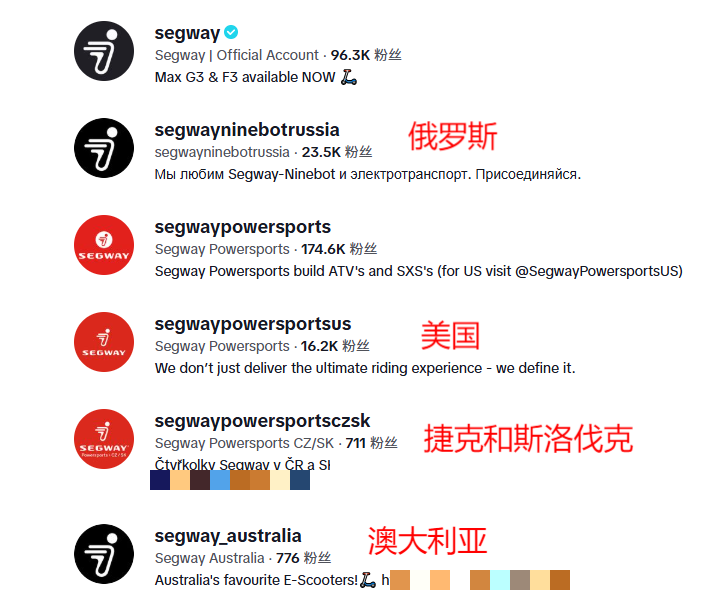
كما قال المسؤول في Ninebot، لفهم تفضيلات المستهلكين في مناطق مختلفة بعمق، أنشأوا مصفوفة حسابات رأسية متعددة على TikTok لمناطق مختلفة.
المصدر: TikTok
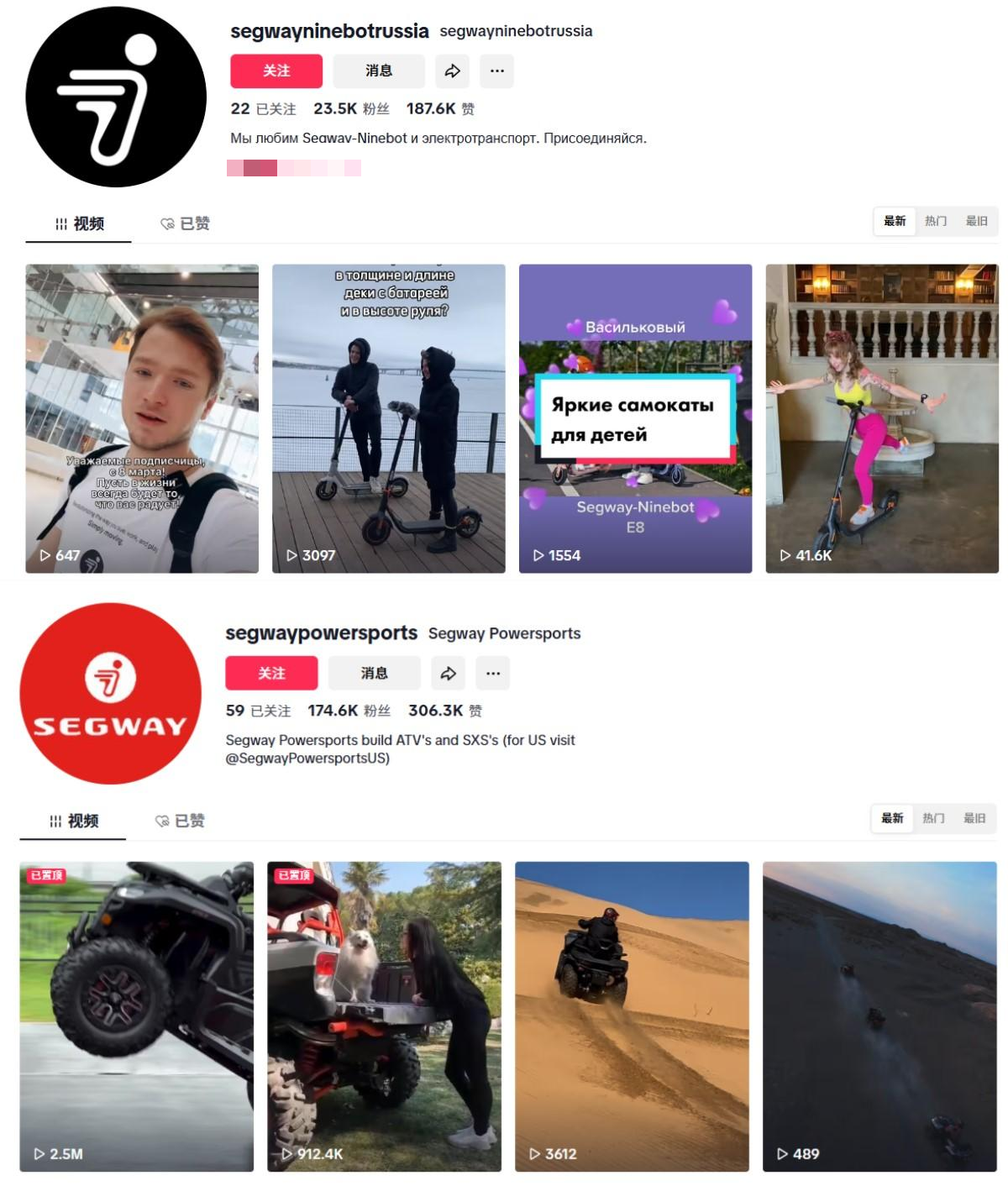
على سبيل المثال، @segwayninebotrussia (23.5 ألف متابع) يروج للسكوترات الكهربائية بالمحتوى الروسي، مستخدمًا مشهد التنقل بمترو موسكو لخلق موضوع "التنقل الخفيف في المدينة"؛ بينما @segwaypowersports (174.6 ألف متابع) يركز على السوق الأمريكية الشمالية، ويجذب عشاق الهواء الطلق بمقاطع فيديو لسيارات الدفع الرباعي...
هذا النموذج التشغيلي "سياسة لكل دولة" يوحد هوية العلامة التجارية مع مطابقة الاحتياجات الإقليمية بدقة.
المصدر: TikTok
بالإضافة إلى مصفوفة الحسابات الرسمية، تتعاون Ninebot أيضًا مع العديد من مدوني التكنولوجيا وعشاق الهواء الطلق ومؤثري نمط الحياة، لتعزيز وعي المستخدم وبناء صورة العلامة التجارية من خلال محتوى متنوع.
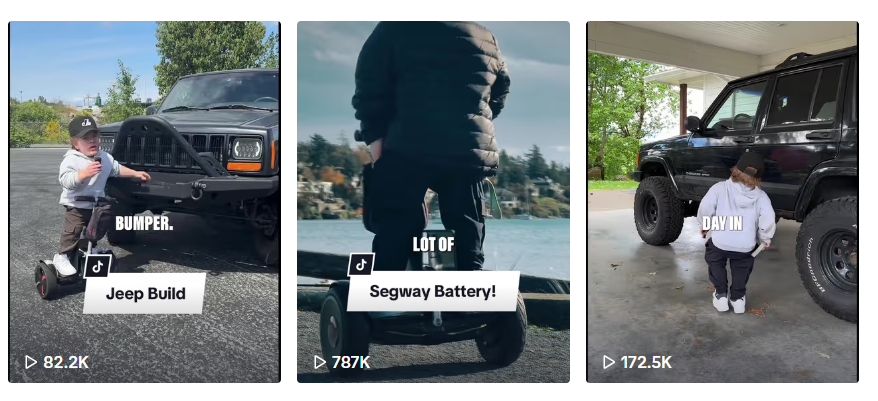
على سبيل المثال، مؤثر TikTok Caden Teneycke المتخصص في المراجعات التقنية، يروج لمنتج Segway ذو التوازن الذاتي. كشخص يعاني من التقزم، يدمج Caden المنتج في استخداماته اليومية، حيث يظهر السكوتر في كل فيديو تقريبًا. هذا الأسلوب الواقعي والقريب من الحياة لا يثير التعاطف العاطفي فحسب، بل يبني أيضًا صورة فريدة وعملية للعلامة التجارية.
المصدر: TikTok
-YouTube: التعمق التقني والانتشار طويل الأمد
في مجال الفيديو الطويل، تستخدم Ninebot YouTube كمنصة رئيسية لعرض قوة المنتج، على غرار TikTok، من خلال فيديوهات المراجعة لبناء صورة احترافية للعلامة التجارية.
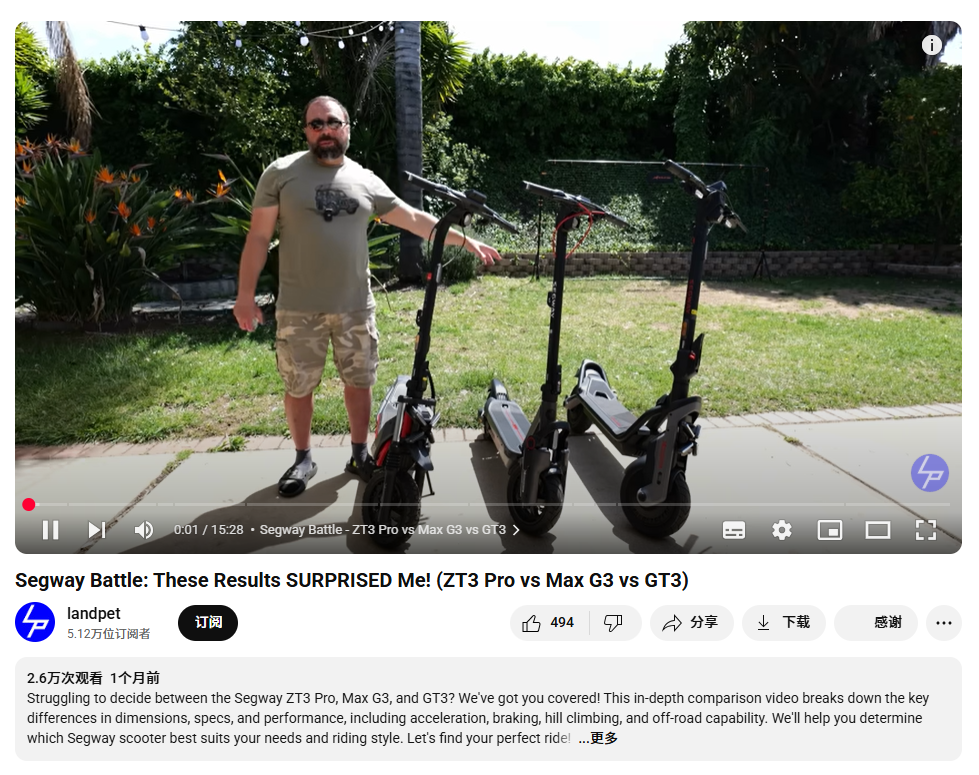
على سبيل المثال، فيديو قناة Janquet التقنية بعنوان "Segway Battle: These Results SURPRISED Me! (ZT3 Pro vs Max G3 vs GT3)"، يقارن بشكل شامل بين ثلاثة سكوترات كهربائية شهيرة، ويغطي مؤشرات رئيسية مثل الحجم والخلوص الأرضي والمدى.
تم الترويج للفيديو بنقطة جذب "نتائج مفاجئة"، وحقق في النهاية 26 ألف مشاهدة، مع ظهور نقاشات تلقائية من المستخدمين في التعليقات، مما وفر مرجعًا مباشرًا لاتخاذ القرار للمستهلكين المحتملين.
المصدر: YouTube
"المحطة التالية" للتصنيع الصيني
قصة Ninebot تؤكد اتجاهًا: بينما لا تزال الصناعات التقليدية تعتمد على ميزة التكلفة، تحول الجيل الجديد من المصدرين إلى محرك مزدوج "التكنولوجيا + العلامة التجارية". اليوم، التصدير ليس مجرد نسخ للنموذج المحلي، بل يتطلب "إعادة تركيب جينية" في الابتكار المنتج، وتكييف القنوات، وتشغيل المحتوى.
كما تقول المقولة: "بدلاً من أن تكون أفضل، كن مختلفًا؛ بدلاً من أن تكون عامًا، كن مركزًا." عندما ينتقل التصنيع الصيني من "القيمة مقابل المال" إلى "القيمة مقابل القلب"، فإن بحار الأسواق الخارجية الواسعة قد بدأت للتو في الكشف عن أستارها.