 2216
2216
فتح الهاتف أو الجهاز اللوحي لمشاهدة المسلسلات، أو التحديق في شاشة الكمبيوتر للعمل، أصبح جزءًا من روتيننا اليومي. لكن من وقت ما، بدأت هذه التجارب تبدو غير مرضية ولا تلبي التطلعات.
سواء كنت ترغب في مشاهدة فيلم في مقصورة على ارتفاع 10,000 مترIMAX، أو الرغبة في الحصول على شاشة عمل كبيرة خاصة وغامرة في مقهى، أو السعي للحصول على إحساس بصري أكثر تطرفًا في الألعاب، يبدو أن الشاشات الإلكترونية التقليدية دائمًا ما تكون غير قادرة على ذلك.
المستهلكون من الجيل Z يعلنون من خلال اختياراتهم: المشاهدة البسيطة قد عفا عليها الزمن، إنهم يتوقون إلى الانغماس في أي مكان وفي أي وقت.
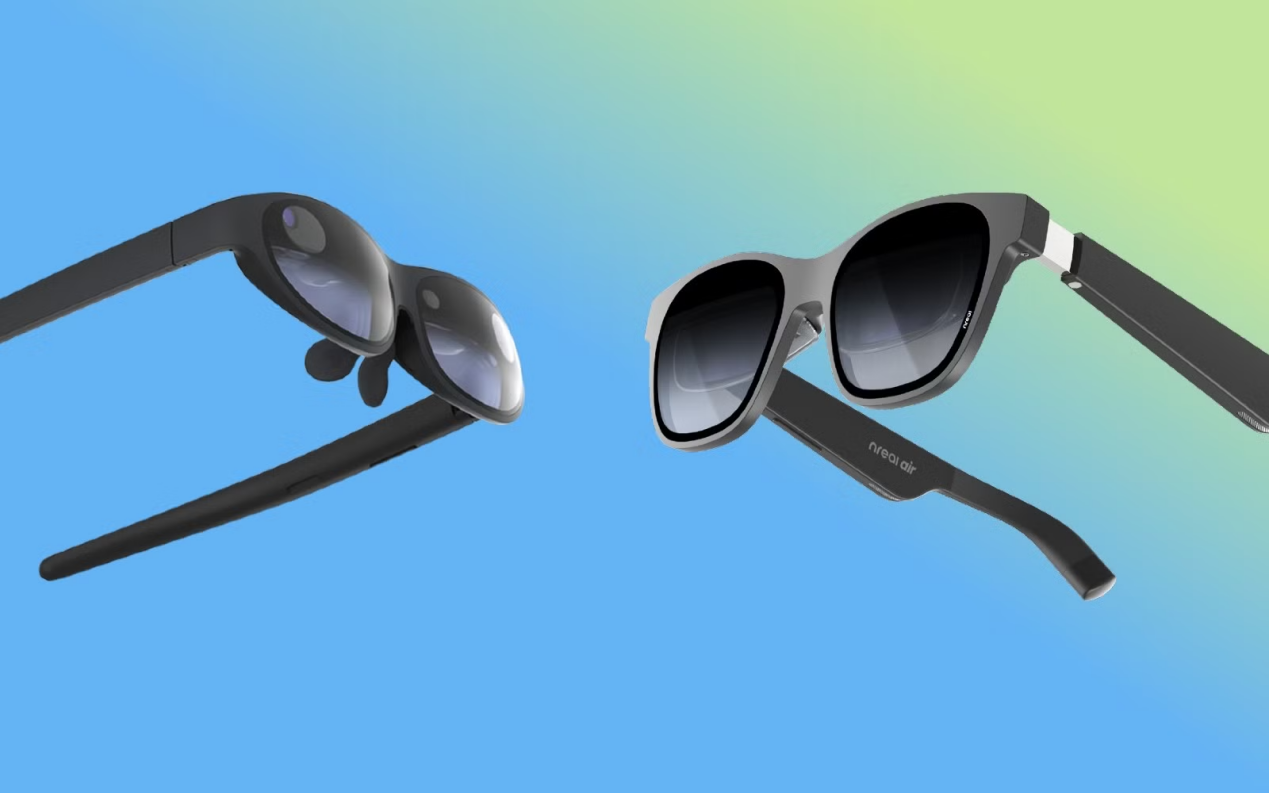
هذه الحاجة الملحة لحرية الشاشة الكبيرة هي التي أدت إلى ظهور فئة جديدة تمامًا——نظارات AR。
المصدر:Google
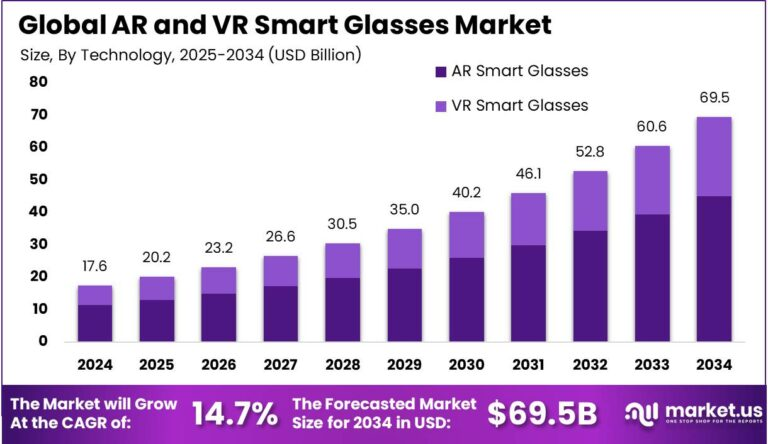
رد فعل السوق يؤكد هذا الاتجاه. وفقًا لـتظهر بيانات دراسة من Market.us:
في عام 2024، بلغ حجم السوق العالمي لنظارات AR الذكية 17.6 مليار دولار أمريكي، ومن المتوقع أن ينمو إلى 69.8 مليار دولار بحلول عام 2034، بمعدل نمو سنوي مركب يبلغ 14.7% خلال السنوات القليلة.
من بينها، منطقة أمريكا الشمالية تحتل الصدارة بحصة سوقية تبلغ36%، وحققت إيرادات قدرها 6.3 مليار دولار، مما يظهر مدى الاهتمام.
المصدر:Market.us
على هذا المسار الذي يبدو متخصصًا ولكنه مليء بالإمكانات، بالإضافة إلىوجود عمالقة دوليين مثل Meta وApple وSamsung، بالإضافة إلى قوى عديدة من الصين آخذة في الظهور بهدوء.
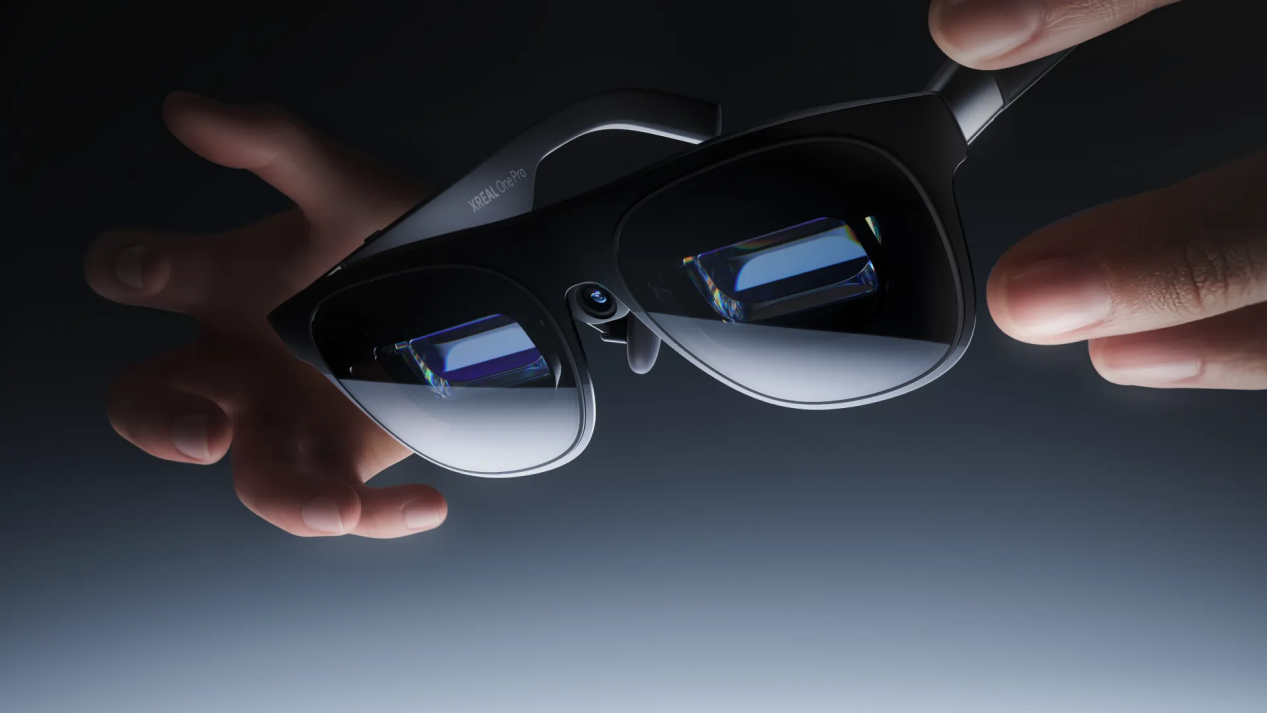
ما نقدمه اليوم هوعلامة XREAL التجارية، فهي الحصان الأسود الأكثر لفتًا للانتباه بينهم.
من فريق ناشئ، إلى شحنات متتاليةلأربع سنوات متتالية تحتل المرتبة الأولى عالميًا، كيف تمكنت من تحقيق النجاح في الخارج؟
المصدر:Google
ريادة أعمال من الطلاب المتفوقين، إعادة تعريف بالتكنولوجيا“شاشة أخرى”
وفقًا للمعلومات العامة،قصة XREAL تبدأ من رائد أعمال نموذجي من النوع المتفوق دراسيًا.
السيد شو، المولود عام 1984، درس في كلية تشو كي تشن بجامعة تشجيانغ في المرحلة الجامعية، ثم سافر إلى الولايات المتحدة للدراسات العليا وحصل على درجة الدكتوراه من جامعة مينيسوتا، متخصصًا في بنية CPU/GPU.
بعد التخرج، انضم أولاً إلى NVIDIA كمهندس معماري، ثم دخل بعد ذلكشركة Magic Leap الناشئة المعروفة في مجال الواقع المعزز، كمهندس خوارزميات كبير.
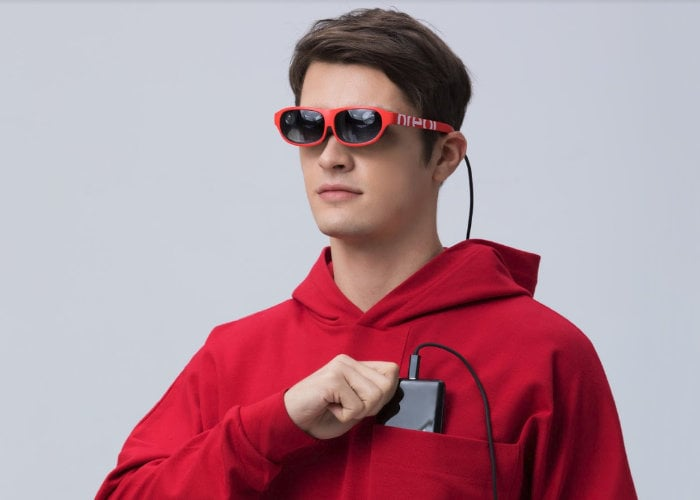
فيتجربة Magic Leap جعلت السيد شو يشعر لأول مرة بالصدمة التي أحدثتها تقنية AR. الاندماج السلس بين الواقع الافتراضي والواقع الحقيقي، تجربة التفاعل الجديدة التي تفوق بعيدًا عن الأجهزة التقليدية، جعلته يدرك بعمق الإمكانات الهائلة لصناعة AR.
مصدر الصورة:Google
في عام 2016، استقال بحزم من وظيفته ذات الراتب العالي في وادي السيليكون، وقرر العودة إلى الصين لبدء مشروعه، والانخراط في هذا المسار المليء بالتحديات.
في بداية عام 2017، بعد نصف عام من البحث الصناعي، جمع السيد شو زملائه من جامعة تشجيانغ وأسس العلامة التجارية رسميًا في بكين.
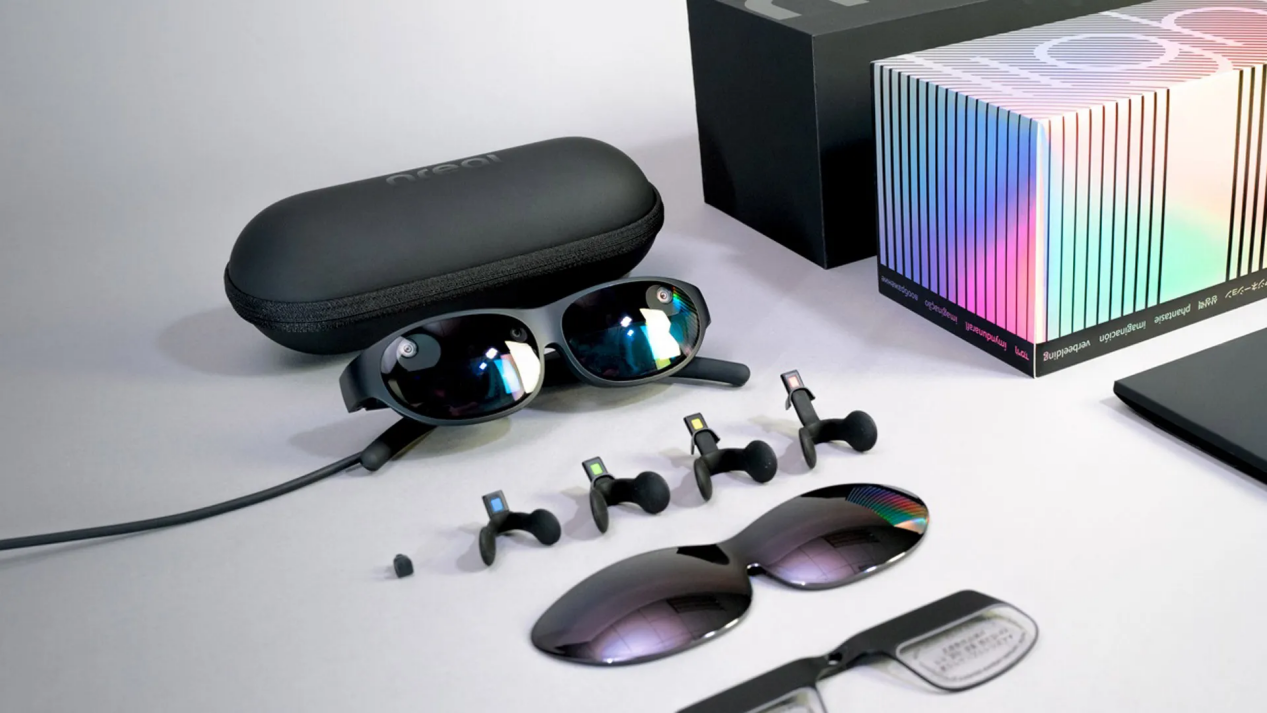
في عام 2019، أطلقت XREAL أول نظارة AR استهلاكية Nreal Light، بوزن حوالي 106 جرام فقط، وتدعم الاتصال المباشر بالهاتف، مما فتح رسميًا الستار عن التسويق التجاري لنظارات AR الاستهلاكية.
دخل هذا المنتج بسرعة إلى أسواق الولايات المتحدة واليابان وأوروبا، وتعاون بعمق مع مشغلي الاتصالات ومنصات التجارة الإلكترونية المحلية،وبالتالي أصبحت XREAL أول علامة تجارية صينية لـ AR تحقق تصديرًا واسع النطاق.
مصدر الصورة:Google
بعد ذلك،حققت XREAL تقدمًا سريعًا. في عام 2020، تجاوزت شحنتها العالمية مايكروسوفت، لتصبح من بين الأوائل في الصناعة.
العلامة التجارية أيضًا تستمر في التطوير، وأطلقت تباعًاسلسلة Nreal Air وNreal Air 2 وغيرها من السلسلات الشهيرة، حيث انخفض الوزن إلى 79 جرامًا و 49 جرامًا، وانخفض السعر إلى نطاق 399 دولارًا، مما استهدف بدقة سيناريوهات عالية التردد مثل مشاهدة الأفلام والألعاب والعمل المتنقل، وسرعان ما أسر قلوب المستهلكين حول العالم.
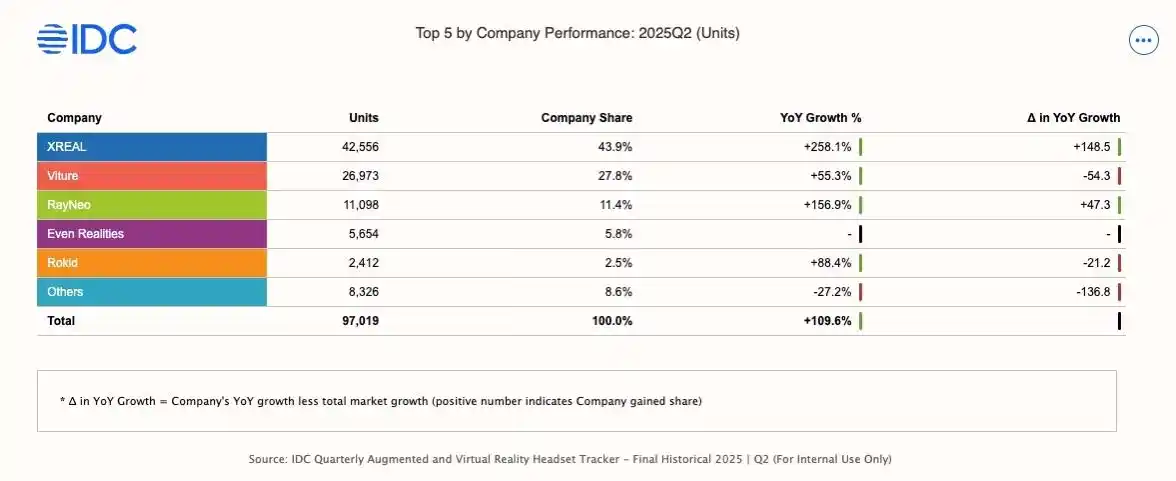
قوة المنتج القوية جلبت عوائد سوقية مباشرة. منمنذ عام 2022 وحتى الآن، حافظت XREAL على المركز الأول في المبيعات العالمية والحصة السوقية لنظارات AR الاستهلاكية لمدة 4 سنوات متتالية. حتى يونيو 2025، تجاوز إجمالي شحنات المنتجات 700 ألف وحدة، لتصبح علامة تجارية لنظارات AR ذات التغطية الأوسع عالميًا.
في الأسواق الإقليمية، أداؤها قوي أيضًا، حيث تصل حصتها السوقية في أمريكا الشمالية وأوروبا واليابان إلى43.9% و39.4% وأكثر من 70%، وتحتل المركز الأول في كل منها.
في التخفيففي الوقت الحاضر الذي تتسارع فيه نظارات AR نحو الجمهور، أصبحت XREAL واحدة من أكثر العلامات التجارية إمكانات انفجارية في هذا المسار.
مصدر الصورة:IDC
ليس فقط صعبًا، بل استخدام وسائل التواصل الاجتماعي بذكاء لجعل المنتج يتحدث عن نفسه“يتحدث”
ومع ذلك، فإن التعمق في التصميم خفيف الوزن والتقنيات الأساسية هو مجردجزء من نجاح XREAL.
مستهلكنظارات الواقع المعزز كفئة ناشئة لا تزال غير مألوفة لدى معظم المستخدمين. الأهم من ذلك، أن هذه المنتجات تعتمد بشدة على التجربة الحقيقية، وبدون تجربة شخصية، يصعب فهم قيمتها.
كيفية نقل المنتج والتجربة“نقل” إلى أمام المستخدمين وبناء الثقة أصبح مفتاح اختراق العلامة التجارية. في ظل هذا التفكير، أصبحت منصات التواصل الاجتماعي الشهيرة عالميًا مثل TikTok ساحة مثالية لتواصل XREAL مع المستخدمين.
استراتيجية XREAL على TikTok واضحة جدًا:التركيز على التعاون مع المؤثرين، واعتماد استراتيجيات محتوى مختلفة حسب الأسواق.
في الأسواق الأوروبية والأمريكية التي تركز على القوة الصلبة للمنتج،اختارت XREAL التعاون العميق مع المؤثرين المتخصصين في التكنولوجيا، من خلال الشروحات المهنية وعروض الوظائف والاختبارات الفعلية، لتمكين المستخدمين من فهم القيمة التقنية للمنتج بشكل أكثر بداهة.
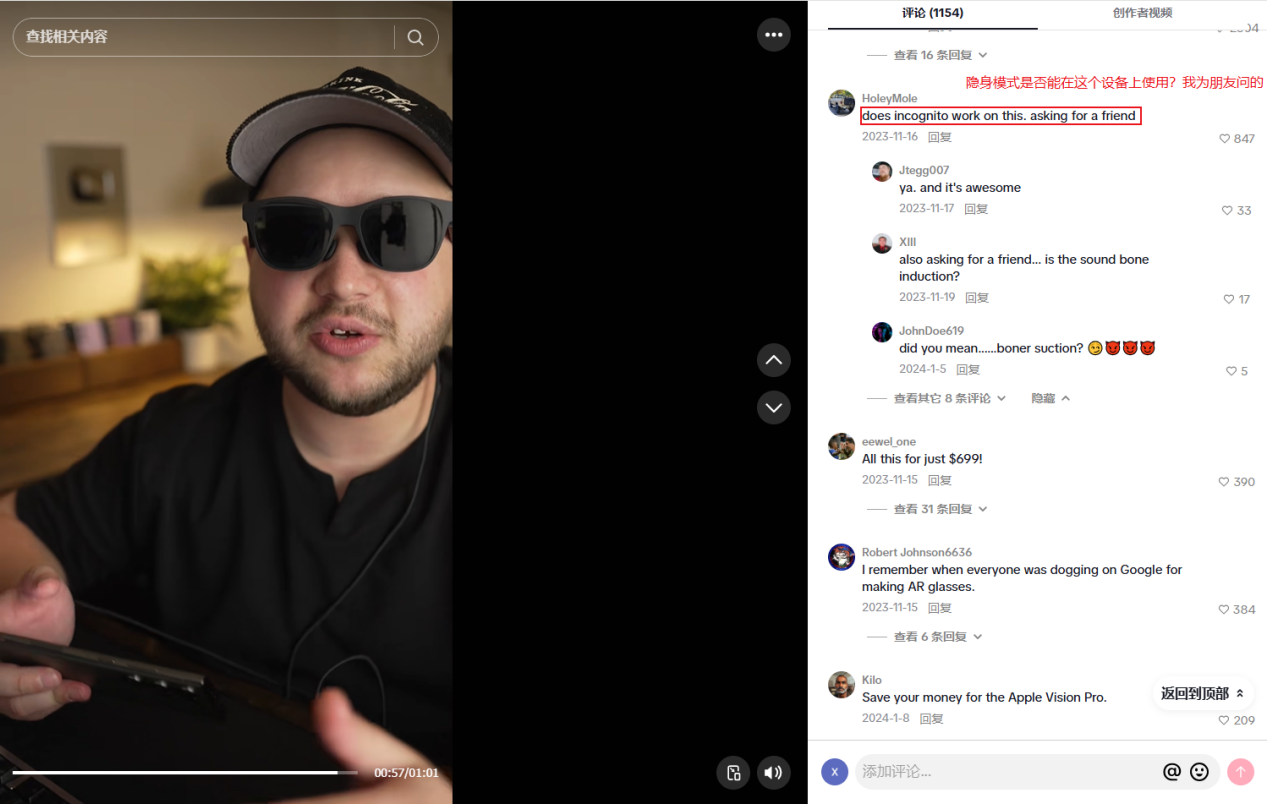
على سبيل المثال، صاحبحساب المؤثر التقني @imparkerburton الذي يتابعه 3.4 مليون متابع، قام بتصوير فيديو ترويجي لـ XREAL Air 2 Pro. من خلال شرح الوظائف بالتفصيل أولاً، ثم توصيل الهاتف للعمل الواقعي، وعرض الصورة الحية داخل النظارة بشكل متزامن، مما عزز بشكل كبير شعور المشاهد بالانغماس.

المصدر:TikTok
حصل هذا الفيديو في النهاية على2.6 مليون مشاهدة و137.3 ألف إعجاب. في قسم التعليقات، دار نقاش حاد بين العديد من المستخدمين حول التفاصيل التقنية للمنتج.
هذا المحتوى المدعوم من المؤثرين المحترفين يمكنه الوصول بدقة إلى الجمهور التقني الأساسي، ويساعد بشكل كبير في تعزيز الوعي المهني والثقة بالمنتج.
المصدر:TikTok
بينما في الأسواق الآسيوية، يفضل المستخدمون المحتوى الحياتي والمواقف الواقعية,ويهتمون بما إذا كان المنتج يمكنه إضافة المتعة والراحة إلى حياتهم اليومية.
لذلك،تحولت XREAL إلى التعاون مع مؤثري نمط الحياة المنزلي، باستخدام مقاطع يومية حقيقية لجعل نظارات الواقع المعزز تندمج بشكل طبيعي في الحياة.
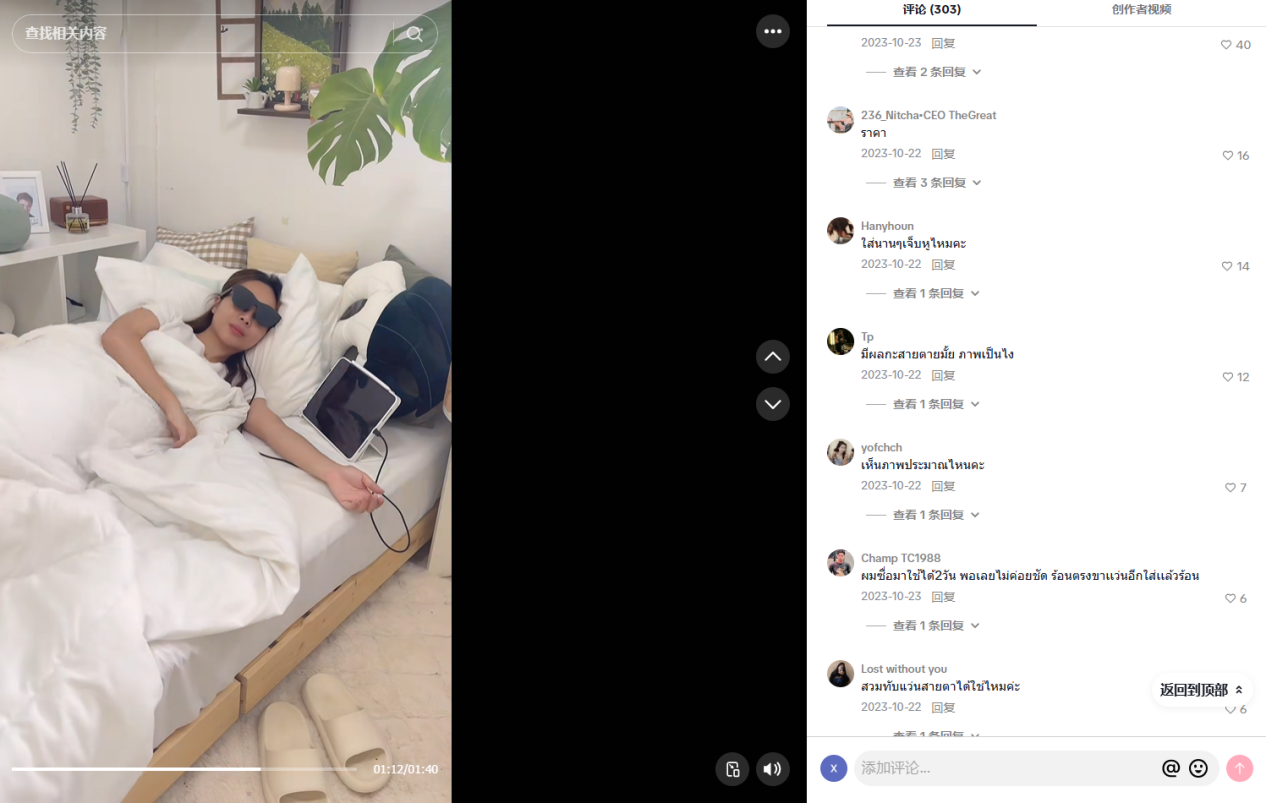
مثل صاحبمستخدم TikTok للحياة المنزلية @downittayaa، الذي لديه 206.3 ألف متابع، قد صور مقطع فيديو ترويجي للعلامة التجارية.

مصدر الصورة:TikTok
في الفيديو، قام المدون أولاً بفتح الصندوقعرضقدالمنتجالأزرارالتفاصيل، ثمتوصيل الجهاز اللوحي،عرض كل على حدةقدحقيقية مثل العمل ومشاهدة الأفلام في المنزلسيناريوهات الاستخدام، وتقترب من الحالة اليومية للأشخاص العاديين.
حاليًا، حصل هذا الفيديو الترويجي على2.3 مليون مشاهدة، ووصل عدد الإعجابات التراكمي إلى 111.3 ألف. جذب العديد من المستخدمين المهتمين لترك تعليقات في قسم التعليقات يسألون عنالسعر، راحة الارتداء، تأثير العرض، وغيرها من قرارات الشراءمن نوعالأسئلة.
هذا يوضح بوضوحقد، المحتوى الواقعي القريب من الحياة يمكن أن يحفز اهتمام ورغبة الشراء لدى المستهلكين العاديين في الخارج، وبالتالي يعزز التحويل بشكل فعال.
مصدر الصورة:TikTok
الخاتمة
بالنظر إلى سوق الاستهلاك العالمي الحالي،نظارات الواقع المعزز (AR) تنتقل بثبات من مفهوم متخصص في دوائر المهووسين إلى الرؤية العامة. نضج التكنولوجيا، وتحسين سلاسل التوريد، بالإضافة إلى رغبة المستهلكين في التجارب الغامرة، دفع هذا الفئة معًا إلى نقطة الانطلاق.
بالنسبة للشركات التي ترغب في التوسع دوليًا، هذه بلا شك نافذة زمنية تستحق الاستفادة منها. لقد بدأ تعليم السوق الخارجي يؤتي ثماره، وأصبحت قنوات البيع عبر الإنترنت وخارجها أكثر قبولاً.
الدخول في هذا الوقت لا يتطلب البدء من الصفر كما فعل الرواد. فقط إذا ركزت على تحسين المنتج، وحل مشاكل المستخدمين في سيناريوهات محددة، واستخدمت منصات التواصل الاجتماعي بفعالية لبناء تواصل صادق مع المستخدمين، فستتاح لك الفرصة لإيجاد مكانك في هذا المحيط الأزرق.
لقد هبت الرياح، ومدى ارتفاع الطيران يعتمد على استعداد كل فرد.