Dieser Bericht stellt hauptsächlich die wirtschaftlichen und handelspolitischen sowie Investitionsbedingungen in zehn wichtigen Ländern des Nahen Ostens vor und dient als Referenz für chinesische Unternehmen, die im Nahen Osten investieren möchten. Der Inhalt umfasst die wirtschaftliche Lage dieser Länder, Handels- und Investitionssituationen, die Zusammenarbeit mit China, Investitionsmöglichkeiten und -risiken, Steuerpolitik sowie die Unterstützung, die PricewaterhouseCoopers bieten kann.
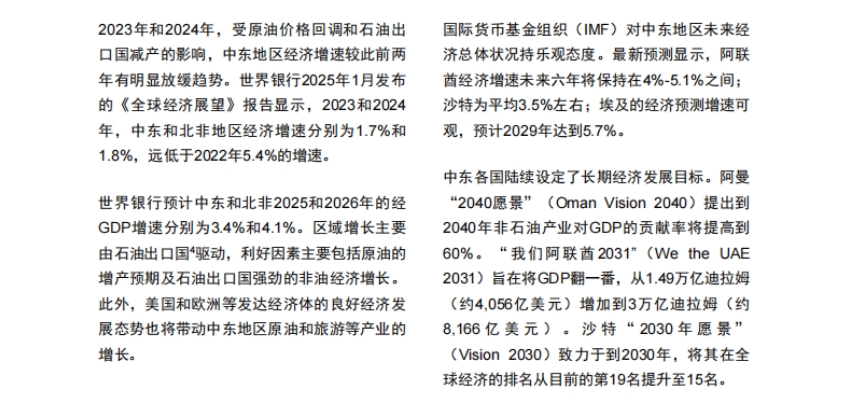
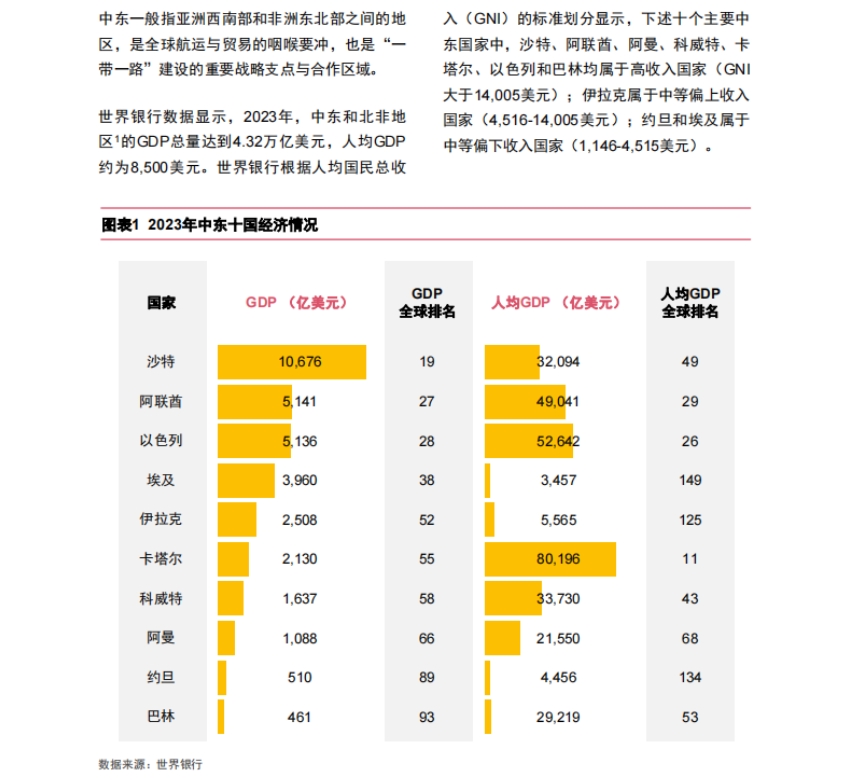
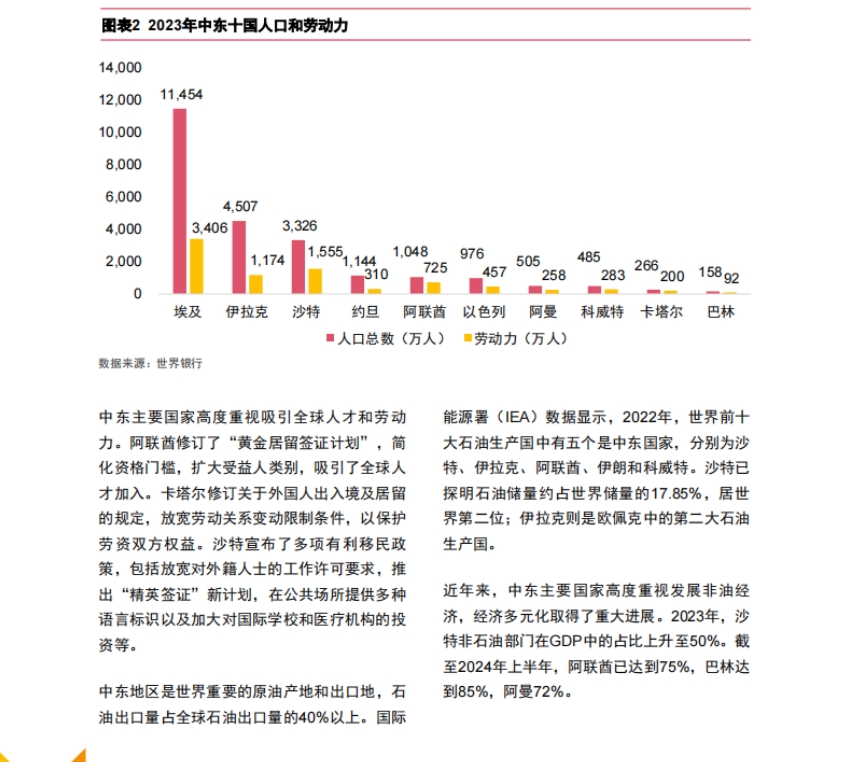
1. Wirtschaftliche Lage: Der Nahe Osten ist eine global bedeutende Rohölregion und ein Handelsknotenpunkt mit wichtiger geografischer Lage. Die wirtschaftliche Entwicklung in der Region wird zunehmend stabil, das Pro-Kopf-BIP variiert stark, einige Länder gehören zu den einkommensstarken, andere zu den einkommensmittleren Ländern. Die Gesamtbevölkerung ist groß, die Arbeitskräfte sind reichlich vorhanden, und es wird Wert darauf gelegt, globale Talente anzuziehen. In den letzten Jahren haben die wichtigsten Länder des Nahen Ostens die Entwicklung der nicht-ölbasierten Wirtschaft betont, und die wirtschaftliche Diversifizierung hat Fortschritte gemacht. Allerdings verlangsamte sich das Wirtschaftswachstum in den Jahren 2023-2024 aufgrund von Faktoren wie Rohölpreisen, aber die zukünftigen Wachstumsaussichten sind relativ optimistisch, und die Länder haben langfristige wirtschaftliche Entwicklungsziele festgelegt.
2. Handel und Investitionen: Die zehn Länder des Nahen Ostens haben eine hohe wirtschaftliche Offenheit und einen entwickelten Handel. Sie importieren hauptsächlich Maschinen, Fahrzeuge und andere Produkte. China ist eine wichtige Importquelle für mehrere Länder. Bei der Anziehung ausländischer Investitionen sticht die VAE hervor, und viele Länder haben klare strategische Pläne und ergreifen Maßnahmen zur Verbesserung des Geschäftsumfelds.
3. Zusammenarbeit mit China: Die Beziehungen zwischen China und den wichtigsten Ländern des Nahen Ostens vertiefen sich ständig. Im Handel ist China der größte Handelspartner mehrerer Länder im Nahen Osten, wobei die Handelsprodukte jeweils unterschiedliche Schwerpunkte haben. Bei Investitionen ist der Nahe Osten ein wichtiges Ziel für chinesische Direktinvestitionen im Ausland, und die Investitionsbereiche erweitern sich ständig. Die Präsenz chinesischer Banken im Nahen Osten wird ebenfalls verbessert.
4. Investitionsmöglichkeiten: Im Prozess der Entwicklung der nicht-ölbasierten Wirtschaft in den Ländern des Nahen Ostens ergeben sich Investitionsmöglichkeiten in Bereichen wie Energie, Finanzen, Tourismus und Technologie. Beispielsweise entwickelt sich die Branche der erneuerbaren Energien schnell, der Finanzsektor zieht globale Finanzinstitute stark an, der Tourismus zeigt ein gutes Wachstum, und technologische Innovation sowie die digitale Wirtschaft werden ebenfalls beachtet.
5. Investitionsrisiken: Investitionen im Nahen Osten stehen vor Herausforderungen wie geopolitischen Konflikten, wirtschaftlicher Abhängigkeit von Öl- und Gasressourcen, steigenden Staatsverschuldungen in einigen Ländern und Schwierigkeiten bei der Entwicklung nicht-ölbasierter Industrien. Die Risikostufen für Investitionen variieren je nach Land.
6. Steuerpolitik: Die wichtigsten Länder des Nahen Ostens haben in den letzten Jahren Steuerreformen vorangetrieben. Die Steuerlast in der Region ist insgesamt niedrig, und die Körperschaftssteuersätze, Mehrwertsteuersätze und Zollpolitiken der einzelnen Länder haben jeweils ihre eigenen Merkmale.
7. Unterstützung durch PricewaterhouseCoopers: PricewaterhouseCoopers verfügt über ein breites globales Netzwerk, ist seit vielen Jahren im Nahen Osten tätig, hat umfangreiche Erfahrung und ein professionelles Team und kann chinesischen Unternehmen, die in den Nahen Osten expandieren, professionelle Dienstleistungen und Unterstützung bieten.