 1247
1247Selling the same straightening irons and curling wands, why can Dyson sell for 3000 yuan and still be out of stock, while most brands are stuck in the tens of yuan price range fighting price wars? The answer may not lie in the product itself, but in what kind of story the brand tells consumers.
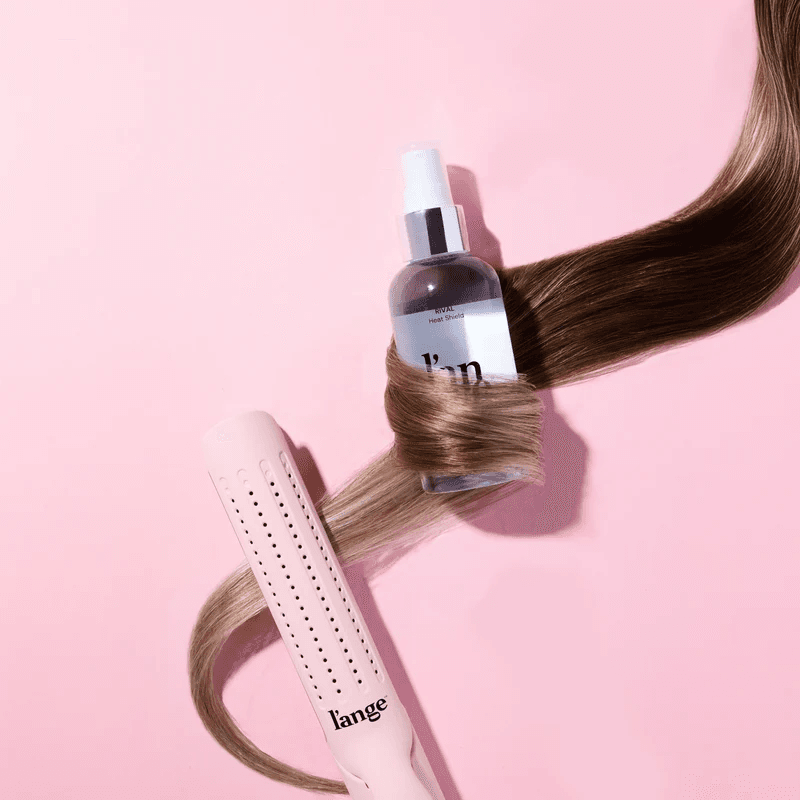
L'ange HairTold a good story.
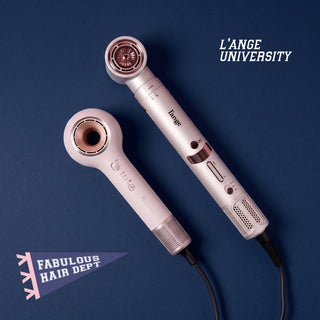
Image source: L'ange Hair
This American haircare DTC brand, founded in 2017, achieved a global net sales of $52.3 million in less than 6 years since its establishment.
More notably, L'ange sold over 5 million products in its first two years. Its official website monthly traffic reached 1.6 million, far surpassing established competitors like CHI and Conair. On Facebook, they accumulated 1.317 million followers; on TikTok, the #langehair hashtag has garnered 204 million views.
Such achievements are impressive in any sub-category.
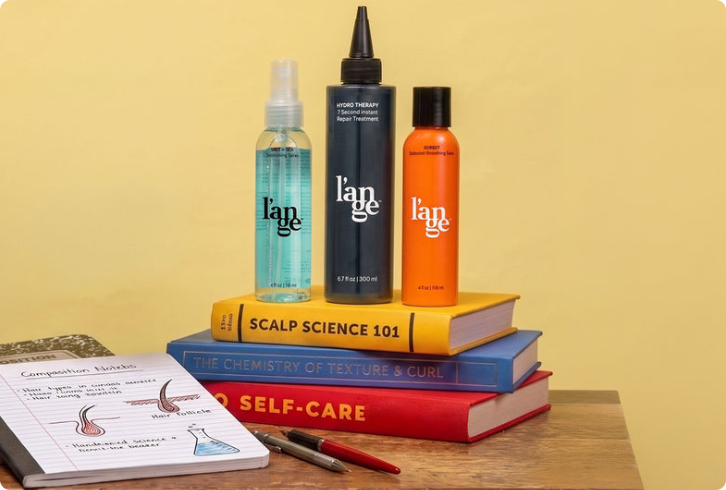
Image source: L'ange Hair
A Mother's Hair Business
The starting point of L'ange's story is simple. Founder Dalia Lange is a mother of two daughters, one with naturally curly hair and the other with straight hair, neither of whom knew how to manage their hair. To help her daughters find confidence, Dalia began teaching herself hair knowledge but found the market lacked products that were both effective and easy to use.
So she decided to create a brand herself.
The brand name L'ange is a variation of her surname and also means 'angel' in French. The company, headquartered in Chatsworth, California, now has between 50 and 100 employees.
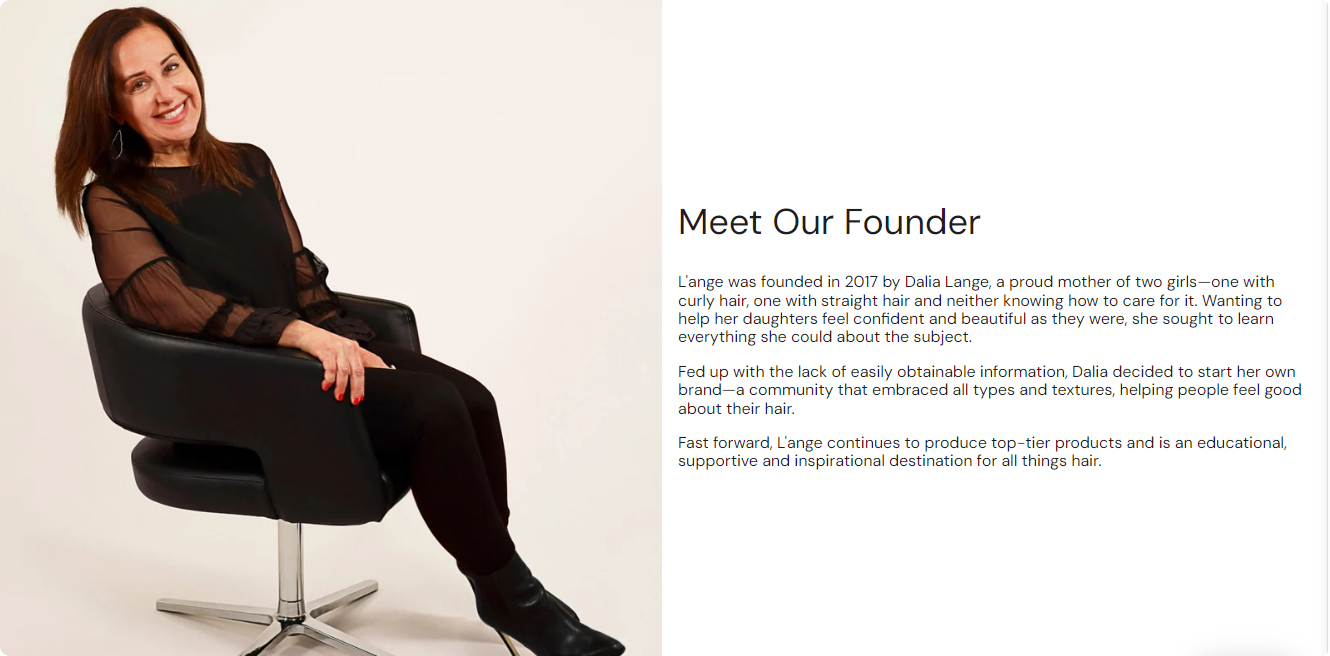
Image source: L'ange Hair
L'ange did not follow the traditional offline salon distribution route but went all-in on the DTC model. Between 2018 and 2019, they launched a wave of 'live streaming + short video tutorials' on Facebook and Instagram, inviting regular people and influencers with different hair types to show product results directly on camera. This extremely authentic before-and-after content quickly helped the brand accumulate millions of followers.
After completing the initial accumulation of online private traffic, L'ange began to move towards omnichannel, entering Ulta Beauty and Walmart (Walmart). According to Walmart's Vice President of US Beauty Business, L'ange achieved double-digit growth after its launch.
From starting as a DTC brand to entering mainstream retail channels, L'ange took only about six years.
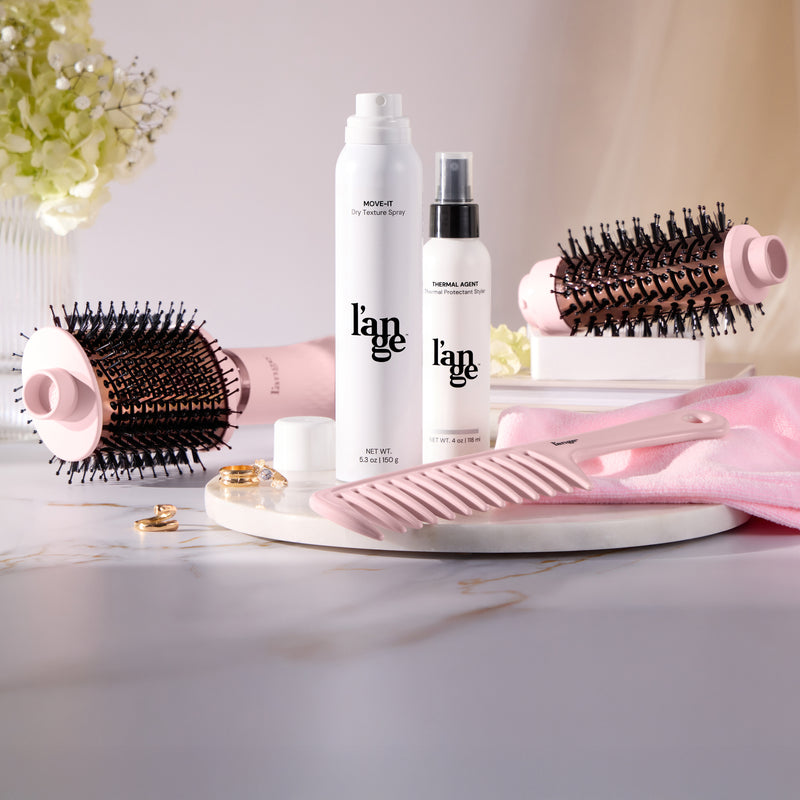
Image source: L'ange Hair
An Expanding Market
L'ange's success cannot be separated from a key background - the hair styling tools market itself is growing rapidly.
According to data from Global Market Insights, the global hair styling tools market was valued at $38.1 billion in 2025 and is expected to grow to $66 billion by 2035, with a compound annual growth rate of 5.8%.
In the US market alone, the hair styling tools market size reached $11.6 billion in 2025.
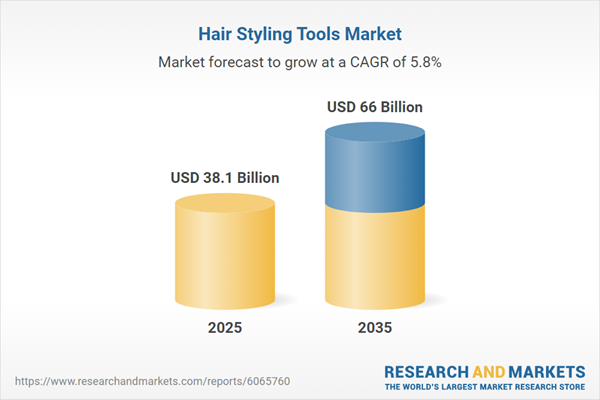
Image source: research and markets
Several trends are jointly driving this market expansion:
First,The explosion of at-home styling demand. Consumers increasingly desire salon-quality hair results at home. This means the market ceiling for professional-grade tools has been significantly raised.
Second,Social media drives category education. Hair tools are naturally suited for short video showcases, with before-and-after comparisons, operation demonstrations, and result presentations—each step has strong visual impact. This directly lowers the consumer's decision-making threshold.
Third,There is a gap for DTC brands in the hair category. According to industry research, as of 2023, the global hair market still lacks vertical DTC brands. Most products follow a hit-product strategy rather than a brand strategy. This means that brands that emerge first have a huge first-mover advantage. L'ange has seized this window exactly.
The industry is growing, demand is growing, users are there, and L'ange has stepped on every node correctly.
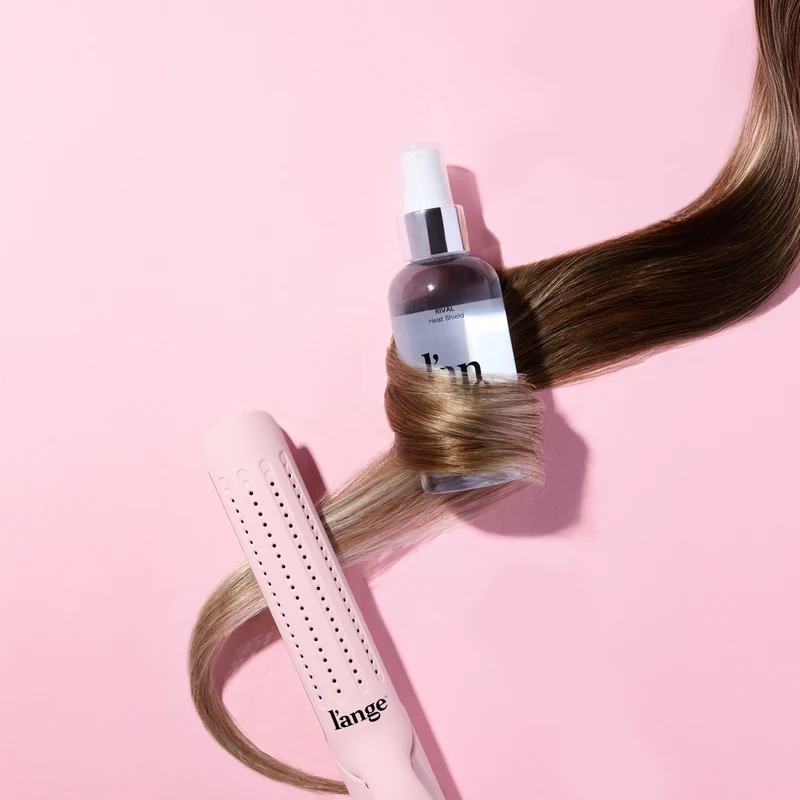
Image source: L'ange Hair
The approach on TikTok: Not being pretentious, yet winning
When discussing L'ange's layout on TikTok, we must first clarify a background: the younger generation (Gen Z) is naturally immune to overly polished, TV-ad-like promotional videos.
L'ange realized this early on. Their strategy on TikTok can be summarized in four words: "de-refined."
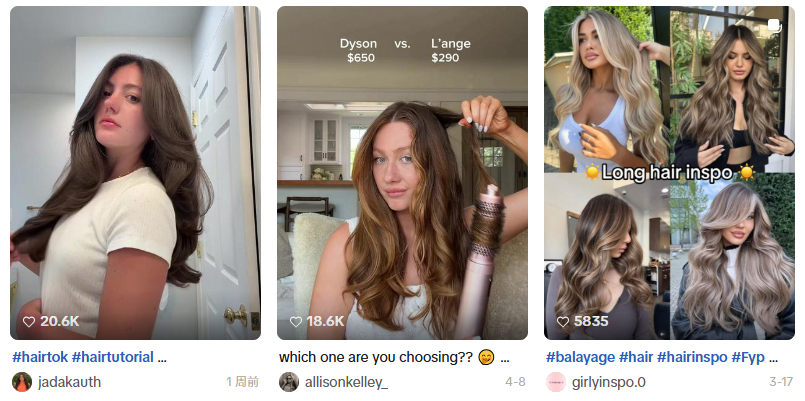
Image source: TikTok
How exactly did they do it?
1. De-refinement
L'ange deliberately downplayed fancy salon settings on TikTok, encouraging influencers and official accounts to record videos in bathrooms, bedrooms, or even cars. The videos often show genuine scenes of influencers making curling mistakes and laughing.
This "not pretentious" strategy instead built extremely high trust, perfectly echoing the brand's core concept of "enabling ordinary people to easily create salon hairstyles at home."
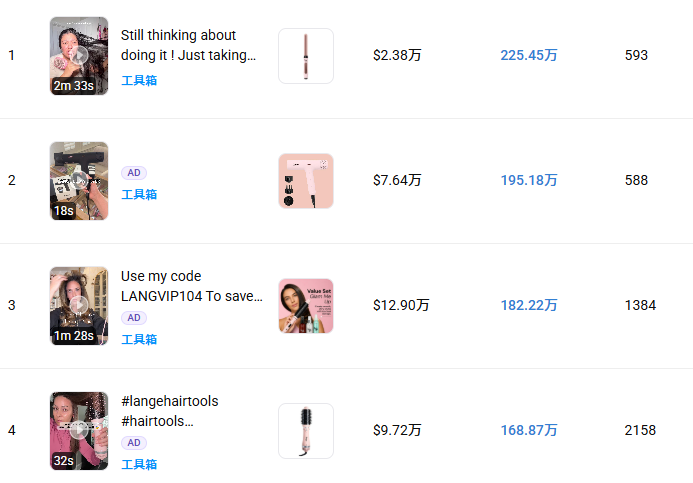
Image source: kalodata
In L'ange's TikTok influencer collaboration matrix, there is a very typical case—the influencer @erica14perez posted a product video that reached 7.2 million views, with a final transaction amount exceeding $40,000.
This influencer is herself a mother of multiple children, with a TikTok account that has accumulated over 1.7 million followers. Her video content fully matches L'ange's de-refined tone, with no professional studio—just shooting in real home scenes.
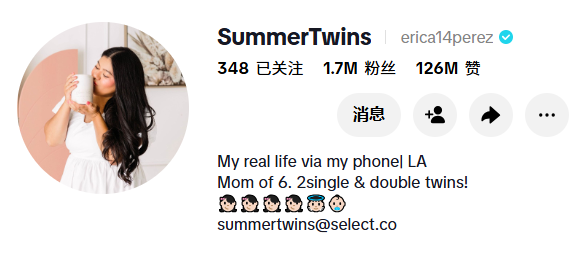
Image source: TikTok
The core reason for this video's high traffic is that it captured TikTok's most effective sense of transformation and suspense: the opening uses "haven't cut hair yet" to create anticipation, making viewers want to see the final result; during the process, it continuously extends viewing time by showing long hair, styling, makeup, and other steps to increase completion rate.
The overall video has no complex plot, but through "real transformation process of an ordinary girl + final reveal," it evokes curiosity, anticipation, and emotional engagement in users, making it easier for the algorithm to recommend.
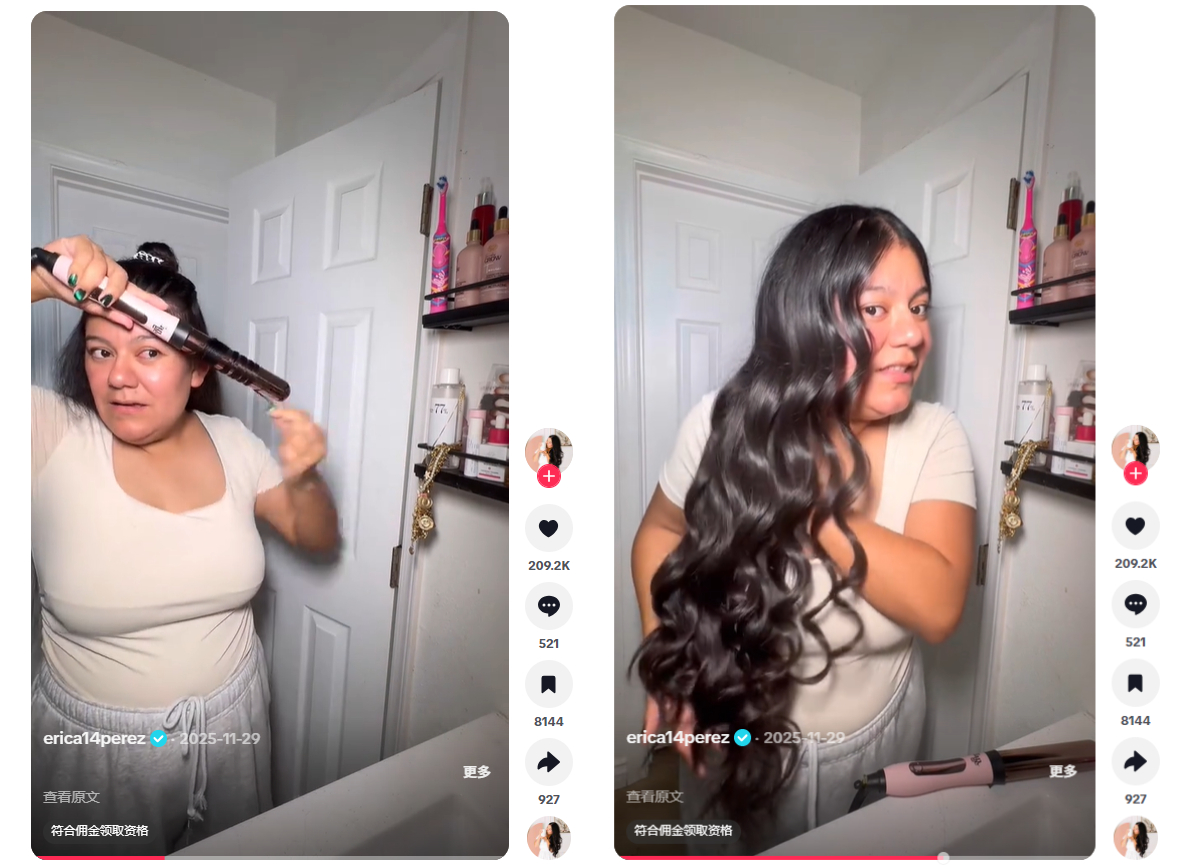
Image source: TikTok
@erica14perez is not an isolated case, but a microcosm of L'ange's influencer matrix.
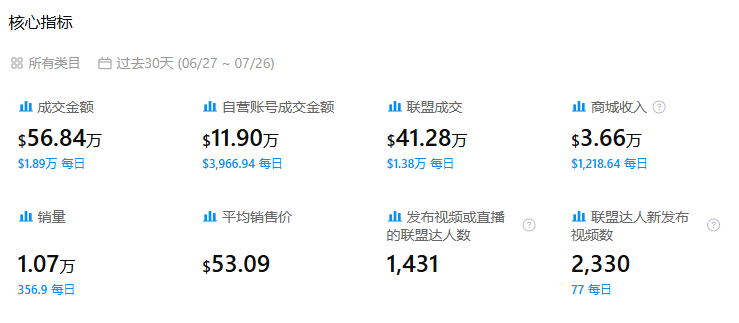
According to industry data analysis, L'ange has collaborated with creators over the past month to produce more than 2,330 sponsored pieces of content, with a total transaction value of $568,400, of which affiliate marketing contributed $412,800, accounting for over 70%.
The vast majority of this content follows the same path—authentic, not pretentious, making ordinary people feel they can do it too. It can be seen that authenticity is the most effective sales language on TikTok.
Source: kalodata
2. Building an educational content matrix
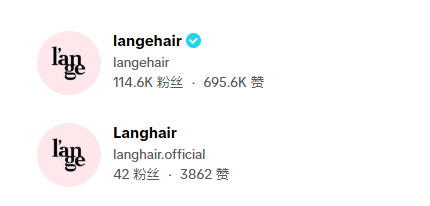
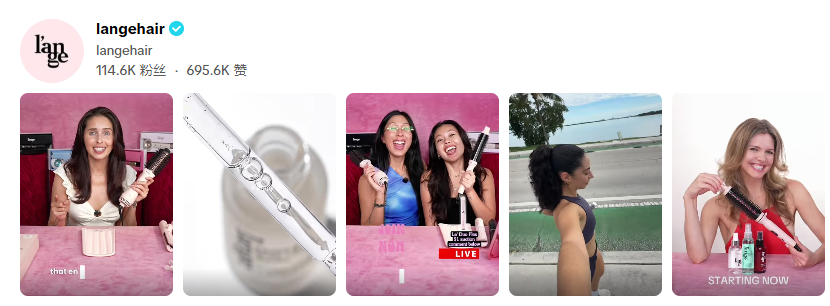
To cover different segmented audiences, L'ange has also built an official account matrix on TikTok centered around @langehair.
Even when not selling, they post content frequently, but it's not boring hard ads; instead, it's content with high educational and entertainment value such as 'hair heat protection tips', 'how to choose shampoo based on hair type', 'Straight to Curly Hair 101', firmly engaging vertical fans.
At the same time, they actively participate in or initiate hashtag challenges related to hairstyling and beauty, leveraging TikTok's recommendation algorithm to break through circles and attract a broad female audience.
Source: TikTok
Source: TikTok
Conclusion
Looking back at the L'ange case, it actually got a few things right that are not complicated but extremely important: choose the right track, find the right positioning, use the right channels, and continuously deepen efforts.
As global e-commerce and social media continue to integrate, the path for overseas consumers to obtain information and purchase products is changing. If companies rely solely on traditional advertising and price advantages, it is difficult to build long-term competitiveness. Brands that can truly sustain development need to understand local markets and establish connections in ways that align with user habits.
For more Chinese companies, going overseas does not mean simply replicating domestic experience, but requires re-studying the consumption culture, content ecosystem, and channel environment of the target market. Only by transforming product advantages into value that consumers can feel can they gain more long-term development space in overseas markets.