 1452
1452As the saying goes, “The wind is different within a hundred li, and customs are different within a thousand li.” Geographic differences give rise to diverse cultures and completely different life scenarios.
And this lifestyle difference, in the subject of cross-border trade, has exactly become a business.
Unlike China's centralized residential communities, most European and American families live in detached houses. In the United States, for example, the number of households with private swimming pools exceeds 12 million.
Faced with a sizable swimming pool, daily cleaning becomes a headache for them. It is worth noting that local manual cleaning costs are extremely high, with a single visit typically costing between 100 and 300 US dollars.Such high labor costs continue to drive market demand for automated pool cleaning equipment.
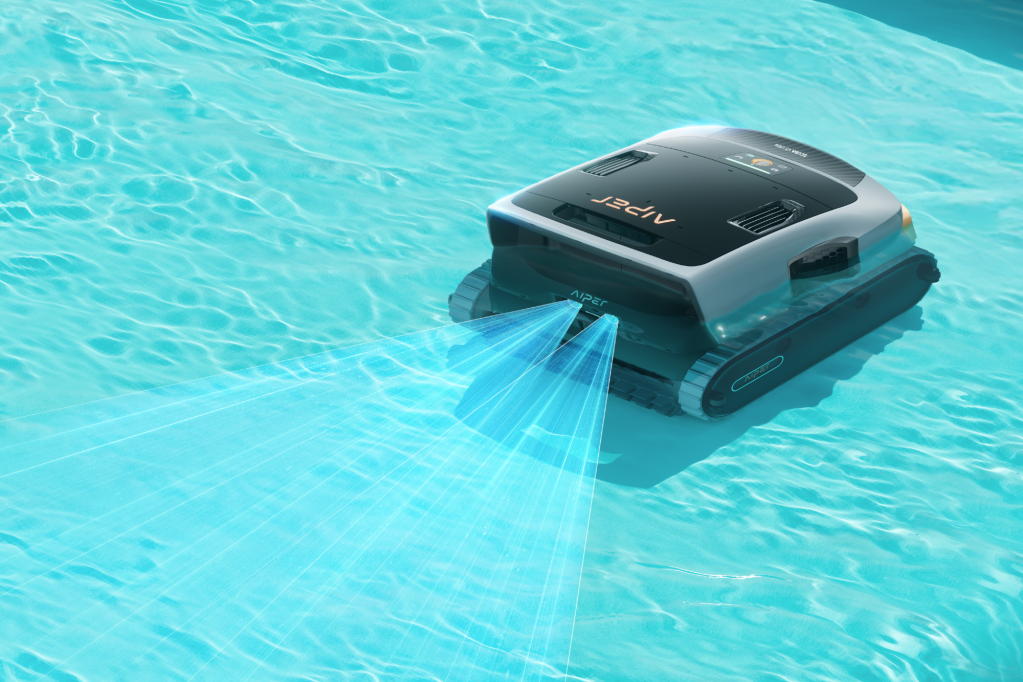
Image source: Aiper
Of course, the overseas pool cleaning sector is already crowded with many mature players. Established giants such as Dolphin (Israel) and Fluidra (Spain) have long monopolized the market segment.
But these brands are not only priced high; their main products are still mostly corded devices. Common pain points include cable tangling, limited range of movement, and the risk of electric leakage. After more than two decades of industry development, there has always been a lack of disruptive solutions, leaving a huge opportunity for a technological generation gap.
Having precisely identified this market gap, the Shenzhen-bornsmart cleaning brand Aiper, chose to enter the niche track of pool cleaning.
First, using wireless pool cleaning robots as the core breakthrough, then gradually extending to the smart ecosystem for the whole home and yard,Step by step, it achieved annual revenue of 3 billion yuan and topped the global shipment rankings in the wireless pool cleaning robot segment.
Next, let us take a look at how this brand, which started with OEM, precisely grasped industry trends, expanded overseas markets, and ultimately grew into a category benchmark?
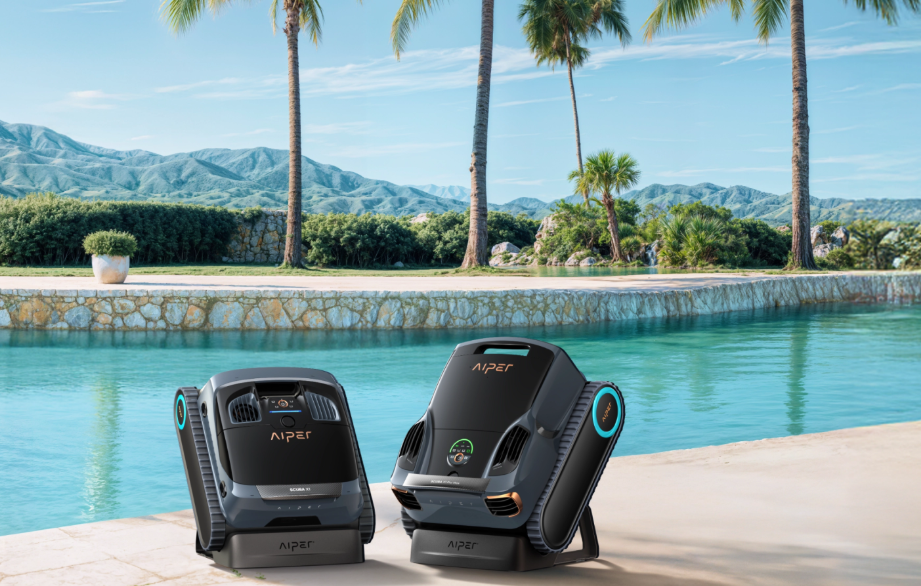
Image source: Aiper
From Manufacturing to Smart Manufacturing: A Decisive Transformation and Brand Rebirth
According to public data, Aiper belongs to Shenzhen Yuanding Intelligent and is its brand specializing in the smart cleaning sector.
In 2015, founder Mr. Wang established Yuanding Intelligent in Shenzhen. In the early stage of development, the company mainly provided OEM services for outdoor portable energy storage, courtyard hardware, and other products.
Because Mr. Wang saw many Chinese factories long mired in low-end OEM chains, with profits continuously siphoned off by overseas brands; and he also discerned the pain point that the market badly lacked innovative wireless pool cleaning equipment, he started a strategic transformation in 2019. He cut off the mature OEM business, concentrated on self-developed wireless pool cleaning robots, and officially launched the Aiper brand.
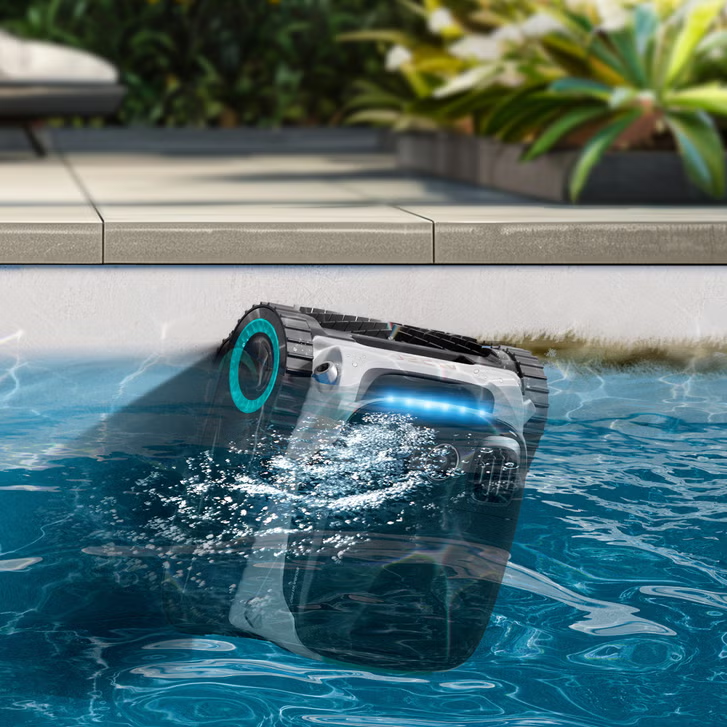
Image source: Aiper
To break the technical limitations of established overseas manufacturers, Aiper has continuously increased R&D investment, focusing on tackling three core technical challenges: battery sealing, underwater power systems, and waterproof AI navigation.
The brand's multiple wireless pool cleaning robots have outstanding intelligent performance. They can accurately identify common pool debris such as fallen leaves and branches, and support intelligent obstacle avoidance, thereby establishing a distinctive differentiated competitive barrier.
On this basis, Aiper has also continued product iteration, successively equipping products with functions such as AI path planning, underwater autonomous cruising, and APP remote control, constantly improving the product experience.
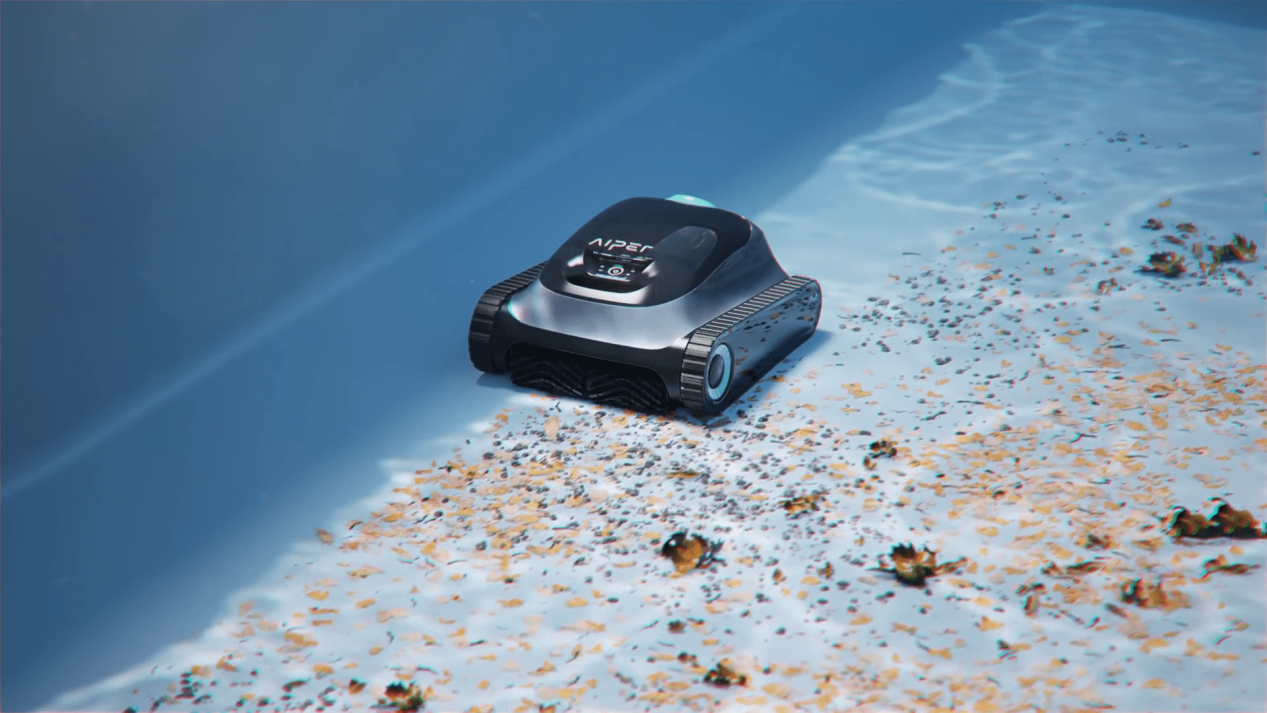
Image source: Aiper
In addition to building technological advantages, the brand also formulated a highly competitive pricing strategy, targeting the mainstream price range of $300 to $1,000.
Precisely because the product balances performance and cost-effectiveness, it successfully captured overseas mid-range consumers and carved into a vast incremental market.
Three-dimensional channel strategy: deep penetration into global markets.
If strong product strength is the foundation for market presence, and cost-effectiveness is the key to attracting consumers, then a well-established channel layout is the core driver for achieving scalable revenue.
To continuously secure overseas orders, Aiper simultaneously promotes both online and offline channels.
Online, Amazon was an important channel for early growth. The brand expanded across sites in North America, Europe, Australia, etc., with listings emphasizing the Cordless wireless core differentiator, aiming to hit the Best Seller rankings for pool robots and quickly seize market share.
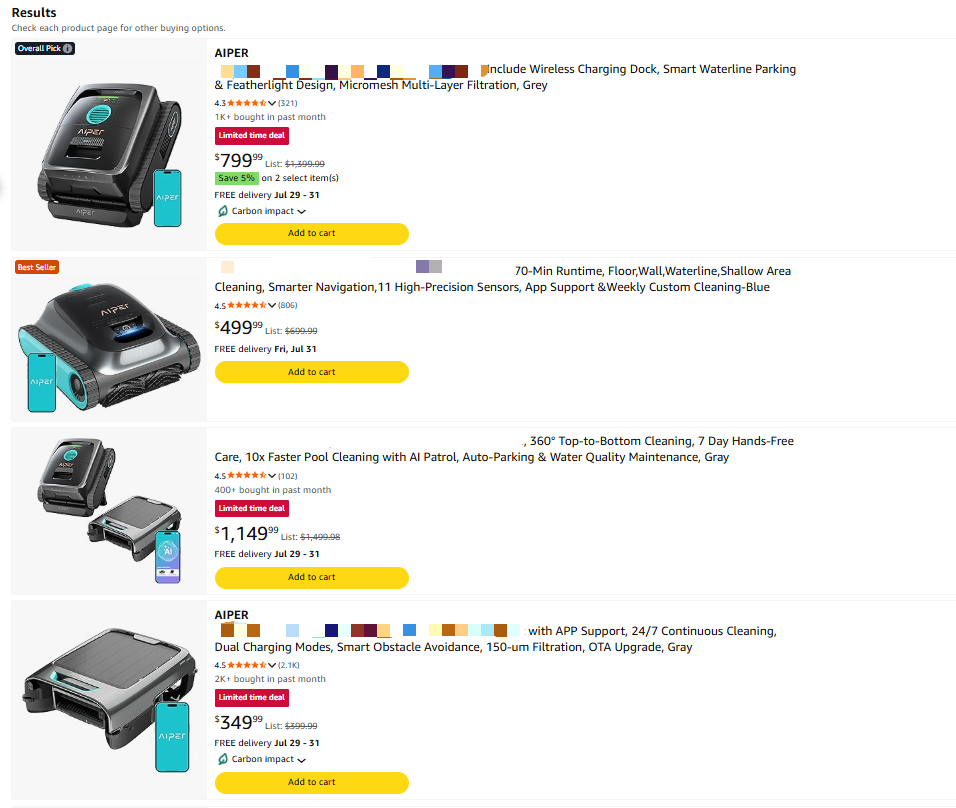
Image source: Amazon
Subsequently, the brand also joined third-party e-commerce platforms such as Walmart and Best Buy, broadening traffic channels to reach North American households that do not use Amazon.
In 2023, Aiper's category sales on Amazon were second only to Dolphin, firmly placing it in the top tier of online sales in the wireless niche, and it began to ramp up its independent site construction.
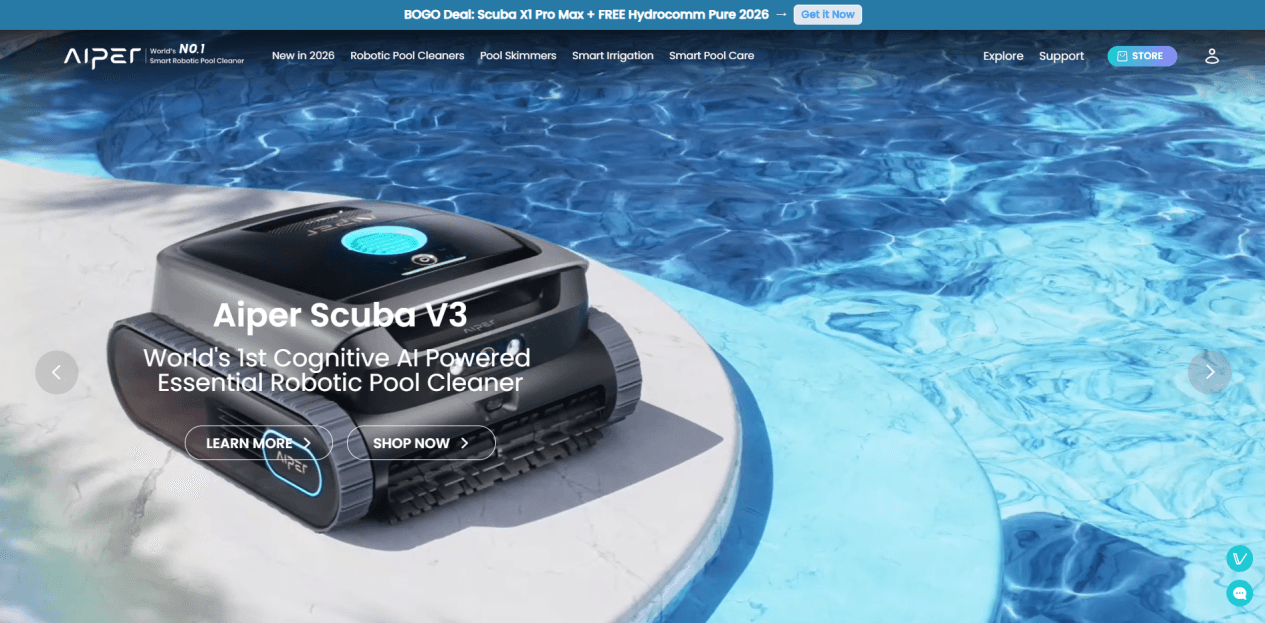
On its independent site, it continuously cultivates potential customers by creating content such as real user cases, product reviews, and operation tutorials.
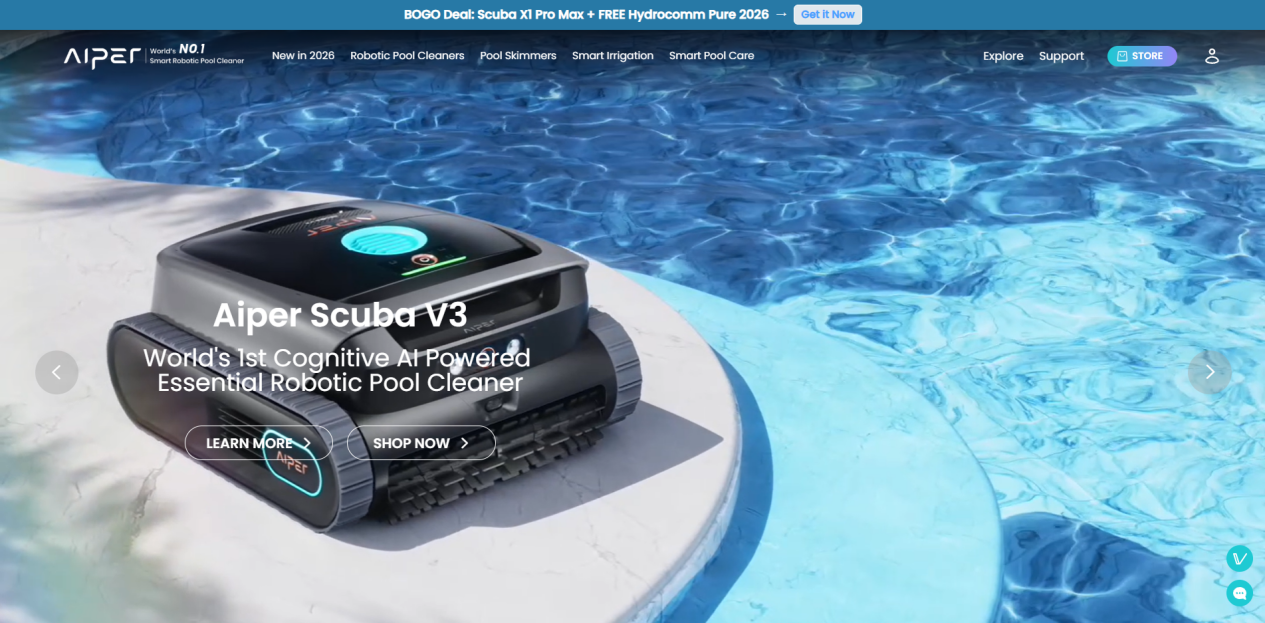
Image source: Aiper
For offline channels, Aiper adopted a dual-track strategy combining mass retail KA channels with professional distribution.
On one hand, it entered major European and American home improvement retail chains such as Home Depot, Lowe's, and Costco, directly facing C-end consumers; on the other hand, it partnered with global pool equipment giant Fluidra, received nearly 1 billion yuan in strategic investment, and successfully established distribution networks across 47 countries.
According to industry media estimates, Aiper's annual revenue reached 3 billion yuan in 2024.
Today, the brand has served over 2 million overseas household users, becoming the Chinese brand with the largest shipment volume in the global wireless pool cleaning robot segment, and is truly a top-selling category leader.
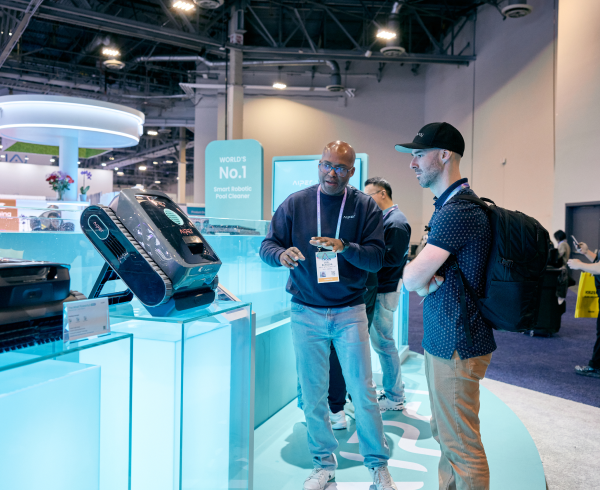
Image source: Google
Content as the spear, social media as the battlefield: letting the product 'speak' for itself on TikTok.
For home smart devices, relying solely on text and image introductions makes it difficult to dispel potential consumers' purchasing doubts.
In many cases, compared to listing complex product specifications, short videos can more clearly and intuitively demonstrate actual usage effects.
Is Aiper's pool cleaning robot really effective? The brand chose to use social media platforms like TikTok to 'speak'.
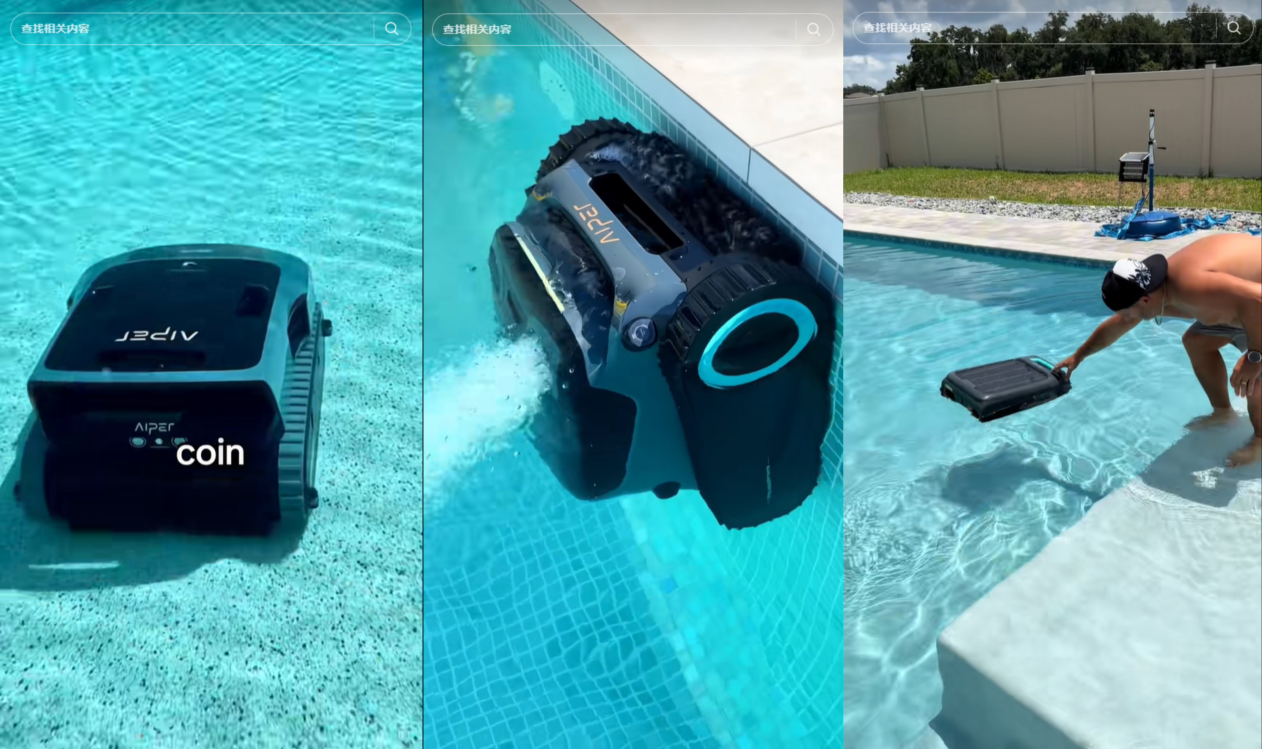
Image source: TikTok
On TikTok, the brand established its official account @Aiper. As of now, it has gained 45,200 followers and 93,100 likes.
The account's content is mainly divided into three directions:
The first direction is new product promotional videos, focusing on product performance and technology upgrade points, helping the audience build basic awareness of new products.
The second direction is a real-scene unboxing usage video, recording the cleaning process after the device is put into the swimming pool, visually presenting the comparison of the pool before and after cleaning, allowing consumers to see the product's cleaning ability and boosting purchase intention.
The third direction is a short film for family leisure scenes, showing a family enjoying their pool time comfortably, moving users with a beautiful life experience, stimulating emotional resonance, and prompting the final order.
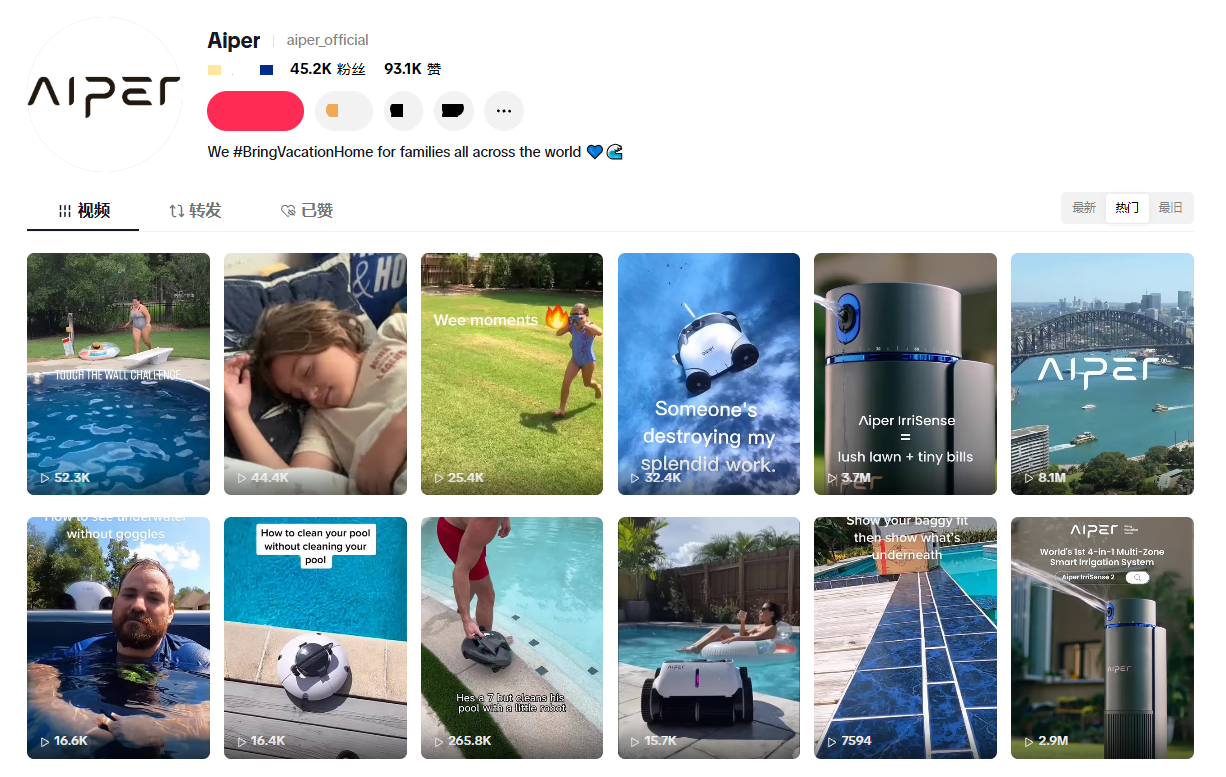
Image source: TikTok
In addition to continuously outputting content from its own account, Aiper also collaborates extensively with tech and home life vertical influencers, using their influence to precisely reach target customers.
Tech influencer @the_techlabb, who has 843,600 followers on TikTok, produced a promotional short video for it.
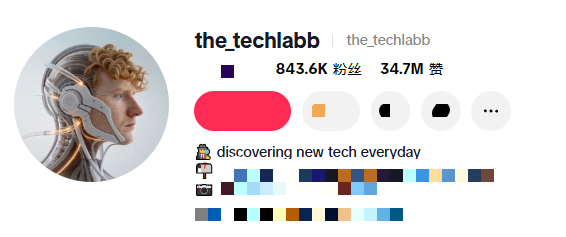
Image source: TikTok
The video fully demonstrated the entire process of the influencer using Aiper's cleaning robot to sweep leaves and debris from the pool, and after its work, dumping the dirt and cleaning it thoroughly.
Since its release, this short video has exceeded 8.6 million views and received 96,400 likes, with an endless stream of comments asking for prices.
It can be seen that this kind of short video content that fully restores real usage scenarios can easily attract users' attention, and effectively drive consultation and inquiry conversion.
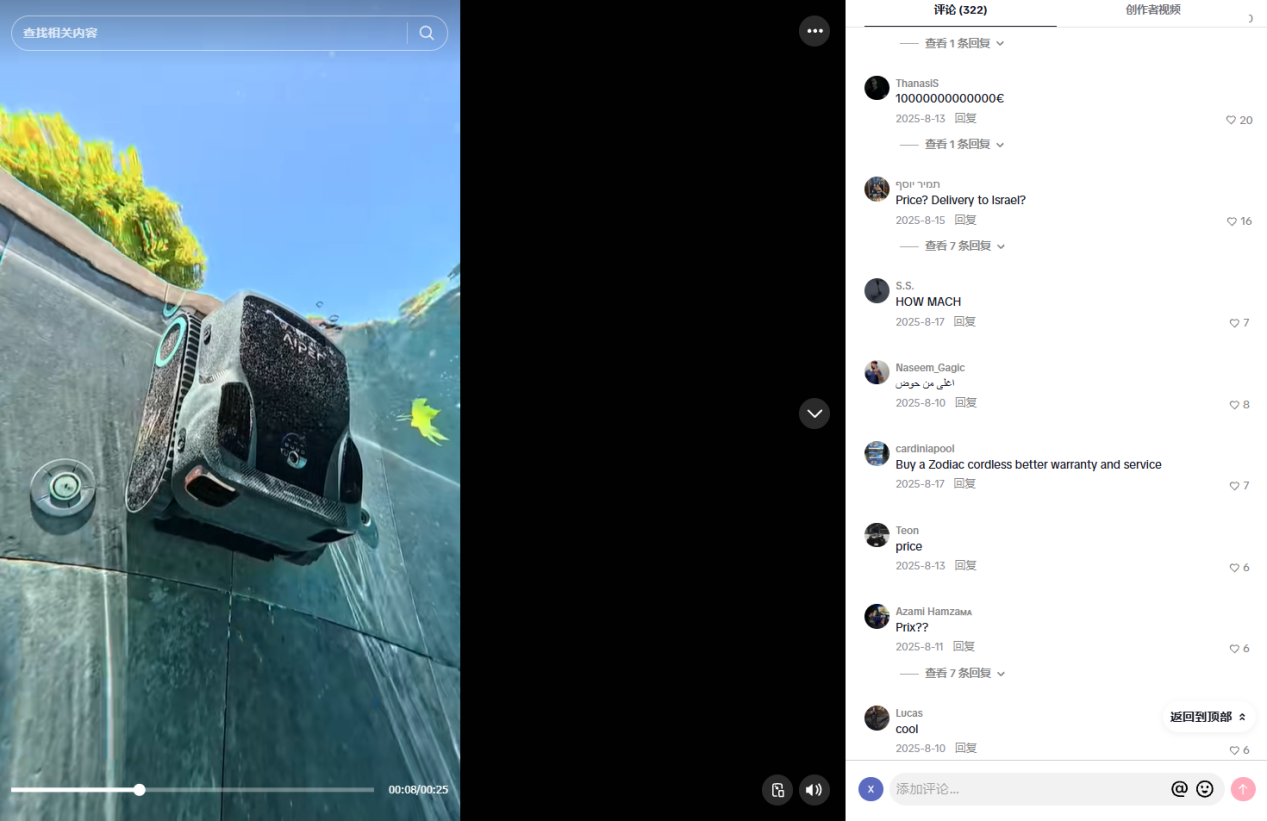
Image source: TikTok
Conclusion
When most players are competing in a crowded track, the real inspiration Aiper's choice brings to Chinese companies going overseas may not be "how to discover the blue ocean," but "how to redefine the dimension of competition."
Aiper did not compete at the level of swimming pool cleaning robots, but established advantages at the deeper user need level of making pool maintenance easier. This mindset shift gives product innovation a clearer bull's-eye.
Currently, the Chinese supply chain and R&D capabilities are most suited to this kind of niche innovation that requires rapid iteration and precise response. The overseas market is not a container waiting to be filled, but a multi-dimensional space composed of countless special needs.
When more companies begin to think this way, the story of Chinese manufacturing truly starts to shift from a production capacity narrative to a value narrative.