 1332
1332According to data from the U.S. Centers for Disease Control and Prevention (CDC), approximately 33% of the U.S. population aged 18 and over was classified as obese in 2021; according to IBISWorld, this proportion is expected to reach 34.5% in 2026.
The continued rise in obesity rates, combined with the home fitness boom fueled by the 'stay-at-home economy', has made the home fitness equipment track one of the most crowded and imaginative tracks in the cross-border e-commerce sector.
It is in such a seemingly red ocean market that a team headquartered in Wuhan broke through the siege with an 'all-in-one portable push-up board system', and in just a few years completed the transformation from a single hit product to a full-scene core strength training brand — this brand is calledHOTWAVE。
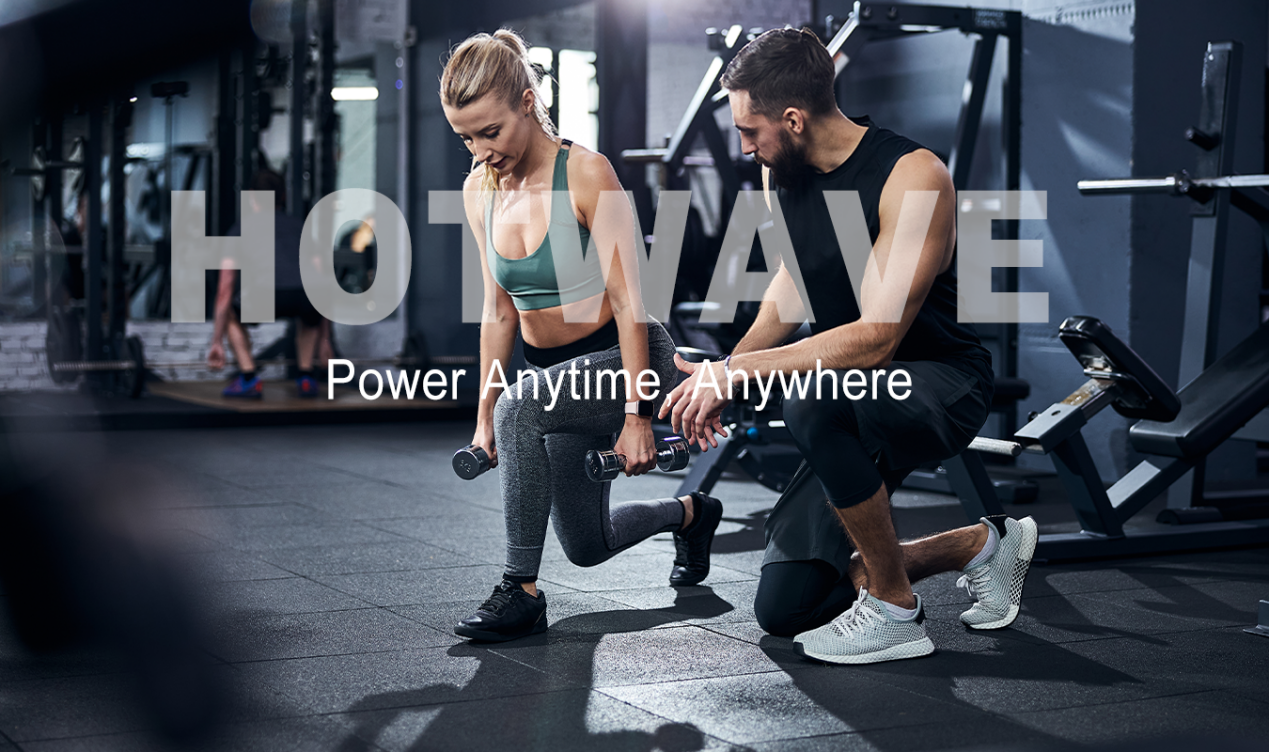
Image source: HOTWAVE
How a push-up board became a Best Seller
HOTWAVE is affiliated with a cross-border e-commerce enterprise in Wuhan. The company was established in 2021, with its headquarters in Hongshan District, Wuhan, Hubei, and also has branch operation centers overseas.
In mid-2022, against the backdrop of the overseas 'stay-at-home economy' and consumers' continuously rising attention to health, the HOTWAVE brand was officially established, and simultaneously laid out overseas social media such as YouTube, Facebook, and TikTok.
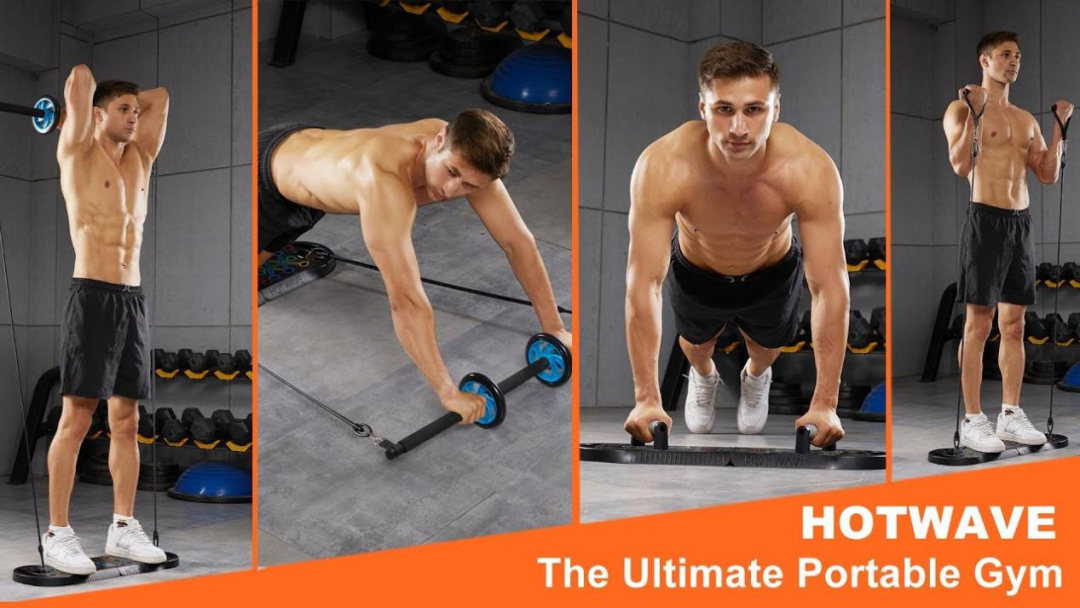
Image source: HOTWAVE
The first product the brand used to enter the market was the 'all-in-one portable push-up board system'. The core selling point of this product is very intuitive — it adopts a design logic of 'color-coded muscle groups', with different colors corresponding to different training areas: blue for chest, yellow for back, allowing users with no fitness experience at all to get started in a 'foolproof' way.
It is this extremely low usage threshold that made HOTWAVE quickly stand out in the Amazon fitness equipment category. Data shows that its portable push-up board's monthly sales exceeded 10K, and it won the Best Seller in that category.
From 2022 to 2026, HOTWAVE completed a comprehensive transformation from a single hit product to a 'full-scene core strength training' product matrix.
Today, the brand's product line covers multiple categories including vibration plates, push-up boards, abdominal crunch machines, waist-twisting discs, and squat machines. On TikTok Shop, most of these products maintain stable monthly sales in the thousands or even tens of thousands.
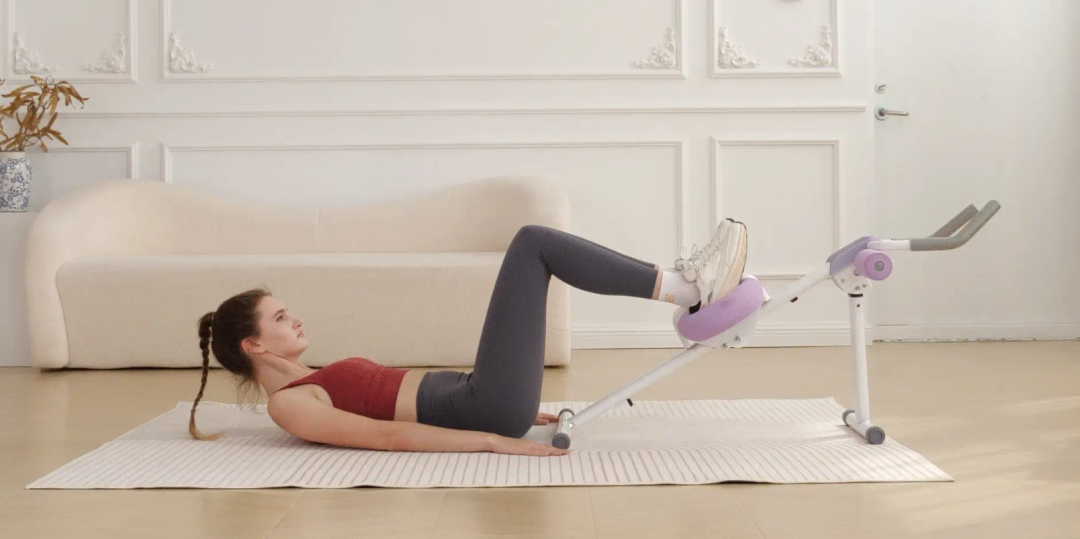
Image source: HOTWAVE
From selling products to creating content, how does HOTWAVE plan its TikTok presence?
In overseas market competition, one of HOTWAVE's key breakthrough points is using TikTok to achieve brand exposure and sales conversion.
Unlike traditional e-commerce that relies on keyword search, TikTok's core logic is 'content discovery'. Consumers do not actively search for products, but are 'planted' with purchase intent while browsing videos. Therefore, HOTWAVE's operational focus on TikTok is not simply displaying products, but creating content around workout scenarios.
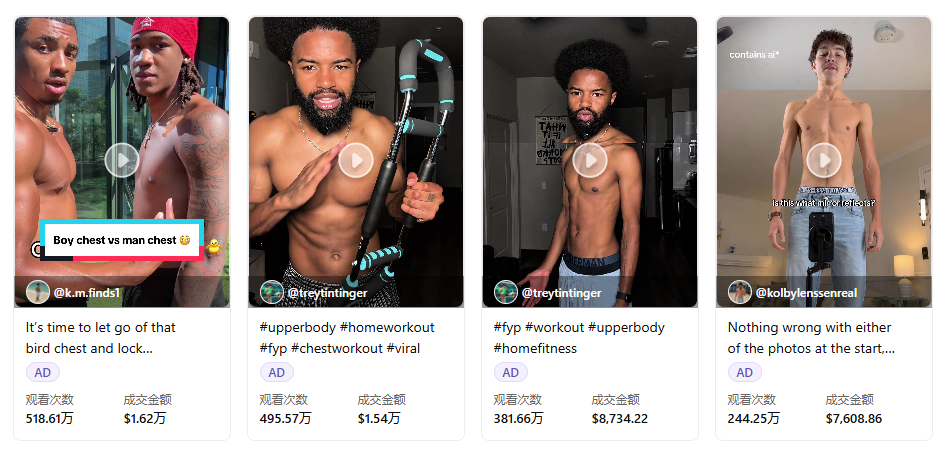
Image source: kalodata
1. Multi-account layout covering users across different markets
HOTWAVE adopted a multi-account operation approach on TikTok, reaching consumers in different regions through different accounts.
Among them, @hotwaveus, as the main account for the U.S. market, has significant influence in TikTok Shop, and its public page currently shows a follower count reaching the million level.
This account matrix model helps the brand adjust content direction according to different markets. For example, U.S. users pay more attention to scenarios such as fat loss, body shaping, and home training, while markets like the UK may be more suitable for challenge-type and training plan-type content.
By testing content effectiveness through different accounts, the brand can more quickly find communication methods that suit local consumers.
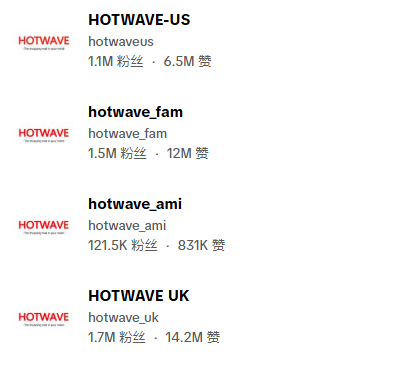
Image source: TikTok
2. Replacing traditional advertising with training content
HOTWAVE's content on TikTok does not heavily adopt direct promotional forms, but instead builds user awareness through training demonstrations.
For example:
- Show how to use the product;
- Share home workout moves;
- Create "challenge-style" workout content;
- Show exercise results through before-and-after changes.
This content model fits TikTok users' browsing habits.
For consumers, what they are buying is not just a piece of fitness equipment, but a more convenient lifestyle.
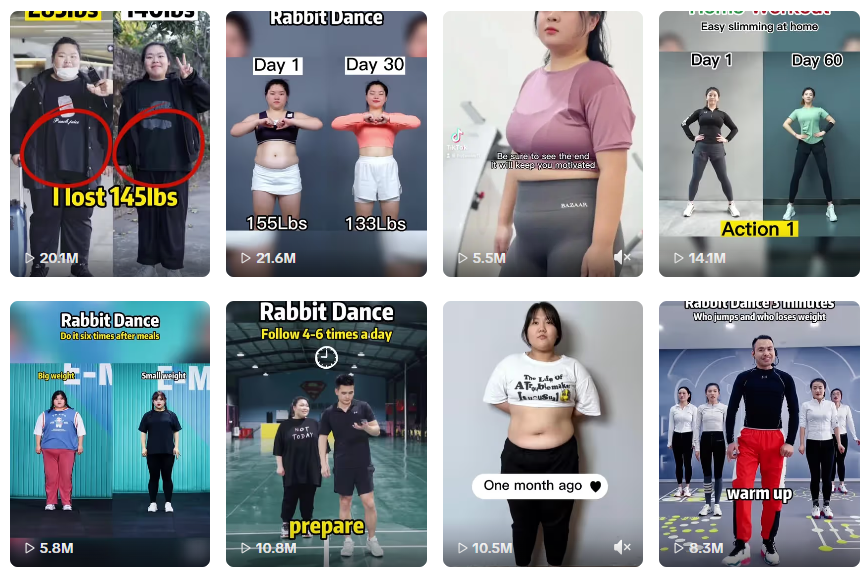
Image source: TikTok
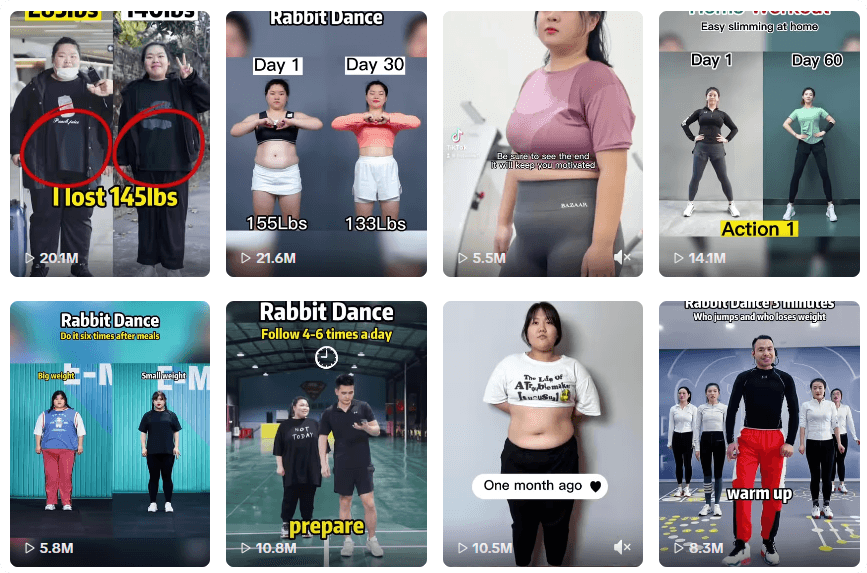
A typical example is a home fat-burning workout video posted by the account @hotwave_uk, which reached 3.1 million views. This video did not directly promote any product, but instead attracted users to stay through the logic of 'low barrier + strong goal + visual comparison'.
This 'follow-along mode' makes users feel 'I can do it too,' thus generating saves and shares. For fitness equipment brands, the value of this type of content is that it is not selling a product, but a lifestyle of 'being able to complete workouts at home' — and the product happens to be the tool for this lifestyle.
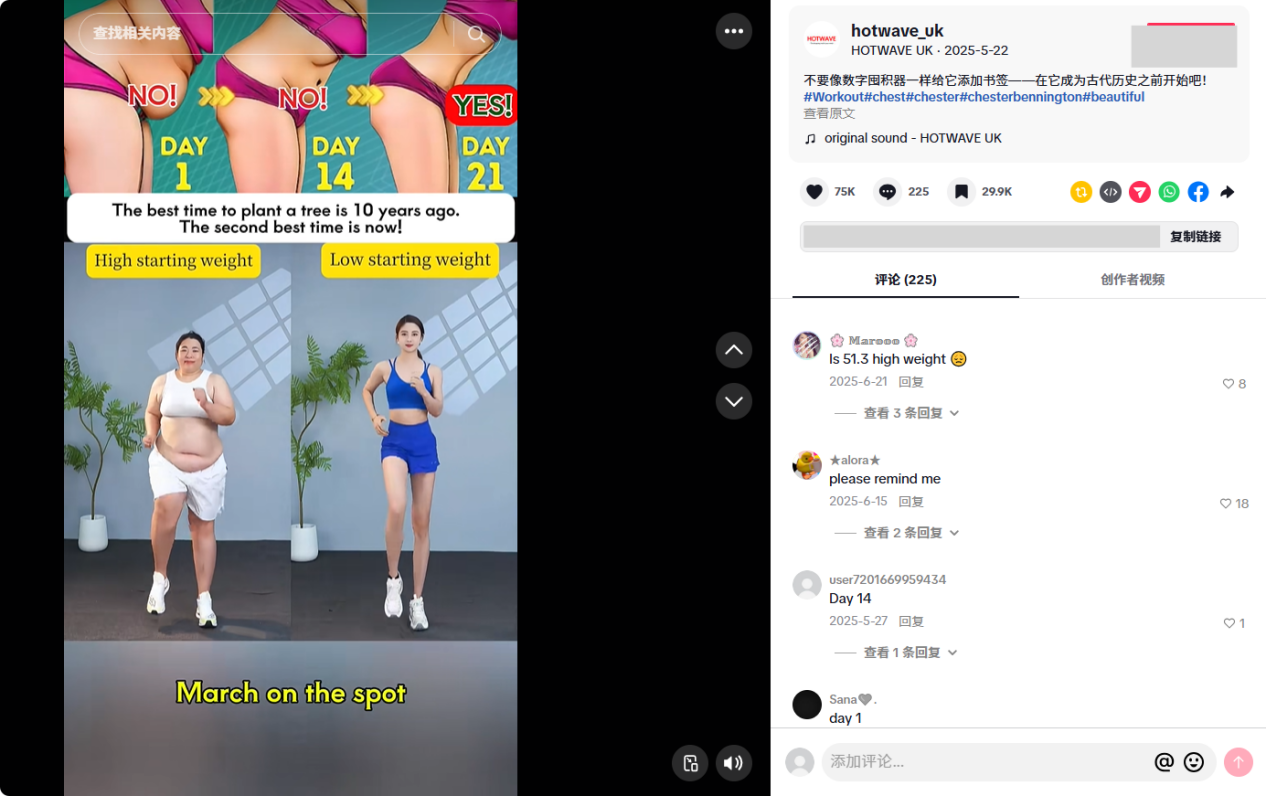
Image source: TikTok
3. Leveraging influencer collaborations to expand influence
In addition to brand-run accounts, HOTWAVE also spreads content through fitness influencers and sports enthusiasts.
Compared with brands introducing products themselves, consumers are often more likely to trust real user experiences. Influencers showcasing products in their own training scenarios can reduce consumers' trust cost for unfamiliar brands.
Especially in the fitness category, users care a lot about 'whether it works well' and 'whether it suits them.' Real usage scenarios can help brands complete the conversion from exposure to purchase.
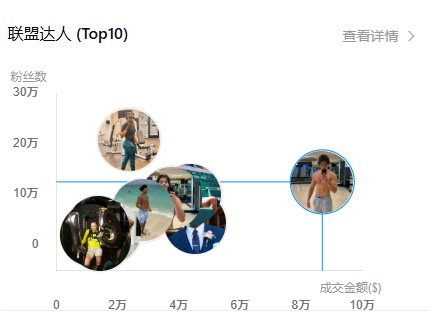
Image source: kalodata
For example, HOTWAVE's collaboration with TikTok fitness influencer @kolbylenssenreal reflects the brand's approach of using influencer content for user education and product seeding.
A related video posted by this influencer reached 11.4 million views. The video did not use traditional sales-style introductions, but instead showcased workout moves and product usage in real training scenarios, integrating the product into daily exercise routines.
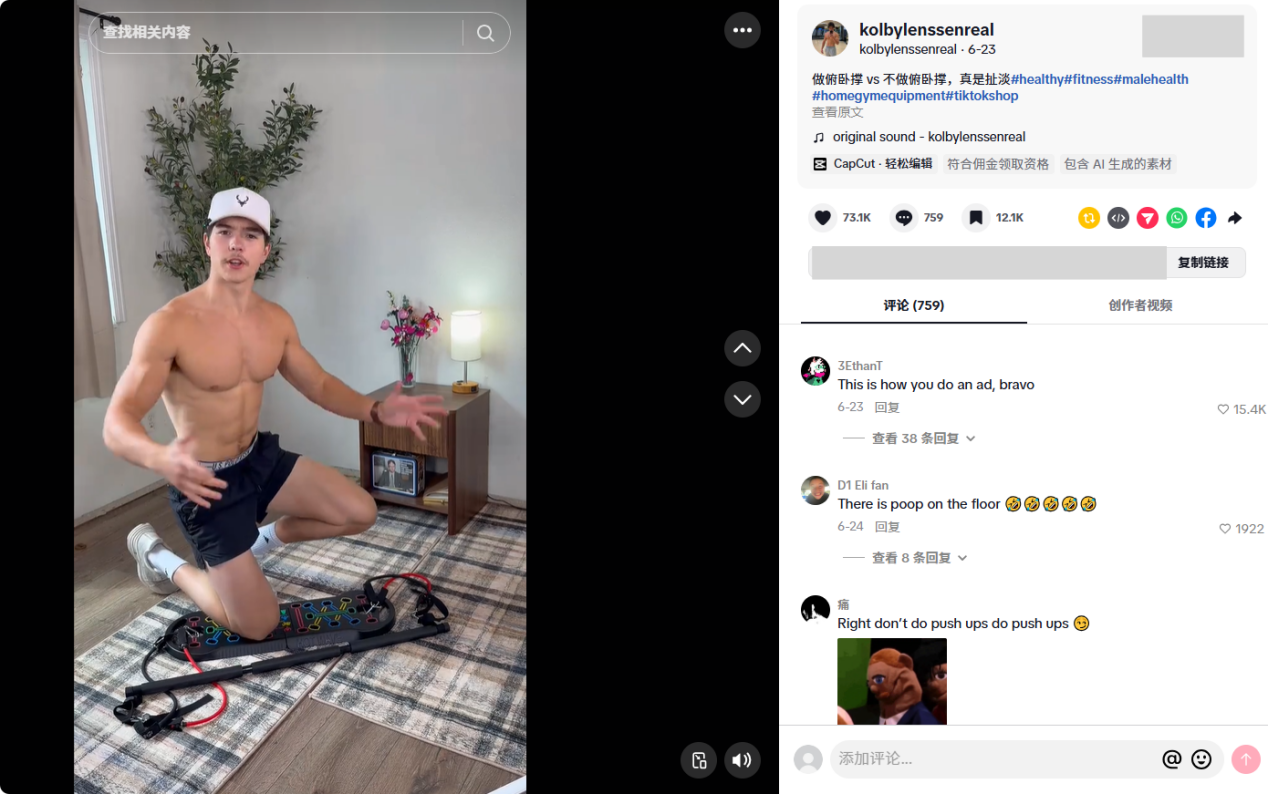
Image source: TikTok
According to data, this influencer generated $87,000 in transaction value for HOTWAVE in the past 30 days, all from short-video sales. During this period, their sales videos accumulated approximately 34.55 million views, driving the brand account's follower growth by 8,500 people.
It can be seen that for consumers, the influencer's own fitness image and usage experience enhance content credibility, and also help HOTWAVE lower the awareness barrier for overseas users toward an unfamiliar brand, achieving the conversion from 'seeing the product' to 'developing purchase interest.'
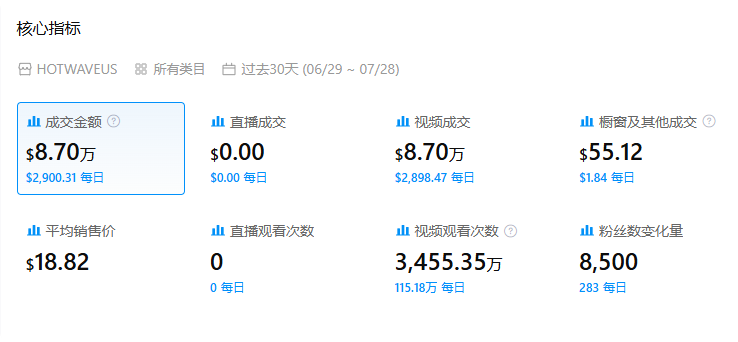
Image source: kalodata
Chinese companies going overseas need to re-understand overseas consumers.
From a broader perspective, overseas markets are entering a new phase of competition. In the past, Chinese companies going global relied more on supply chain and price advantages, but as competition intensifies, relying solely on production capacity has become increasingly difficult to form long-term competitiveness.
In the future, more companies need to pay attention to changes in consumer demand and combine products, content, channels, and brand expression.
HOTWAVE is just one example among many companies exploring overseas markets. For domestic companies, what is truly worth paying attention to is not the success path of a particular brand, but how to leverage global channels, social media, and localized operational capabilities to further transform China's manufacturing advantages into brand value for global consumers.
As the global consumer market continues to change, there are still plenty of opportunities in overseas markets. For Chinese companies seeking growth space, building long-term overseas operational capabilities may become an important direction in future competition.