 1480
1480If you think about the toolbox at home now, aren't there always a few batteries that don't work with each other, along with their respective chargers?
This is almost a common annoyance for every DIY enthusiast and gardening lover. And it was precisely this seemingly insignificant daily pain point that was keenly spotted by a brand from Ningbo, Zhejiang.
It isLitheli(晓来)。
Faced with such a problem, what did Litheli do? The answer is to simplify complexity by developing self-developed shared battery technology to create a borderless energy sharing model.
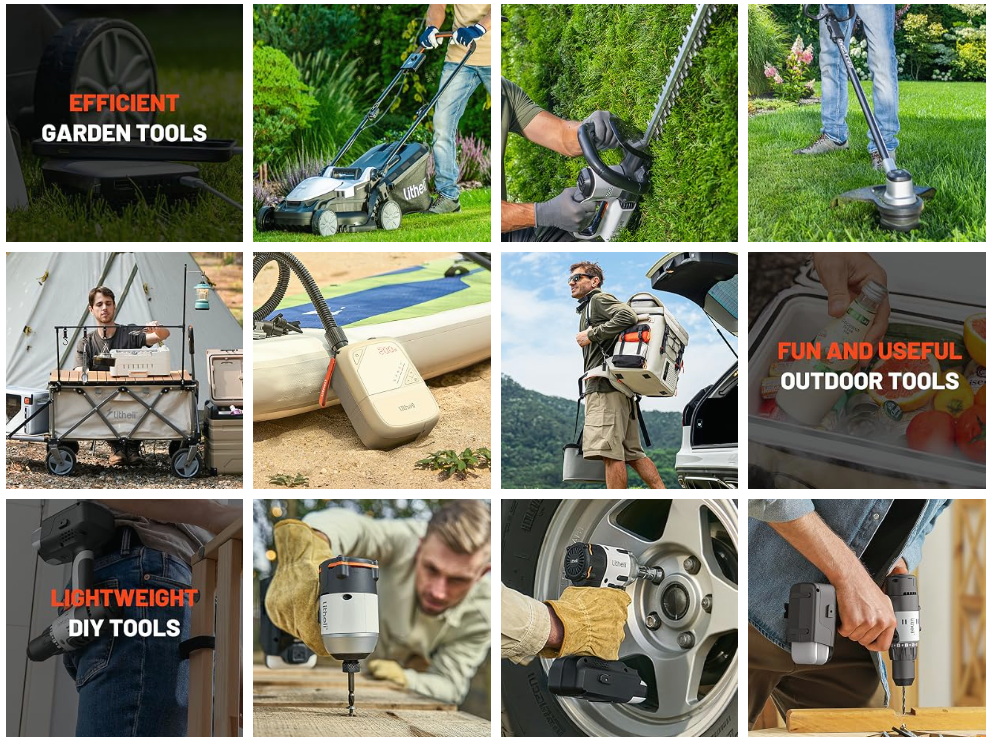
Image source: Litheli
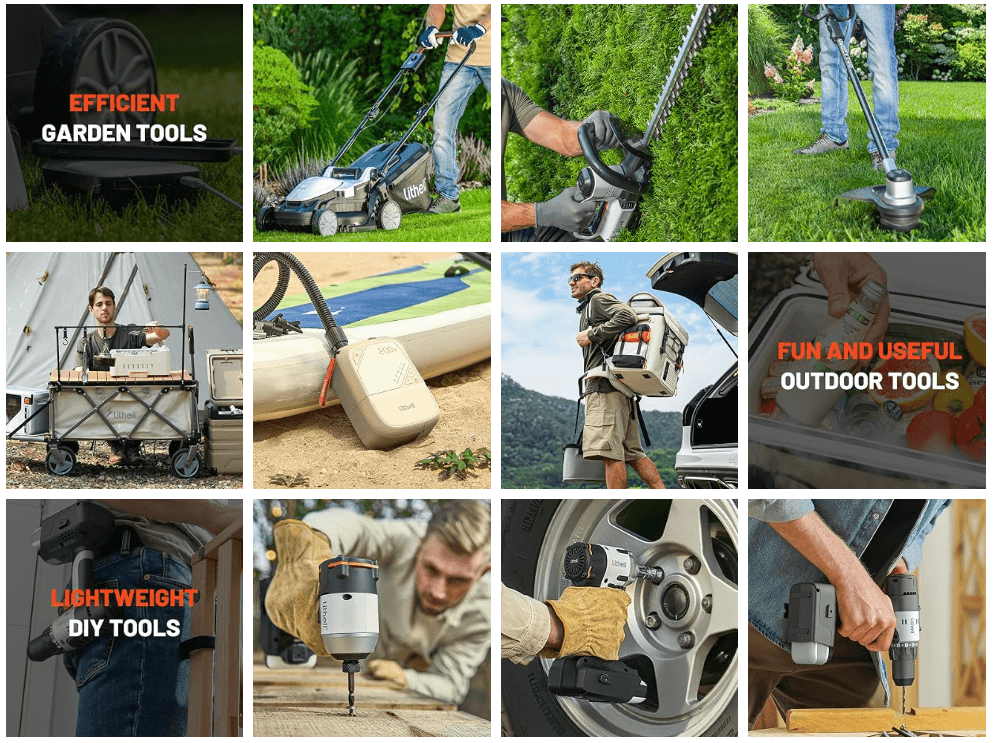
In simple terms, one universal battery handles all scenarios, compatible with multiple categories such as garden tools, power tools, outdoor energy storage, camping equipment, etc.
This innovative model is no gimmick; it has genuinely won recognition in overseas markets.
According to public data from the brand's independent website and Amazon store, relying on a flexible and efficient shared battery ecosystem,Litheli(晓来)business has covered more than 30 countries globally, providing convenient power solutions to 250 million households.
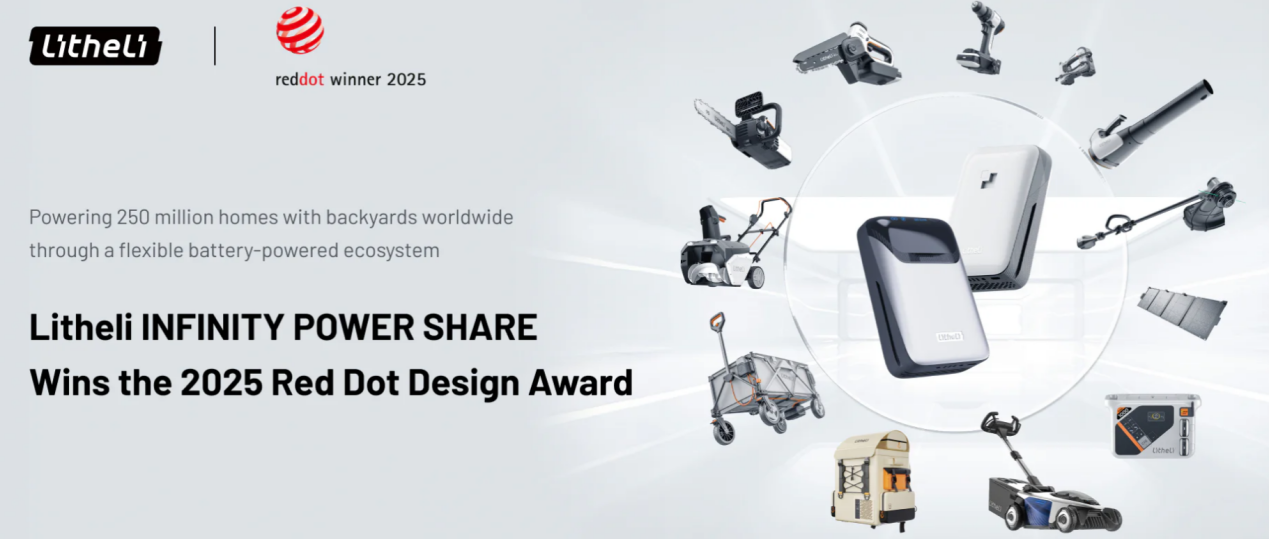
Image source: Litheli
From OEM to Brand Building: Targeting Industry Pain Points, Creating an Innovative Core with Unified Batteries
Litheli was not born out of a whim. Its parent company has nearly 20 years of experience in new energy power OEM/ODM manufacturing, providing production and manufacturing services for overseas brands over the long term.
During the day-to-day manufacturing process, the team discovered an unspoken rule that the industry had tacitly accepted but consumers had long complained about: one machine with one battery.
Each tool set comes with its own proprietary battery, but they cannot be used interchangeably. This not only causes a huge waste of resources, but also greatly diminishes the consumer experience in storage and use.
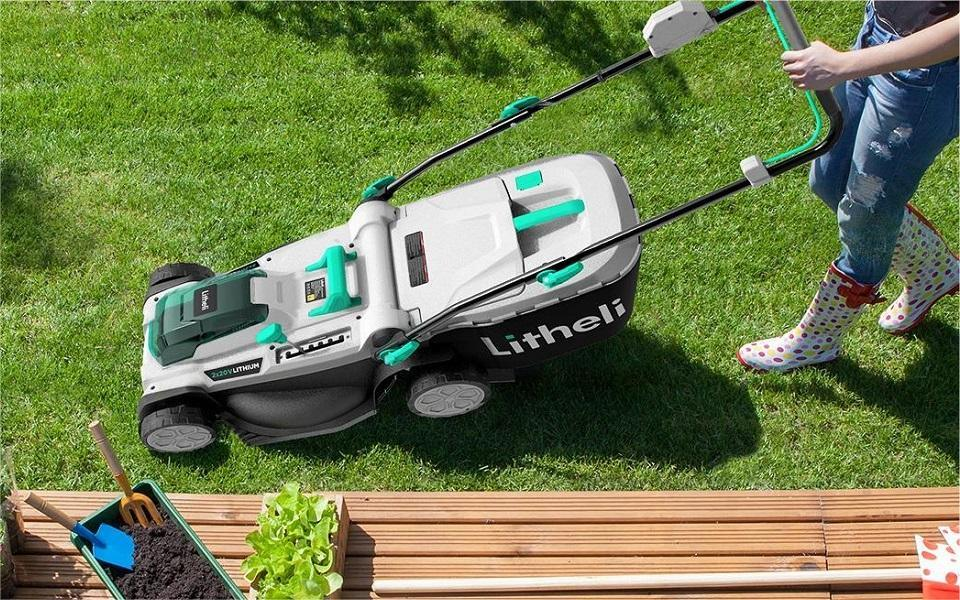
Image source: Google
Instead of competing with giants on the performance parameters of traditional tools, they conceived a rather bold idea at the time. Could they establish a new battery energy standard for power tools and outdoor equipment, just like the mobile phone industry unified charging interfaces?
With this idea, Litheli officially launched the project in 2017. In the following three years, it did not rush to sell products, but focused on R&D, finally realizing the DC 2.0 shared battery technology and the IPS borderless energy sharing system.
The core of this system is to liberate the battery from being an accessory of the tool and make it an independent energy unit.
It can drive electric drills and lawn mowers, power camper vans and outdoor refrigerators, and even charge digital devices such as phones and computers. This innovation of simplifying complexity became the core fulcrum for the brand to pry open the market in the future.
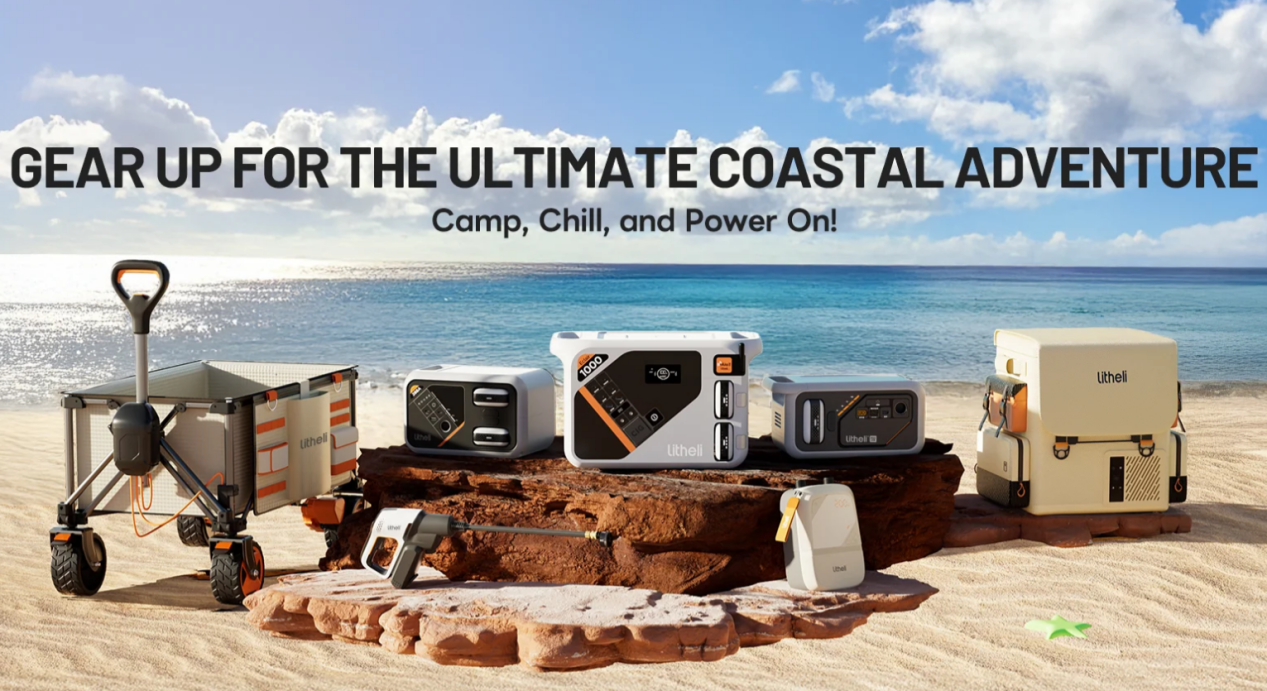
Image source: Litheli
Going Global and Breaking Through: Crowdfunding to Test the Market, Leveraging Hit Product Strategy to Drive Ecosystem Growth
For a brand going global, the biggest risk is no more than the “localization failure” after “building a car behind closed doors.”
Litheli chose a low-cost, high-efficiency testing path—crowdfunding. This is not only a fundraising channel, but also a testing ground for validating the market and adjusting product strategy.
Taking the Japanese market, which has extremely high product standards, as an example, Litheli also took detours in its early days. Its first electric camping cart underperformed expectations on the crowdfunding platform Makuake.
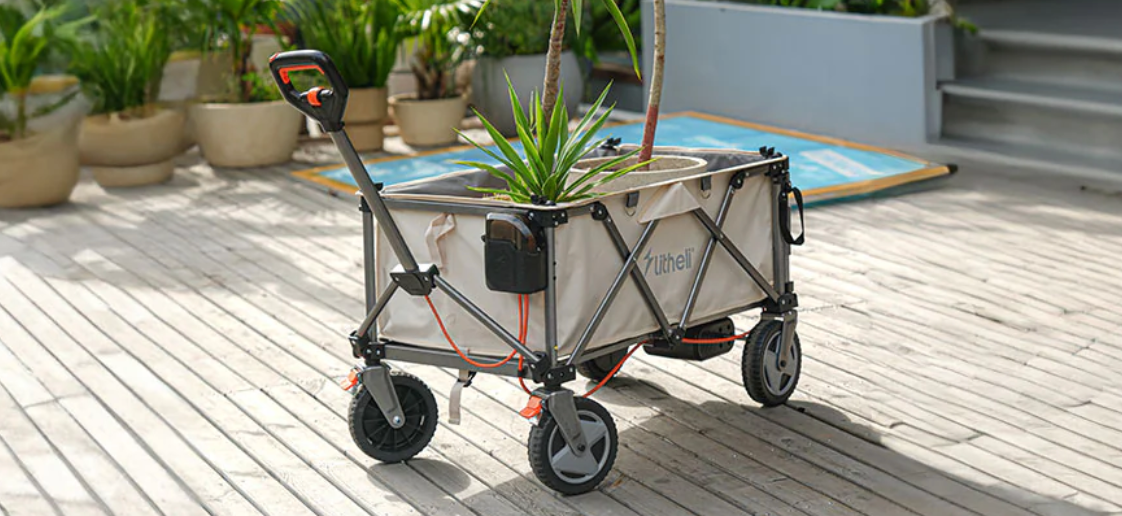
Image source: Google
After noticing that the product did not fit local consumption habits, Litheli quickly adjusted its direction, targeting the strong demand for mobile refrigerators in the Japanese market, and launched a backpack-style outdoor refrigerator compatible with its own shared battery.
This product places the battery externally, balancing portability and mobility, and is suitable for multiple usage scenarios such as in-car, motorcycle, and electric bicycle.

Image source: Google
The adjustment produced immediate results. According to an article released by Litheli Japan Co., Ltd., the crowdfunding project for the backpack-style portable refrigerator FrozenPack received total support exceeding 50 million yen, ranking first in Japan's refrigerator category.
Through this hit product, Litheli successfully established market awareness and leveraged it to drive sales across its entire battery ecosystem, including energy storage and tools, carving out a distinctive growth path where a hit product drives the ecosystem.
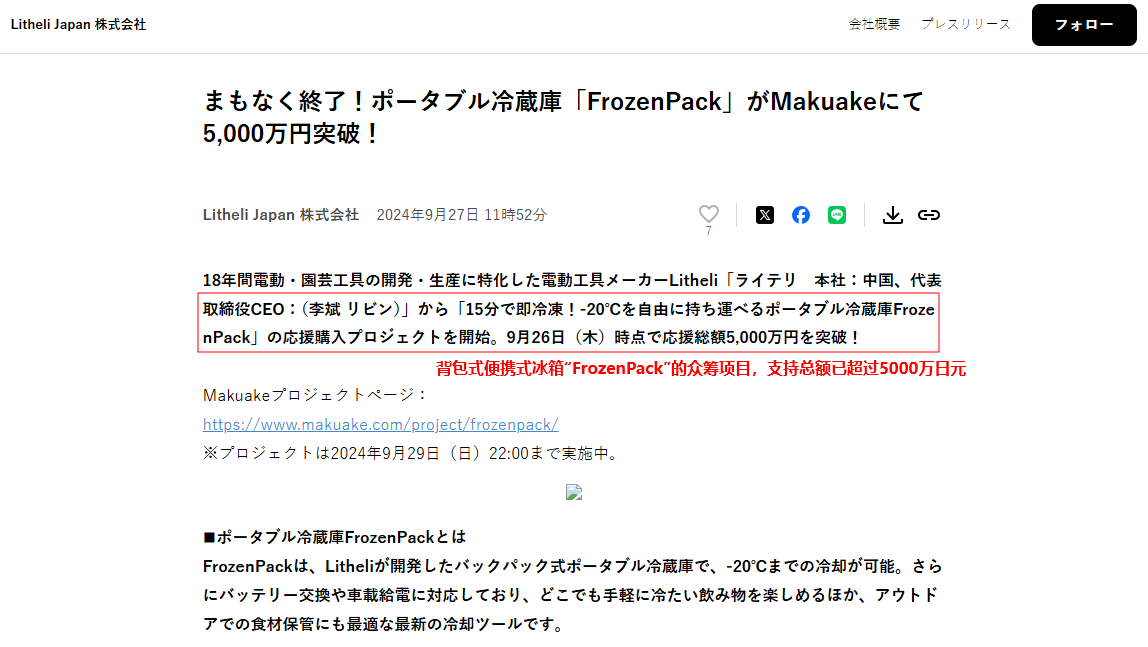
Image source: Litheli Japan Co., Ltd.
Omnichannel strategy:Online-offline synergy, building a 'double guarantee' for global sales.
Of course, this is not the end. The success of crowdfunding merely completes the market validation from 0 to 1. To achieve scale growth, it is necessary to build multi-dimensional sales channels.
At this stage, Litheli demonstrated a clear approach to global channel expansion.
Online, Amazon is its core battleground for entering the European and American markets. Simply put, it leverages the platform's huge traffic to quickly ramp up volume and establish a foundational sales base.
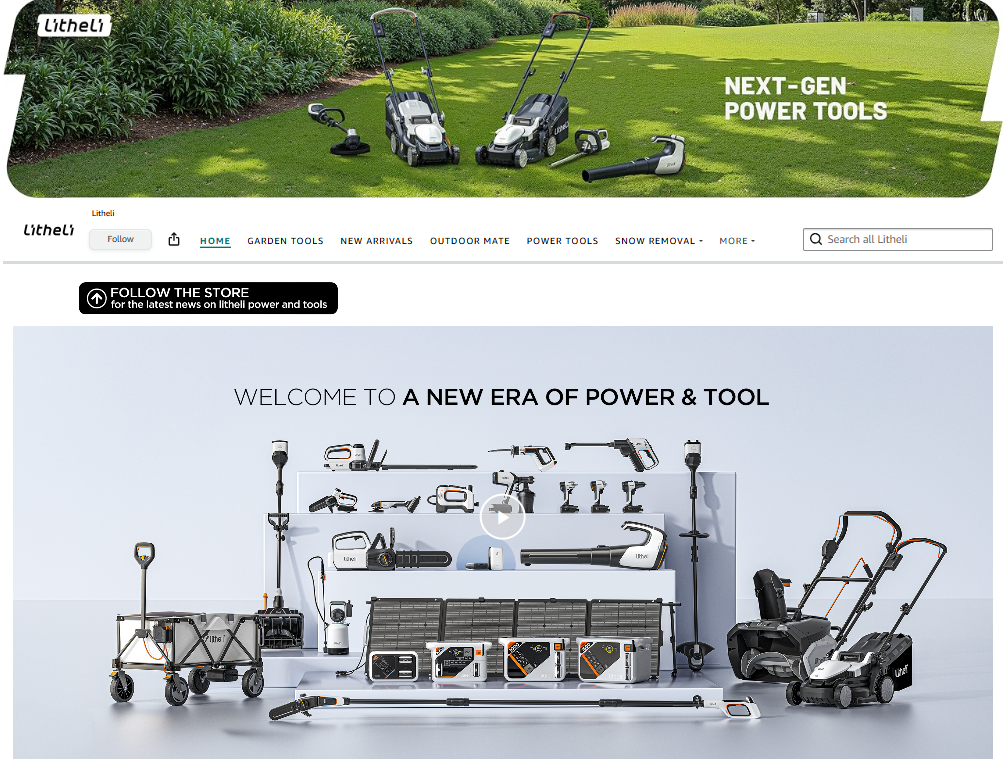
Image source: Amazon
To build a brand presence, Litheli also set up an independent website. It can both directly retail to C-end consumers and handle B-end channel business inquiries, covering both retail and dealer recruitment.
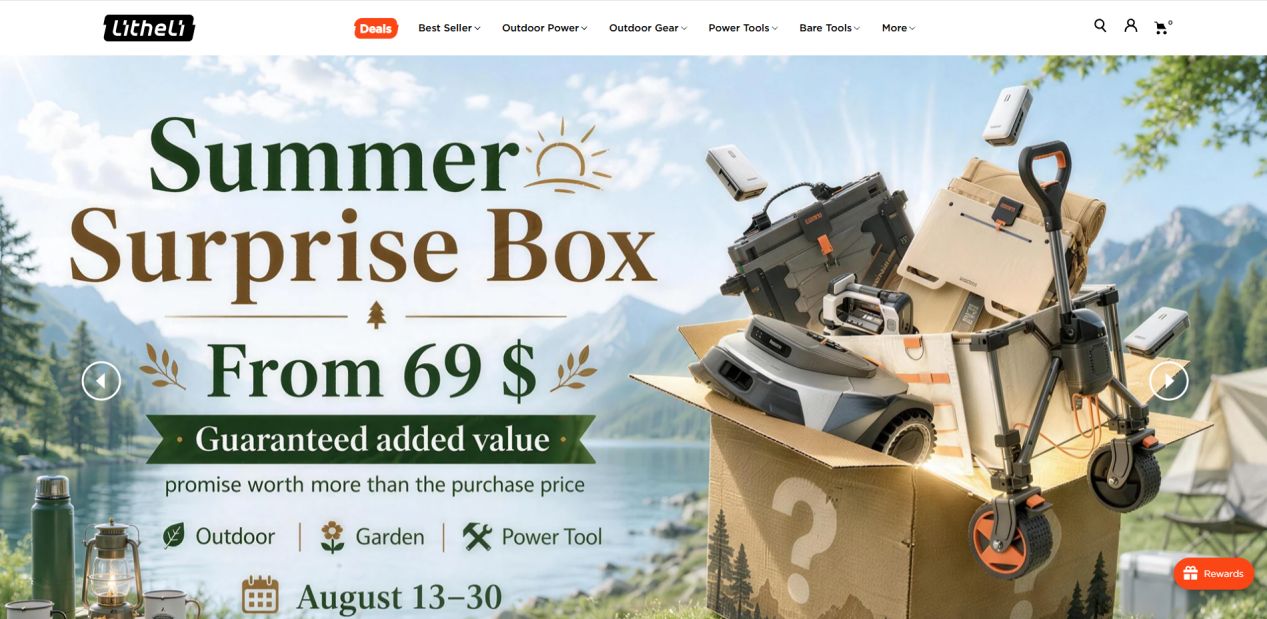
Image source: Litheli
However, Litheli is well aware that online channels mainly reach younger consumer groups. To cover older customers who rely more on traditional purchasing paths, offline channels are indispensable.
Therefore, the brand actively entered mainstream offline tool retail networks such as large European furniture chain stores. At the same time, it frequently appeared at international industry exhibitions like CES in the United States, using these opportunities for brand exposure and to expand offline cooperation.
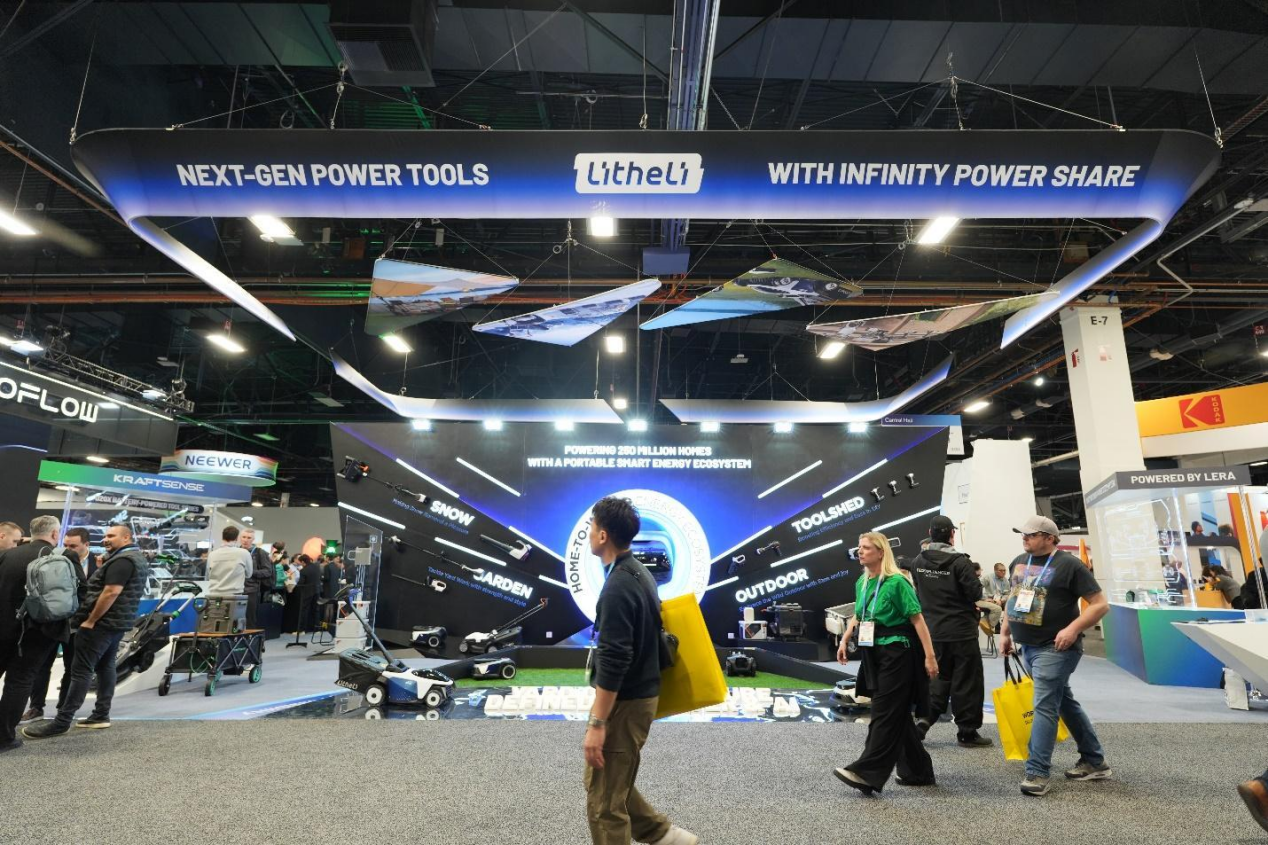
Image source: Google
Through this coordinated multi-channel strategy, Litheli achieved solid sales results.
According to reports by cross-border industry media 'Dashu Kuajing', as of early October 2024, pending orders for the single product of lithium battery lawn mower alone exceeded 400,000 units.
Social media marketing: scenario-based seeding to amplify the core appeal of products.
If technology and channels are the hardware foundation of Litheli's overseas expansion, then social media marketing represented by TikTok is the software core for achieving low-cost, high-efficiency customer acquisition.
Litheli's core selling point of 'one battery, multiple uses' is inherently highly shareable and perfectly fits the short-video content logic of TikTok.
Coupled with the platform's decentralized algorithm, even small and medium-sized influencers can create viral content, providing the brand with a low-cost, high-exposure promotion path.
In its TikTok strategy, Litheli focused on partnering with a large number of tail-end influencers with 50,000 to 100,000 followers.
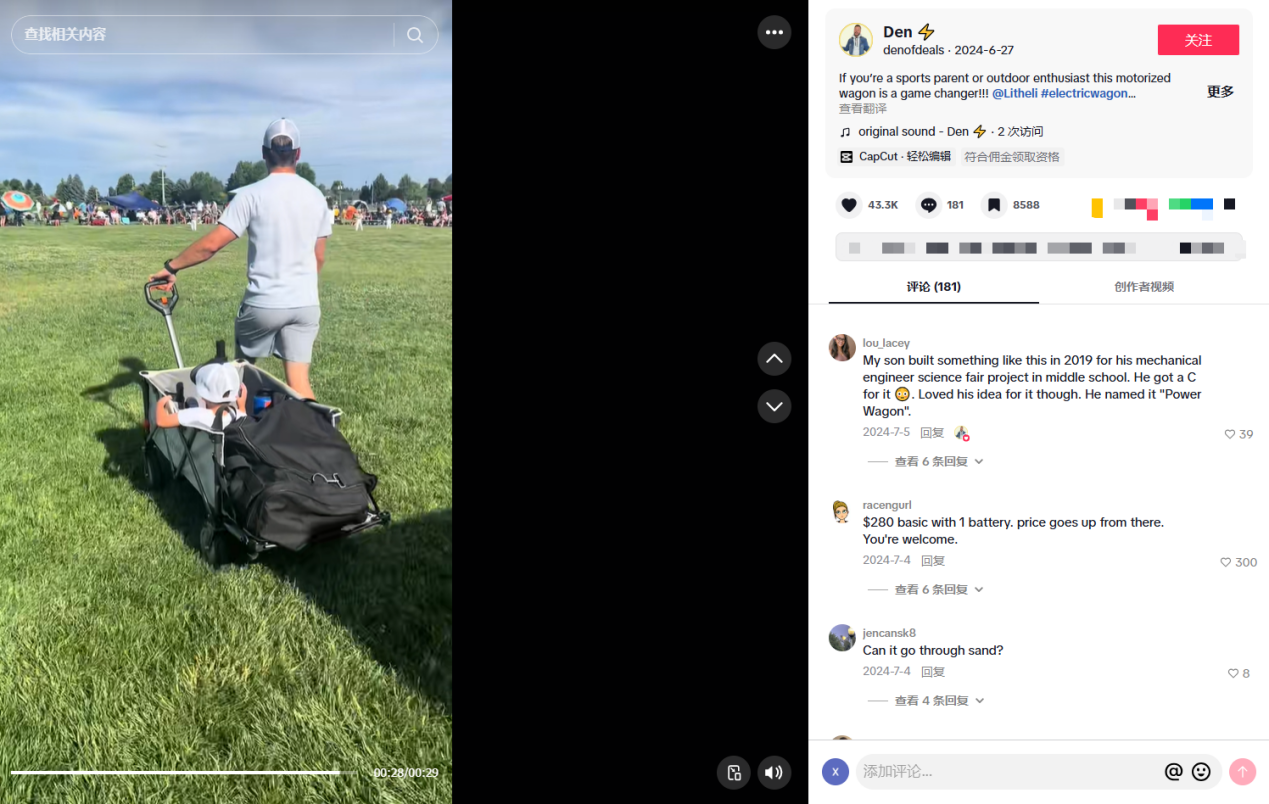
For example, the blogger @denofdeals, who has 91,400 followers, created a viral piece of content.
In the video, the influencer immersively demonstrated the scene of putting a battery into an electric camping cart and easily moving around the lawn with their child.
This seemingly simple scene direction accurately hit the booming outdoor camping trend in Europe and America. Currently, this video has surpassed 1.8 million views and received 43,300 likes, bringing a large amount of precise seeding traffic to the product.
Source: TikTok
However, single-scenario seeding can only make a single product stand out. To truly let the public understand the core advantage of the brand's all-scenario shared battery ecosystem, Litheli further collaborated with high-engagement influencers with hundreds of thousands of followers to shoot short videos featuring multiple products.
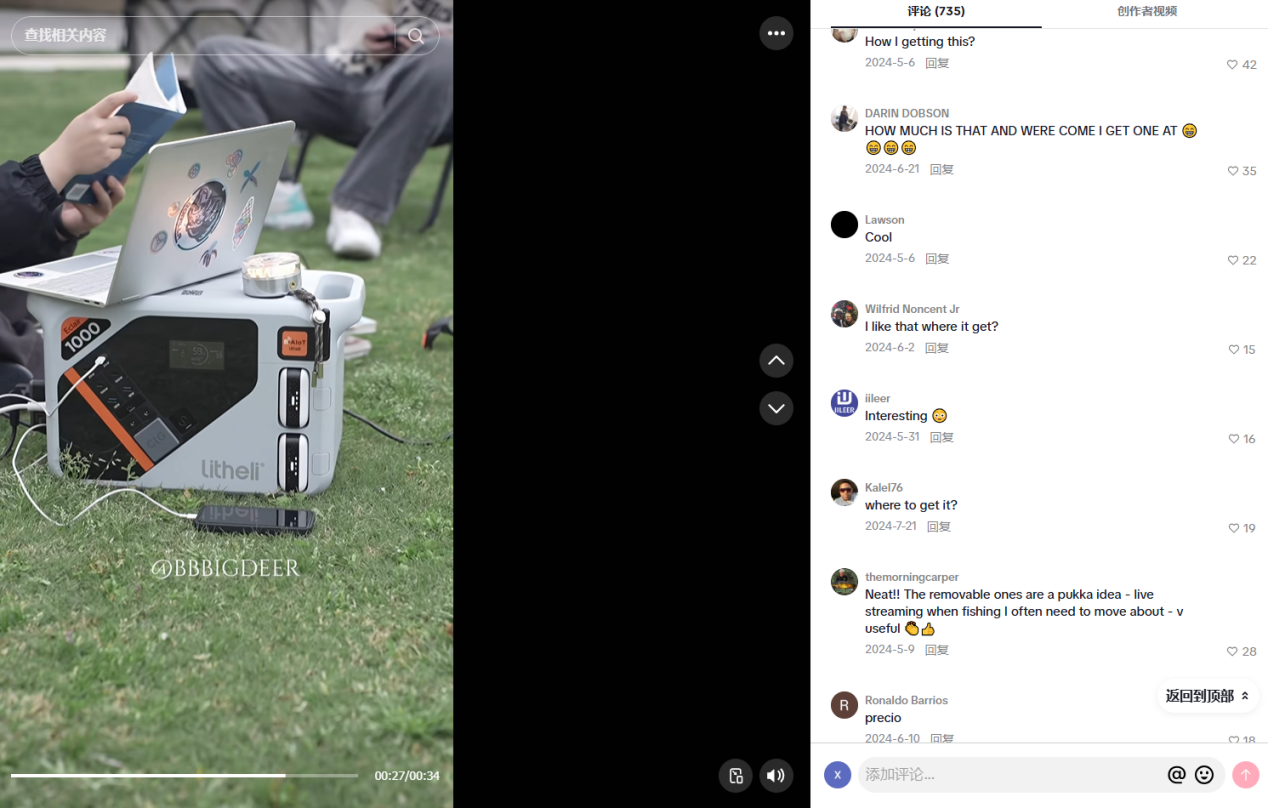
Among them, the promotional video posted by influencer @bbbigdeer was particularly impressive.
The video fully demonstrated a universal battery from Litheli powering multiple devices such as a phone, drill, and lawn mower, intuitively showcasing the ecosystem's strength of one battery for multiple uses and universal compatibility.
Since its release, the video has been viewed more than 2.6 million times and received 77,900 likes, prompting many users to inquire about price and purchase channels, generating a surge of inquiries.
This kind of authentic, down-to-earth scene display can dispel users' doubts much better than rigid advertising, so conversions naturally follow.
Source: TikTok
Final note: More than the victory of one brand
At this point, I think learning something is more important than just understanding a brand's story.
The following three points can be applied: see what your brand can gain by doing this:
First, use crowdfunding to test and iterate products according to local conditions, leveraging single hit products to drive growth across the entire ecosystem.
Second, build a full-channel layout, establish a multi-dimensional sales network, connect the global consumer chain, and let overseas consumers buy anytime and easily place orders.
Third, put your product into the life scenes of users, let the pain points speak for themselves, and let traffic conversion happen naturally.