 1291
1291If you often follow the overseas expansion track, you'll notice a very interesting phenomenon:
Most consumer brands expanding overseas always target young people aged 20 to 35 as their primary audience, operating on the default assumption that capturing the youth means capturing the main consumer force.
But in the European and American markets, there is an overlooked group of "hidden gold mines"—Middle-class groups aged 40 and above.They have spending power and leisure time, yet few brands are willing to design products specifically for them.
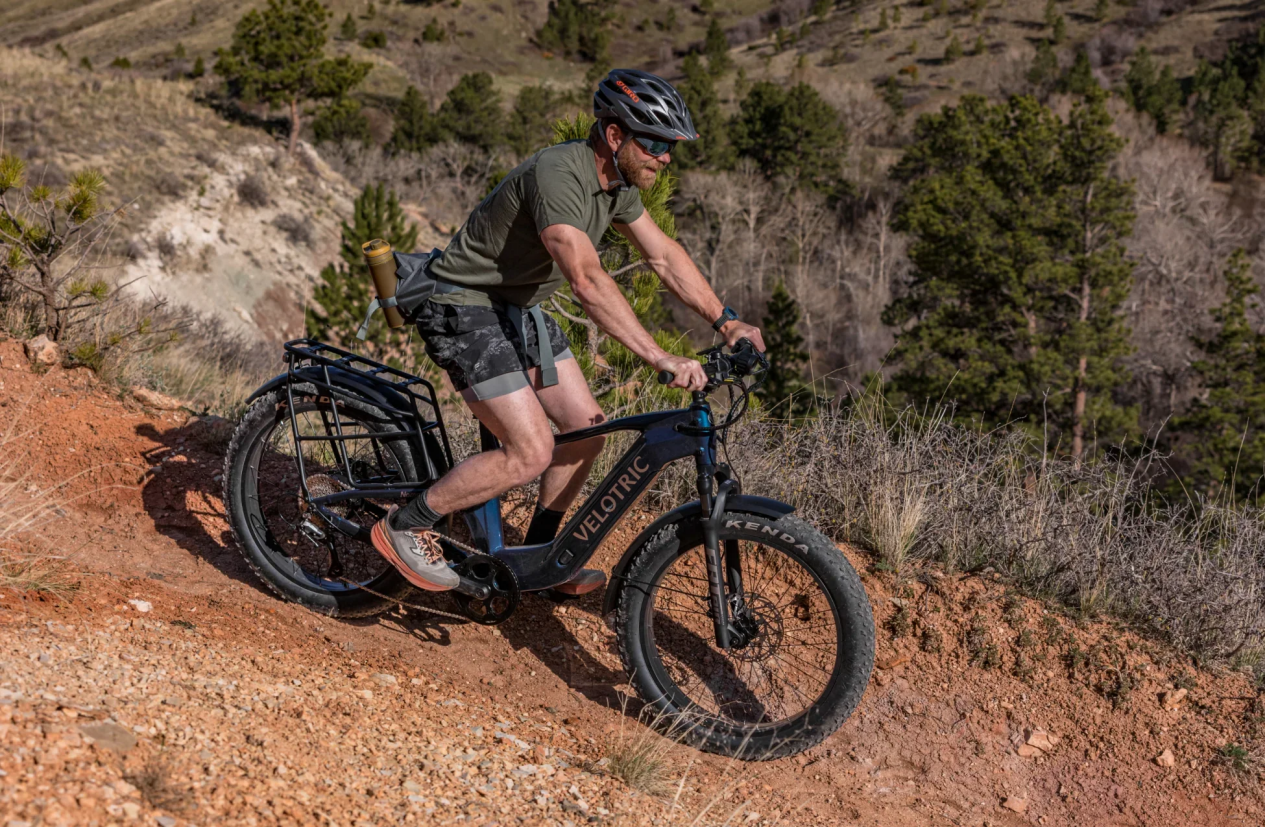
Image source: Google
Looking at the E-bike sector, this point is especially evident.
Middle-class individuals aged 40+ in Western countries mostly live in the suburbs, and their physical fitness declines year by year, making riding ordinary bicycles more burdensome. At the same time, their income levels are quite substantial, allowing them to afford electric bicycles in the $1,400–2,000 price range, and they are happy to spend on outdoor leisure and a healthy lifestyle.
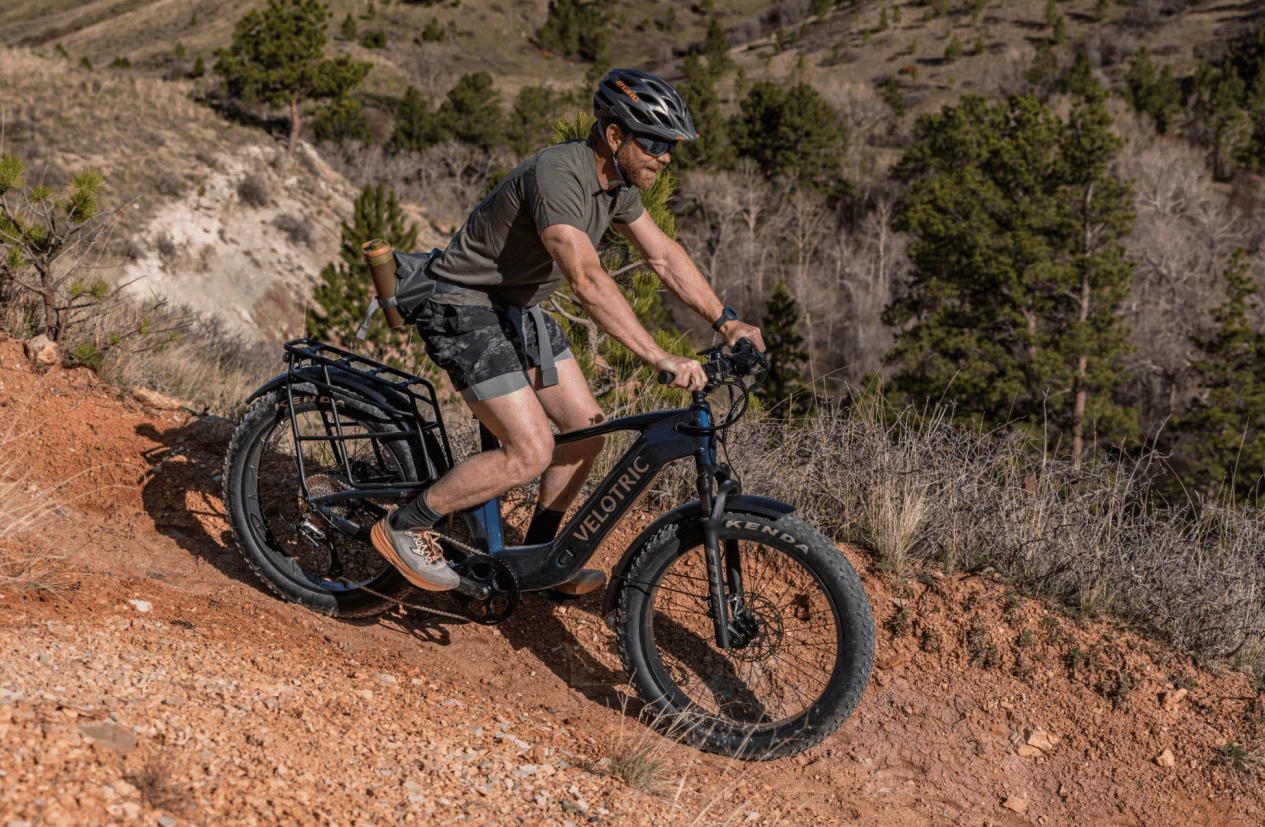
Shenzhen global brandVelotric, it is the dark horse that came to the fore by entering this blank market. By precisely anchoring the target audience as middle-aged and elderly middle-class consumers, it successfully opened up the market landscape.The product has been live for only 7 months,GMVthen broke throughalready100 million yuan.
Its growth path offers a completely new approach for all Chinese companies looking to expand overseas.

Image source: Google.
From shared mobility to consumer-gradeE-bikes target niche segments overlooked by major brands.
Velotric's brand story begins with the professional background of its founder, Mr. Zhang. He previously served as the hardware co-founder of the shared mobility giant Lime, where he led the R&D and mass production of over 1 million electric two-wheeled products.
After years of struggling and toiling in the industry, he discovered a structural contradiction:
The North American consumer e-bike market looks bustling, but most brands are taking the route of "sourcing generic kits and assembling complete bikes." The quality of the three-electric system (motor, controller, and battery BMS) varies widely, creating numerous safety hazards. In particular, the UL2849 safety certification barrier in North America is extremely high, and many brands simply can't pass the review.
Meanwhile, there is a notable lack of vehicle models on the market that combine high cost-effectiveness, stability, durability, and compliance with safety standards, leaving an obvious supply gap.
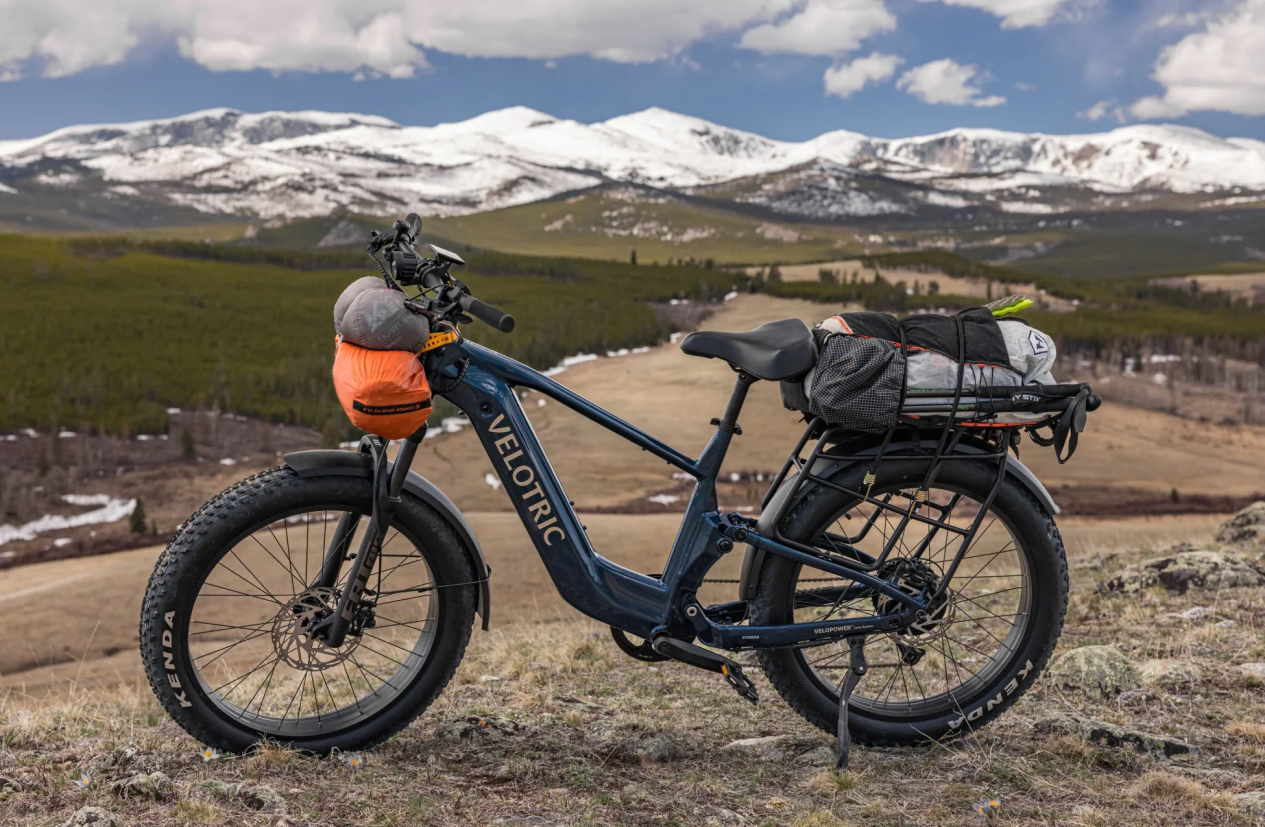
Image source: Google
After seizing this opportunity, he brought together a group of core talents, including Lime's hardware R&D director and Didi's head of industrial design, and officially founded Velotric in Shenzhen in 2021.
This time, they did not directly confront the mainstream market dominated by traditional established brands, but instead targeted middle-aged and older middle-class consumers in American suburbs, introducing the concept of No Sweat Sports (light exercise without sweating), and capturing market growth from this segment.
On the product front, Velotric took the self-developed route from the start. It self-developed the complete three-electric system including motor, electronic control, and battery BMS, refusing common-model assembly; with deep supply chain self-control, delivery cycle was compressed to about 85 days, far better than the industry standard of 150 to 180 days; and the entire product line passed the North American UL2849 safety certification, clearing compliance barriers for entering the North American market.
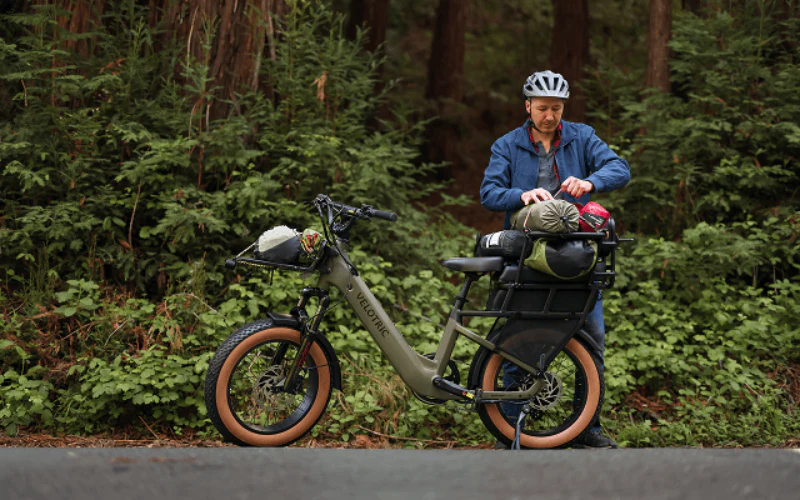
Image source: Google
GMV exceeded 100 million in 7 months, with 1200+ offline stores covering 49 states
In the early stage of going overseas, Velotric did not directly spend on ads or burn traffic, but first conducted market validation through crowdfunding.
According to official public data from velotricbike, in December 2021, the first model Discover 1 was launched on the Indiegogo crowdfunding platform, raising $500,000 in 30 days, successfully completing market research for the product.
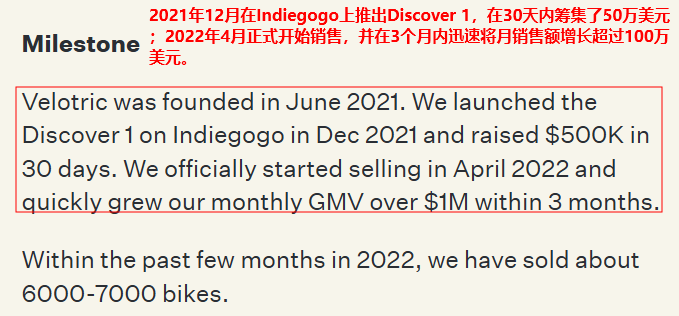
Image source: Velotric Bike
Subsequently, in April 2022, the brand officially went on sale in North America, using the independent site as its core sales channel.
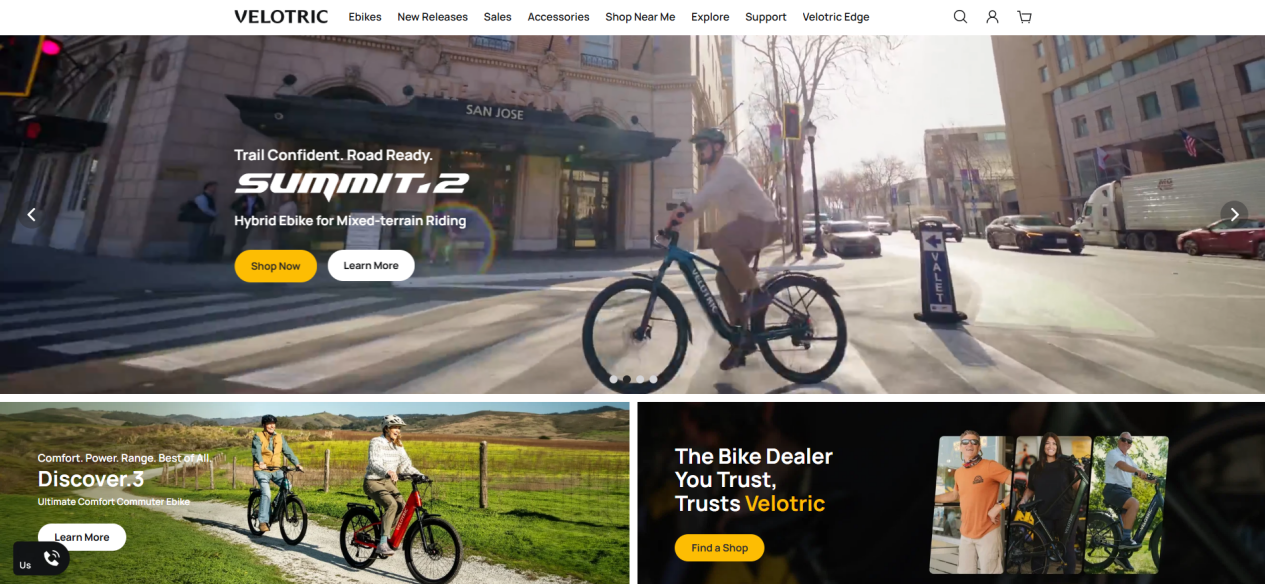
Image source: Velotric
Just 3 months after launch, monthly sales exceeded $1 million; within 7 months, the brand's cumulative total revenue reached $15 million (equivalent to over 100 million RMB), and total vehicle sales exceeded 10,000 units, making it one of the fastest-growing light sport E-bike brands in North America.
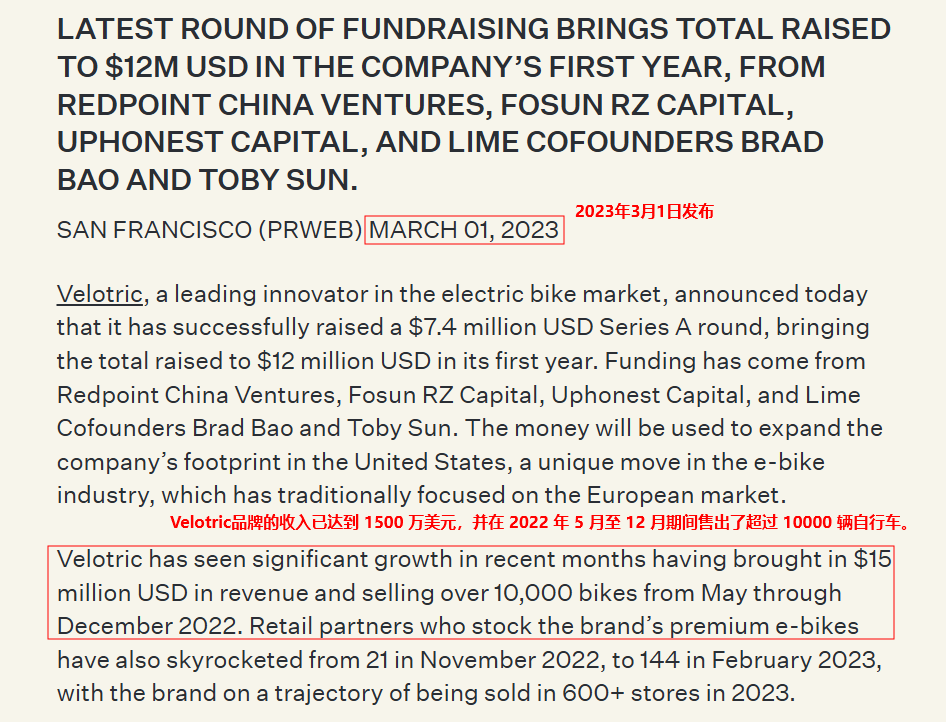
Image source: velotricbike
But Velotric quickly realized that relying solely on the independent site had obvious shortcomings in customer acquisition.
To put it plainly, electric bicycles are a category that requires strong hands-on experience. Middle-aged and older users especially will not place an order just based on a few pictures; test rides and after-sales maintenance are essential needs.
Therefore, to fill the channel gap, the brand began to focus on North America's IBD (Independent Bicycle Dealer) system, and in 2023, the scale of cooperative outlets expanded rapidly.
According to officially disclosed milestone data, as of October 2025, Velotric has over 1,200 partner stores across the United States, covering 49 states, and has grown into an influential Chinese E-bike brand going overseas in North America.
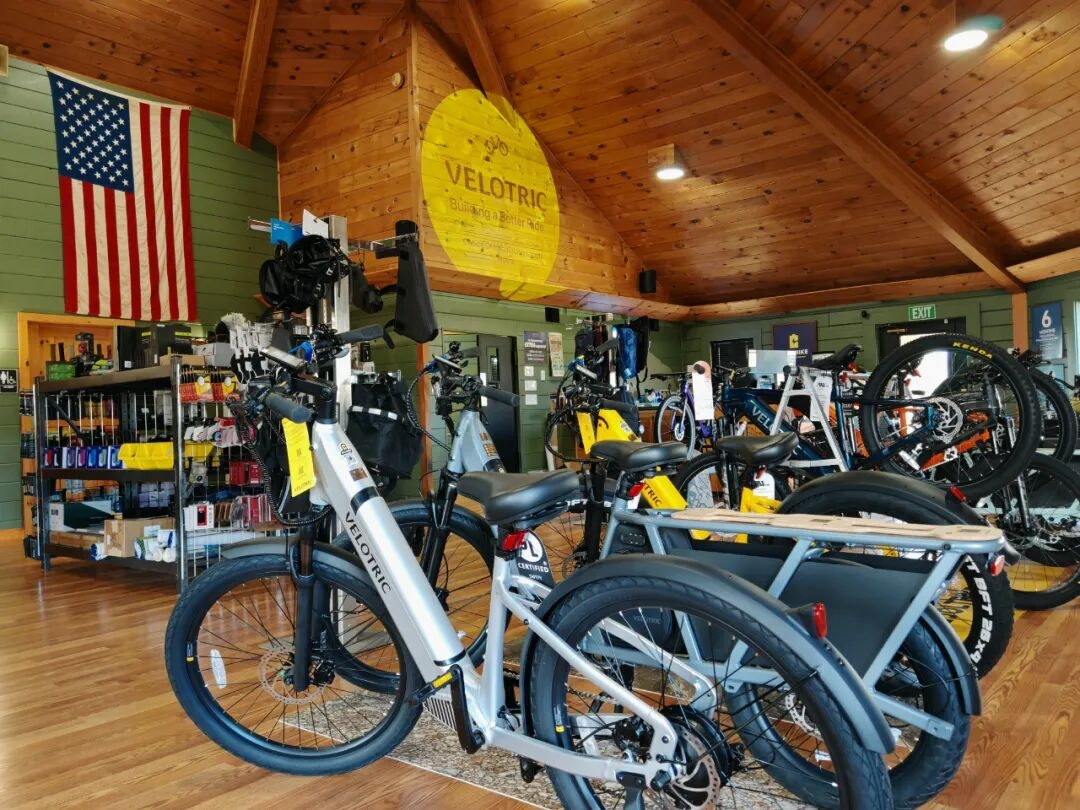
Image source: Google
Competing with content on TikTok, one ASMR video sparked inquiries in the comments
After building the online and offline channel skeleton, Velotric continued to increase social media traffic.
As the #ebike topic on TikTok continues to gain popularity, short-video product seeding has become the core way for overseas consumers to learn about electric bicycles. Velotric has firmly seized this wave of social content dividends.
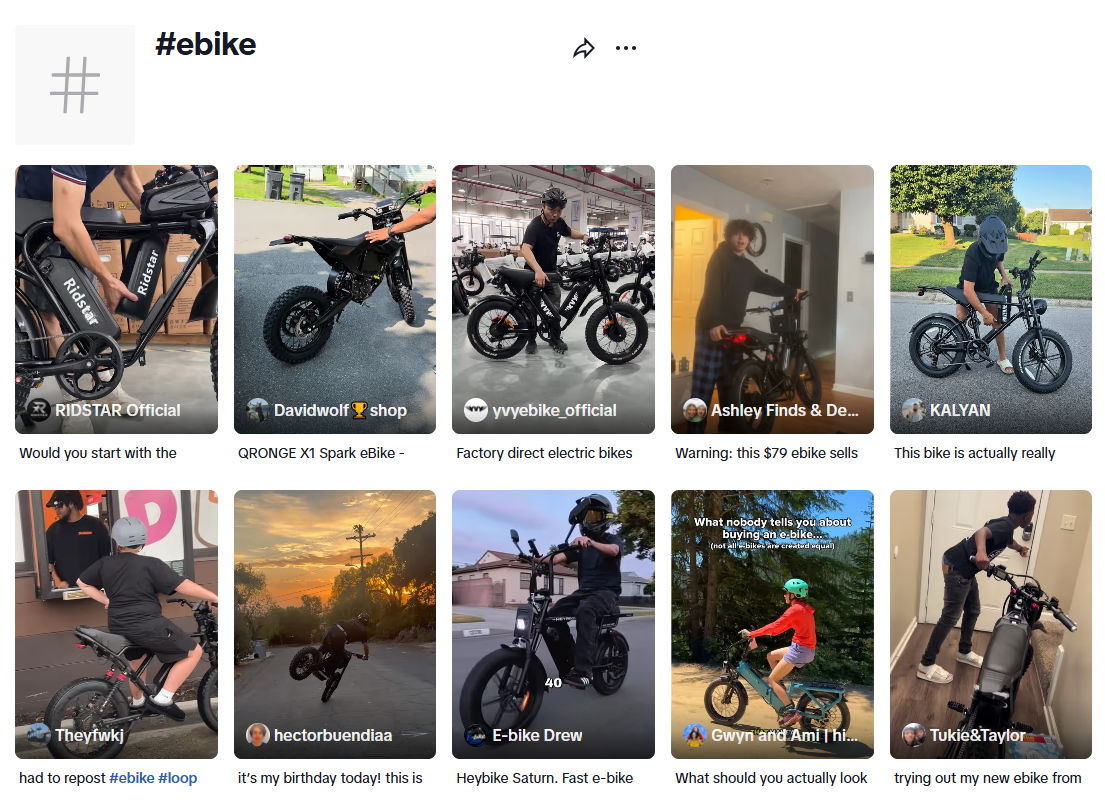
Image source: TikTok
On TikTok, Velotric has set up its own brand account @Velotric. Currently, it has only 8,529 followers and is still steadily operating.
The account content focuses on multi-scenario real-world testing, covering a wide range. It includes real riding footage in different weather conditions such as rain and snow, as well as riding demonstrations on diverse terrains like city asphalt, beaches, mountains, and snow.
By recreating riding footage in real environments, it portrays E-bikes as companions integrated into daily life, thereby dispelling potential buyers' concerns about vehicle adaptability and stability, and lowering the threshold for purchase decisions.
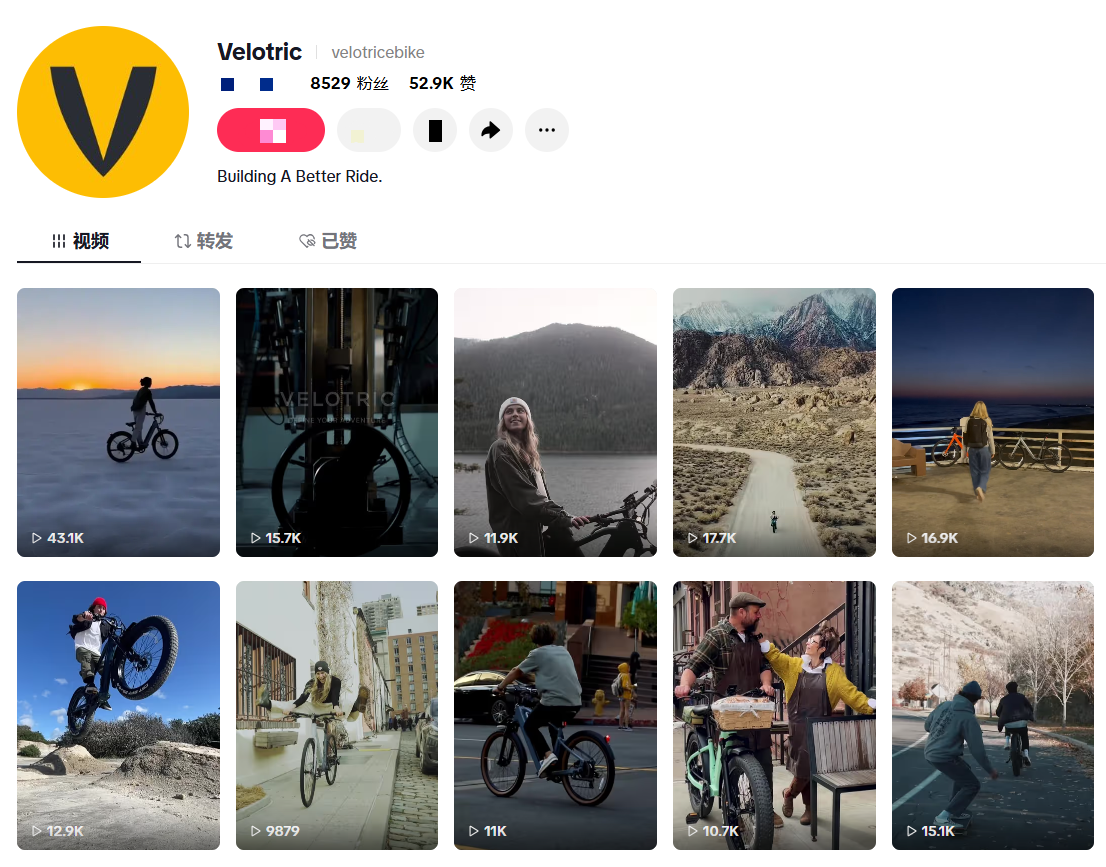
Image source: TikTok
However, the brand's own account has a relatively small fan base, and relying solely on algorithmic recommendations has limited reach to precise target audiences.
Therefore, the Velotric brand began to focus on influencer collaborations, leveraging KOL content for secondary dissemination to expand audience coverage.
The collaboration models mainly fall into two categories:
One is collaborating with tech bloggers, such as @colinwasson (278,400 followers), who publish unboxing, assembly, and review content. A single video achieved 1.4 million views, helping users build a complete understanding of the product.
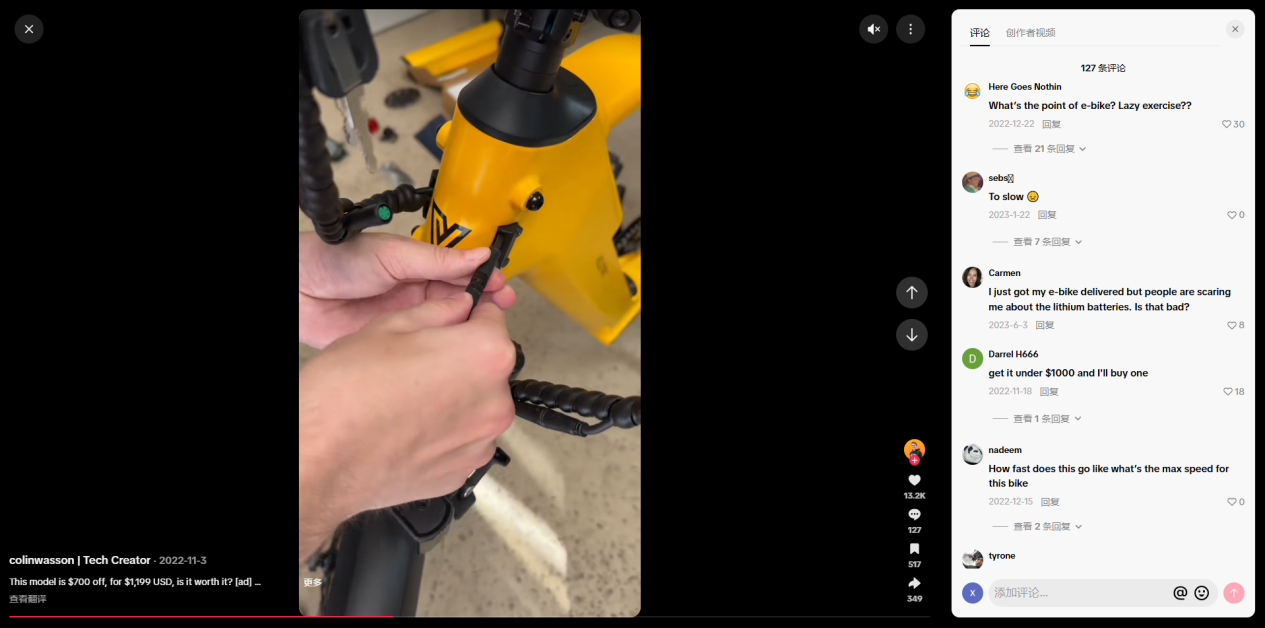
Image source: TikTok
The other is experimenting with trendy creative content, and ASMR is a typical example.
@The Bike Cave, a TikTok account dedicated to introducing electric bicycle products, once produced an ASMR promotional video for the Velotric brand.
Through immersive sound effects of component operation and assembly, it simultaneously showcases vehicle performance and part details.
Despite having only 273,200 followers, the account has a highly vertical and precise audience with strong follower loyalty. The comment section of this ASMR video was flooded with price inquiry messages, showing a very clear sales conversion effect.
This approach of capturing users' attention with novel formats is more efficient and intuitive than hard advertising.
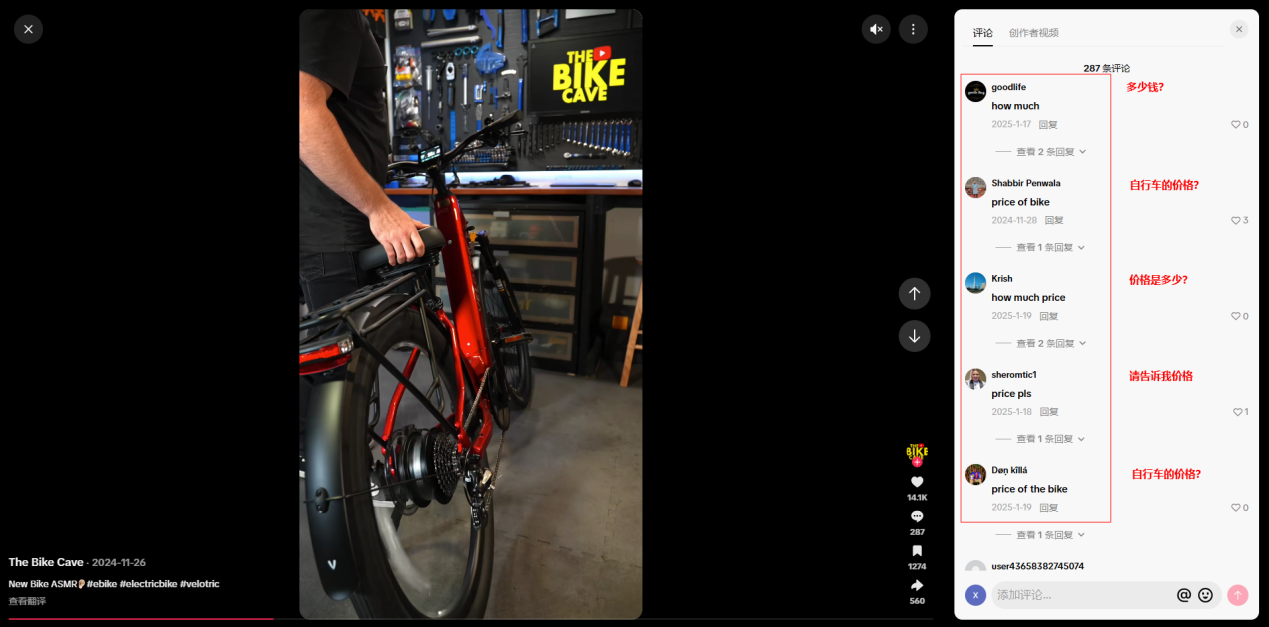
Image source: TikTok
Conclusion
Velotric's growth trajectory is not impossible to replicate. For domestic companies planning to go overseas or adjusting their strategies, this case provides at least three paths worth incorporating into their own business thinking.
Path 1:Re-examine the default options of user personas. Middle-aged and elderly people, women, specific sports enthusiasts, regional commuters... Behind these labels often lie more stable blue-ocean spaces with sufficient competition.
Path 2:Instead of treating online and offline as separate, it is better to view them as a whole—online for traffic, offline for conversion and service. The synergy between the two is far greater than single-point investment.
Path 3:The real value of short videos and influencer collaboration is not the accumulation of exposure, but translating product specifications into a sense of gain for users in real-life scenarios. No matter the form of presentation, the core lies in reducing the psychological distance for users, making them feel the product, not just see it.