
 34
34An electric shaver priced around $6 and an electric hair clipper at the $9 level seem to have already pushed prices to a very low point. But if first-leg logistics, platform commissions, influencer commissions, and local operating costs are deducted, can such products still retain a profit?
The answer ENCHEN gives is worth studying, at least judging from its sales performance on overseas platforms.

Image source: ENCHEN
Taking the ENCHEN Mini 6 as an example, the product page on TikTok Shop Thailand shows that this product has currently sold about 82,900 units cumulatively, with a rating of 4.9; at the time the public page was scraped, it already had more than 10,000 reviews.
A mini shaver with a not particularly high price has already built a considerable sales base in the Southeast Asian market. And this is not the first time ENCHEN has opened up a market with 'high value for money'.
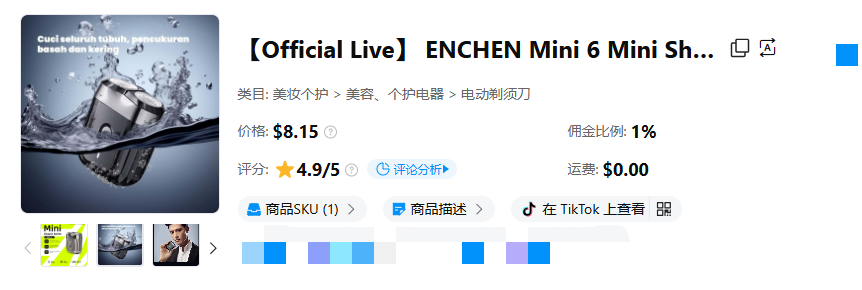
Image source: Kalodata
What ENCHEN does is not just 'cheap'
ENCHEN's Chinese name is 'Yingqu'. Official information shows that the brand was founded in March 2019 and is positioned in personal care small home appliances. Its products cover electric shavers, hair clippers, electric toothbrushes, hair dryers, and other directions. The brand has long emphasized 'good looks, high quality, and high value for money'.
It truly became known to a large number of consumers starting with a 39.9-yuan shaver.
In June 2019, ENCHEN BlackStone launched crowdfunding on Xiaomi Youpin, priced at 39.9 yuan. Overseas tech media Gizmochina also reported on this product at the time.
According to the founder's later interview, after BlackStone launched on Xiaomi crowdfunding, it sold more than 280,000 units in 14 days, with sales exceeding 10 million yuan.

Image source: FreshNew
After that, ENCHEN did not stop at the single shaver product, but gradually expanded into categories such as hair clippers, nose hair trimmers, hair dryers, electric toothbrushes, and beauty and hairdressing.
The brand logic also shifted from 'selling a cheap shaver' to 'building a high-value-for-money personal care small appliance brand'. At present, the product structure on ENCHEN's Chinese official website already covers shaving and grooming, oral cleaning, beauty and hairdressing, and other directions.
In overseas markets, ENCHEN's layout is also accelerating. According to reports, Yingqu's market share in Russia exceeds 40%, and in Southeast Asia it has become a category leader on TikTok Indonesia, Vietnam, and Malaysia.
Since 2024, the brand has begun increasing investment in the Southeast Asian market, and in 2025 it participated in TikTok's first Tech Fest event held in Thailand.
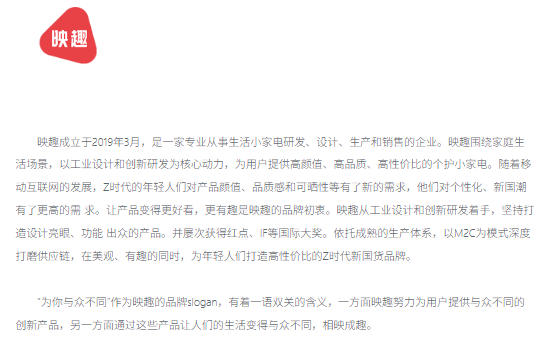
Image source: Yingqu
Personal care small appliances are entering a larger market
ENCHEN's ability to expand into overseas markets is also related to the market foundation of personal care appliances themselves.
Global Market Insights data shows that the global electric shaver market size was approximately $12.4 billion in 2024, and is expected to exceed $19.5 billion by 2034, with a compound annual growth rate of about 4.7% from 2025 to 2034.
The report lists increased personal care awareness, product technological innovation, growth in disposable income, and urbanization as important driving factors.
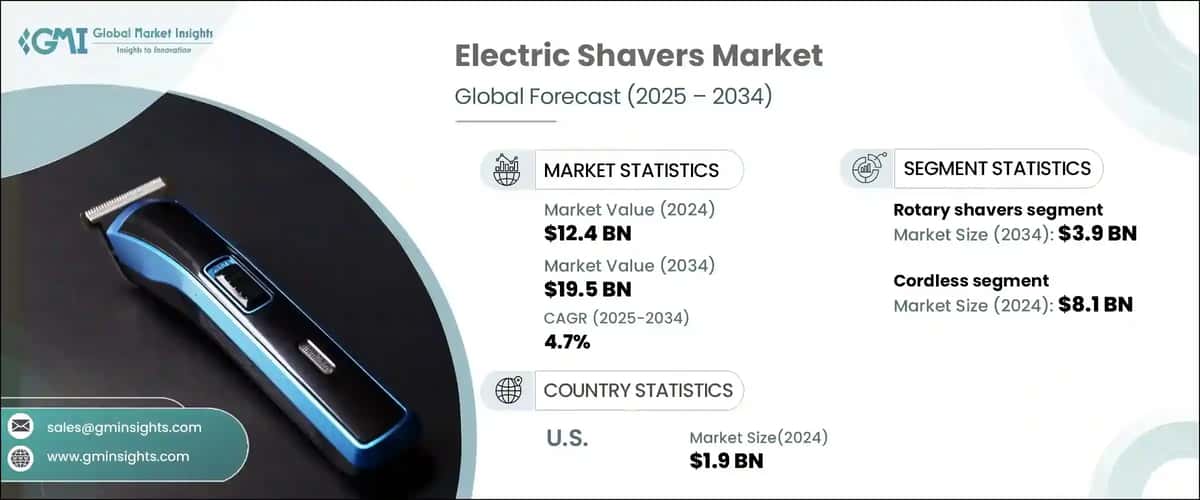
Image source: Global Market Insights
The U.S. market is also not small. Grand View Research data shows that the U.S. electric shaver market was about $3.07 billion in 2024 and is expected to reach $4.94 billion by 2033, with a compound annual growth rate of about 5.5% from 2025 to 2033; the report also mentions that portable, wireless products suitable for travel and home scenarios are driving market demand.
The bigger change is that consumers' demand for such products is no longer just about 'shaving the beard clean'.
Functions such as portability, waterproofing, USB charging, wet and dry use, and a small size are extending electric shavers from a single bathroom item to scenarios such as travel, commuting, fitness, business trips, and gifts.
This is also why ENCHEN's Mini series is relatively well suited to overseas short-video channels.
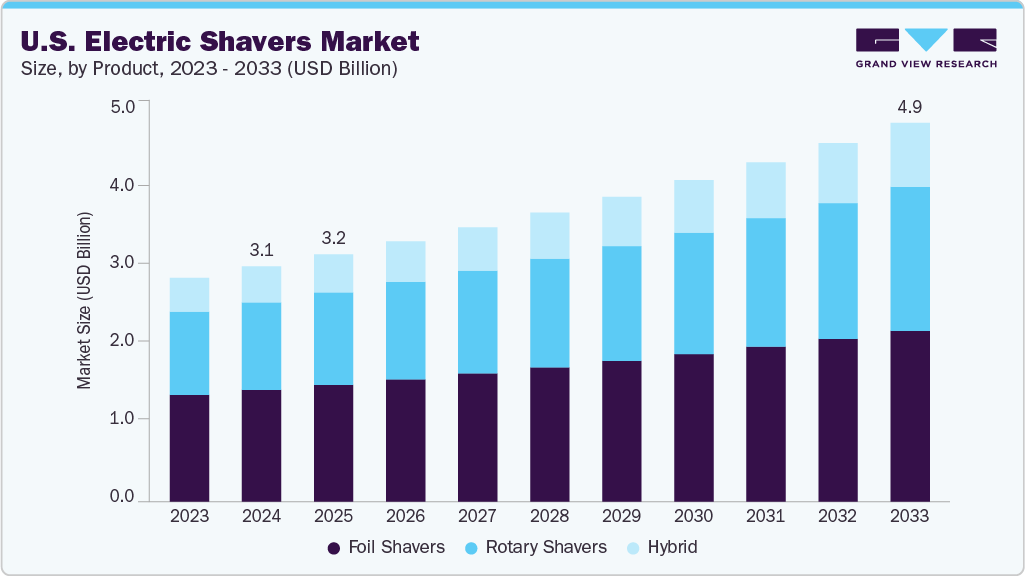
Image source: Grand View Research
On TikTok, turning Creators into sales channels
Products such as shavers and hair clippers do not require complex consumer education; as long as a video shows the difference before and after use, consumers can quickly understand the product value.
Therefore, compared with products that require a lot of text explanation, it is easier to turn it into short-video content such as 'tests', 'comparisons', 'experiences', and 'travel gear'.
This also fits relatively well with TikTok Shop's current Affiliate mechanism.
Image source: kalodata
TikTok officially divides Affiliate into two models, Open Collaboration and Target Collaboration: the former can open products to more creators for promotion, suitable for testing products and expanding creator coverage; the latter allows merchants to proactively invite specific creators, and is more suitable for cooperation around key products.
For a product like ENCHEN that has a low unit price, is standardized, and has effects that are easy to demonstrate, what is truly valuable is not simply pursuing 'big influencers', but giving the product enough content angles that can be reinterpreted by different creators.
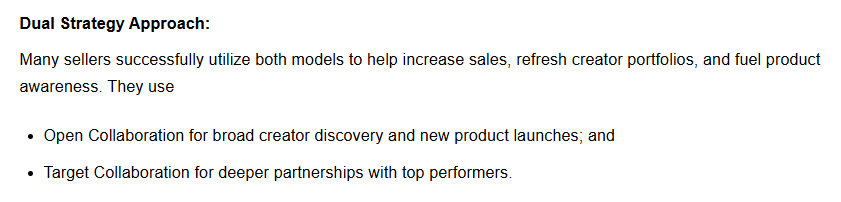
Image source: TikTok Shop
Taking ENCHEN MS003 as an example, a related video posted by creator @ismetdj.19 reached 18.6 million views. This content did not focus on introducing product data, but was closer to a lifestyle-oriented product experience.
From taking out the product and showing the body to using it directly on the face, and then putting the product into a carry bag, the whole process is more like showing 'how a small daily care tool fits into life'.
For viewers, the product's portability and convenience are not explained through a string of specifications, but are directly seen during actual use
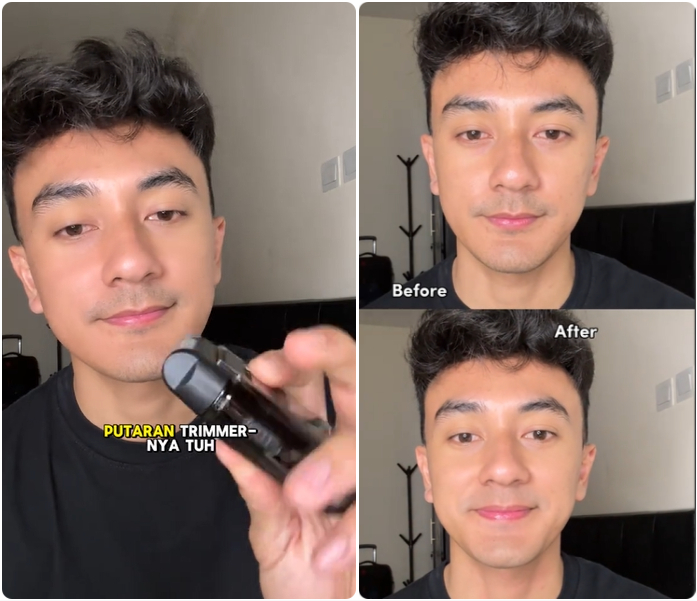
Image source: TikTok
Another creator, @skecoo, handled the same MS003 in a clearly different way, and the video reached 38 million views.
This video focuses more on the product itself, showing the blade structure up close, the actual shaving effect, and then accessories such as the charging cable and cleaning brush, placing the content focus on 'whether the product can actually shave cleanly, how to use it, and what configurations it has'.
Compared with the previous video, it is more like product testing + feature demonstration content.
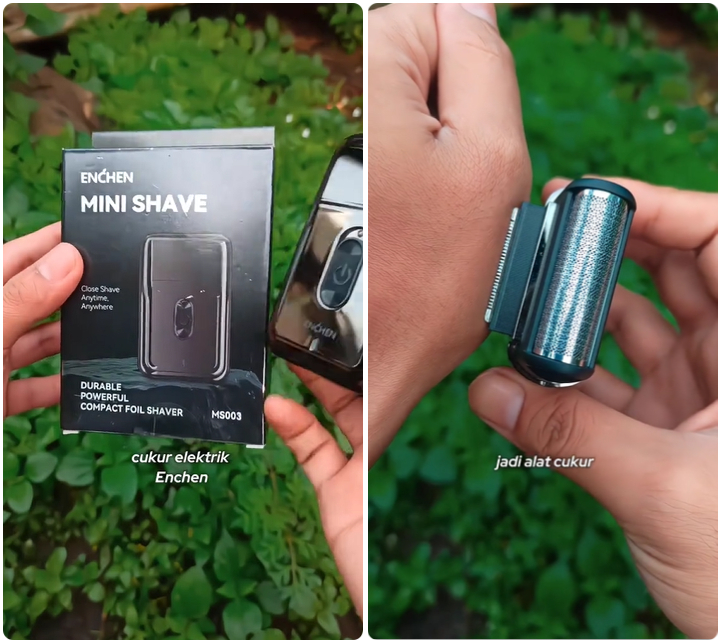
Image source: TikTok
The two videos sell the same product, but their entry points are different: @ismetdj.19 leans more toward 'life scenarios', while @skecoo leans more toward 'product testing'.
From this perspective, influencer marketing on TikTok is not simply having more people repeatedly introduce the same product, but letting the same product enter different content scenarios and, through different creators' ways of expression, cover different consumer needs.
From the nearly 30-day data of ENCHEN's Indonesia site, this content distribution did bring relatively obvious sales contribution: during the periodtotal transaction value was about USD 548,700, of which affiliate creators contributed USD 429,800, accounting for 78.32%, significantly higher than the brand's own account at USD 113,500. In the same period, there were also 4662 newly posted videos by affiliate creators.
This shows that for products like ENCHEN, creator content is no longer just auxiliary exposure, but an important part of actual sales.
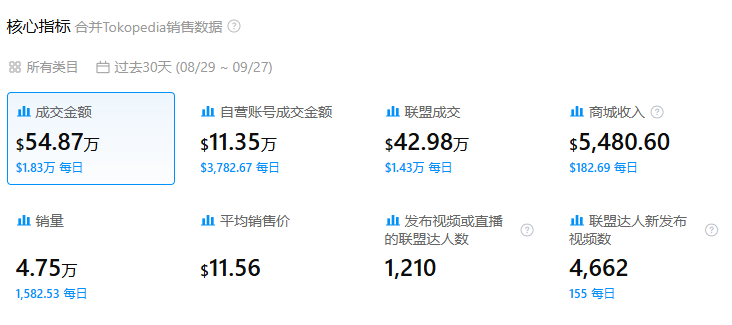
Image source: Kalodata
Low prices are not the end point; overseas markets are the bigger variable.
The ENCHEN case actually reflects a change that is taking place.
In the past, Chinese small home appliance brands going overseas often relied more on Amazon, independent sites, and local distributors; today, TikTok is providing another path: brands can first gain attention through content, then complete transactions through TikTok Shop, while continuing to expand into traditional e-commerce and offline channels.
For domestic companies, the greatest significance of this change is not that there is one more sales platform, but that it lowers the first threshold for brands entering unfamiliar markets.
Overseas markets have never been about simply repackaging domestic goods and selling them abroad.
But for a growing number of domestic companies with supply chain, product, and manufacturing capabilities, as long as they are willing to start from local consumer needs and rethink the relationship between content, channels, and brands, there is still plenty of room worth trying when going overseas.