 1189
Cross-border e-commerce sellers targeting the Indonesian market should take note: TikTok Shop has added a new after-sales rule:
Starting October 15, 2026, TikTok Shop Indonesia will include more home appliance categories in the "change of mind" return channel for personal reasons.
Image source: Google
Home appliance returns now have a dedicated channel, and buyers no longer need to find an excuse
In the past, if buyers found the size unsuitable after purchase, already had one at home, or simply changed their minds, they often had to choose other return reasons.
This practice was not smooth for buyers, and was more opaque for sellers. Even when it was not a product quality issue, it could be classified under metrics related to seller responsibility, affecting performance.
After the new rule takes effect, small household appliances and kitchen appliances will be key categories covered. Small appliances such as air purifiers, fans, vacuum cleaners, and robot vacuums, kitchen appliances such as bread makers, coffee machines, microwave ovens, and rice cookers, as well as related accessories, will gradually open the return channel for personal reasons.
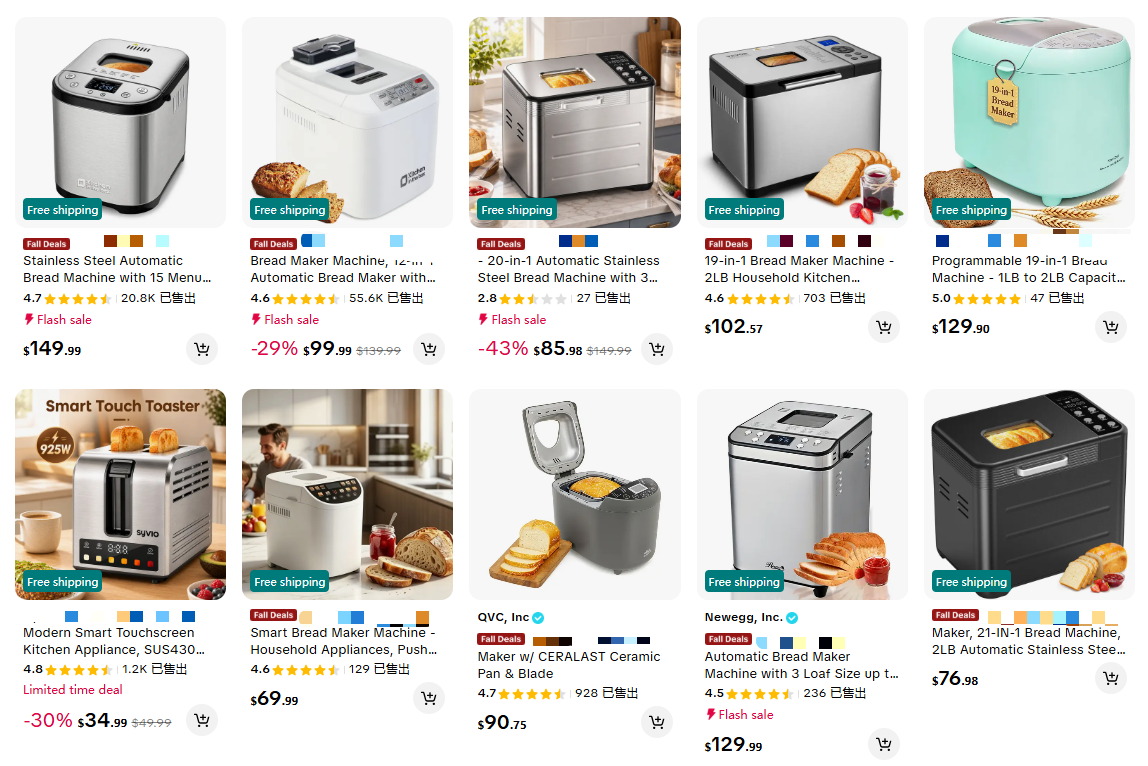
Image source: TikTok Shop
As long as buyers meet the return conditions, they can directly apply for a return under "change of mind." The platform also made it clear that shipping costs for such returns will be borne by the platform.
For sellers, the most direct change is that the probability of performance metrics being inadvertently affected will decrease, and the attribution of after-sales disputes will become clearer.
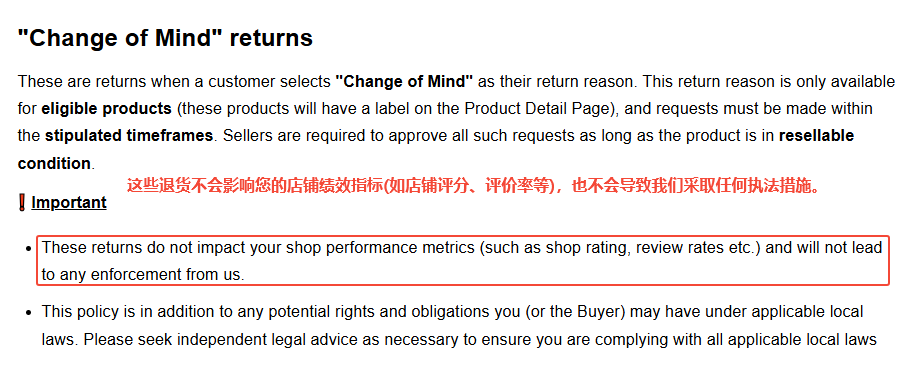
Image source: seller-my.tiktok
In the short term, it is a relaxation; in the long term, it is a test
But this does not mean sellers can completely relax. After the personal-reason return channel opens, buyers' psychological threshold for returns will be lower.
People who previously found returns troublesome or could not find a suitable reason may now be more willing to place an order and try it, then return it if it is unsuitable. For categories such as home appliances with relatively high unit prices and non-low logistics costs, return volume itself may rise.
Although the platform bears the shipping costs, the inventory turnover, resale, packaging loss, and customer service communication costs brought by returns will still fall on sellers. If returns are not handled in a timely manner, they may also affect buyer experience and store ratings.
Therefore, in the short term it is a relaxation, but in the long term it is a test of sellers' operational capabilities. Sellers cannot focus only on the point that these returns are not counted in performance; they must incorporate return rate, return reasons, and the efficiency of handling returned goods after return into daily management.
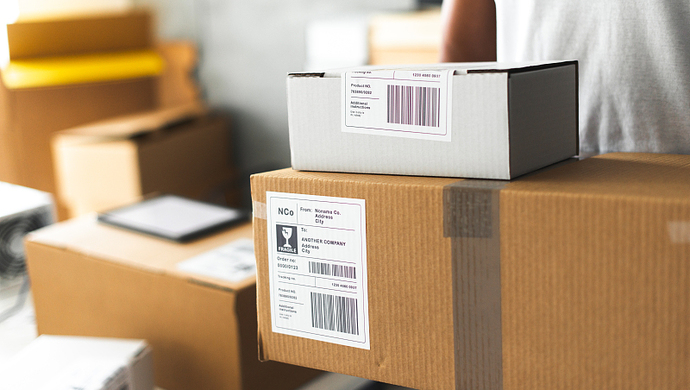
Image source: Google
Turn after-sales from a cost item into an experience item
In the face of this new rule, sellers should adjust their business actions in a timely manner.
First, the information on product pages should be more solid.
For home appliance products, details such as size, power, applicable scenarios, installation conditions, noise level, and consumable replacement cycle are prone to triggering "change of mind"; the earlier they are clearly stated, the more returns after impulse purchases can be reduced.
Second, customer service and after-sales processes should be rehearsed in advance.
After the personal-reason return channel opens, the frequency of buyers asking about returns may increase. Sellers need to prepare standard scripts and clarify return conditions, return address, acceptance standards, and processing timelines.
Third, product selection and inventory strategies can be more refined.
For categories that are prone to returns due to personal preferences, such as appearance-driven small appliances, inventory depth per batch can be appropriately controlled to avoid return backlogs.
For kitchen appliances with rigid demand and clear functions, sellers can continue to go deeper and refine their offerings. Sellers can also analyze reviews and return reasons to optimize product descriptions and product selection direction in reverse, turning every return into an opportunity for improvement.
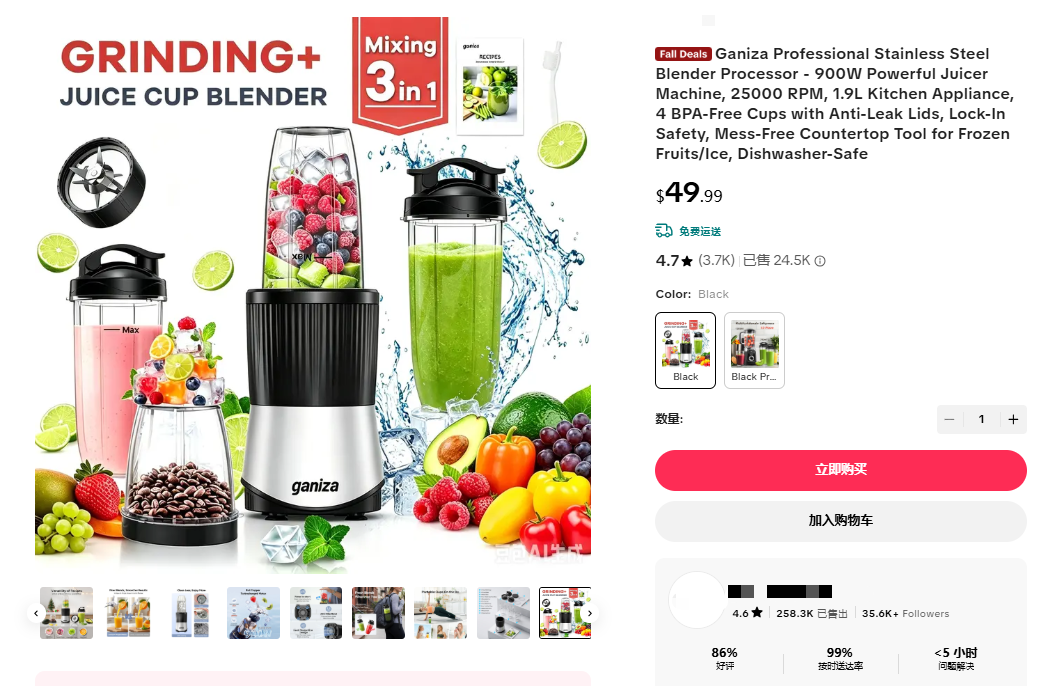
Image source: TikTok Shop
Conclusion
The new rules for TikTok Shop Indonesia appear to be an adjustment of after-sales rules, but in essence they are a recalibration of the tripartite relationship among the platform, buyers, and sellers.
Buyers gain a lower threshold for trial and error, sellers are relieved of some pressure from responsibility metrics, and the platform uses shipping fees and rules to exchange for growth space in the home appliance category.
In the future, as more home appliance categories are gradually covered, competition in Indonesia's home appliance e-commerce is likely to shift from price and traffic to a contest of experience and efficiency. Whoever adapts first will seize the initiative.