 1258
Recently, TikTok Shop Southeast Asia cross-border and local stores are updating the Return and Refund Policy, and the most closely watched item is the clarification of a mandatory time limit for after-sales appeal windows.
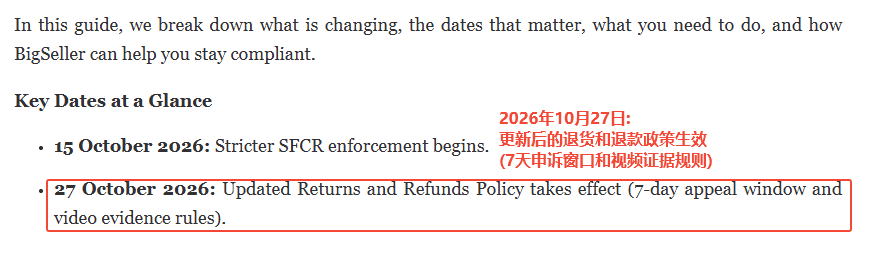
Starting from October 27, 2026, for first-round refund applications already approved by the platform, sellers have a 7-calendar-day appeal period; after the deadline, they can no longer appeal against decisions they do not accept.
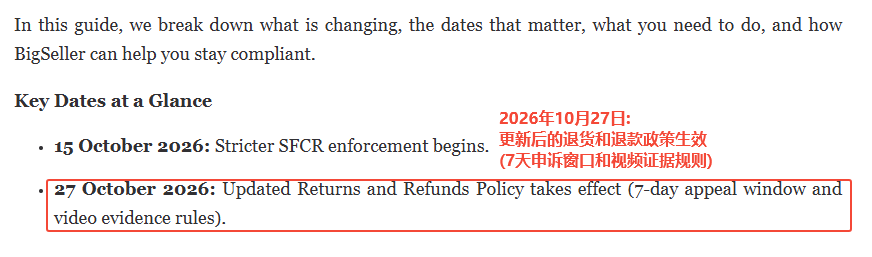
Image source: bigseller
At the same time, evidence standards for packing and unboxing videos have also been tightened. These moves may seem like minor process adjustments, but they will have a significant impact on sellers' operational rhythm, evidence management, and even the direction of the platform ecosystem.
Appeals shift from an option to a race against time
In the past, many sellers treated after-sales appeals as something to handle when they had time, and some even assumed they could slowly supplement materials. But after the new rules take effect, that room for delay is completely squeezed out.
A 7-calendar-day window means that from the moment the platform approves a first-round refund application, sellers must quickly complete the entire process of verification, evidence collection, and appeal submission. Once the deadline passes, even with ironclad evidence, they can only accept the decision. For sellers with large order volumes and limited after-sales staff, this is undoubtedly a hard test of response speed and organizational efficiency.
Even more worrying is that the platform has made clear it will conduct automatic reviews for some refund and return applications, meaning some decisions may take effect before sellers have time to react; the 7-day window effectively becomes the seller's last chance to 'turn things around'.
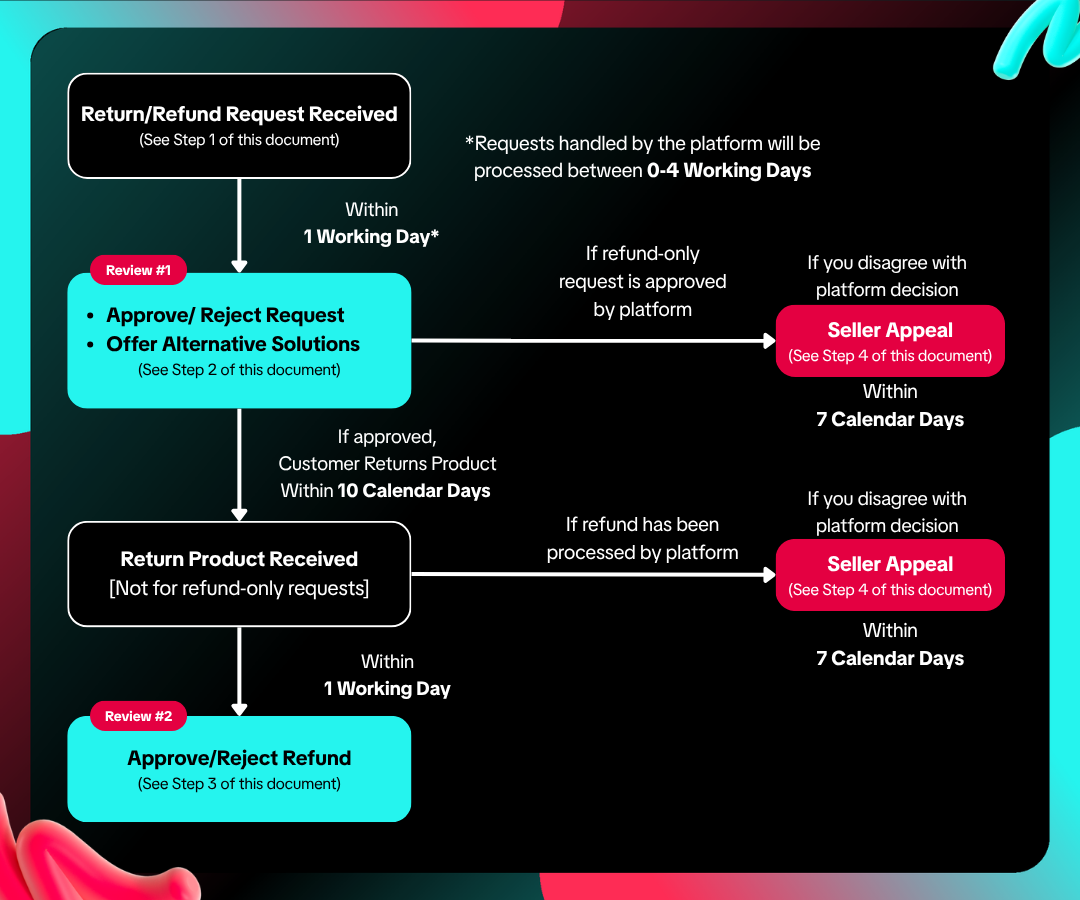
Image source: bigseller
Packing and unboxing are no longer optional to film
Updated in sync with the appeal time limit is the refinement of evidence standards.
The new rules make clear that when appealing on grounds such as the returned product not being the original shipped product, the product or its parts being incomplete, the product having been used and no longer suitable for resale, the product suffering physical damage, or disagreement with the return reason filled in by the buyer, an unboxing video becomes mandatory; if the return reason filled in by the buyer matches the seller's appeal point, a packing video becomes mandatory.
Videos must be continuous, clear, and unedited, fully showing the product condition before packing, the packing process, and the shipping label affixed to the sealed package.
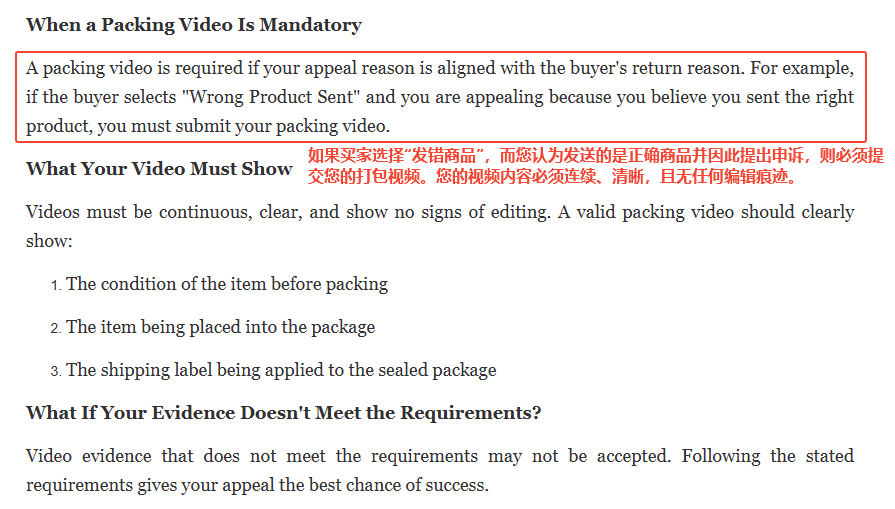
Image source: bigseller
This means sellers must develop the habit of 'no video, no shipping' in daily fulfillment; otherwise, once an appeal begins, missing key videos means losing the right to speak.
For sellers who still rely on manual, casual packing and lack a standardized video recording process, compliance costs will rise significantly.
Move evidence management upstream and build response mechanisms
Facing the new rules, the most pragmatic strategy for sellers is to put effort in beforehand.
On the one hand, the shipping process should establish a standardized packing video process, ensuring every order has continuous, clear, and traceable video records, especially the sealed state after the shipping label is affixed must be fully captured on camera;
On the other hand, after-sales teams need to set up a dedicated appeal tracking mechanism, maintain high-frequency monitoring of refund applications automatically approved by the platform, and ensure responses are completed within the 7-day window.
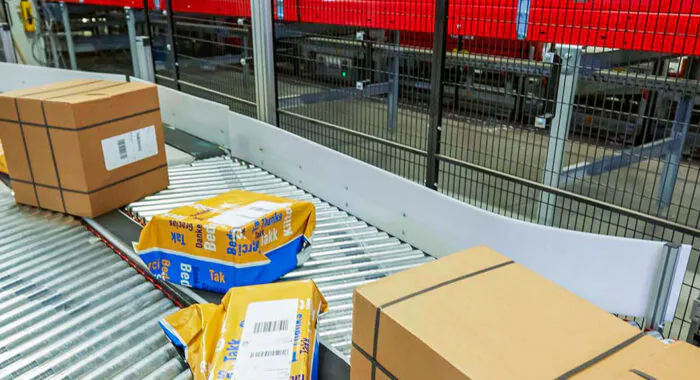
Image source: Google
In addition, sellers should regularly review appeal cases, sort out which return reasons most easily trigger video evidence requirements, and make targeted preparations in advance. Ultimately, the new rules test not whether sellers know how to appeal, but whether they are capable of speaking with compliant evidence within a limited time.
Conclusion
The 7-day appeal window and the new video evidence rules may seem like technical adjustments to the after-sales process, but they actually reflect TikTok Shop Southeast Asia's pursuit of refined governance amid large-scale development.
For sellers, this is an opportunity to shift from reactive response to proactive management. Whoever builds the evidence chain and response mechanism first will incur fewer costly lessons and retain more profit under the new rules.