 130
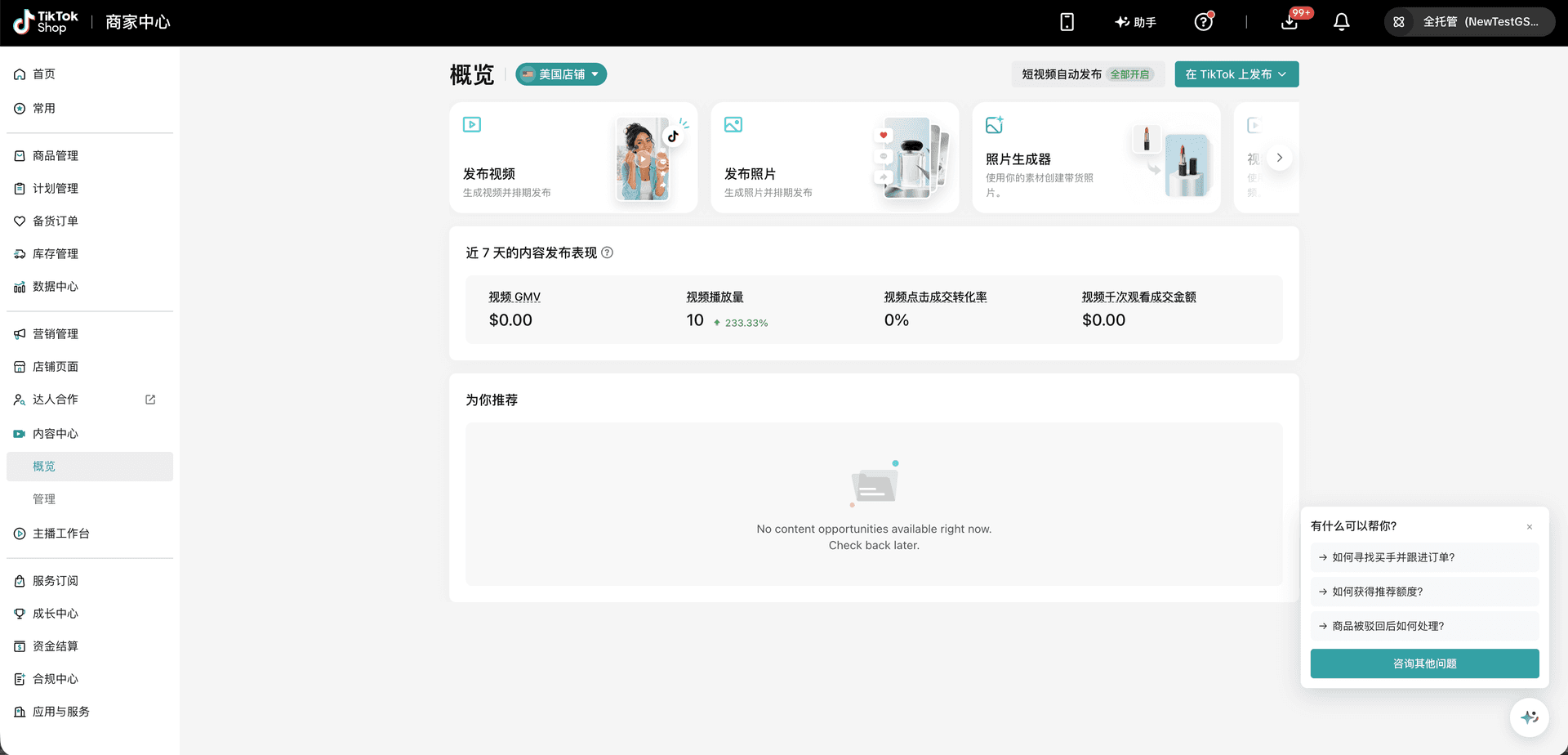
On October 29, TikTok Shop Fully Managed upgraded the content center in the merchant backend,two entry points—'Publish Photos' and 'Photo Generator'—opened to eligible merchants. In the content field, there used to be only video as a path; now images can also attach products.
This is not just an extra publish button. For Fully Managed merchants, the content capability gap can, for the first time, be closed with assets rather than a shooting team.
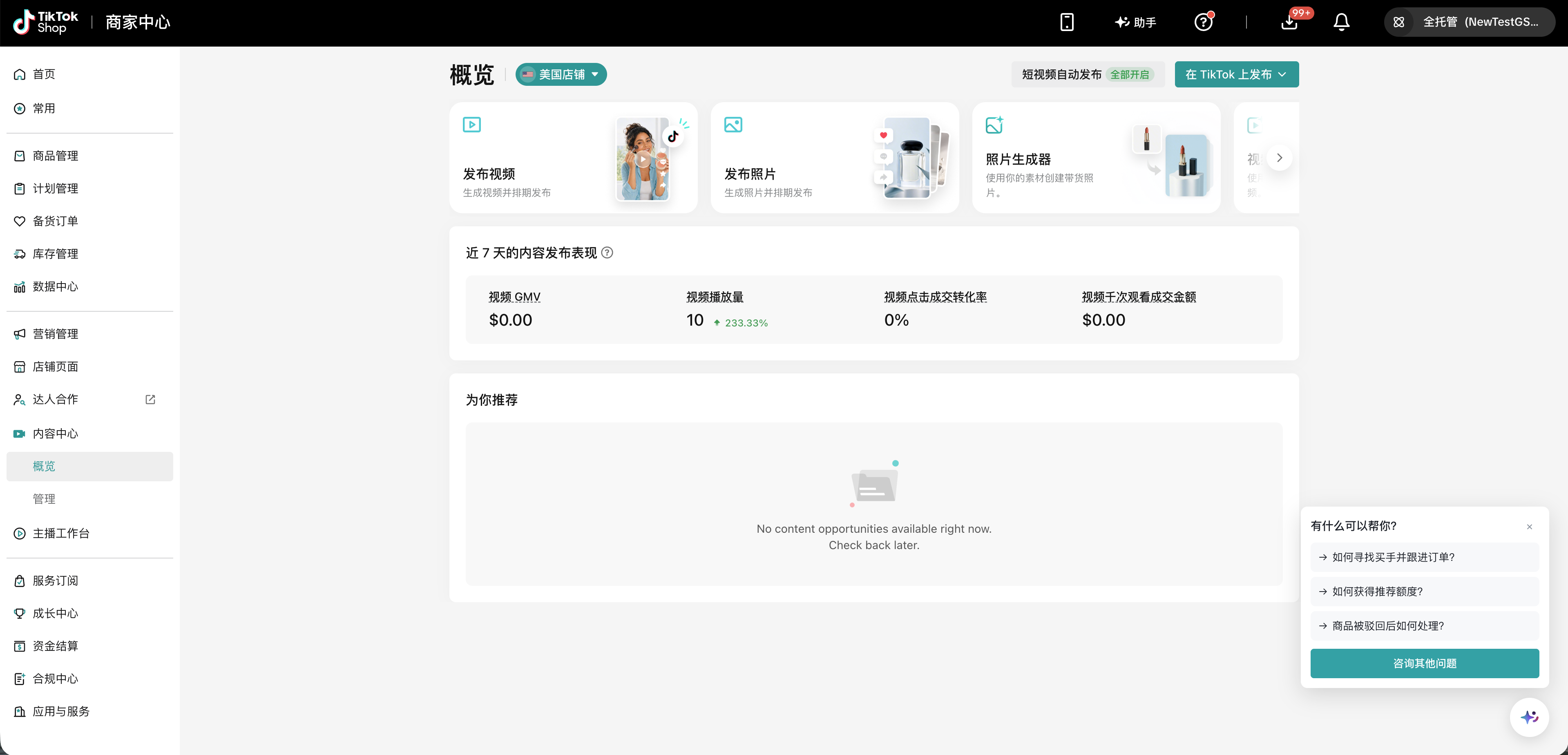
Image source: TikTok Shop Fully Managed Merchant Center
Entry point rewrite: from shooting videos to uploading images
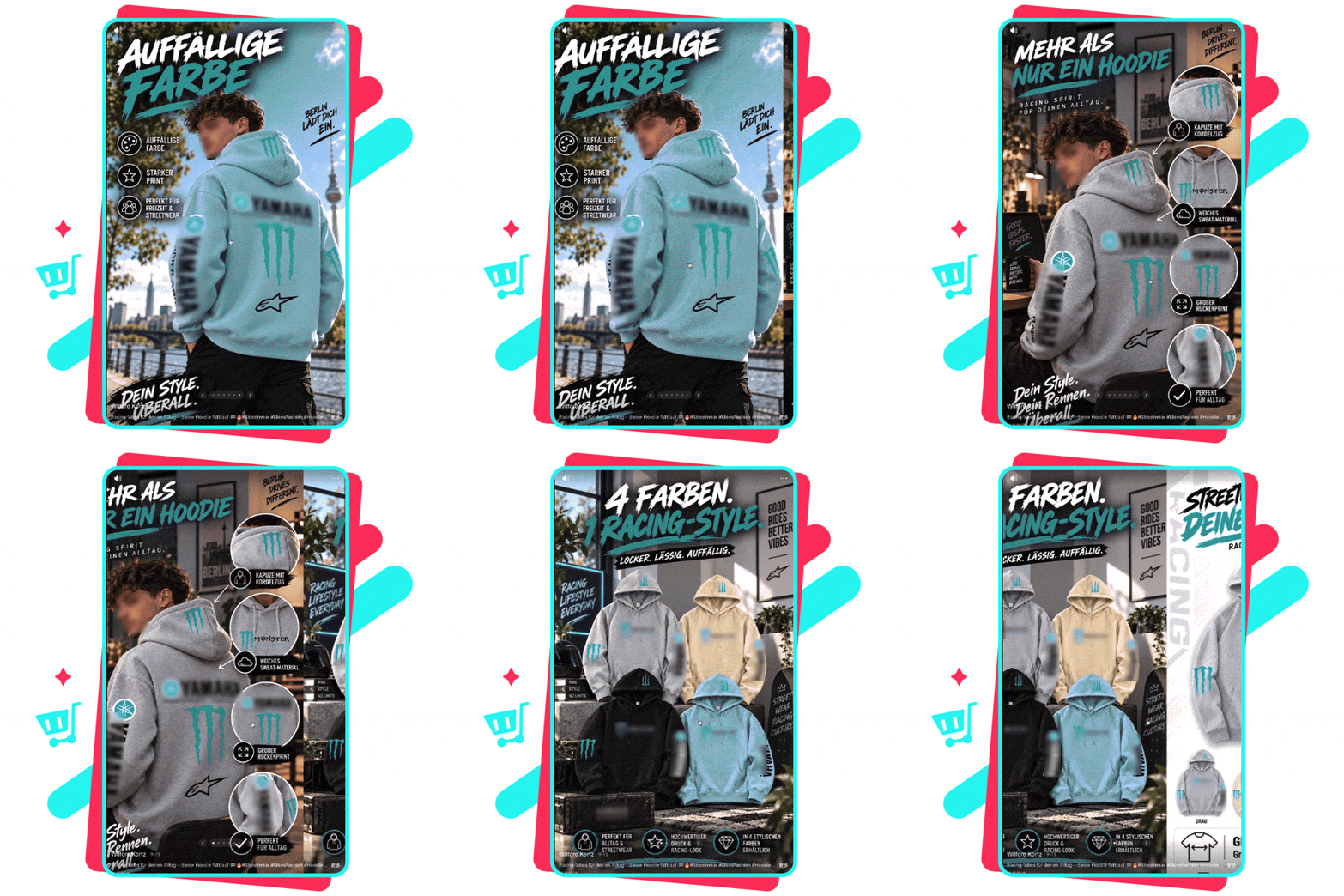
Short videos require a script, shooting, and editing. For one SKU, from having an idea to being able to publish it, if things go smoothly it takes three to five days; if not, it drags on for two weeks. Image-text posts do not need these; the images on the detail page are ready-made, and with platform-generated scenes and explanations, they can be published the same day.
The changes in the backend also confirm this. The upgraded content center is divided into two parts: the Overview page is more operational—publishing videos, publishing photos, enabling auto-publish, adjusting the AI generators for photos and videos, and viewing GMV and views for the past 7 days are all at this level; the Management page is more for review—published content, assets, AI generation projects, and quality inspection records can all be filtered out on one page. Functions that used to be scattered across different menus are now gathered into one entry point.
Opening it before Black Friday makes the direction clear. The content capabilities of Fully Managed merchants were uneven to begin with: those with teams had already gotten short videos working, while those without teams could not even schedule shooting. Image-text posts are the lowest-cost path for these merchants to enter the content field.
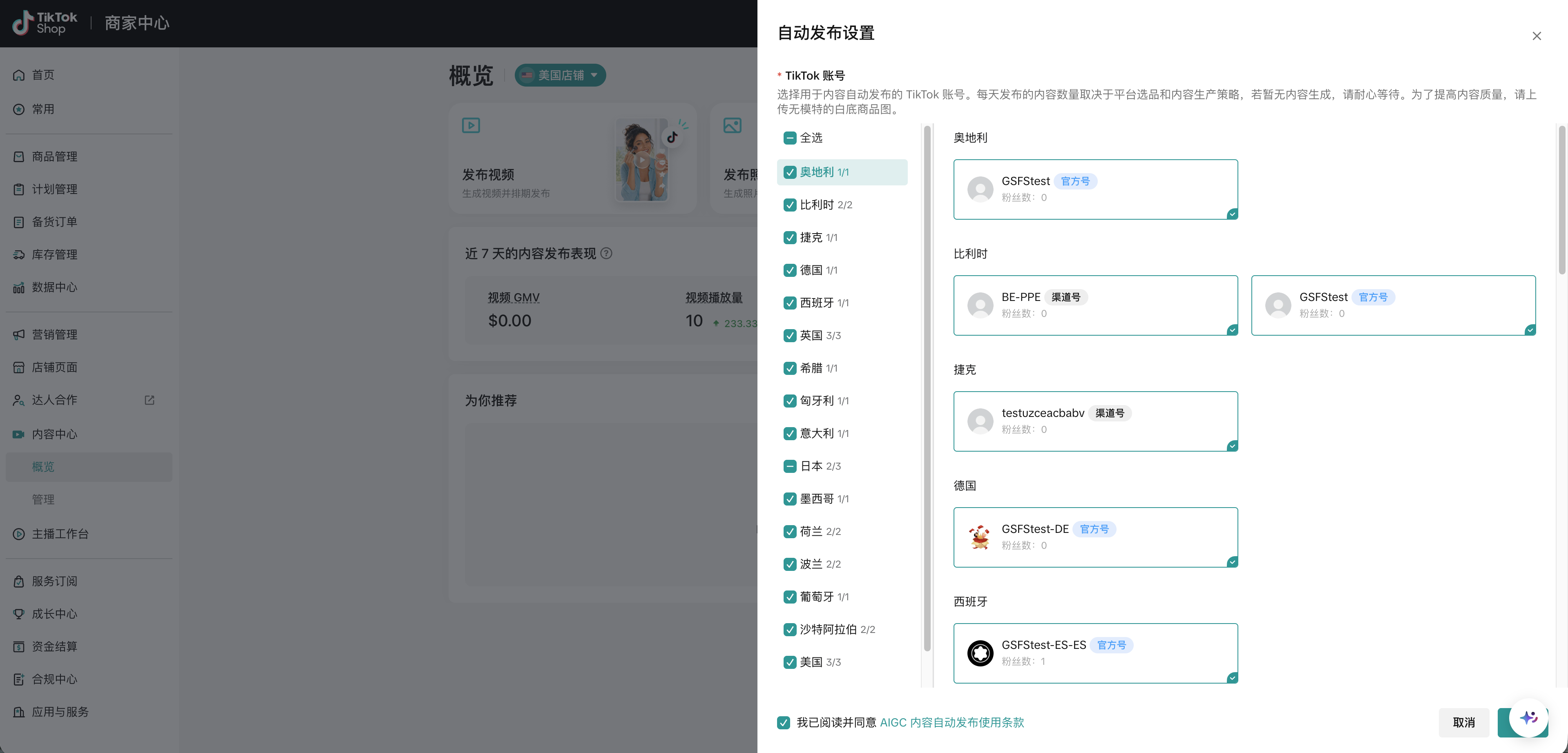
Image source: TikTok Shop Fully Managed Merchant Center
Asset threshold: if the base image is not clean, AI will not generate accurately
The logic of the Photo Generator is to use images from the product detail page to generate sales content; merchants do not need to know how to shoot or edit. The platform stated it very directly in the announcement: detail page assets directly affect the final generation result.
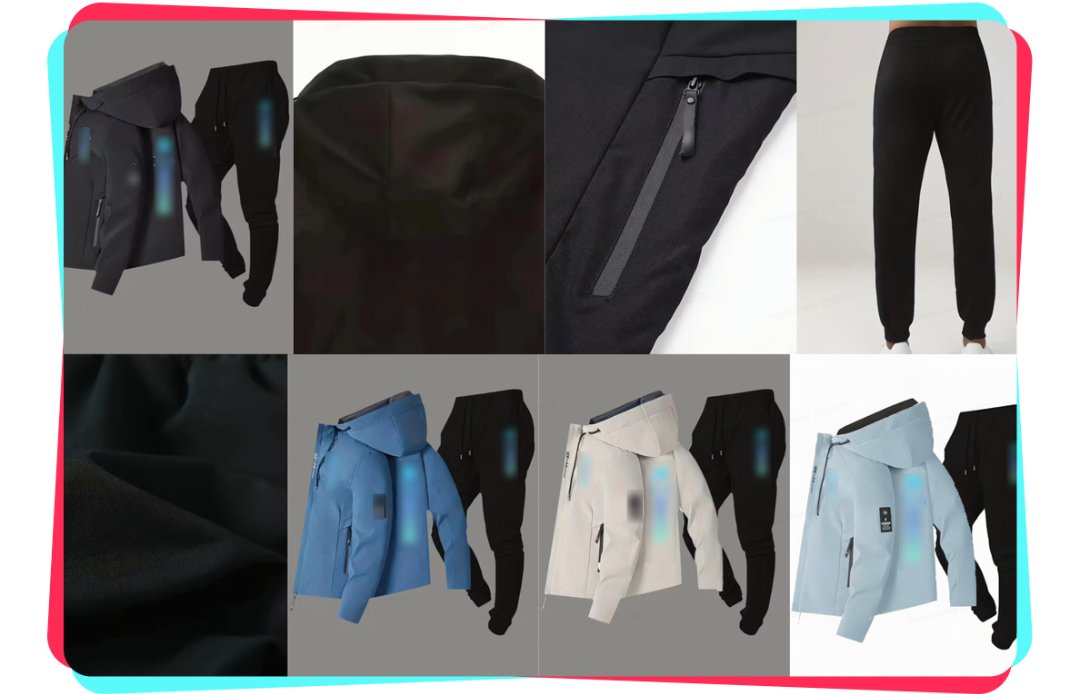
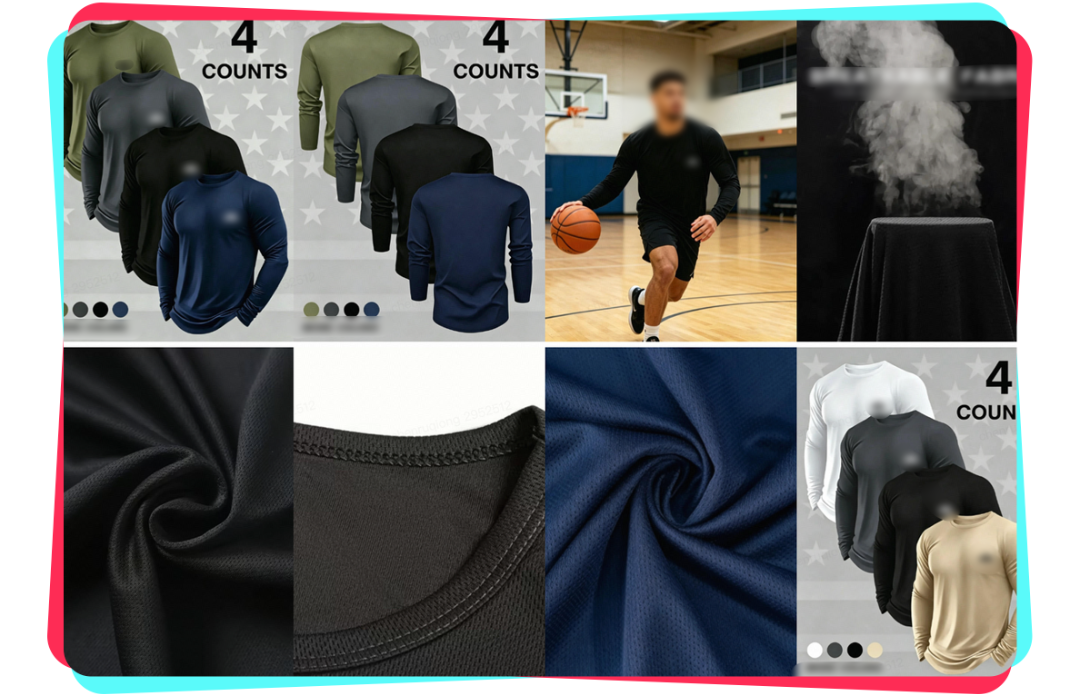
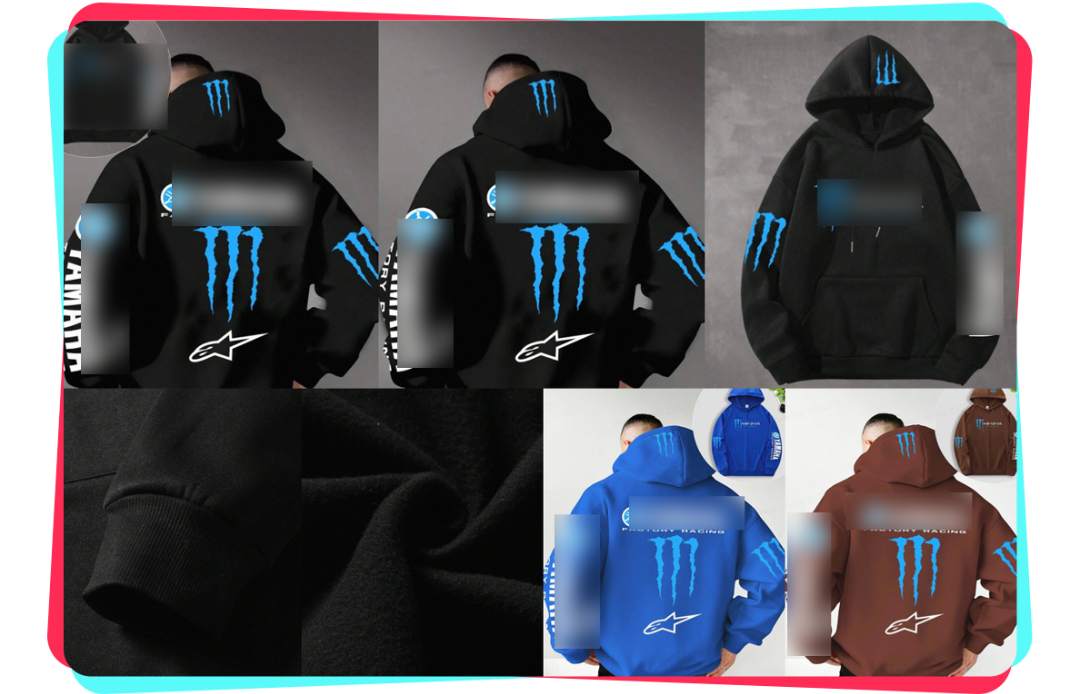
The requirements are not complicated. Images should be clear with a complete subject; model-free white-background images are best; images must match the description and the actual product. The cleaner the base image, the higher the accuracy when AI adds scene images, feature explanation images, and digital-human try-on images.
This is the easiest point to skip. Many merchants' detail page images were still shot several years ago—with watermarks, stitched images, and color casts. They look fine to human eyes, but machine recognition makes mistakes. The generated people do not look like people, and the scenes do not look like scenes; the problem is often not the tool, but the base image.
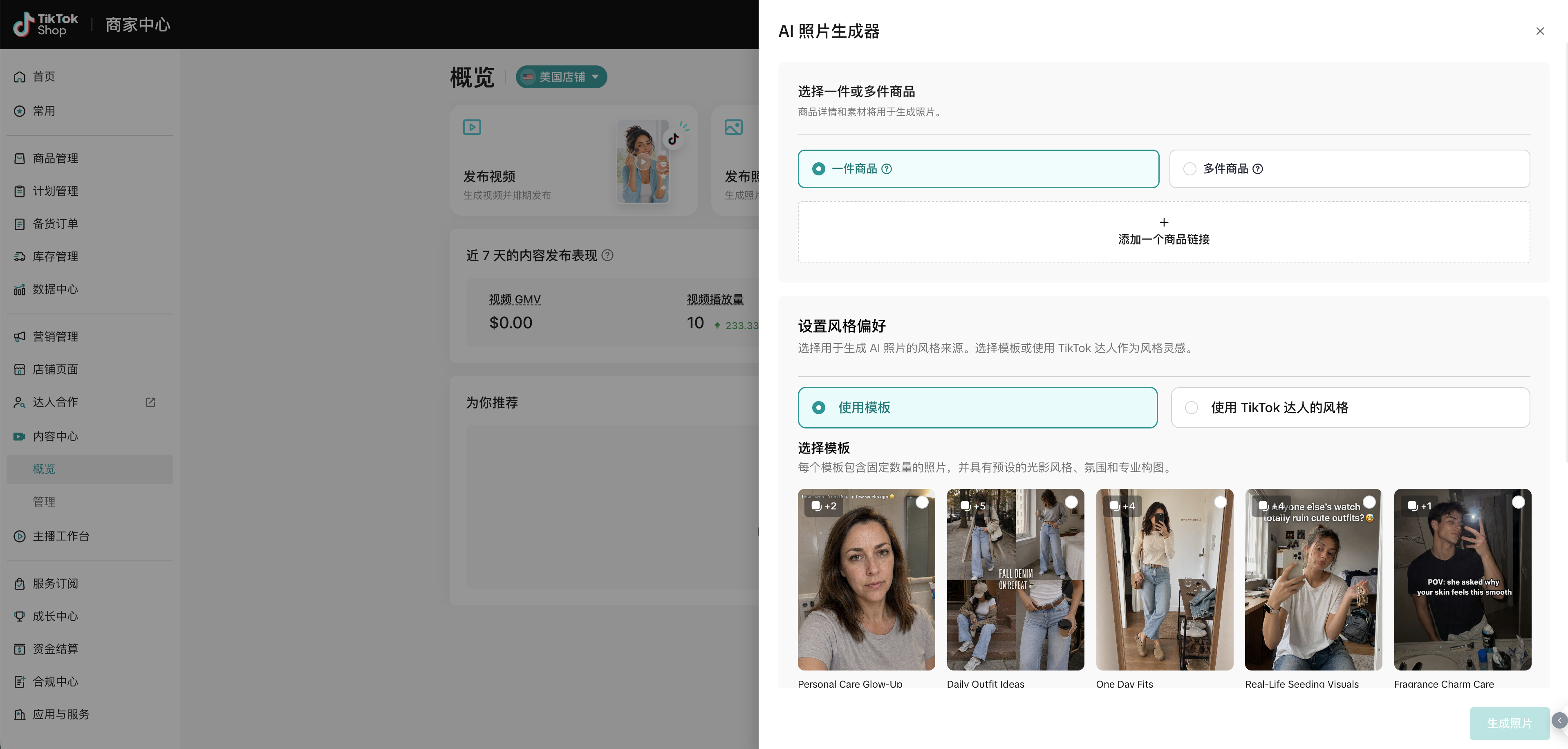
Image source: TikTok Shop Fully Managed Merchant Center
Seller response: treat detail page images as content assets
If you really want to take action, there are three things, in order.
The first: bind the account and authorize Fully Managed. If this step is not done, the platform cannot automatically select high-quality products from your store, and therefore cannot generate content based on products. The path is: log in to the Merchant Center with the main account, click the avatar in the upper right corner to enter 'My Account—Bind TikTok Account', switch to the target country, and create or bind according to the prompts; for authorization, go to 'Content Center—Overview', click 'Short Video Auto-Publish', select the account, check the terms, and confirm.
The second: go back and fix the images on the detail page. This step takes time, but it determines the upper limit of all subsequent generation results.
The third is publishing. The entry point is 'Content Center—Overview' > 'Publish on TikTok—Publish Photos'; upload images, adjust the order, attach the corresponding product, add a description and hashtags, and select music. You can upload 2 to 35 images at a time; 9:16 vertical format is recommended. After publishing, go to 'Content Center—Management—Published Content' to check status and performance by product ID or time.
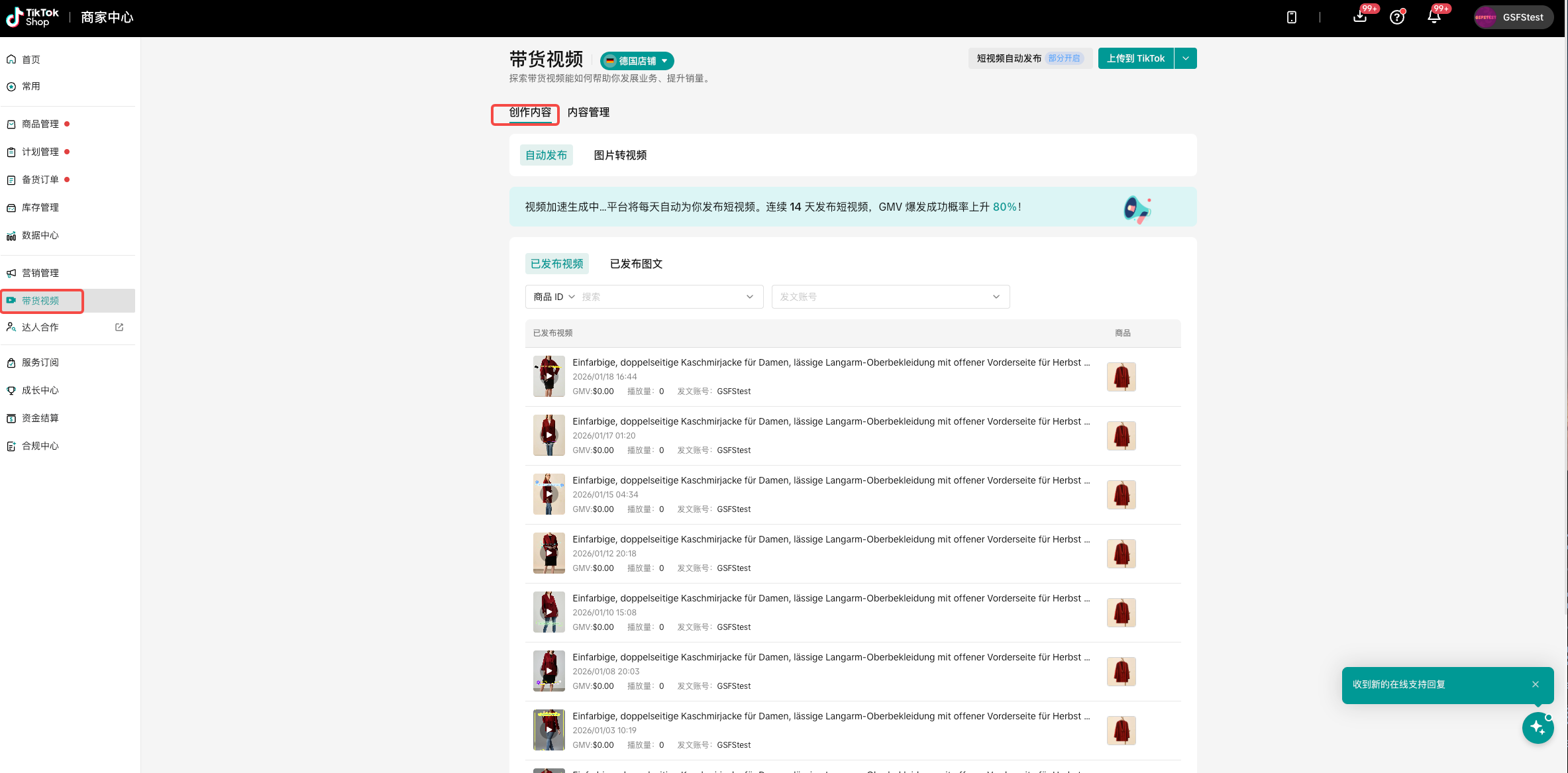
Image source: TikTok Shop Fully Managed Merchant Center
Here is a bucket of cold water. The threshold for image-text posts is low, so it is easy to turn into batch-uploading product images, while the platform's own advice is 2 to 3 posts per day, making them excellent and refined. This is not polite talk: the content field allocates exposure based on quality. If the same batch of images is repeatedly posted, the account will not get better just because it posts more. The common point of the three menswear cases in the announcement is not quantity, but explaining the same selling point clearly with different scenes—fabric, fit, and wearing effect each take one post.
There are also two details that are easily overlooked. The Photo Generator is currently open only to merchants that meet the requirements, and some tools are still in testing. If you cannot see the entry point in the backend, directly ask the platform manager to confirm; do not guess. Before publishing, check the product link, copy, and disclosure settings, and publish after previewing and confirming.
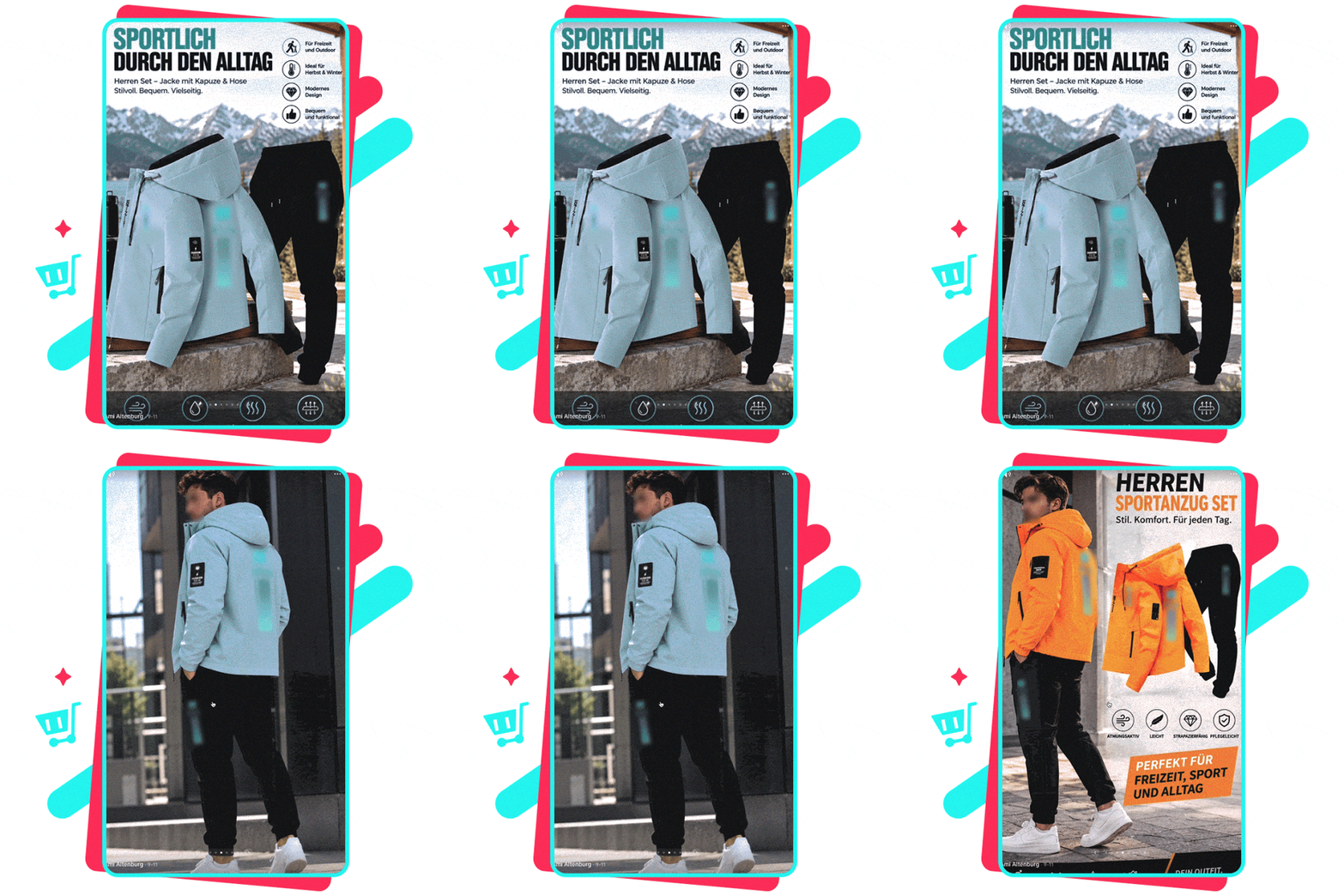

Product detail page + main image:
Conclusion
The image-text entry point is open. On the surface, it adds a content format; in essence, TikTok Shop has lowered the content threshold for fully managed merchants from filming ability to material quality.
In the short term, a lower threshold means a higher risk of homogenization; images anyone can post will find it hard to create a meaningful exposure gap. In the long term, merchants willing to invest effort in detail page materials will gain not only traffic from the content field, but also conversions from search and the detail page itself.
What the content field competes on has changed just like that. In the past, it was about who could shoot; now it is about whose materials can withstand being reused item by item. Black Friday is three weeks away, and the real difference of this upgrade will likely show on the day of the major promotion—who can come up with more usable pieces of content.