
 225
From making wedding dresses for others to establishing a brand of its own
In the going-global circle, some brands are not loud in name but have quietly become leaders in niche tracks.Bluetti(铂陆帝)is exactly such an existence.
Many ordinary consumers may not have heard of it, but those in cross-border trade are no strangers to it. This user-side energy storage brand, originating in Shenzhen and facing the globe, took only a few years to break out from a contract manufacturer and join the first tier of global portable energy storage.
In 2024, the full-year revenue of its parent company Delan Minghai even reached2.174 billion yuan, up 22.4% year on year, ranking by revenue scalefourth in the global portable energy storage sector。
Even more interestingly, this company'soverseas revenue accounted for as much as 99.4%. Among them, the Americas contributed 48.1% of revenue, with Europe following closely at 35.2%. These numbers are enough to show the quality of its overseas expansion.

Image source: Google
From behind-the-scenes contract manufacturing to an independent brand, Bluetti speaks for itself
When it comes to Bluetti's growth story, we must start with its parent company Delan Minghai.
It is reported that the company was founded in 2013 and initially focused on contract manufacturing of power banks and drone batteries; well-known 3C brands familiar to the public, such as Anker Innovations and Belkin, were once its customers.
But contract manufacturers only earn manufacturing money; brand premium and user resources are all in the hands of brands. The contract manufacturing path, after all, cannot go far.
The limitations of the long-term contract manufacturing model gave Delan Minghai the idea of building an independent brand; combined with the impact of the 2020 pandemic and fluctuations in contract manufacturing orders, this further accelerated the decision to transform into a branded business.
Based on industry observations accumulated from previous contract manufacturing work, the team keenly identified that overseas users have a very strong demand for home backup power:
The U.S. power grid is unstable, extreme weather such as hurricanes and wildfires occurs frequently, and RV culture is mature, so home energy storage has become a rigid demand;
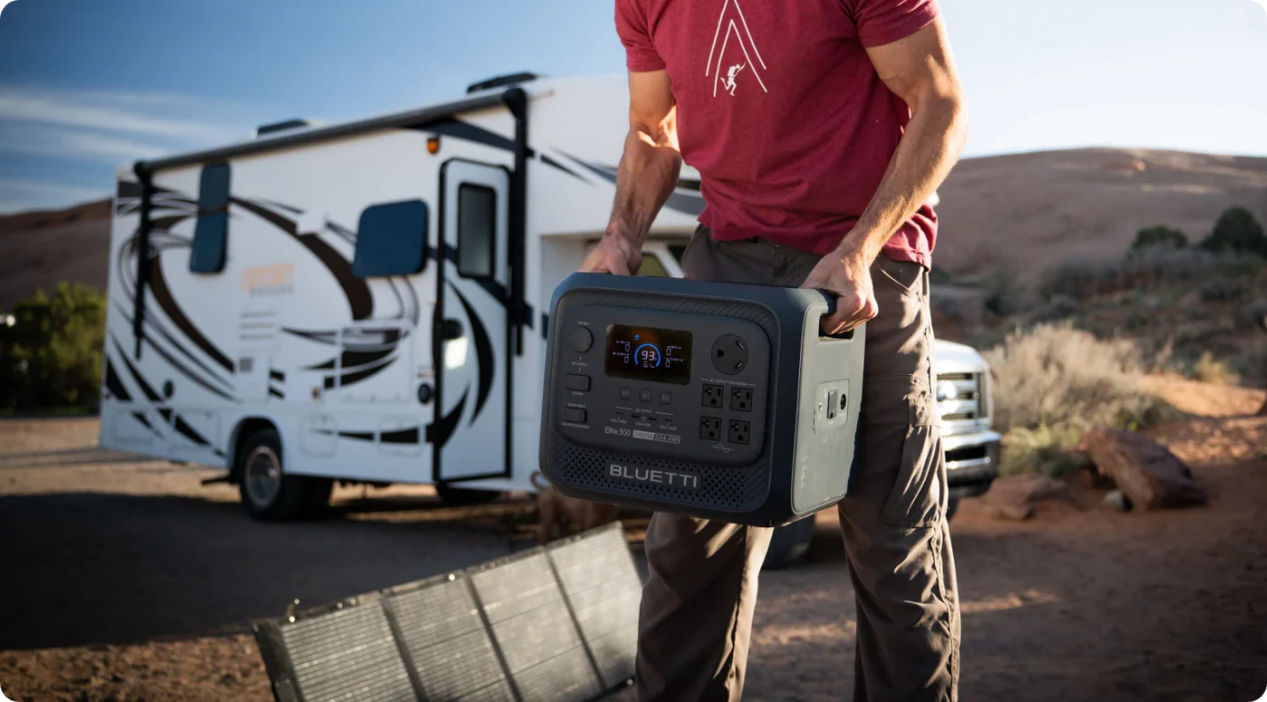
Image source: Google
In Europe, due to energy price fluctuations, demand for PV-paired energy storage continues to rise;
In earthquake-prone Japan, portable energy storage is regarded as household disaster preparedness supplies...
All these signals point to huge overseas market opportunities in the portable energy storage sector.
In 2020, the Bluetti brand was officially launched, focusing on off-grid energy storage devices for home backup power.
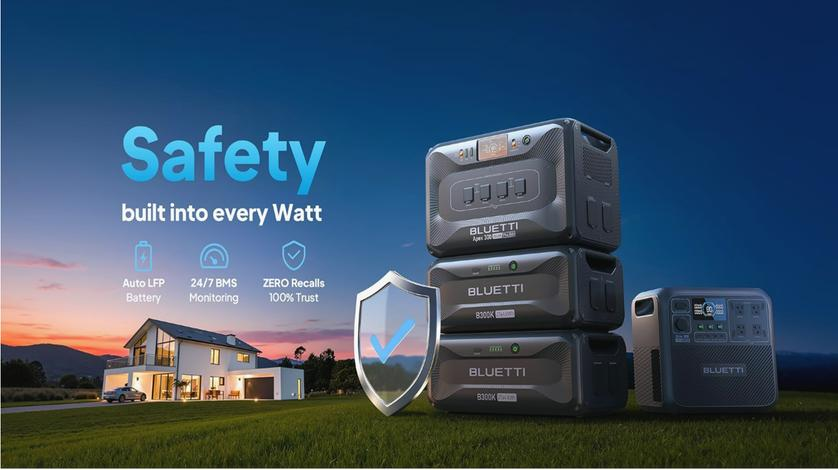
Image source: Google
From a market perception perspective, compared with competitors of the same period, Jackery focused on light camping scenarios, EcoFlow focused on fast charging and digital outdoor use, and Bluetti differentiated itself from the start with features such as modularity, large capacity, home emergency use, and solar integration.
This was also a core reason it quickly gained volume in high-risk power outage and disaster prevention markets such as California and Texas in the US and Japan.
Crowdfunding fired the first shot, while the DTC website captured traffic.
In fact, around the time the brand was launched, early products such as EB150 and EB240 had already tested own-brand retail through Amazon, moving beyond a pure OEM logic.
The key turning point in Bluetti's development was when AC200 launched on Indiegogo for crowdfunding:In just 2 months after launch, it raised about US$6.7 million, instantly making a name for itself.
After that, the brand entered the fast lane of growth, successively building regional DTC websites for the US, Europe, Australia, and other regions in 2021, expanding a global sales network.
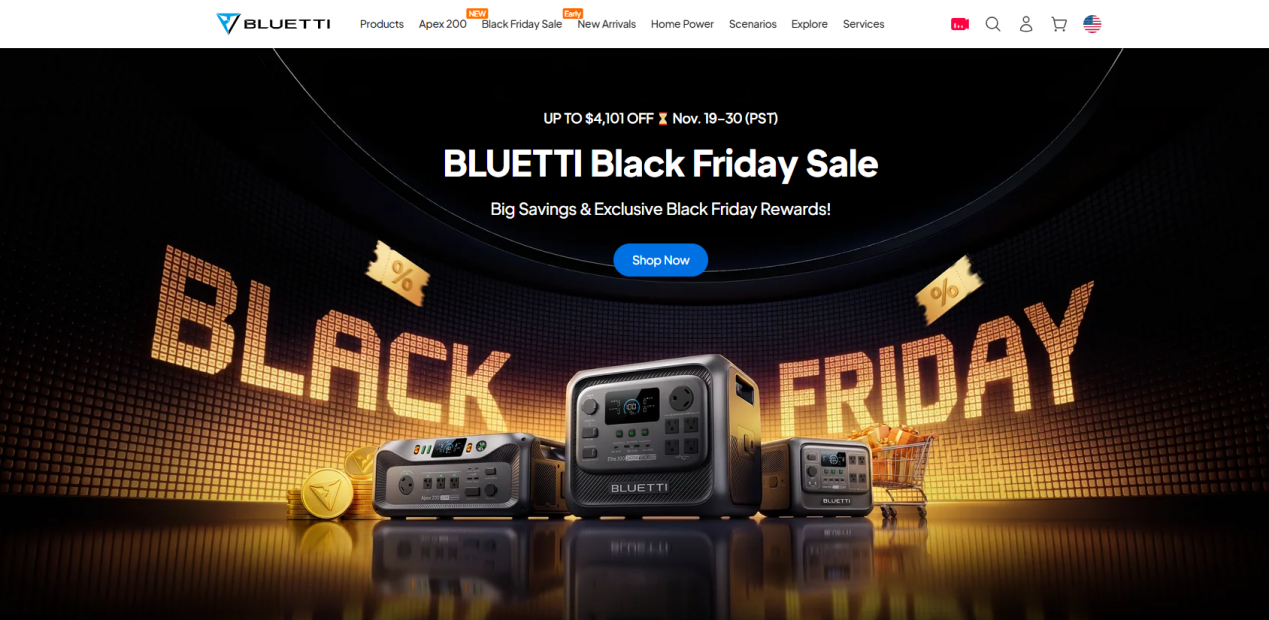
Image source: Bluetti
In 2023, its AC500 series achieved another impressive result, topping the global energy category with a crowdfunding result of US$12.19 million.
This combined approach of crowdfunding + DTC website continuously guided users accumulated through crowdfunding to the DTC website to place orders and make repeat purchases, gradually turning traffic into its own assets.
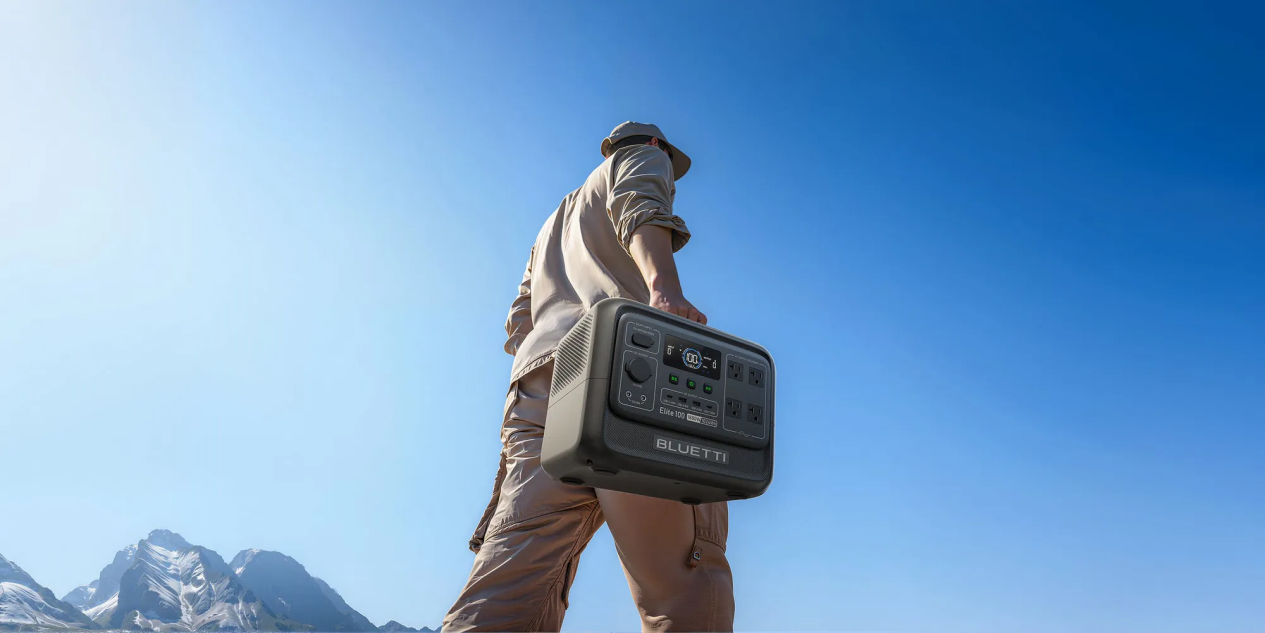
Image source: Google
Online and offline, walking on two legs.
To support long-term overseas development, Bluetti also pursued simultaneous online and offline expansion.
On the online side, in addition to Amazon, the brand gradually joined third-party e-commerce platforms such as Walmart, eBay, Rakuten Japan, and Lazada to capture search traffic and price-comparison users and expand product coverage.
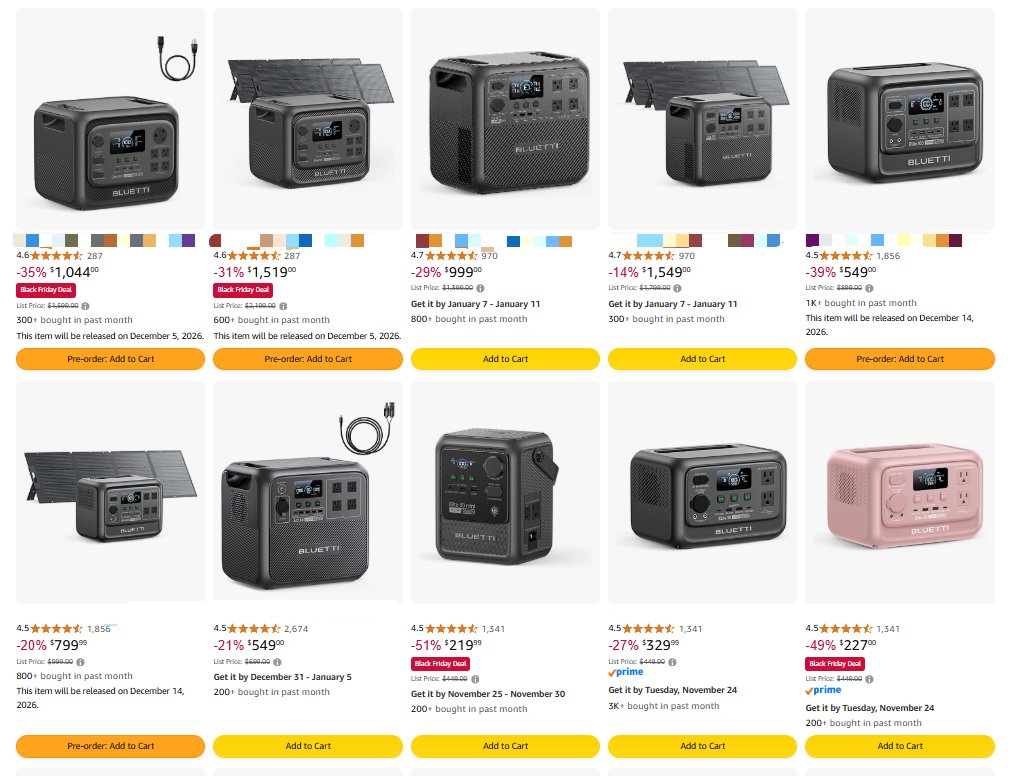
Image source: Amazon
On the offline side, products entered mainstream global retail chains such as Best Buy, Home Depot, and Costco, allowing overseas consumers to see it on familiar shelves.
At the same time, Bluetti also actively participated in events such as IFA and appeared at the 2025 Osaka Expo China Pavilion Shenzhen Week. While consolidating brand trust, it advanced localized operations and gradually built a complete DTC going-global combo.
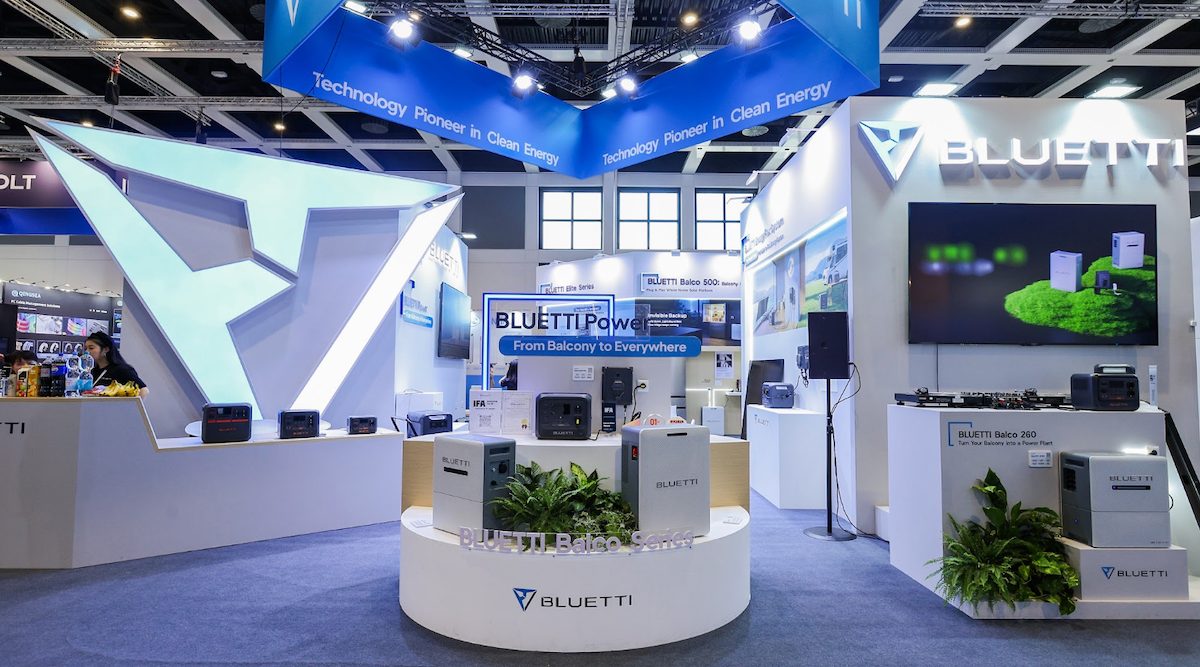
Image source: Google
Industry tailwinds supported the brand's rapid growth.
Of course, Bluetti's rise overseas was inseparable from its own product and operational capabilities, while also riding the growth tailwind of the global portable energy storage industry.
According to authoritative data from Grand View Research:
The global portable power station market has grown year after year since 2021. Its valuation was US$1.1 billion in 2021 and rose to US$4.2 billion by 2025.
The entire industry is also expected to grow from $4.8 billion in 2026 to $19.9 billion in 2033, with a compound annual growth rate of 22.4% over those years.
It can be seen that the booming and expanding market also provides Bluetti with ample room for growth.
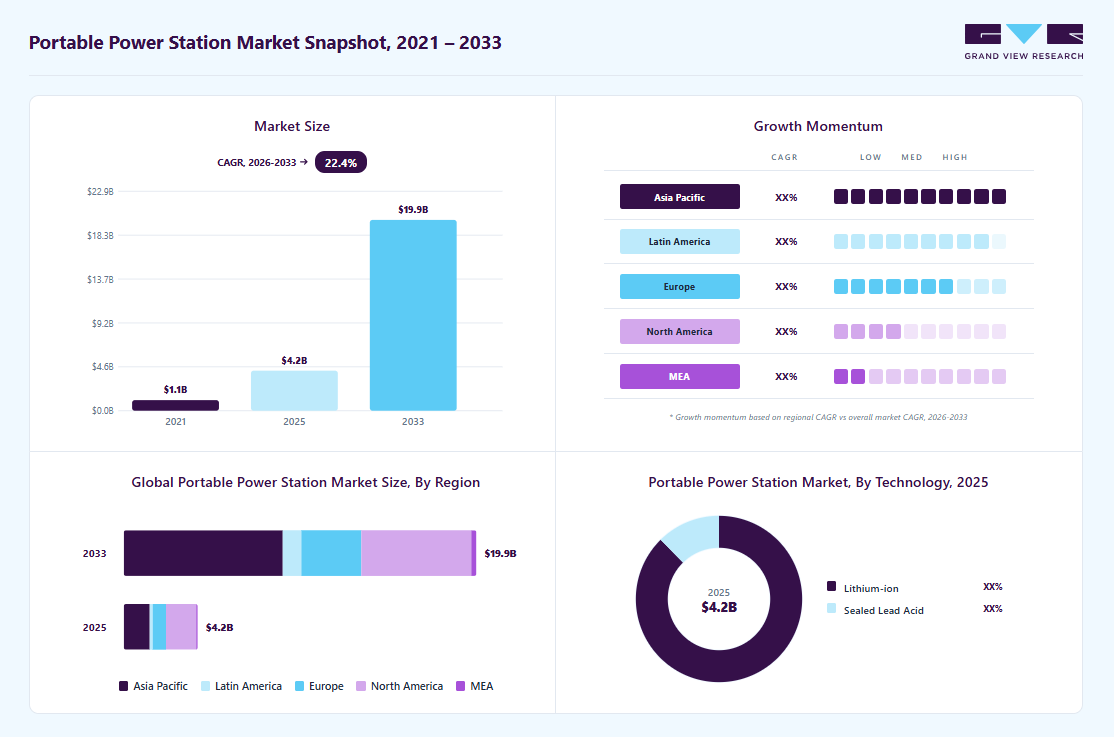
Image source: Grand View Research
Scenario-based social media content that uses lifestyle to drive product seeding
Today, social media has become an important frontline for Chinese overseas brands to acquire customers. Relying on platform algorithm recommendations, brand content can precisely reach high-demand audiences, achieve broad dissemination, and continuously convert orders.
Among many social media channels, TikTok is like a traffic amplifier and is highly suitable for the dissemination of home energy storage products such as Bluetti.
It is reported that Bluetti established a presence on the TikTok platform very early and is one of the earlier brands to enter the energy storage track. At present, its main account @Bluetti Shop has 1.3 million followers and has accumulated 4.3 million likes.

Image source: TikTok
The core logic of the account's content is not to pile up product parameters, but to penetrate real scenarios such as camping and cooking, RV living, power outage emergencies, disaster preparedness reserves, and outdoor off-grid power use.
The core of this content logic is to convey a lifestyle:First move users with a sense of safety and practicality, stimulate demand, and then guide users to learn about the products and complete purchases.
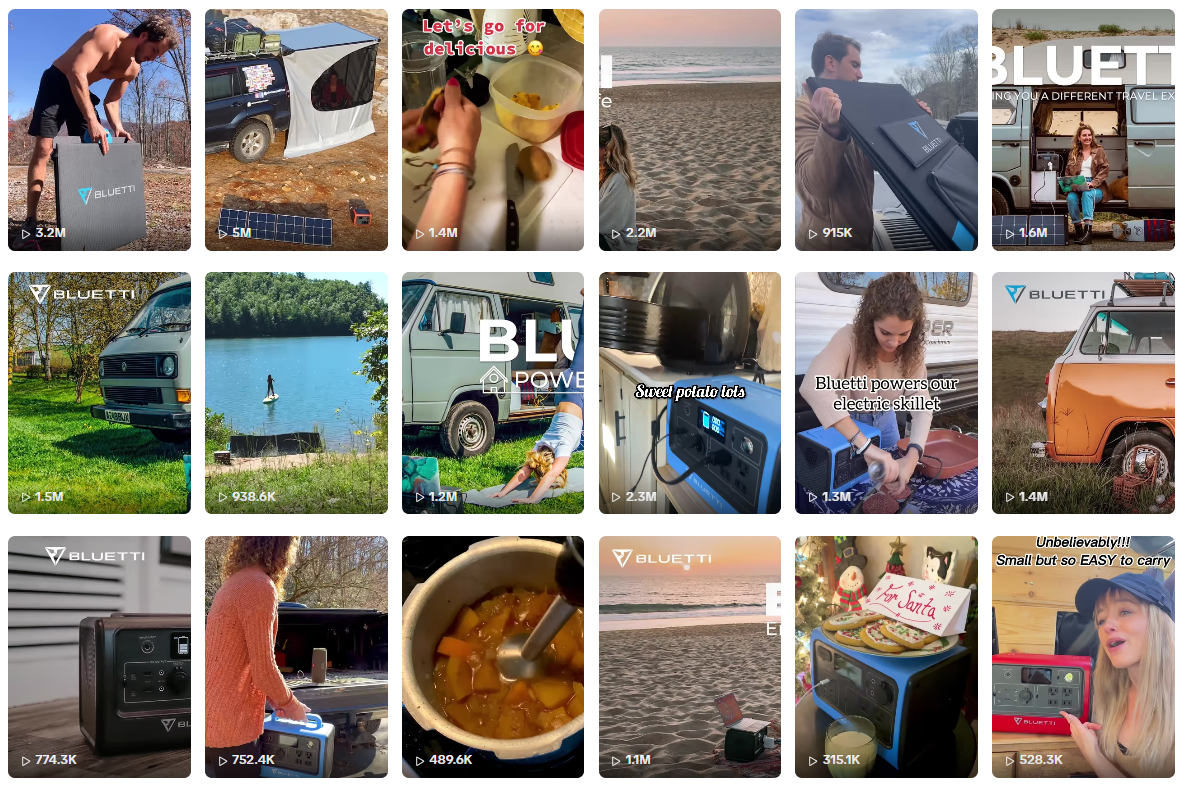
Image source: TikTok
In addition, Bluetti also cooperates extensively with creators in outdoor, home, and disaster preparedness verticals, using real off-grid power use footage to dispel potential users' wait-and-see concerns.
For example, TikTok top creator @Marily Valderrama, who has 2.1 million followers, just released a short promotional video for a Bluetti product 5 days ago.
In the video, the creator pasted a screenshot of news she had seen on her phone that El Niño may affect the U.S. winter into the frame, pointing out that food spoiling in the refrigerator after a power outage is a family pain point and highlighting the necessity of backup power. Then, she demonstrated how Bluetti's refrigerator power supply solves the power outage problem.
At present, the video has received 82,700 likes, and views have exceeded 600,000,The buzz is stillcontinuingrising。In the comment section, there was extensive discussion around disaster response and whether to purchase energy storage equipment.
It is not hard to see that this type of content, which starts from users' real concerns and emphasizes safety and essential demand, is more likely to build trust and drive conversions.
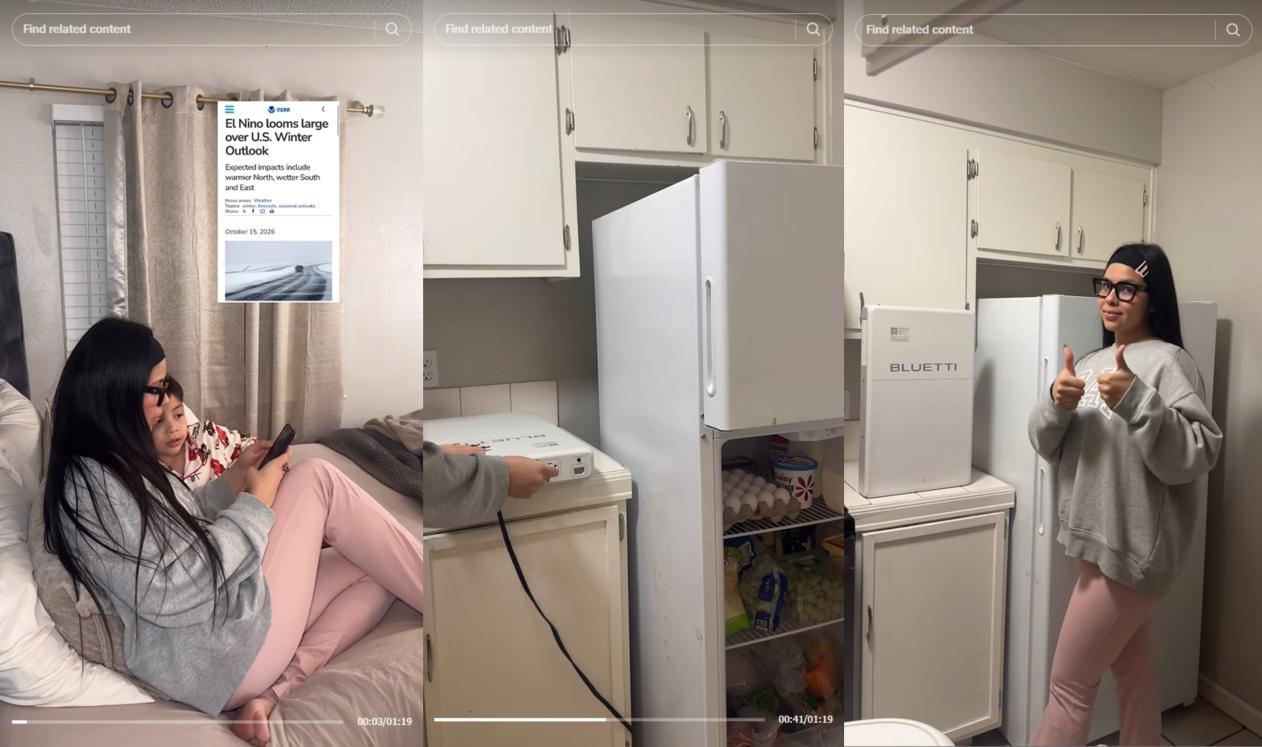
Image source: TikTok
Conclusion
Looking beyond the Bluetti brand, the path for domestic companies to enter overseas markets is actually becoming clearer and clearer:
First align product positioning with real demand, then use crowdfunding, independent websites, third-party platforms, and offline channels to capture traffic layer by layer, and finally use social media content to complete seeding and conversion.
This playbook is not new; the hard part is doing every step solidly.
Overseas markets are waiting to be explored; now is a great time to go global—Opportunities wait for no one; action is more meaningful than standing by.