 1927
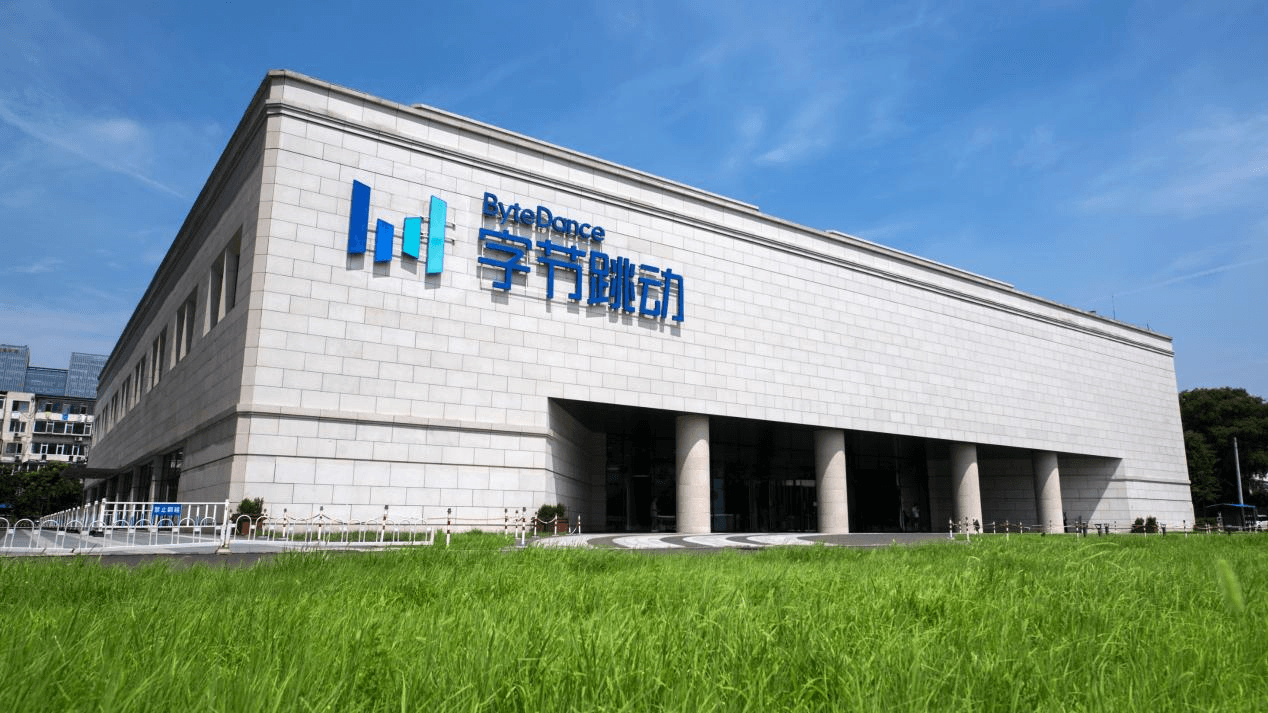
1927In today's field of artificial intelligence, ByteDance has become a leader in domestic generative AI in China.
According to relevant sources, ByteDance has poached many top talents from local competitors, including leading AI engineers and researchers from companies such as Alibaba, 01.AI, and Zhipu, with the intention of building teams to vigorously develop large language models and various AI products.
Image source: ByteDance official website
The chatbot "Doubao" is one of ByteDance's dedicatedly developed AI products, which has performed outstandingly in the domestic market, with its monthly active users far surpassing similar products from Baidu.
To further expand the boundaries of AI applications and explore more creative possibilities, ByteDance has recently quietly launched internal testing of the PixelDance video generation model on the desktop version of Doubao.
Since its debut at the end of September, this model has been selectively invited for testing by specific creators and enterprise clients through platforms such as DreamAI and Volcano Engine. Now, some lucky users have the opportunity to experience it for free on the Doubao platform, generating up to ten videos per day.
According to feedback from early creators participating in the internal test, the PixelDance video generation model is powerful. For example, switching 3 to 5 shots in a 10-second video can maximize its generation effect, and it performs excellently in scene and character consistency, making the generated videos smooth and natural.
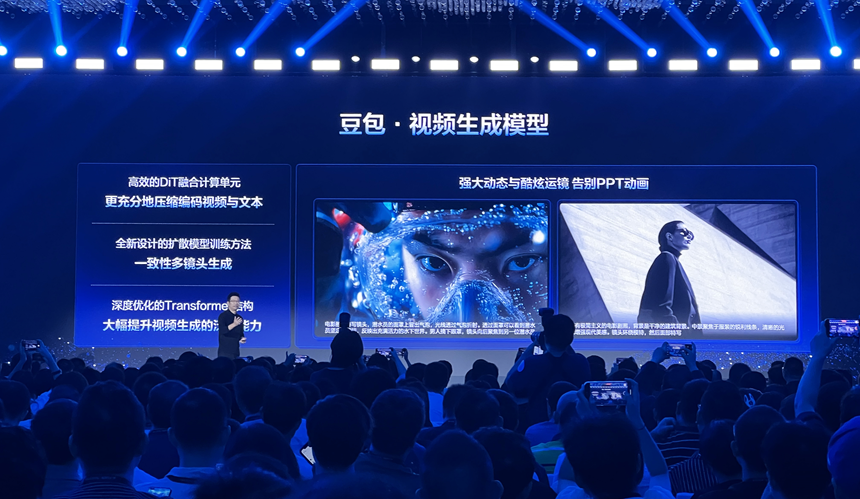
Doubao video generation model launch event, photo by Jiang Jialing
In addition to ByteDance's major moves in the AI field, its self-developed AI chips are also worth mentioning.
According to research by Tuke, although ByteDance is currently Nvidia's largest customer in China, in order to reduce its dependence on Nvidia chips, ByteDance has formed a new team focused on developing AI chips.
This new team is using Google's TPU (Tensor Processing Unit) as a blueprint, aiming to build AI ASICs (Application-Specific Integrated Circuits) dedicated to machine learning, to improve the efficiency of model training and inference.
Image sourced from the internet
The reasons behind this move are actually not hard to guess:
Maintain supply stability
In the current wave of artificial intelligence development, chips are the core providers of computing power, and the stability of their supply is crucial. Although Nvidia occupies an important position in the AI chip market, over-reliance on Nvidia chips means ByteDance faces potential supply disruption risks.
Save chip costs
From a cost perspective, although Nvidia chips have excellent performance, their procurement costs are relatively high. As ByteDance's AI business continues to expand, the demand for chips is also increasing. Developing its own AI chips can reduce procurement costs in the long run and improve the company's economic efficiency.
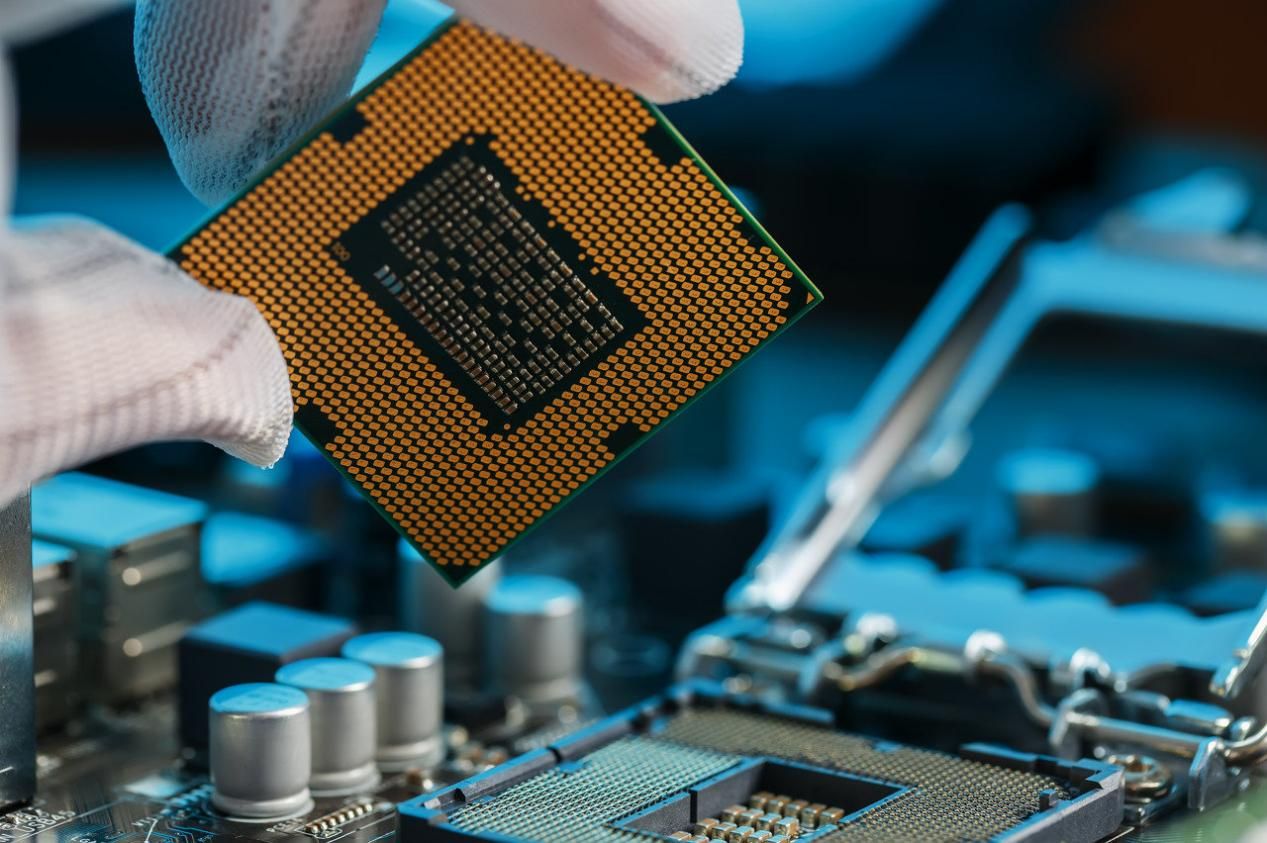
Image sourced from the internet
It can be seen that ByteDance's "ambition" in the AI field is not small. From talent competition strategies to the development and innovation of various products, it demonstrates its determination to deeply lay out in this field.
How ByteDance will further integrate its resource advantages in the AI field and achieve synergy between its product lines in the future is worth our continued attention.