 879
In the consumer market, a change is quietly taking place: when people buy things, they are increasingly unsatisfied with 'just enough'.
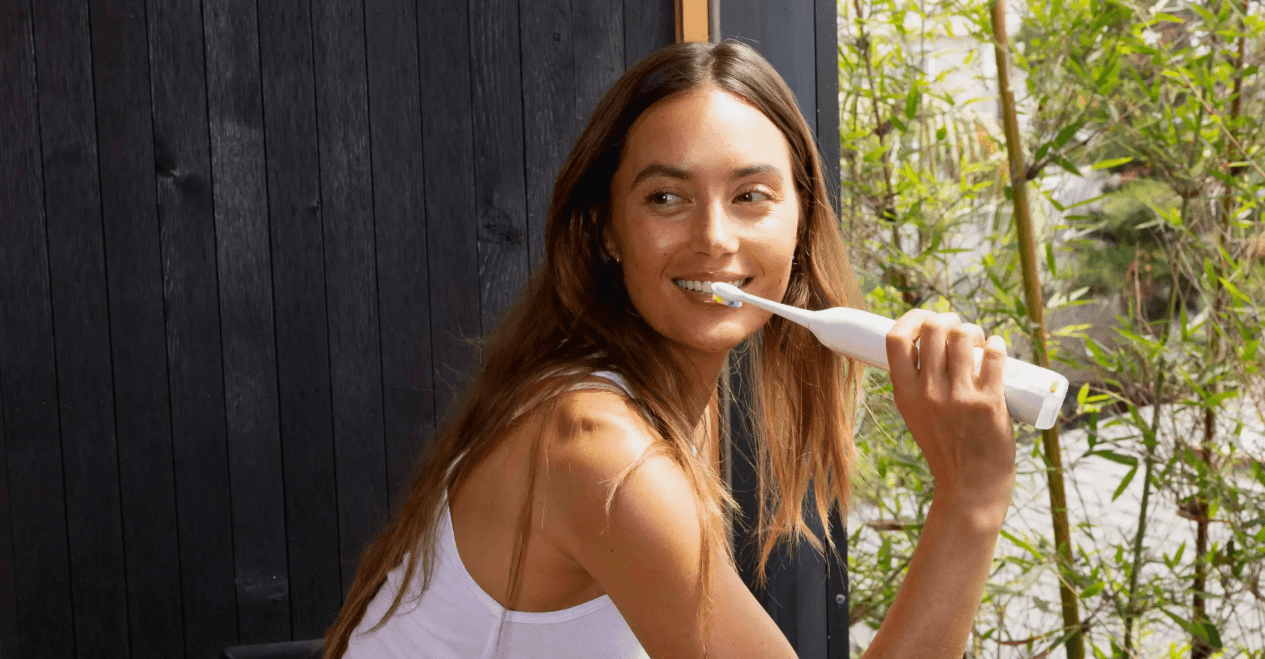
Take electric toothbrushes, for example. Cleaning teeth is only the basic requirement; whether it can connect via Bluetooth, generate an oral report, or correct brushing habits has instead become a plus that young consumers carefully compare before placing an order.
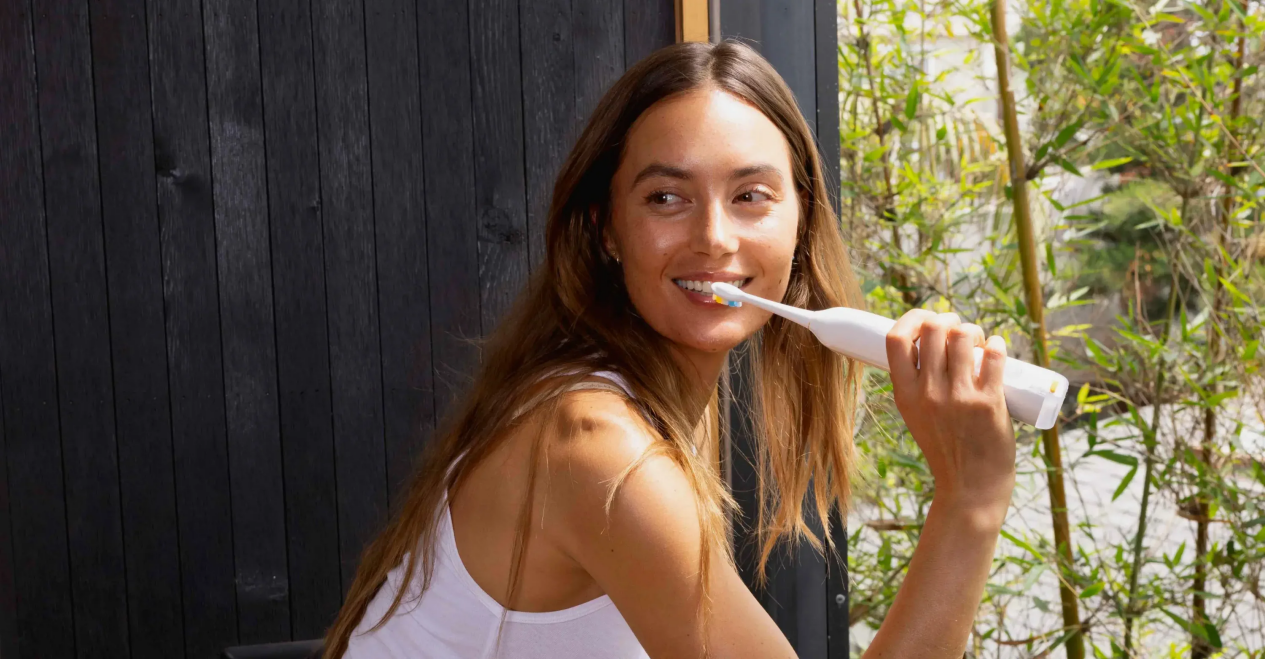
Image source: Google
Demand has changed, and market opportunities have changed with it.
A personal care small appliance brand born in ShenzhenSoocas(素士), is one of the representatives that emerged by seizing this wave of change.
It usedannual revenue exceeding 1 billion yuan for 3 consecutive yearsas proof that, in the personal care sector, consumers no longer only recognize international big brands; Chinese brands can also achieve outstanding results.
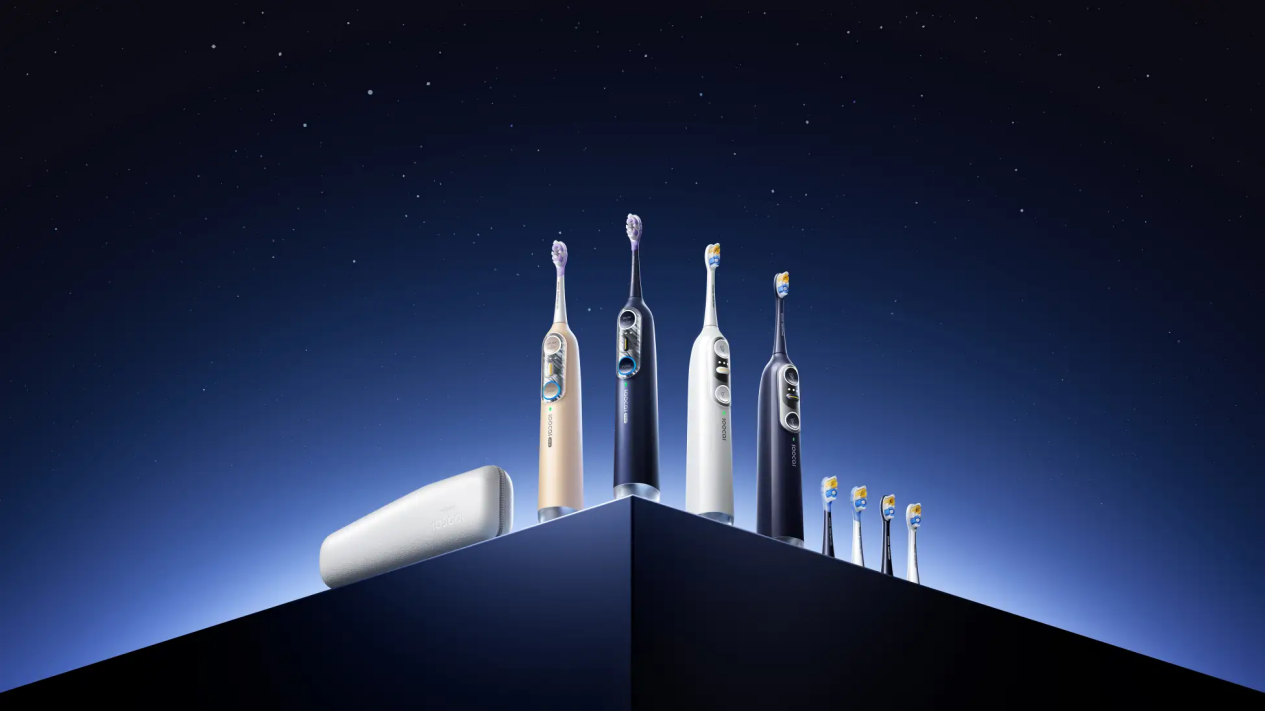
Image source: Google
Entrepreneurship, more than once
According to public information, Soocas(素士) was founded in 2015 and focuses on personal care small appliances such as oral care, hair care, and men's grooming.
The brand founder, Mr. Meng, comes from an industrial design background. He worked at Huawei for 8 years as a senior product design manager for terminal devices and participated in the design of flagship models such as Honor X1.
In 2013, he left Huawei to start his first business and created the smart body fat scale brand PICOOC. Although it received investment from Tencent and JD.com, it later fell into a low-price rat race and encountered growth obstacles, and the first venture ultimately failed to get off the ground.
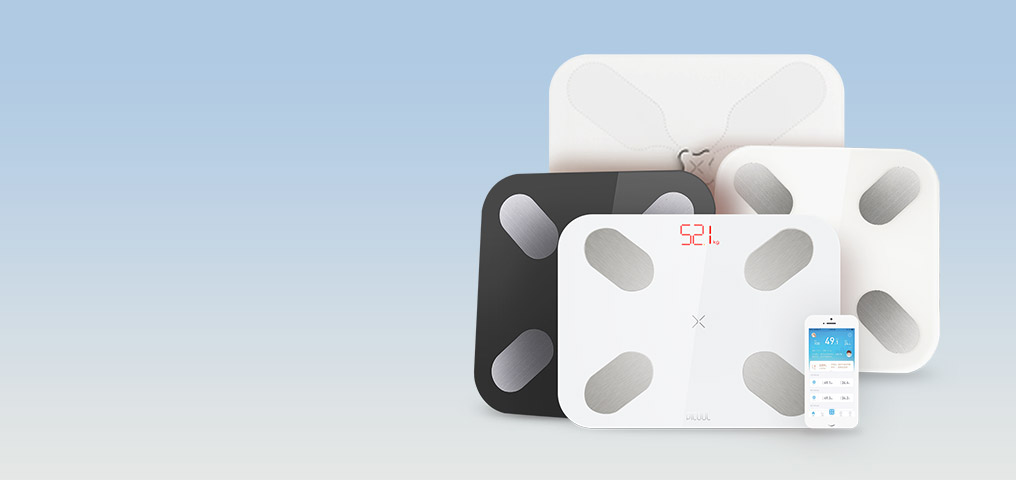
Image source: Google
This failure also made Mr. Meng realize that a product cannot rely solely on eye-catching appearance design; it must have a 'core', independently develop core hardware, build a stable supply chain, and at the same time precisely target the customer group.
In 2015, Mr. Meng started his second venture, targeting the electric toothbrush sector then monopolized by Philips and Oral-B, and founded the Soocas(素士) brand.
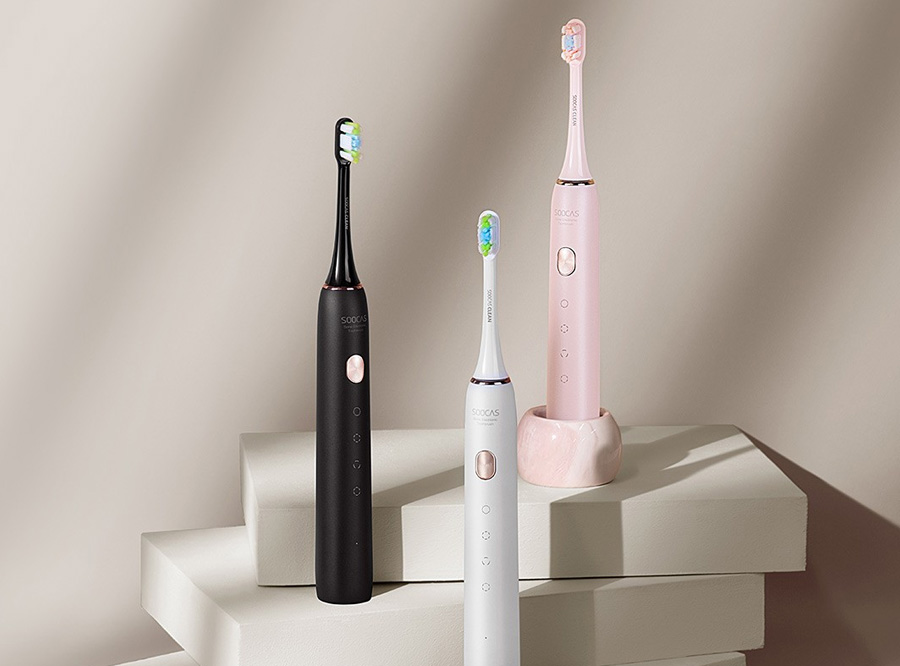
Image source: Google
Joining the Xiaomi ecological chain,leveraging the market
Many people will wonder. This sector has long been occupied by international brands such as Philips and Oral-B. Isn't Soocas entering the market a risky move?
In fact, as the global personal care small appliance market continues to expand. Young consumer groups no longer blindly chase international big brands; they are more willing to pay for Chinese products with good-looking designs, rich functions, and friendly prices, which also created opportunities for Soocas's early development.
To build competitiveness, the team overcame multiple core technical difficulties such as sonic motors, copper-free bristle implantation, and Bluetooth APP smart connectivity, spending 300 days polishing the first X3 electric toothbrush.
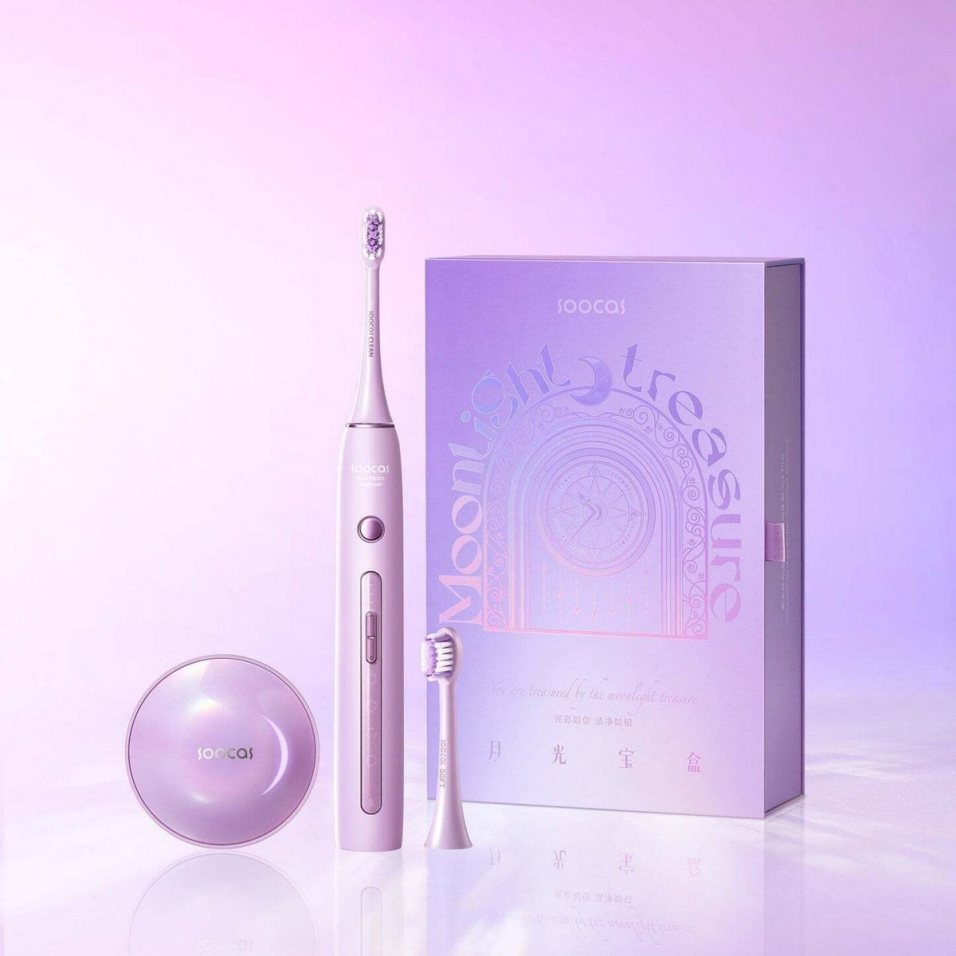
Image source: Google
In 2016, this product launched on Xiaomi Crowdfunding and sold 10,000 units within 48 hours of going live. With its impressive results, it quickly secured investment from Xiaomi and Shunwei Capital, officially becoming a Xiaomi Ecological Chain company.
Since then, the company has developed a dual-business model: operating its own brand Soocas on one hand and undertaking ODM contract manufacturing for Mijia on the other. It leverages Mijia’s channels to rapidly scale up and build supply chain capabilities, while continuously developing its own brand and establishing brand premium.
However, relying solely on the single category of smart toothbrushes makes it difficult to sustain long-term growth; the brand needs to expand its product categories to open up growth space.
To this end, in 2018, the inaugural year of its category expansion, Soocas successively launched electric shavers, negative-ion hair dryers, water flossers, and other products, comprehensively expanding into a full-category personal care small home appliance brand.
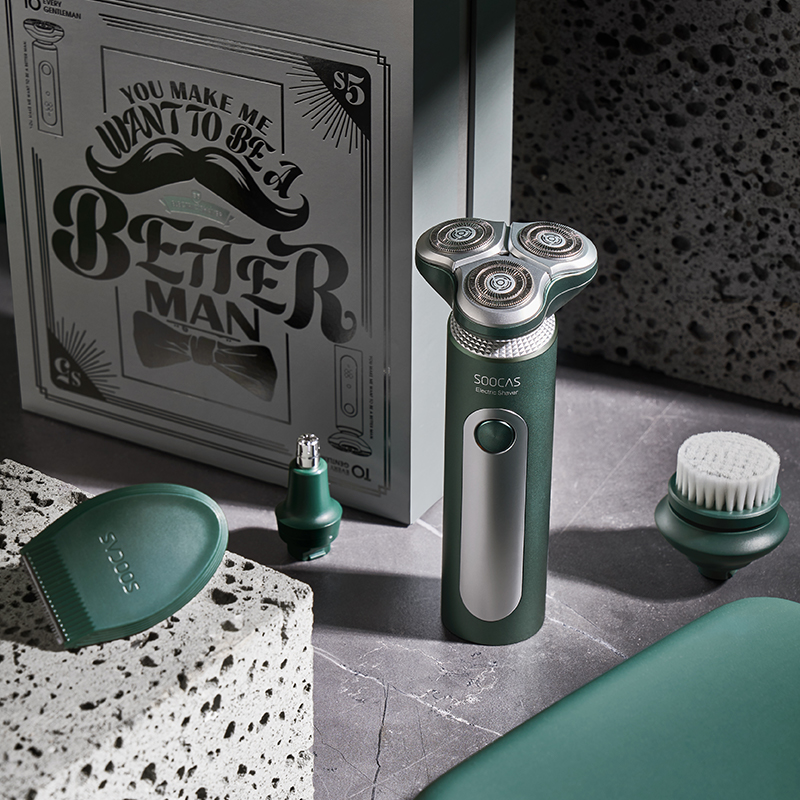
Image source: Google
According to data from Soocas’s IPO prospectus, from 2019 to 2021, the company’s total revenue reached RMB 1.025 billion, RMB 1.371 billion, and RMB 1.871 billion, respectively.
It can be said that, apart from electric toothbrushes, other new categories also delivered solid growth results.
Go global and open a second growth curve.
If Soocas’s overseas layout was still at the testing-the-waters stage before 2021, then it was only in 2022–2023 that it truly turned overseas expansion into its second growth curve.
For overseas markets, the brand’s overall layout pace can be divided into four stages.
Phase 1:Amazon launch and volume ramp-up
The Amazon platform is absolutely the core battleground for Soocas to break into overseas markets.
The brand has opened official flagship stores on marketplaces including North America, the UK, Germany, and Japan, focusing on products such as electric toothbrushes, water flossers, shavers, and hair dryers. It continues to optimize product Listings and test and incubate best-selling items.
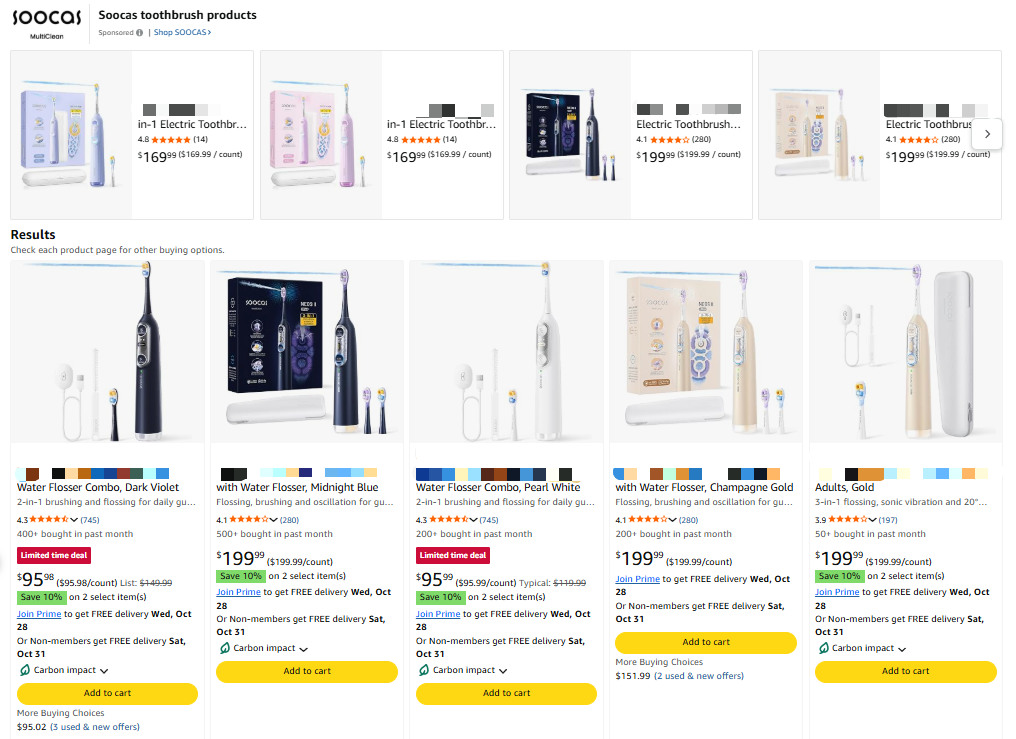
Image source: Amazon
Phase 2: Social Media Seeding and Traffic Acquisition
Marketing on social media platforms such as TikTok is also an important part of Soocas’ overseas promotion.
On TikTok, it has established an official brand account @Soocas Official, which currently has 14,900 followers.
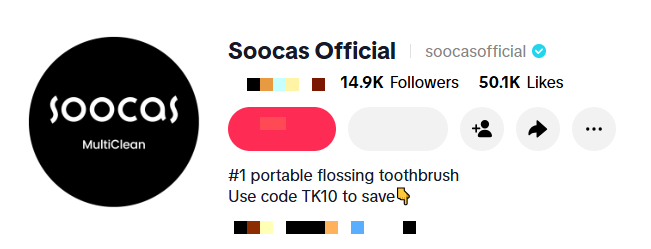
Image source: TikTok
The account content is mainly divided into three categories:
1. Product unboxing and feature walkthrough, aimed at users who value specifications and features;
2. Real-user hands-on testing experience to dispel consumers’ concerns about use;
3. AI comedy short skits that align with the content preferences of young TikTok users and capture Gen Z’s attention.
This diverse content matrix fully leverages the advantages of scenario-based short videos, continuously capturing young traffic while driving growth in both reputation and sales.
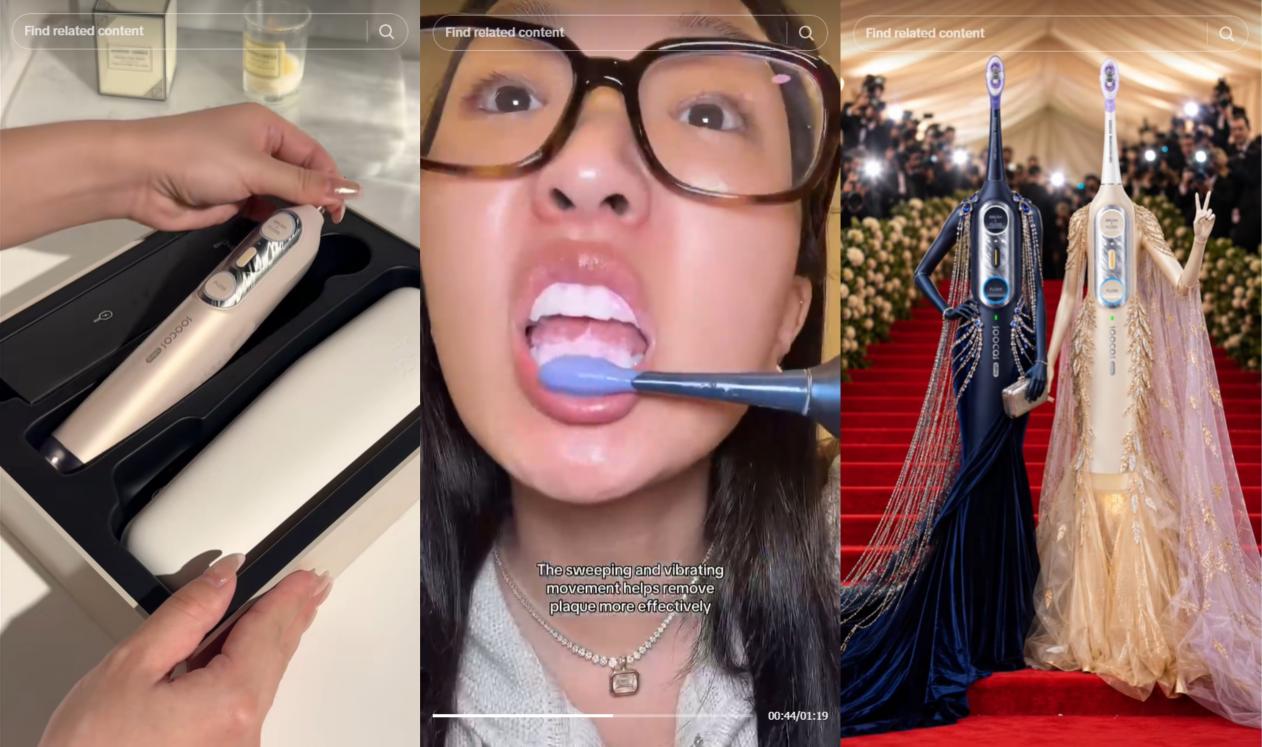
Image source: TikTok
Phase 3: Independent websiteCapturing private-domain traffic
To better capture the attention brought by social media platforms and retain its own users, Soocas also established an independent website for global consumers. It is used to capture private-domain traffic, support consumables subscriptions, and provide after-sales support.
In this way, the brand will not be constrained by platform commissions and algorithm rules, making overseas operations more autonomous and stable.
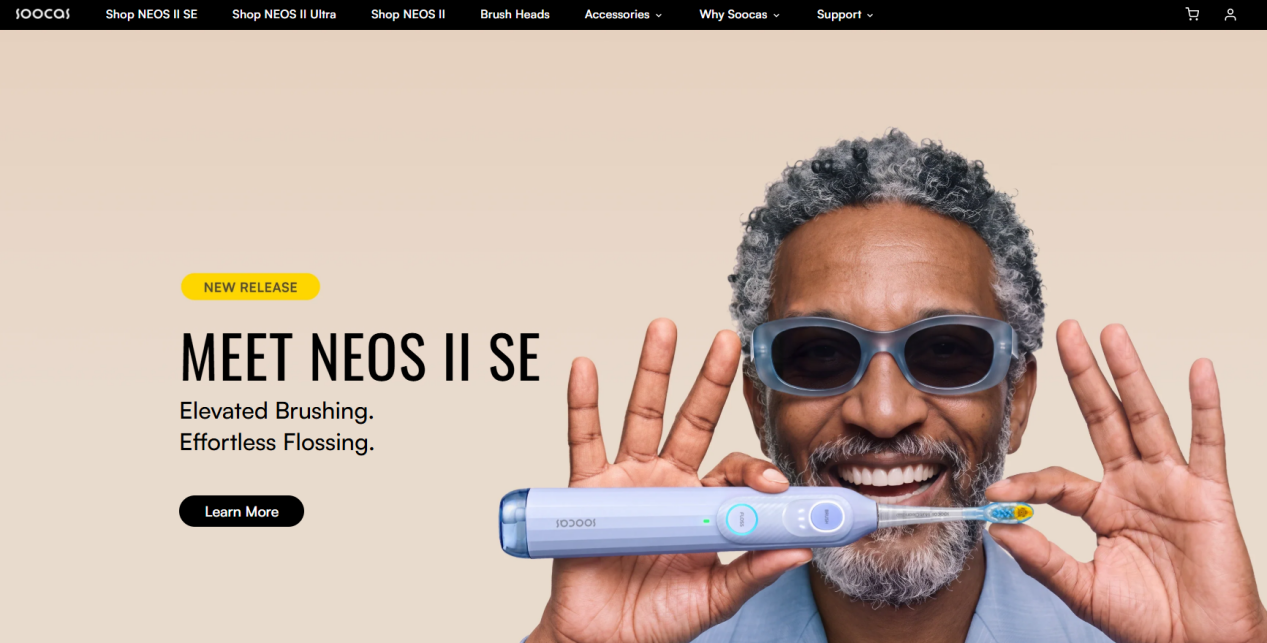
Image source: Soocas
Phase 4: Entering offline retail
Beyond online channels, with North America as its core market, the brand has entered offline supermarkets and retailers such as Best Buy, Macy’s, JCPenney, and Walmart, displaying alongside Philips and Colgate.
This step completed the brand upgrade, shedding the label of a mere cross-border seller, while providing offline purchase trust endorsement for online seeding content.
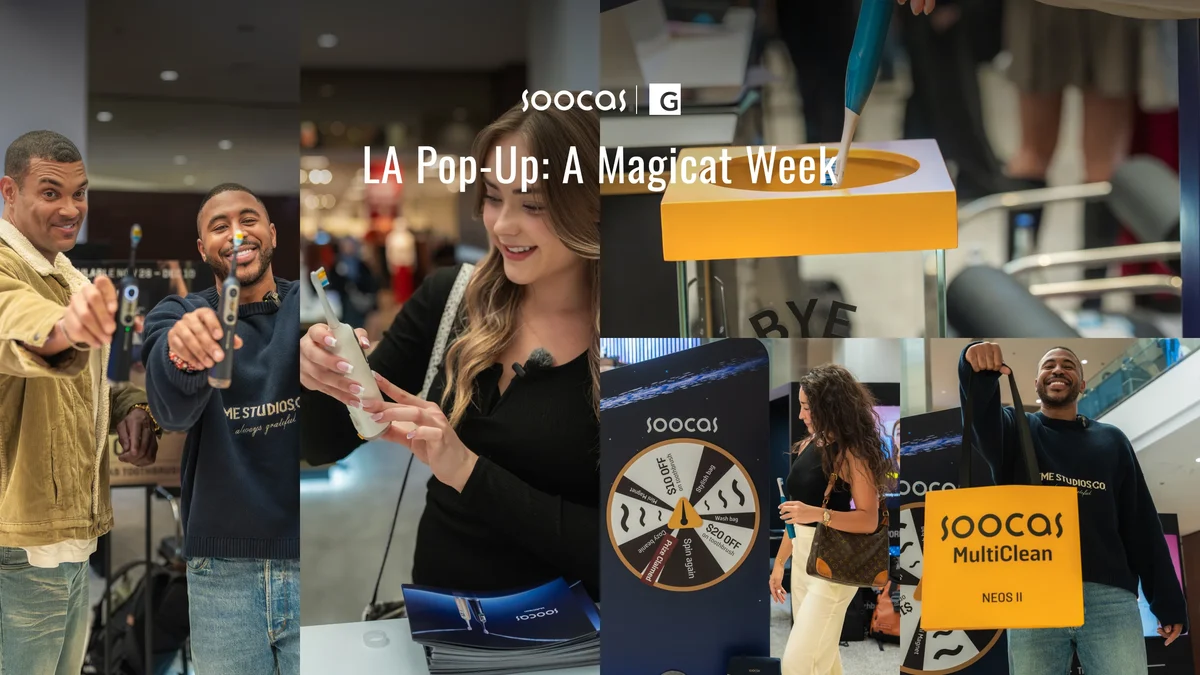
Image source: Google
Final thoughts
Soocas's path actually illustrates a very simple truth:
Overseas markets are not built by a single channel, but by platforms, content, private domain, and offline channels supporting each other layer by layer and working in tandem.
For domestic companies, the difficulty of going global is not finding channels, but whether they are willing to calm down and thoroughly master each channel.
The channels are right in front of them, and the rules are not mysterious. What truly creates the gap is who can polish products until they stand up to comparison, create content that makes people willing to stay, and deliver services that make users willing to repurchase.
The market never lets down those who earnestly make products and solidly build channels; the first step of going out is often more worthwhile than imagined.