 550
After being in the cross-border industry for a long time, you will notice an interesting phenomenon:The bigger the market gets, the harder the business becomes.
There is truth to this. A large number of competitors will continuously pour into the track; if a product has no differentiated selling points and no technology that can solve users' real pain points, it is easy to lose customers and gradually be forgotten by consumers.
To break the deadlock, one can only actively seek change.
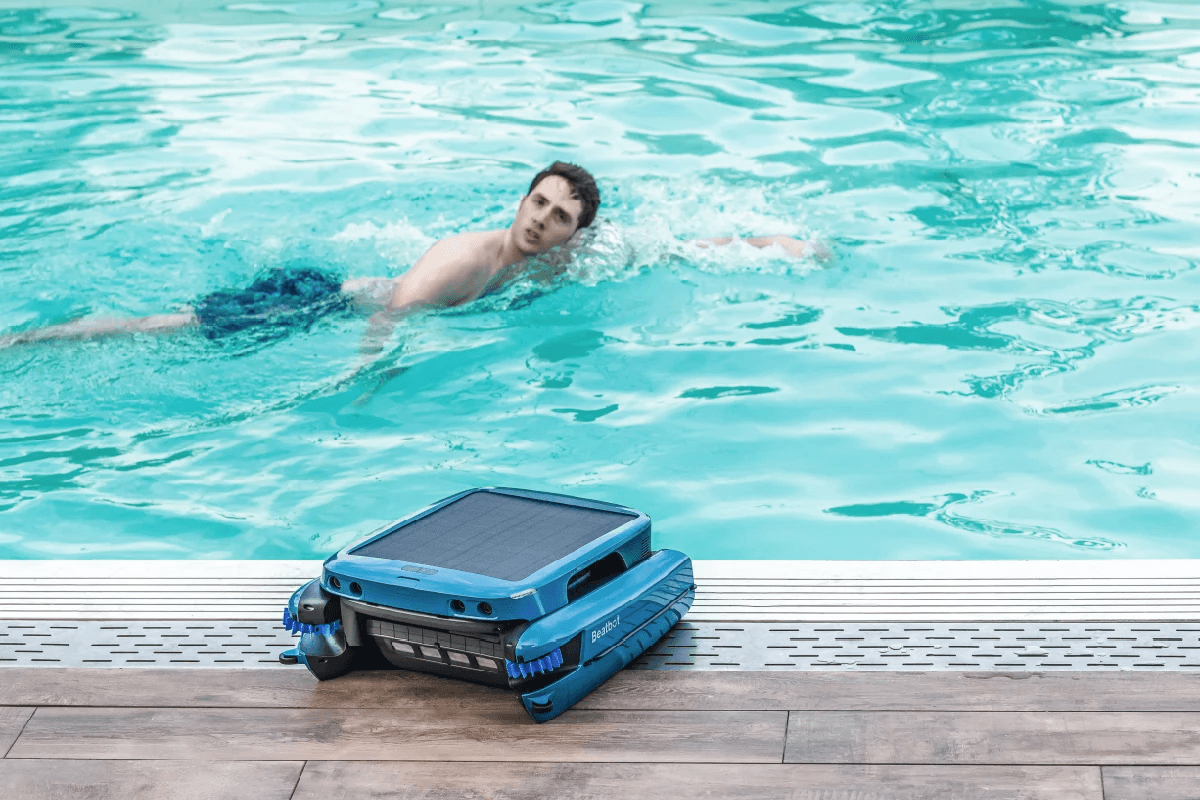
For example, the pool cleaning robots that have become popular overseas in recent years are typical products of this “seeking change” mindset.
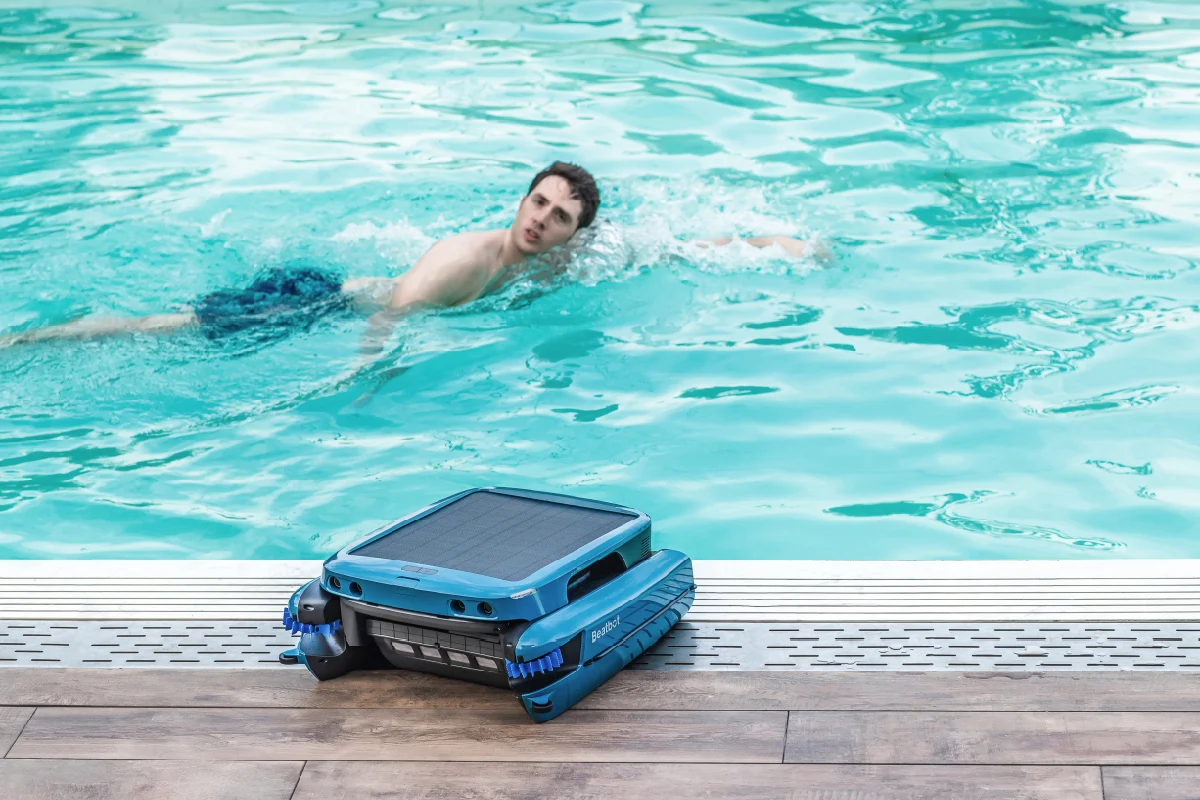
Image source: Google
At present, the global stock of private swimming pools is about 34 million, with core markets concentrated in North America, Europe, and Australia, a considerable scale.
A brand from SuzhouBeatbot, forcefully tore open a gap in this market that had been dominated by established overseas manufacturers for many years. From an ordinary startup,it leaped to become a benchmark for high-end hit products with annual revenue of 450 million。
Its growth path is worth analyzing.
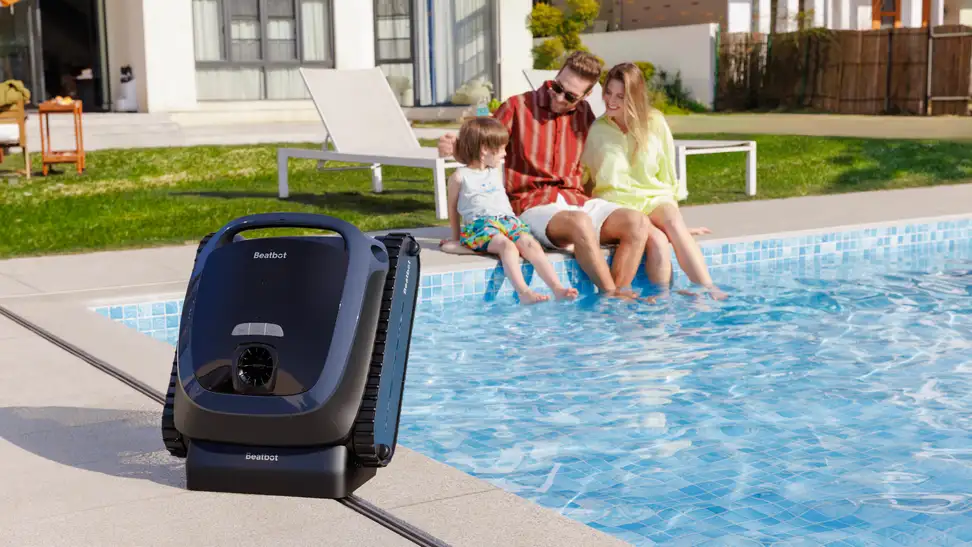
Image source: Google
Dreame co-founder leaves to start a business, focusing on the pool cleaning track
Speaking of Mr. Wang, founder of Beatbot, this post-90s entrepreneur has a solid industry résumé.
He worked deeply in robot vacuums and window-cleaning robots for more than ten years. As co-founder and executive vice president of Dreame, he witnessed the growth of consumer robots from 0 to a scale of billions.
Most people might choose to stay in the familiar red ocean and continue competing, but Mr. Wang made a different choice. He did not continue to enter the severely involuted robot vacuum track; instead, he spent 9 months conducting global market research.
Because the global pool base is large, penetration is low, overseas users have a strong willingness to pay, and product standardization is high, one product can be sold globally without complex regional adaptation like robotic lawn mowers.
After comprehensive consideration, he ultimately locked onto the pool cleaning robot track and officially founded the Beatbot brand in July 2022.
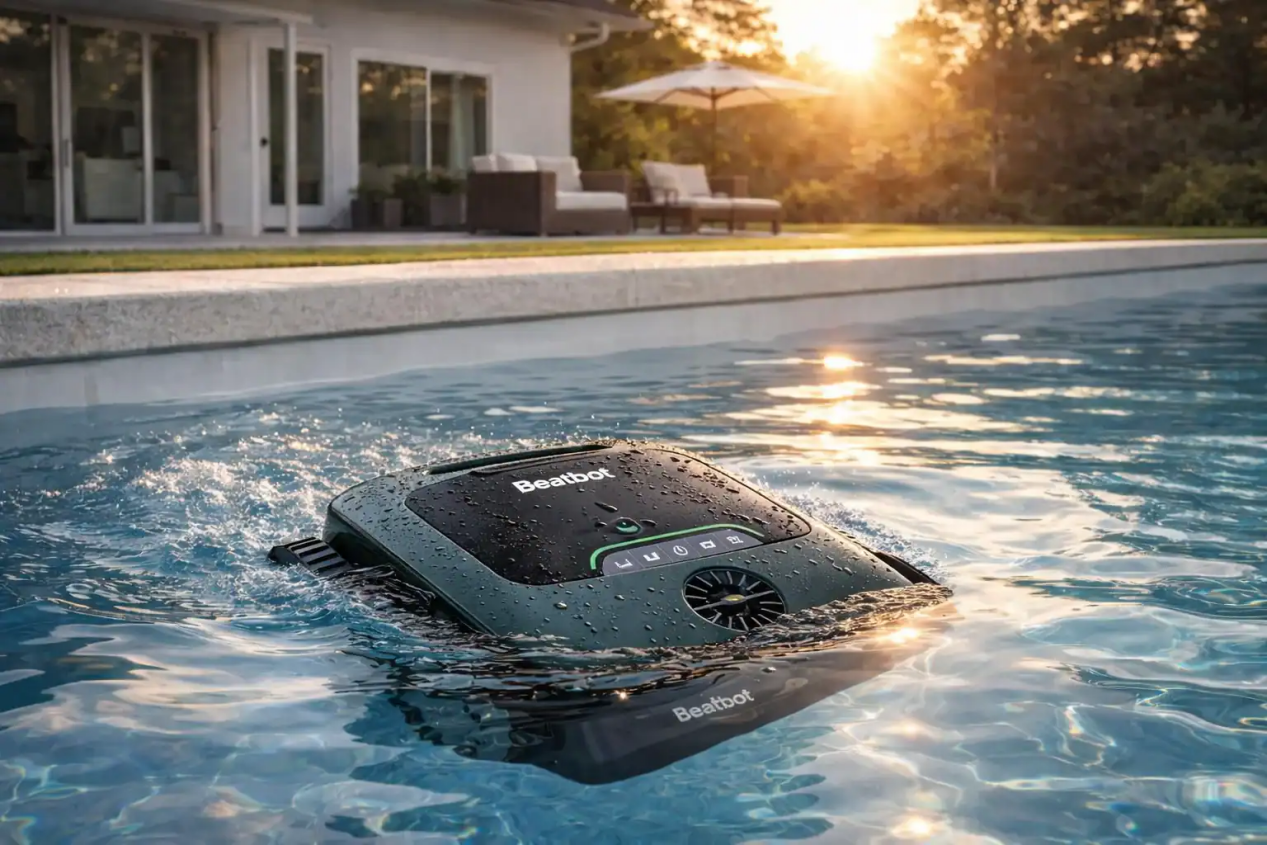
Image source: Google
Users won't tell you what they want, but pain points will give the answer
After the track was selected, the brand did not rush to launch; instead, it settled down to uncover real user pain points.
The team read through 150,000 negative reviews of pool cleaning products on Amazon, and also traveled to the United States to visit over 100 private pool households and conduct in-depth user interviews.
In the research, they found that established overseas manufacturers such as Dolphin and Fluidra have long occupied the market mainstream, but their product iteration pace is slow. Most models only support pool bottom cleaning, have cable entanglement risks, and do not have surface cleaning capability.
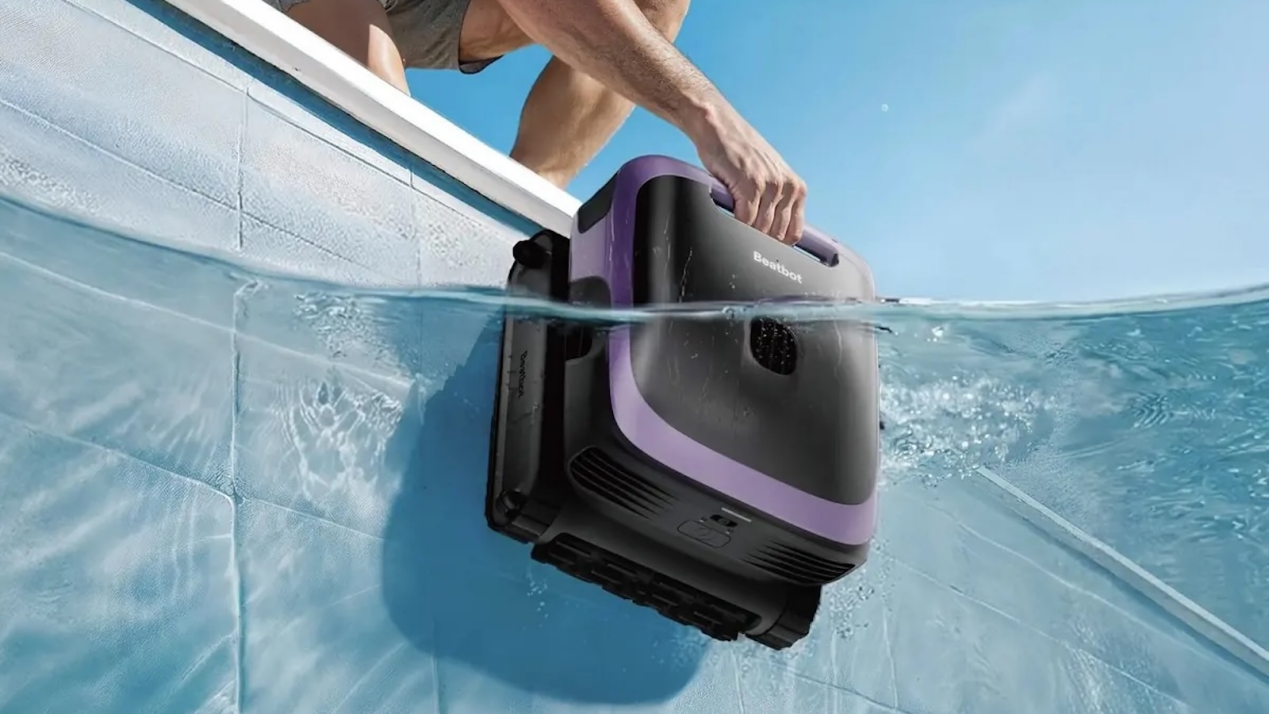
Image source: Google
Beatbot takes this as a breakthrough point and creates differentiated advantages accordingly:
1. Abandon the wired solution and launch a cordless pool cleaning robot;
2. Break away from the limitation of single pool-bottom cleaning, achieve a five-in-one solution covering pool floor, pool walls, waterline, water surface cleaning, and water clarification, and use an all-water-area integrated cleaning solution to differentiate and achieve a single-point breakthrough.
When many peers crowded into the low-price cost-effective track, Beatbot anchored on a high-end full-scenario route and successfully entered the high-premium market with unit prices above a thousand US dollars.
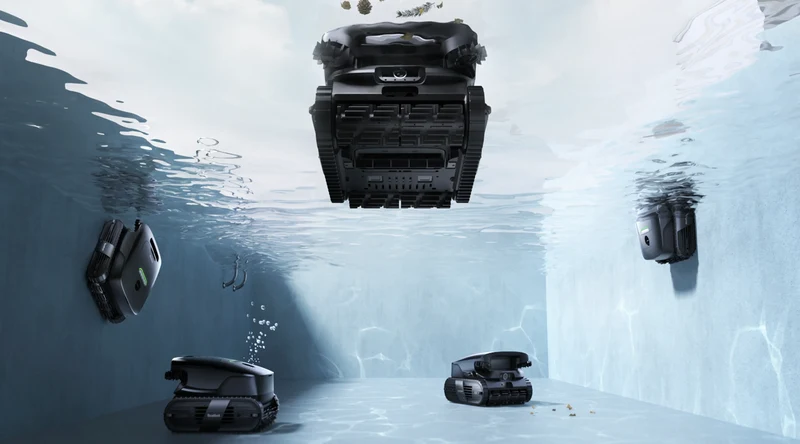
Image source: Google
Amazon fired the first shot, and a multi-platform layout built the growth framework
Amazon is the core battleground for the brand to validate the market and ignite sales in the early stage.
In February 2024, Beatbot launched its first flagship model AquaSense / AquaSense Pro on Amazon, completely breaking the industry's inherent model of only cleaning the pool bottom.
Within 3 months of launch, product sales exceeded US$15 million (approximately RMB 100 million); within half a year of launch, it captured 85% share in Amazon's high-end price segment of US$1,400 and above; for the full year of launch, Beatbot's total revenue reached RMB 450 million.
In September of the same year, the brand also completed a Series A financing jointly led by Anker Innovations.
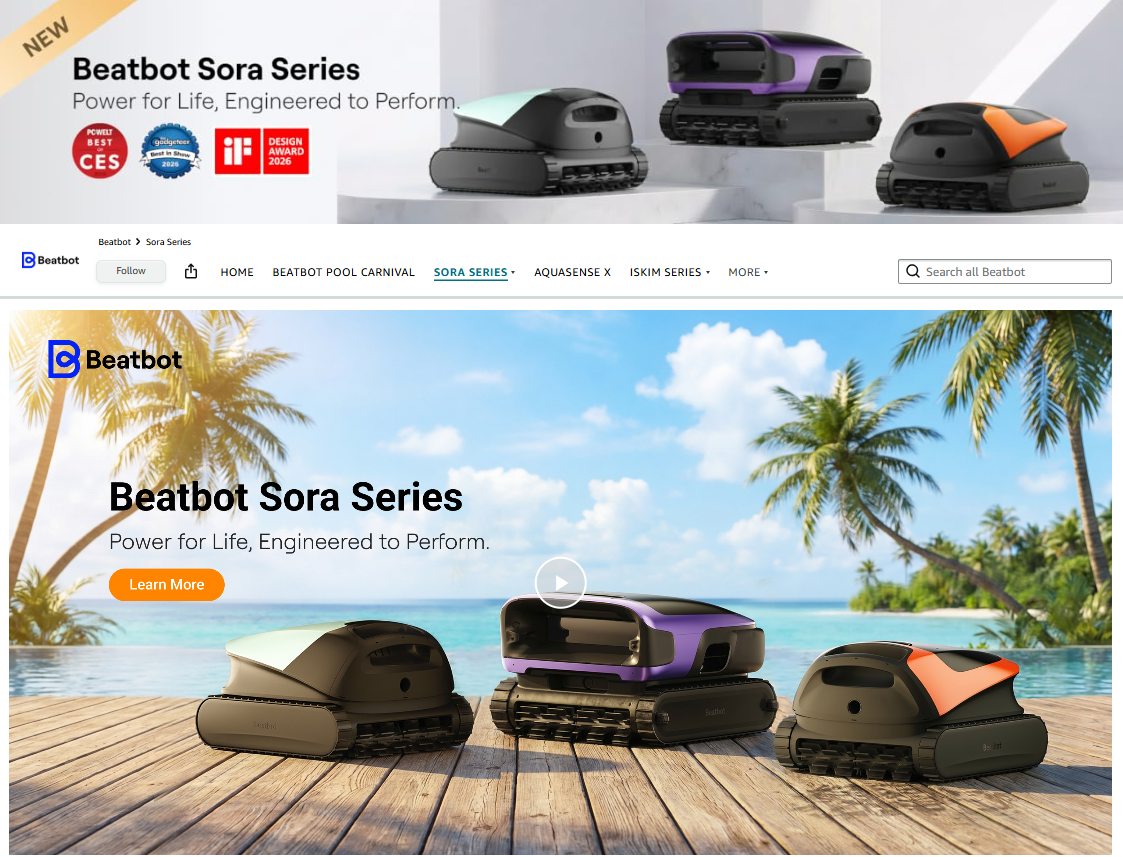
Image source: Amazon
Since then, Beatbot has advanced on two fronts: continuously iterating technology products while expanding sales channels.
Product side:
In January 2025, it launched AquaSense 2 Ultra, positioned as the world's first AI pool cleaning robot, upgrading underwater mapping, irregular pool recognition, and adaptive cleaning modes;
In January 2026, it released AquaSense X, the industry's first model equipped with an automatic filter-bin cleaning base station, greatly reducing users' daily maintenance costs;
At the same time, Beatbot also continued to expand the Sora series, covering entry-level, mid-range, and high-suction versions, building a complete product matrix.
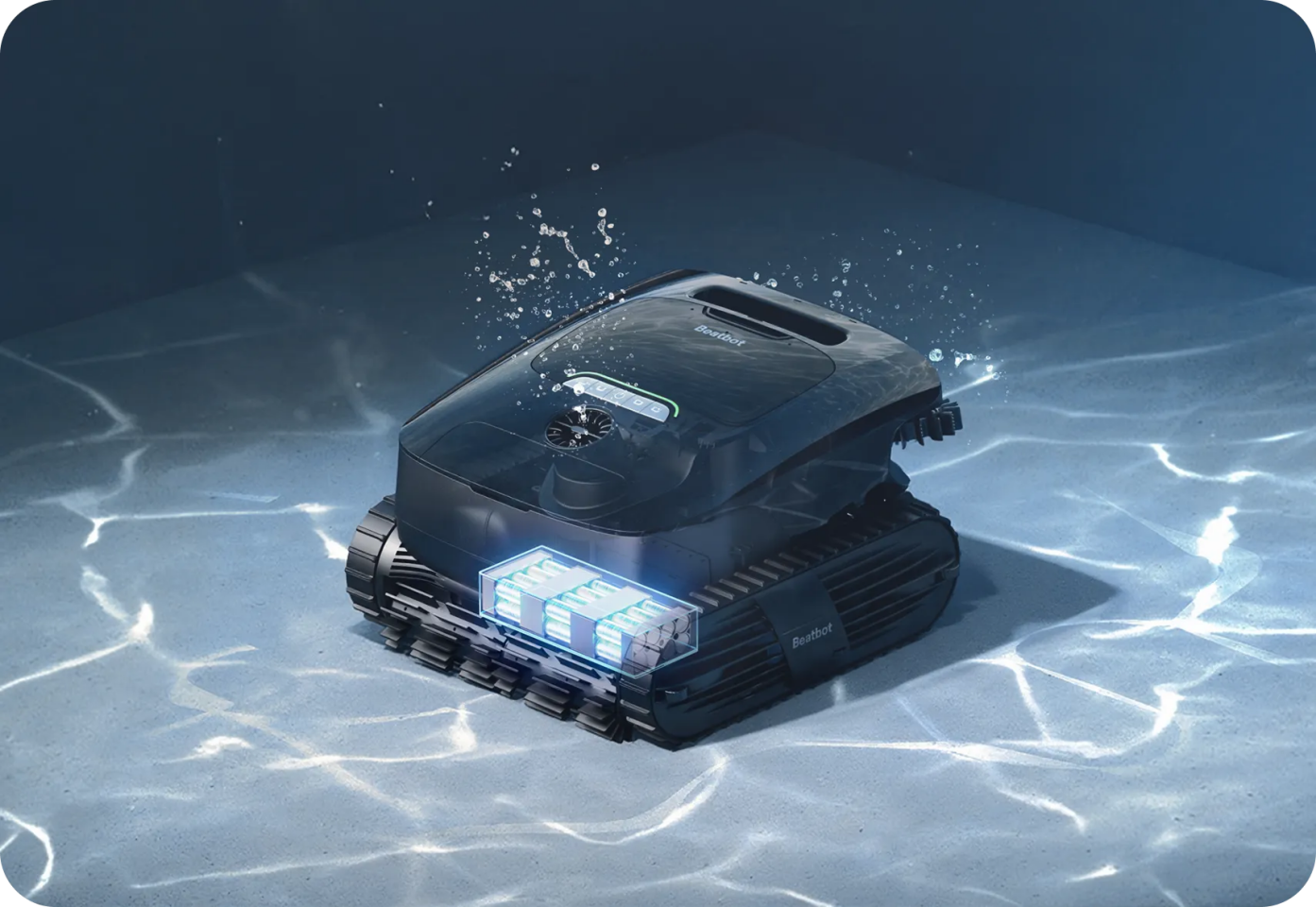
Image source: Google
Channel side:
Beyond Amazon, the brand has successively entered platforms such as eBay and Walmart to supplement distribution; it has also built multilingual independent websites as high-margin positions and private-domain traffic accumulation vehicles. It also opened distribution and dealer cooperation entrances on its website, targeting offline recruitment, forming an offline channel structure dominated by professional pool channels and supplemented by mass retail channels.
As of now, Beatbot's business has covered 38+ countries and regions worldwide, with more than 2,000 offline partner stores.
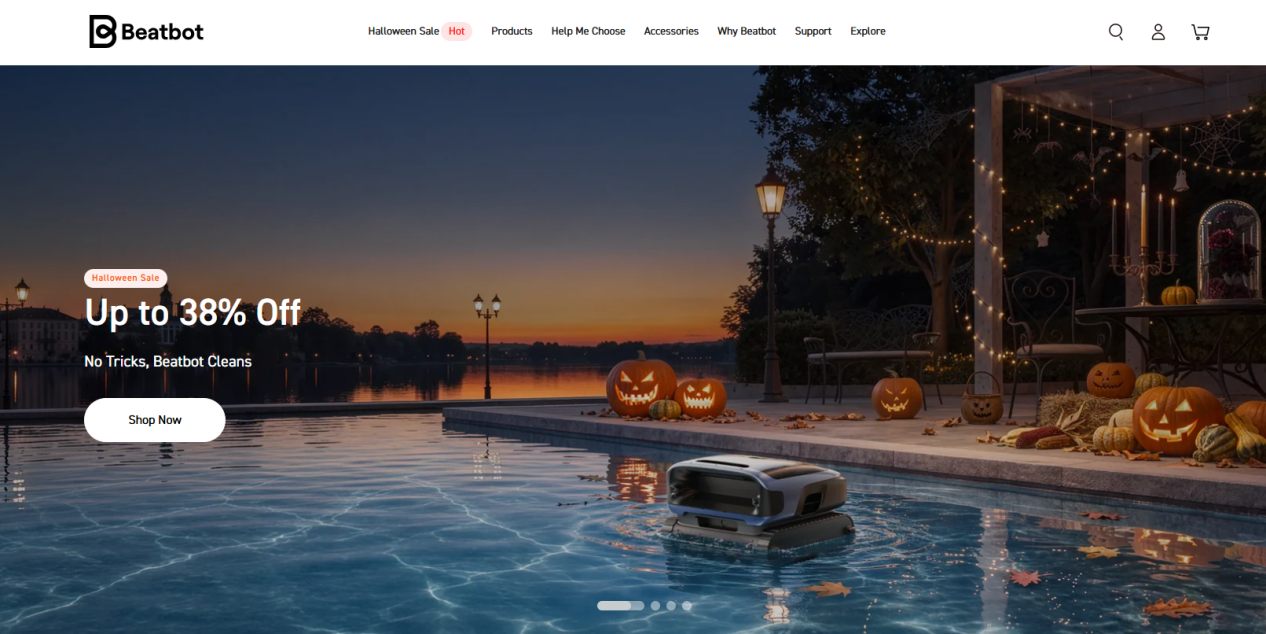
Image source: Beatbot
Organic traffic on TikTok, winning users with real scenarios
In addition, social media marketing is also an important part of Beatbot's continued acquisition of overseas customers. Among them, TikTok is the key platform for it to leverage overseas traffic.
On TikTok, Beatbot's main approach is influencer collaboration promotion.
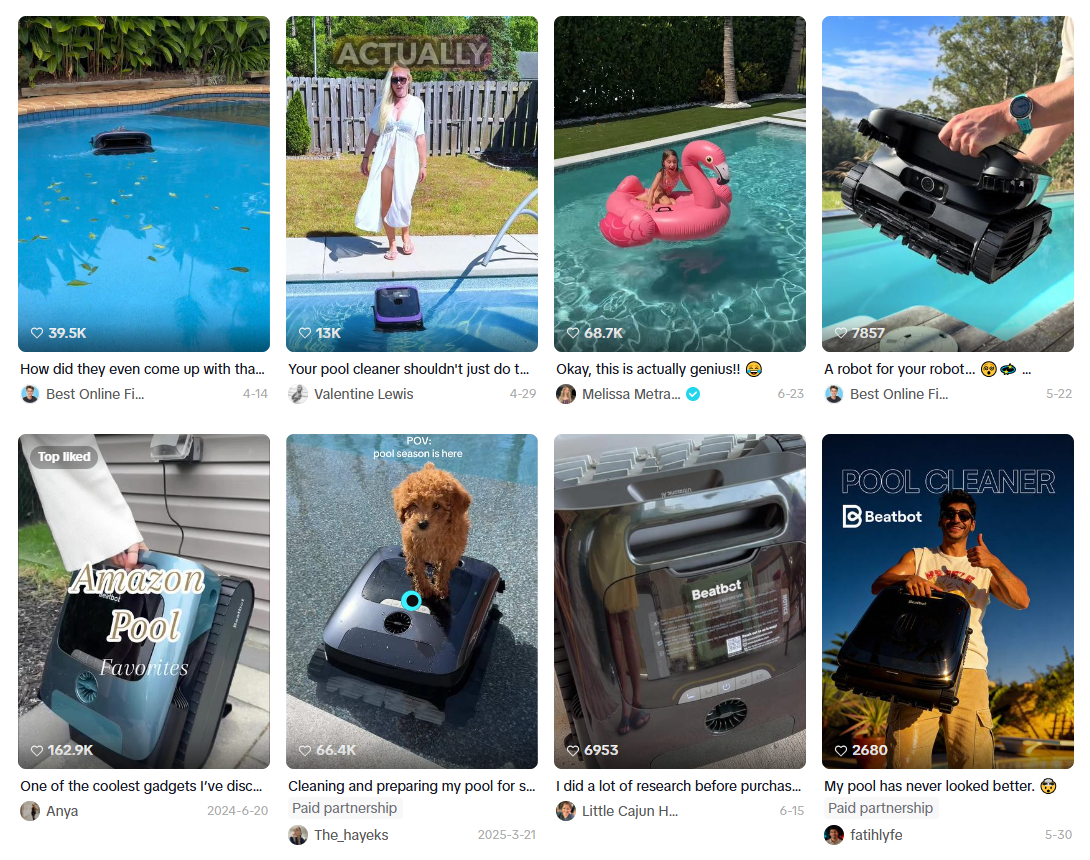
Image source: TikTok
Creators will post short, punchy scenario-based product-seeding videos, mainly focused on strong visual-impact clips such as real-home unboxing, before-and-after dirty pool cleaning comparisons, the machine automatically climbing walls, automatically returning to shore, and floating up on low battery, directly addressing users' core desire to free their hands.
When selecting creators, Beatbot does not insist on top-tier influencers; it prefers highly relevant mid- and small-tier creators in the yard and home verticals, and ordinary family bloggers are also within its collaboration scope.
For example, TikTok home creator @It’s A Need Not A Want once posted a real-world test video of the Beatbot pool cleaning robot, showing the robot's all-around cleaning effect on the water surface, pool floor, and pool walls.
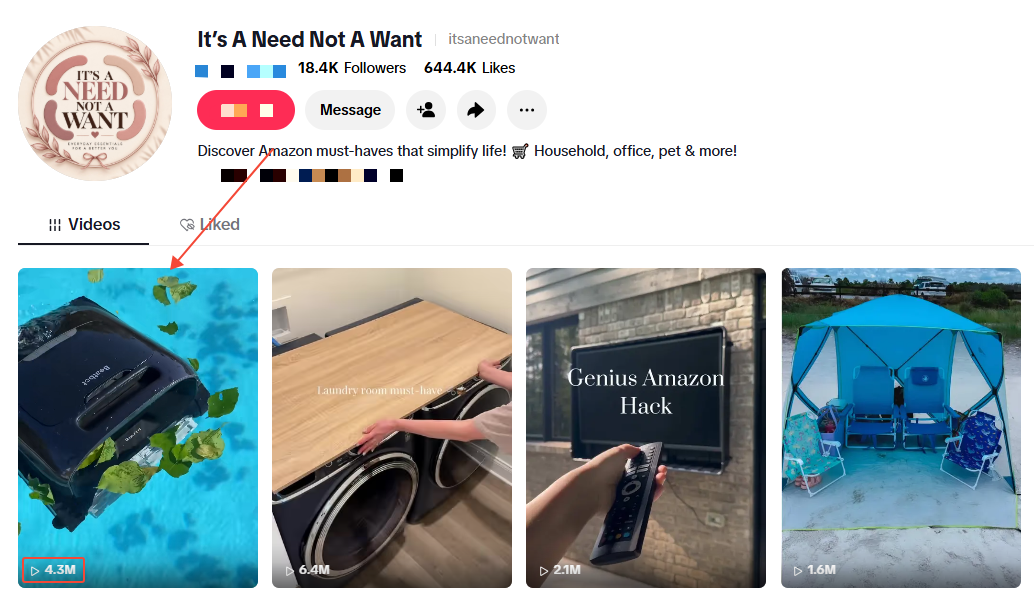
Image source: TikTok
Although the creator did not have many followers—only 18,400—the video delivered standout numbers. Since posting, views have exceeded 4.3 million and likes have reached as high as 184,800.
It can be seen that content shot this way is closer to real backyard life scenarios; while downplaying hardcore technology, it reinforces the life value of saving time and ease, making it easier to retain browsing users and convert them through product seeding.
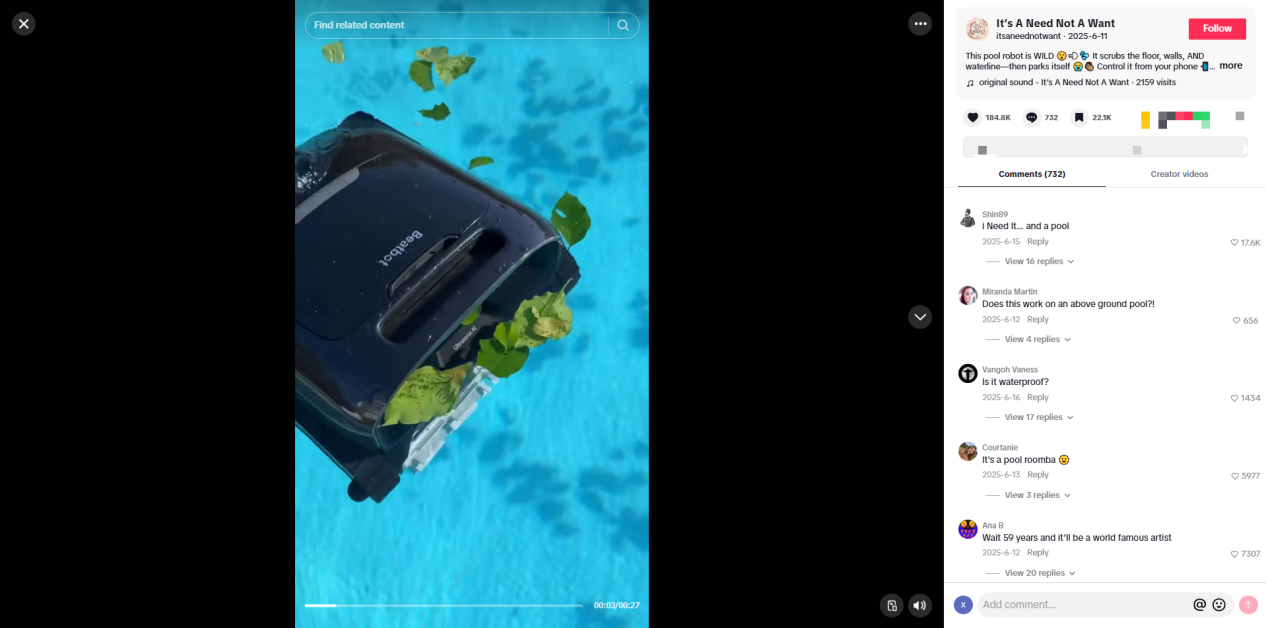
Image source: TikTok
In addition to creator short-video placements, Beatbot also encourages users to spontaneously produce UGC content. A large number of real-use notes continue to flood the feed, aligning with the platform's recommendation logic and continuously pushing content to potential target customers.
This 'word-of-mouth' propagation method, which relies on organic traffic and word-of-mouth viral spread, has controllable costs and very prominent conversion results.
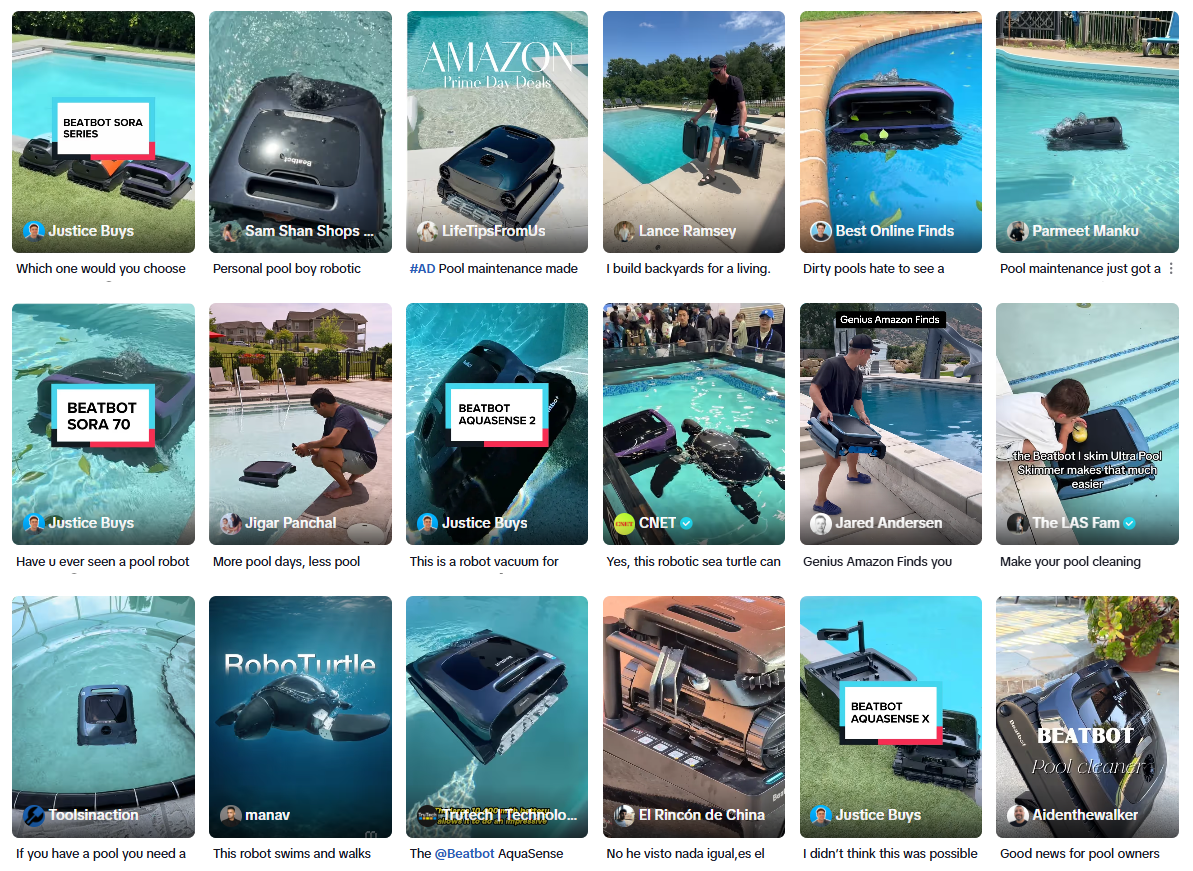
Image source: TikTok
Conclusion
At this point in Beatbot's story, it is no longer just a question of the success or failure of a single brand.
It is more like a signal:In overseas markets, those corners that seem to be fully occupied by established manufacturers still hide a large number of needs that have not been taken seriously.
A strong supply chain is our trump card, but the core question of going global has never been whether we can make it, but whether we understand what users really need.
Whether it is channel layout or social media tactics, in the final analysis, all are built on the premise that 'the product truly solves the problem.'
As competition in the track continues endlessly, only by grasping unmet needs can Chinese brands break through the red ocean and move toward the high end.