 23
Recently, the standalone TikTok Shop app was listed in the app stores of Singapore, Malaysia, Thailand, and the Philippines, with the version number jumping directly to 45.5.5 rather than 1.0.
For practitioners who have long followed the going-global track, the signals behind this listing are far more worth analyzing than the surface action.
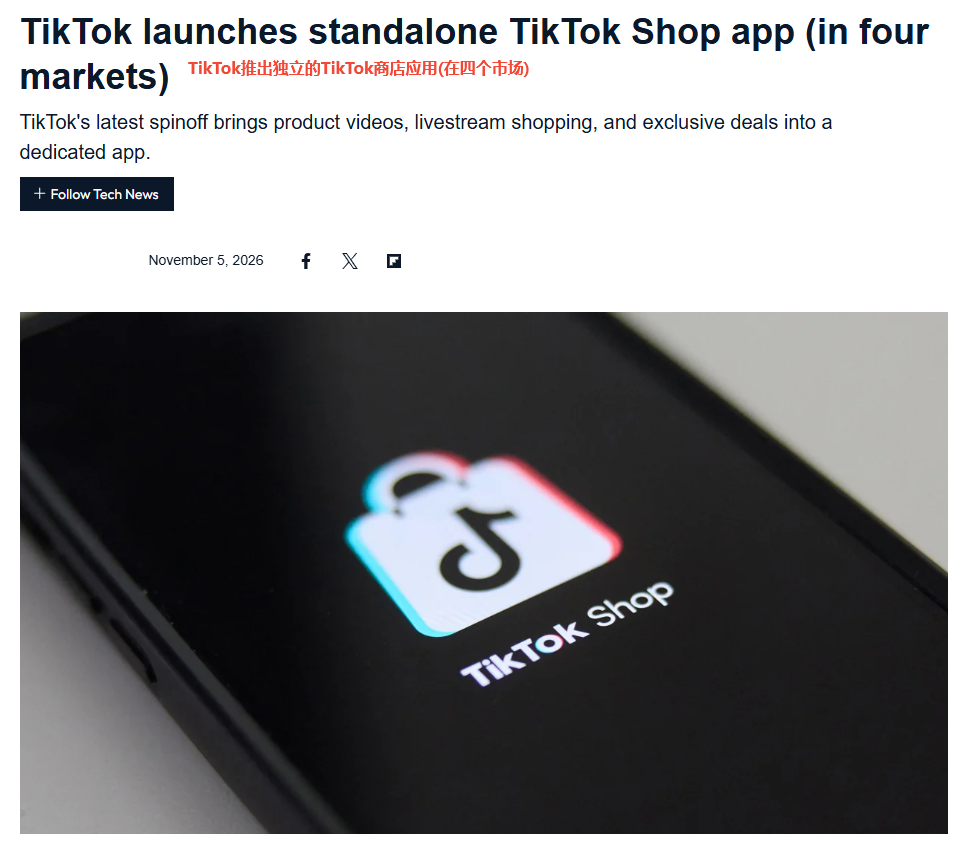
Image source: mashable
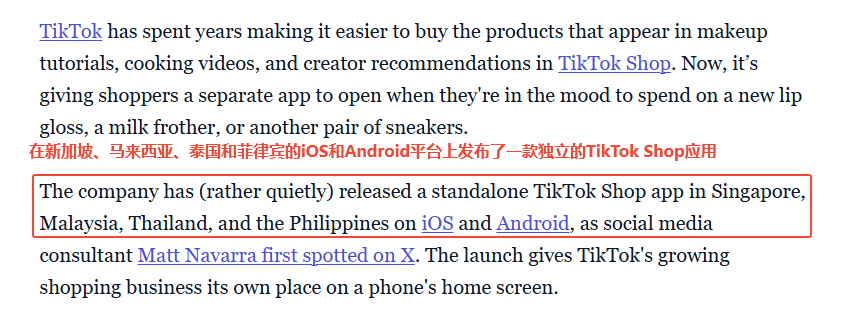
Image source: mashable
Entry migration: from scrolling to buying to searching to buying
The most intuitive change in the standalone App is the reversal of entry logic. Within the TikTok main site, product pages are often the endpoint that receives traffic from the feed; users are moved by content and place orders along the way. But when the standalone App opens, there is a search box and product list, and the product page has changed from an endpoint into a starting point.
Image source: TikTok Shop
This means users come in with clear intent, and whether products can be found and understood becomes the first threshold for conversion.
Title keywords, parameter fields, inventory, and shipping location—these back-end details that were easily overlooked in the past now directly determine whether a product can appear in search results.
More critically, multiple products displayed side by side on the same screen are directly comparable in price, rating, and shipping timeliness. The questions repeatedly asked in comment sections are often the dividing line between conversion and loss. Sellers no longer face only the question of whether content is attractive enough, but whether information is complete and competitive enough.
Field completeness: a new threshold in the search era
Platform tools have already aligned with this standard. In January 2026, TikTok launched List with AI for free in the Southeast Asian merchant back office. Sellers upload product images and write a few selling points, and the system automatically generates titles, categories, product descriptions, and attribute tags.
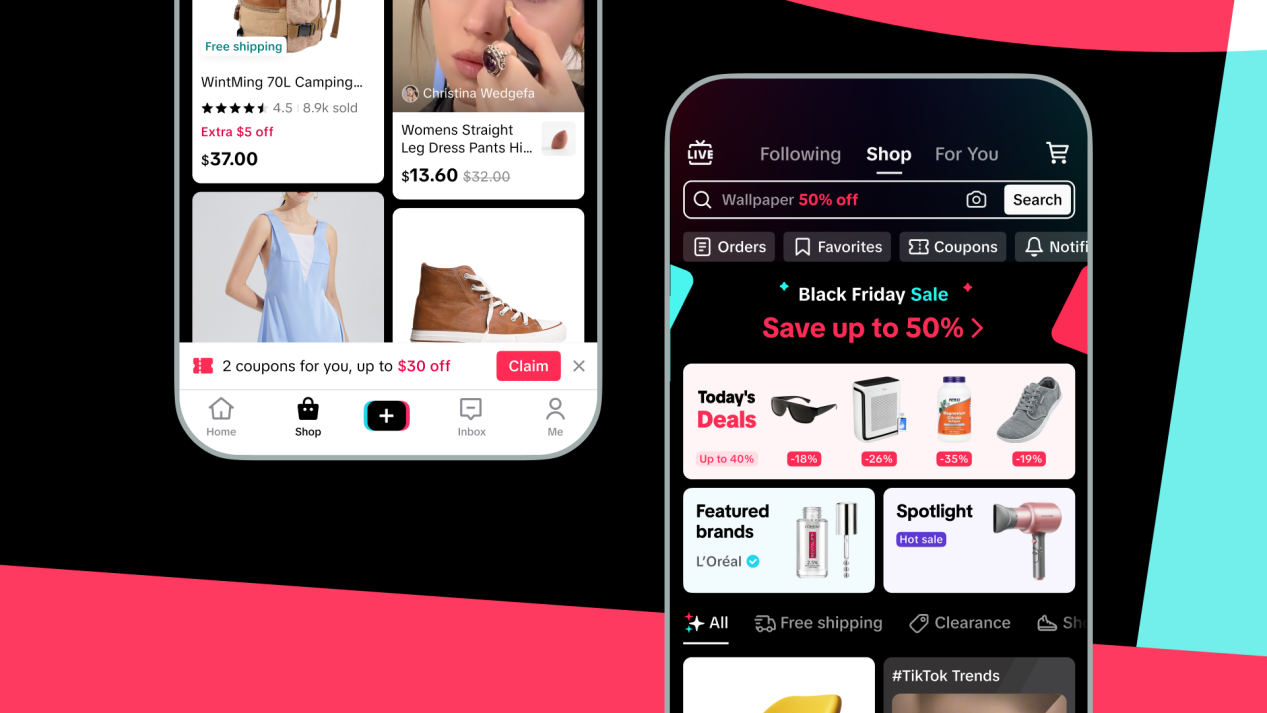
Image source: Google
Official notes say the tool can reduce review rejections caused by missing information and format issues. In practice, standardized products such as apparel, digital accessories, and beauty products have higher generation completeness, while multi-functional or customized products still require manual supplementation of differentiated selling points.
Also launched in the same batch is a product information diagnostic tool, which only checks for missing items and does not evaluate whether they are well written, equivalent to providing sellers with a checkup list.
Seller response: treat filling in fields as a basic operational skill
For sellers, the most direct impact is the shift in operational focus. In the past, under the content e-commerce logic, sellers were more accustomed to putting energy into short-video creativity and livestream scripts, and product page information was often filled in just enough to pass review.
But the search logic of the standalone App requires sellers to re-examine every field: whether the title contains the real search terms users use, whether attribute tags cover key parameters, and whether inventory and shipping location are clear and readable. These details are no longer back-end trivia, but an admission ticket for search ranking.
In terms of response strategy, standardized products can first use List with AI to quickly fill in basic information, then manually polish differentiated selling points; customized or multi-functional products cannot fully rely on tool generation and require manual supplementation of scenario-based descriptions. At the same time, sellers should develop the habit of regularly using diagnostic tools to check for deficiencies and incorporate information completeness into daily operational processes.

Image source: Google
Conclusion
The standalone App's listing in four markets appears to be an entry migration, but in essence it is a key step for TikTok Shop to complete its shelf e-commerce capabilities in the Southeast Asian market.
For sellers, the higher search threshold means additional operational costs in the short term, but in the long run, product pages with complete information and clear descriptions themselves reduce users' decision-making costs and also fight for more opportunities to be found.
When the platform places the search box in front of users, what sellers can do is make their products stand up to being searched, compared, and questioned. After this silent listing, the competitive dimension of Southeast Asian e-commerce is quietly gaining another line.