 2292
2292
Con la rápida popularización de la inteligencia en todo el hogar, las cerraduras inteligentes, como producto central de la seguridad del hogar, están experimentando un período de explosión de la demanda.
SegúnLos datos de fortunebusinessinsights muestran que el valor de mercado estimado de las cerraduras inteligentes globales en 2024 es de 29.1 mil millones de dólares. Se espera que para 2032, el tamaño del mercado de las cerraduras inteligentes globales crezca a 134.4 mil millones de dólares.
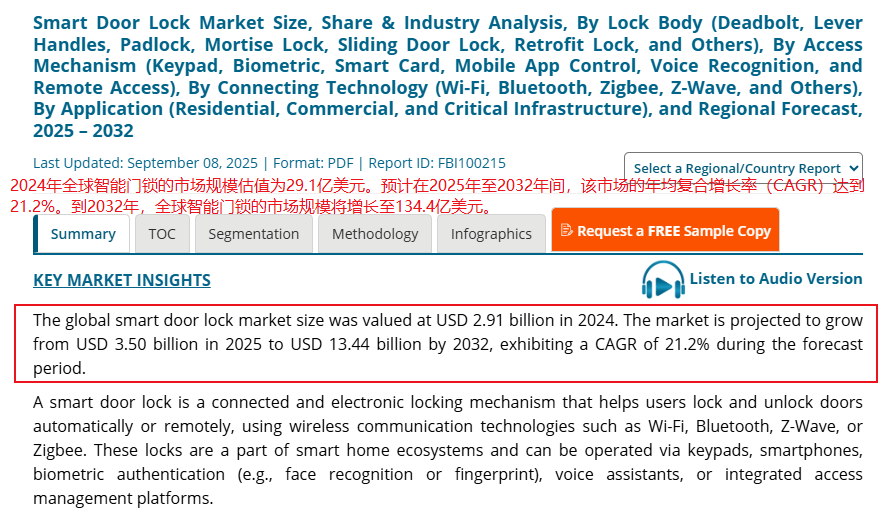
Fuente de la imagen:fortunebusinessinsights
Aunque ahora las cerraduras inteligentes se han convertido en accesorios populares comunes en la vida de las personas, sus escenarios de aplicación se extienden desde el hogar hasta apartamentos, parques industriales, escuelas, hoteles y muchos otros campos, la demanda del mercado continúa creciendo.
Pero si retrocedemos el tiempo aEn 2009, las cerraduras inteligentes seguían siendo un producto de nicho que no se había aplicado ampliamente en los escenarios de vida para la mayoría de los consumidores.
Pero fue precisamente en este período de vacío en el mercado cuando una empresa de Shenzhen, China, percibió la oportunidad, tomando las cerraduras inteligentes como punto de partida, apuntando al segmento de gama media y alta, expandiendo gradualmente el mercado en el extranjero, hasta convertirse en un superventas en el extranjero en esta categoría de nicho.
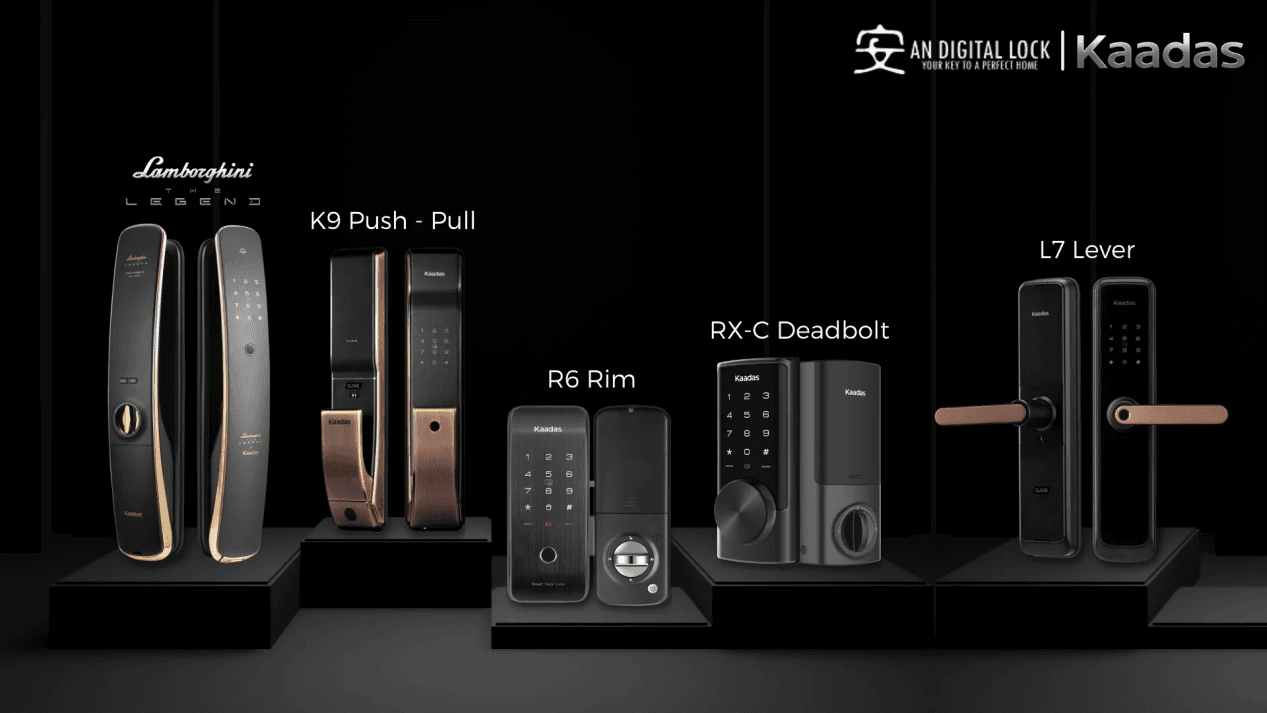
Esta empresa esla marca de cerraduras inteligentes de ShenzhenKaadas (凯迪仕)。
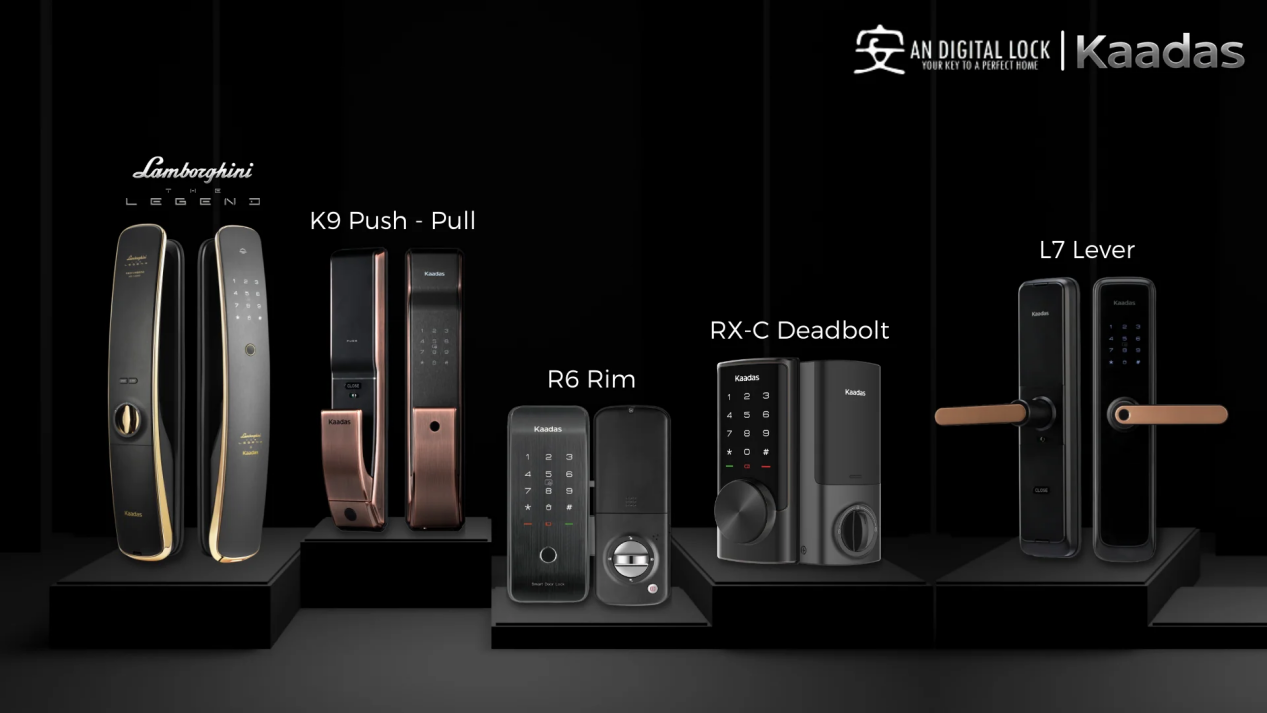
Fuente de la imagen:Google
Se informa que la marca enEn 2021, sus ingresos superaron los 2 mil millones de yuanes, y ese mismo año completó una ronda de financiación Serie B por un monto cercano a los 100 millones de dólares, estableciendo un récord de financiación en la industria de las cerraduras inteligentes.
Luego, enEn 2022, completó una ronda de financiación Serie C por hasta 600 millones de yuanes, con un fuerte impulso de desarrollo.
Hoy en día,Los productos de Kaadas (凯迪仕) han cubierto 36 países y regiones en todo el mundo, con ventas acumuladas que superan los 10 millones de unidades, atendiendo a más de 6 millones de usuarios, y han logrado el primer lugar en ventas globales de cerraduras inteligentes de alta gama, siendo una marca de superventas muy popular en este segmento.
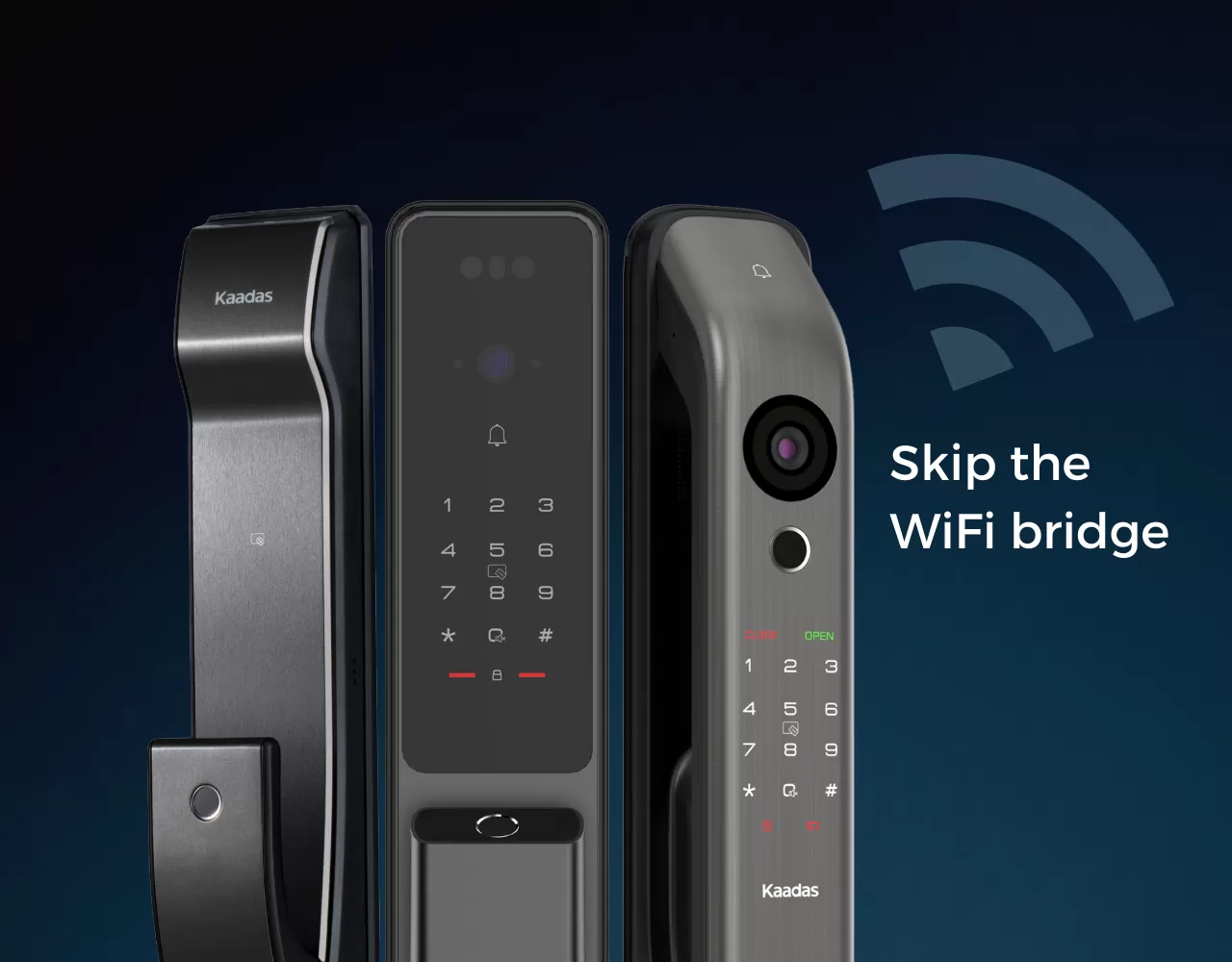
Fuente de la imagen:Kaadas
De las cerraduras mecánicas a las cerraduras inteligentes:La evolución de la marca Kaadas
Según se sabe,La historia de la marca Kaadas (凯迪仕) comenzó en la década de 1980.
El fundador, el Sr. Su, ya enEn 1988 ingresó en la industria de las cerraduras, inicialmente con cerraduras mecánicas como negocio principal. Para 2004, las ventas totales de productos de la empresa superaron los 20 millones de unidades, alcanzando una escala de cientos de millones.
En 2005, el Sr. Su, durante un viaje de negocios a Alemania, conoció las cerraduras inteligentes de alta gama locales y juzgó que este producto tenía un enorme potencial en la seguridad del hogar futura, por lo que decidió cambiar de rumbo al regresar a China y comenzar a desarrollar productos de cerraduras inteligentes.
En 2009, el Sr. Su fundó oficialmente la marca Kaadas (凯迪仕), centrándose en la investigación, desarrollo y producción de cerraduras inteligentes de alta gama.

Fuente de la imagen:Kaadas
Sin embargo, el desarrollo de la marca no fue todo tranquilo. A medida que la competencia en el mercado nacional de cerraduras inteligentes se intensificó,Kaadas enfrentó presión de crecimiento en un momento.
El punto de inflexión se produjo en2017, después de la transición entre la vieja y nueva gerencia de la empresa, ese mismo año Kaadas lanzó el nuevo producto de la serie K7 de nivel de miles de yuanes, e invitó a la actriz Liu Tao como portavoz, mientras aumentaba la exposición de la marca en canales efectivos como trenes de alta velocidad y aeropuertos.
Estas accionesabrieron el mercado nacional para la marca Kaadas, logrando que sus ingresos en 2017 alcanzaran los 330 millones de yuanes, saliendo del valle de desarrollo de la marca.
En los años siguientes, la empresa entró en una fase de rápido desarrollo. En2021, los ingresos totales anuales superaron los 2 mil millones de yuanes de una sola vez.

Fuente de la imagen:Kaadas
Después de tener éxito en el mercado nacional,Kaadas comenzó a expandirse en el extranjero. A diferencia de las tácticas del mercado nacional, Kaadas adoptó una estrategia adaptada a las condiciones locales al salir al extranjero.
Ante los altos requisitos de protección de privacidad en el mercado estadounidense,Kaadas lanzó la 'cerradura estándar estadounidense' que cumple con los estándares locales, volviendo a funciones básicas como contraseñas y llaves.
Mientras que en el mercado del sudeste asiático, debido a la diversidad lingüística,Kaadas realizó ajustes específicos a sus productos, equipando sus cerraduras inteligentes con un sistema de control por voz que admite más de diez idiomas locales principales como indonesio, tailandés, vietnamita, mejorando la facilidad de uso y aceptación del producto.
Precisamente esta estrategia de adaptación local hizo quelos productos de Kaadas fueran apreciados por muchos consumidores en el extranjero.
Marketing en redes sociales: hacer que los consumidores extranjeros veanKaadas
En el mercado extranjero, solo confiar en la estrategia de productos adaptada localmente no es suficiente; cómo hacer que los consumidores objetivo conozcan y confíen en la marca es un problema que las empresas que salen al extranjero deben resolver.
ComoLa marca Kaadas eligió aprovechar el poder de plataformas de redes sociales como TikTok y YouTube, mediante una promoción y marketing contundentes, para mostrar sus productos de una manera más cercana a los usuarios.
TikTok: usar contenido contextual para acercarse a los usuarios
EnTikTok, la marca Kaadas se enfoca en acercarse a los usuarios mediante escenas cotidianas.
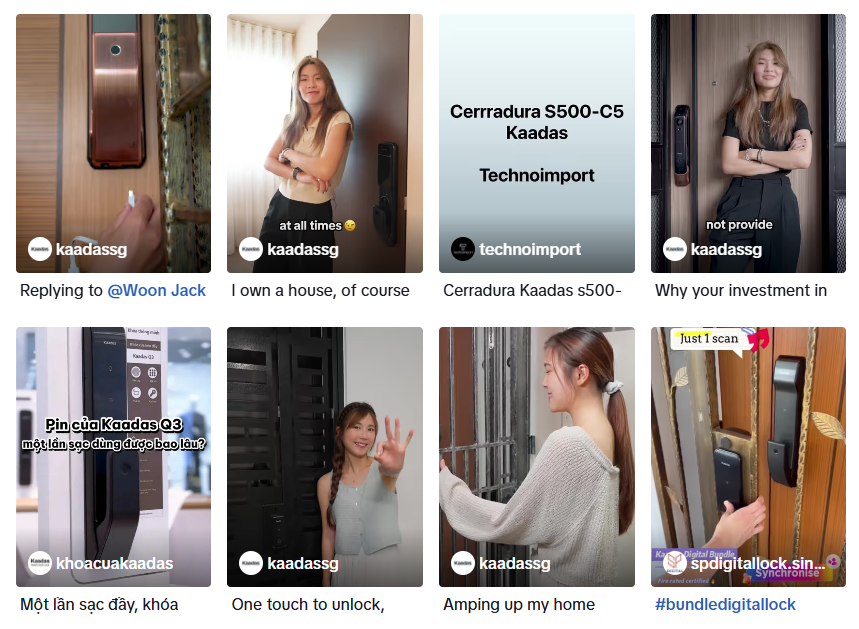
Fuente de la imagen:TikTok
Por ejemplo, un video que muestrael video de la cerradura inteligente Kaadas K20, que demuestra cómo los usuarios pueden ver en tiempo real lo que sucede afuera de la puerta a través de la aplicación del teléfono, registrar información de visitantes y admitir múltiples métodos de apertura como huella dactilar, contraseña y llave.
Hasta ahora, este video ha obtenido casi500,000 visualizaciones, y muchos usuarios preguntan en los comentarios sobre el precio y el modo de operación específico, mostrando una fuerte intención de compra:
“¿Con un toque ligero, el teléfono puede abrir la puerta?”
“¿Puedo saber el precio de esto?”
Se puede ver que este tipo de contenido de video cercano a la vida permite a los usuarios potenciales sentir intuitivamente la utilidad del producto, lo que ayuda mucho a promover la conversión de compra.
YouTube: reseñas profesionales aumentan la credibilidad del producto
EnYouTube, la marca Kaadas opta por colaborar con bloggers tecnológicos para mostrar las ventajas técnicas del producto mediante reseñas profesionales.
Como el blogger tecnológicoShawn Koh colaboró con la marca Kaadas para grabar un video de reseña de la cerradura inteligente Kaadas K9.
Hasta ahora, este video ha alcanzado10,000 visualizaciones.
En este video, el bloggerShawn Koh probó detalladamente los 5 métodos de apertura del producto, que incluyen reconocimiento de huella dactilar, ingreso de contraseña, tarjeta, contraseña temporal autorizada de forma remota y llave física,y llevó acaborespuestas
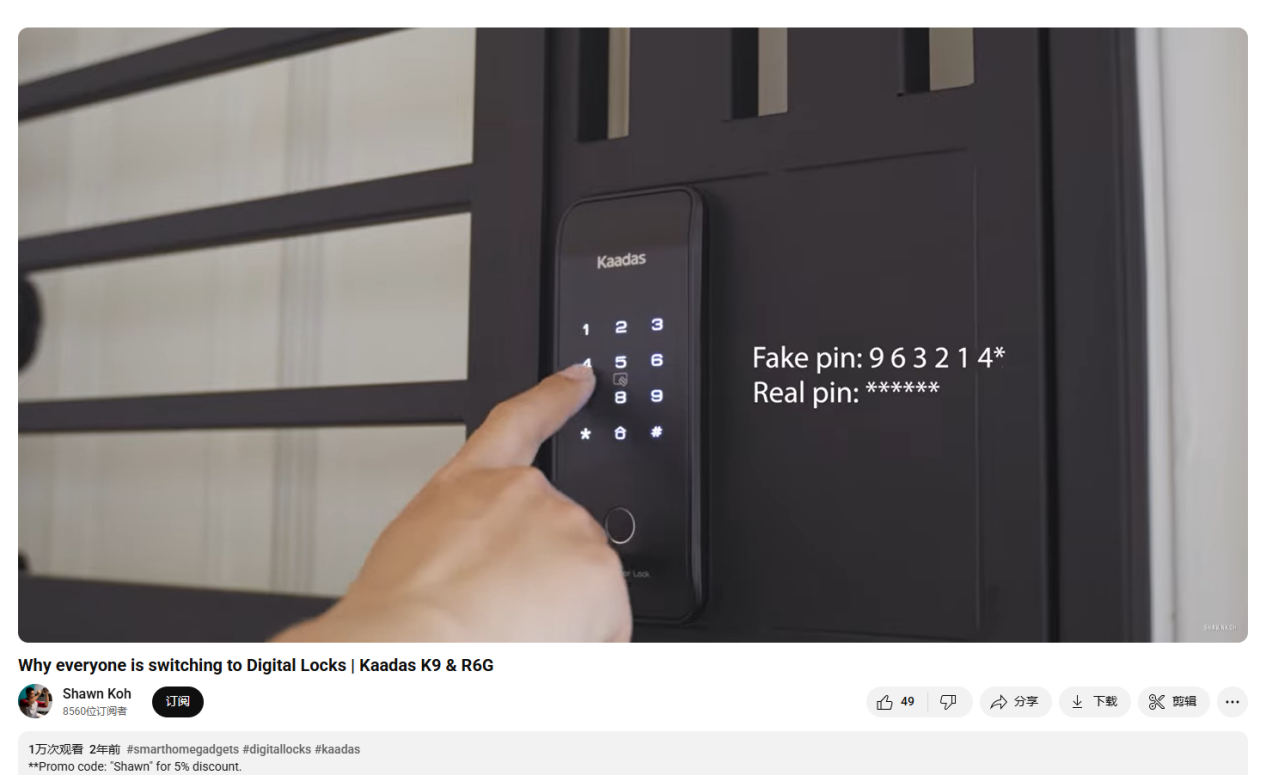
Fuente de imagen:YouTube
Establecer un sitio web independiente para mejorar la autonomía de la marca
Además derealizar un marketing diferenciado en plataformas de redes sociales,KaadasLa marca también construyóyael sitio web independiente de la marca. El sitio web utilizahatonos simples de blanco, negro y gris, destacando la funcionalidad y la tecnología del producto.
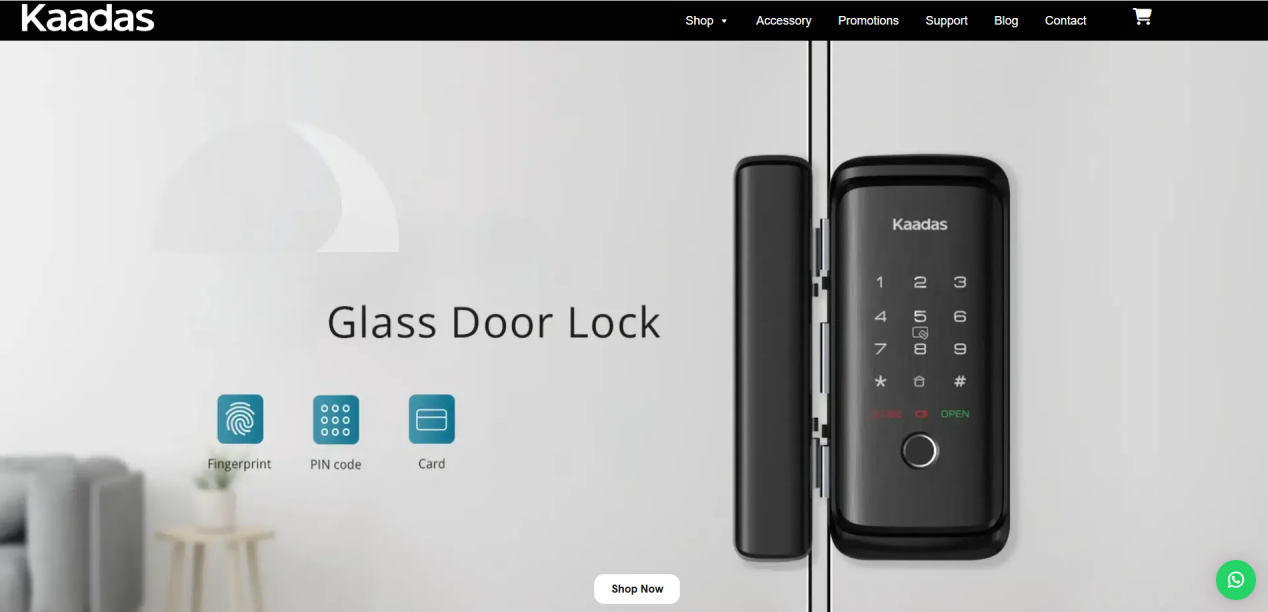
Fuente de imagen:Kaadas
En la página de inicio del sitio web independiente,la marca Kaadas ha configurado una sección de funciones, mostrando directamente a los usuarios potencialesreconocimiento facial, desbloqueo por huella dactilar,control por APP y otros puntos de venta clave, lo que permite a los usuarios potenciales conocer rápidamente las múltiples funciones del producto.
Para los usuarios que compran en el sitio web independiente, la marca también ofrece servicios de instalación y postventa, lo que ayuda mucho a aumentar la simpatía del usuario.
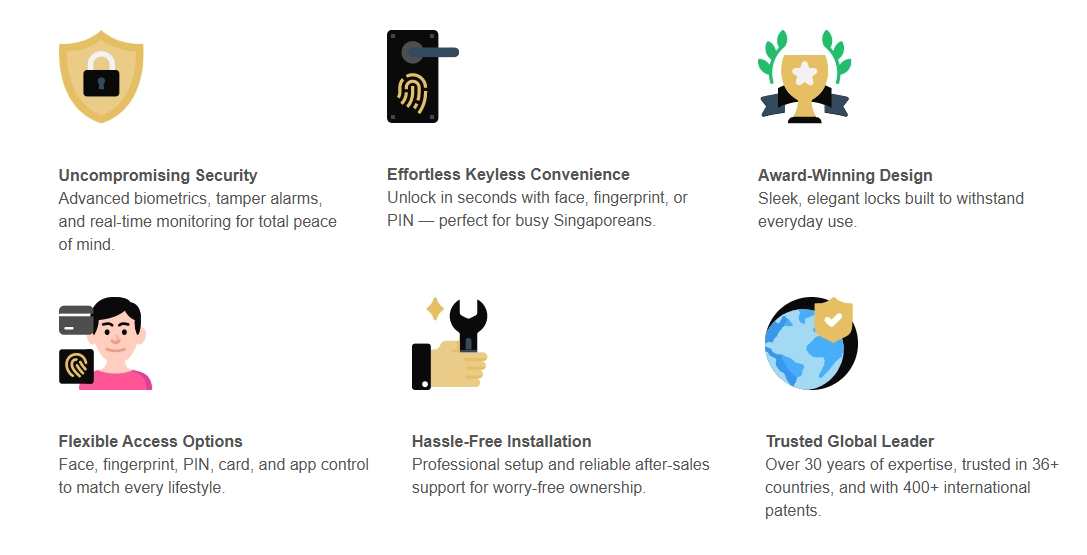
Fuente de imagen:Kaadas
Además, en el sitio web independiente también se puede ver la sección de reseñas de usuarios. Estos comentarios reales dejados por consumidores después de usar el producto también ayudan a disipar las dudas de compra de los usuarios potenciales y a convertirlos en pedidos.
Por lo tanto, al realizar promociones en el extranjero, también se puede comola marca Kaadas, a través de la combinación de sitio web independiente + redes sociales, crea un ciclo completo desde la adquisición de tráfico hasta la retención de usuarios, obteniendo así más pedidos en el extranjero.

Fuente de imagen:Kaadas
Conclusión
La trayectoria de Kaadas en el extranjero confirma una lección:Una exitosa expansión global requiere un respaldo estratégico sistemático.
El pensamiento de localización que la marca muestra a nivel de producto, la capacidad de adaptación de contenido a nivel de comunicación, y el sistema de operación autónomo construido a nivel de canal, conforman conjuntamente el marco central de su estrategia de expansión internacional.
Aunque la competencia en el mercado global es intensa, casos comoKaadas demuestran que, con la estrategia correcta y una ejecución sólida, las marcas chinas tienen plena capacidad para tener éxito en los mercados extranjeros.
Para las empresas que están considerando expandirse al extranjero, la clave está en iniciar un despliegue sustancial y mejorar continuamente las estrategias operativas globales a través de la práctica en el mercado.