 2229
222901
La croissance robuste de l'économie mondiale des animaux de compagnie
Avec l'expansion continue du marché des animaux de compagnie, l'économie mondiale des animaux de compagnie connaît une croissance sans précédent. En 2022, la taille du marché des animaux de compagnie a atteint 235,3 milliards de dollars, et devrait croître à un taux annuel moyen de 5,92 % au cours des dix prochaines années.
Cette tendance à la croissance ne se limite pas aux marchés européens et américains ; la demande dans d'autres régions comme l'Asie du Sud-Est et l'Amérique du Sud augmente également rapidement.
Par exemple, aux Philippines, un shampooing pour animaux de compagnie appelé« Vunguard Madre de Cacao » est devenu populaire en raison de sa praticité, et14 400 bouteilles ont été vendues en un seul mois, démontrant le potentiel énorme des marchés émergents pour les produits de soins pour animaux de compagnie.
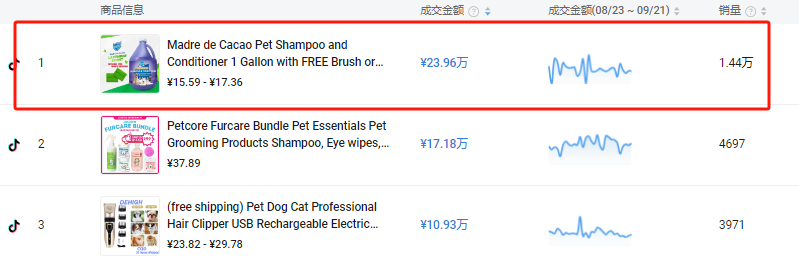
Source des données : Kalodata
Sur le marché américain, en particulier pendant les périodes de fêtes, les ventes de divers produits pour animaux de compagnie augmentent également fortement. Par exemple, en 2023, la valeur marchande des vêtements et accessoires pour animaux de compagnie a dépassé 490 millions de dollars.
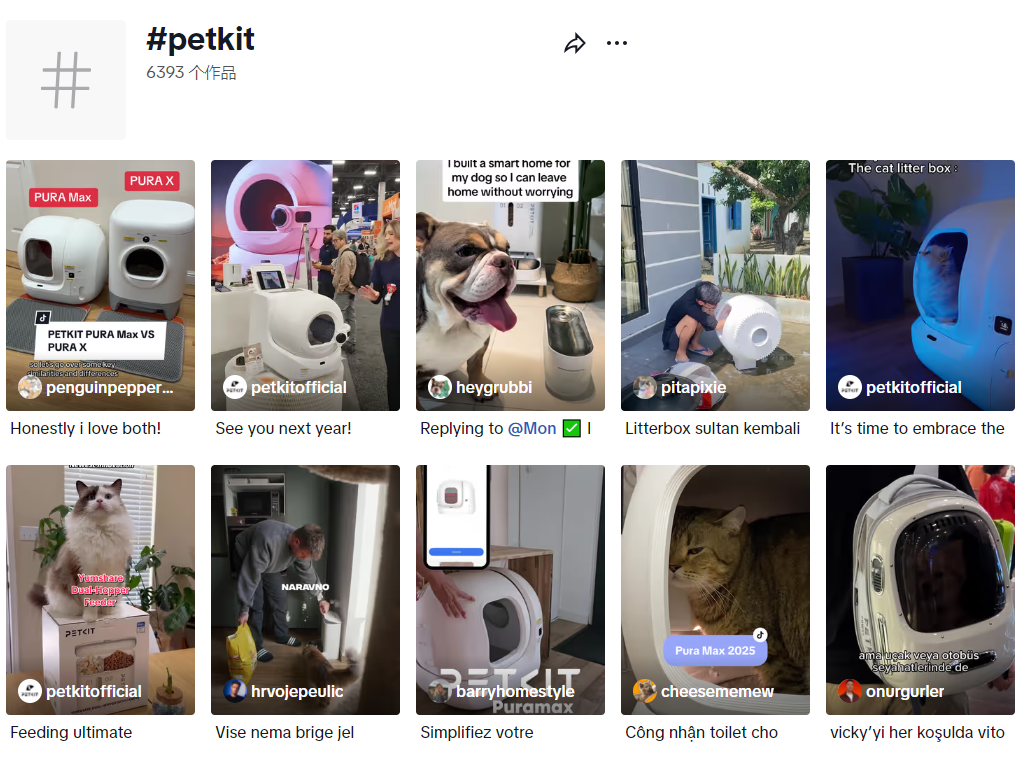
Si le succès des produits saisonniers comme les costumes d'Halloween pour animaux de compagnie met en évidence une forte demande de consommation saisonnière, la popularité continue des produits intelligents pour animaux de compagnie, tels que les fontaines à eau et les distributeurs de nourriture intelligents de Petkit, montre l'attrait des technologies de pointe pour améliorer la qualité des soins aux animaux.
Et ce sont les jeunes consommateurs qui animent ce marché.
Avec le temps, les générations nées après 2000 et la génération Z deviennent les principaux consommateurs. Par rapport à la génération précédente, leurs habitudes de consommation ont changé : ils sont prêts à dépenser davantage pour leurs animaux de compagnie, les considérant comme des membres de la famille et en prenant soin avec attention. Cette émotion stimule la demande de produits de soins haut de gamme et de compléments de santé.
Ainsi, les aliments biologiques de haute qualité, l'assurance pour animaux de compagnie et les produits de soins de santé deviennent des choix populaires sur le marché.
02
Les réseaux sociaux stimulent les nouvelles tendances de consommation sur le marché des animaux de compagnie
Avec l'essor des réseaux sociaux comme TikTok, les marques d'animaux de compagnie ont rapidement accumulé une large base de fans et une grande visibilité grâce aux vidéos courtes. Par exemple, la marque de soins pour poils d'animaux Neakasa est devenue un habitué des listes de produits populaires grâce au marketing vidéo et aux collaborations avec des influenceurs sur TikTok.
Cette approche, qui combine l'interaction des utilisateurs avec le marketing produit via les plateformes de réseaux sociaux, augmente non seulement l'exposition de la marque, mais stimule également une croissance significative des ventes.
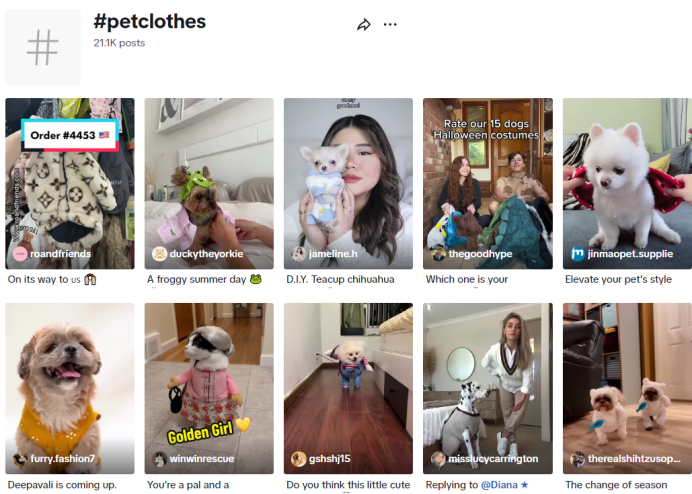
Un autre exemple de succès similaire concerne les vêtements pour animaux de compagnie. À l'approche de fêtes comme Halloween et Noël, de nombreux propriétaires d'animaux partagent sur TikTok des vidéos amusantes de leurs animaux portant des costumes de fête, suscitant une forte interaction et un grand intérêt de la part des utilisateurs.
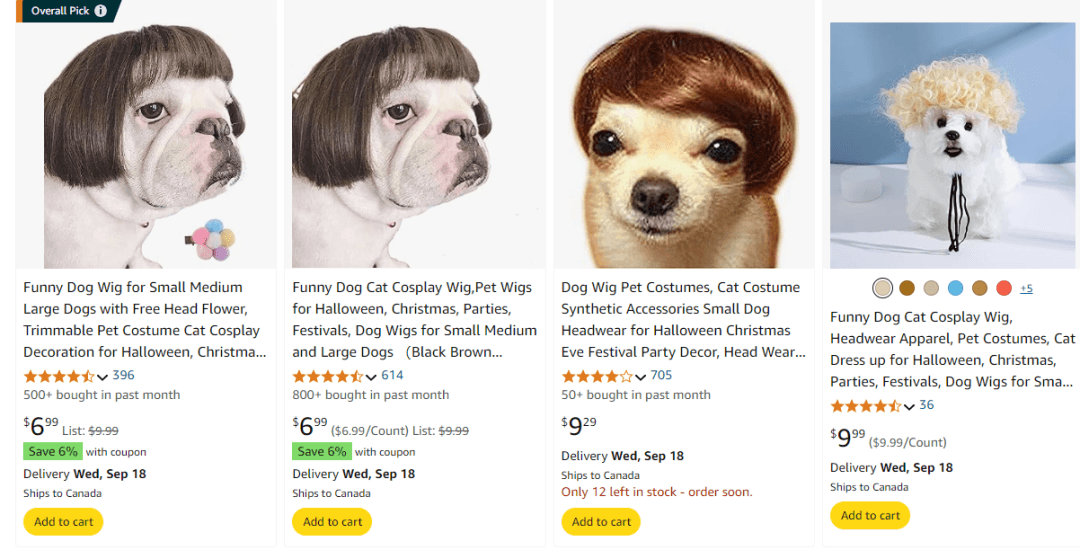
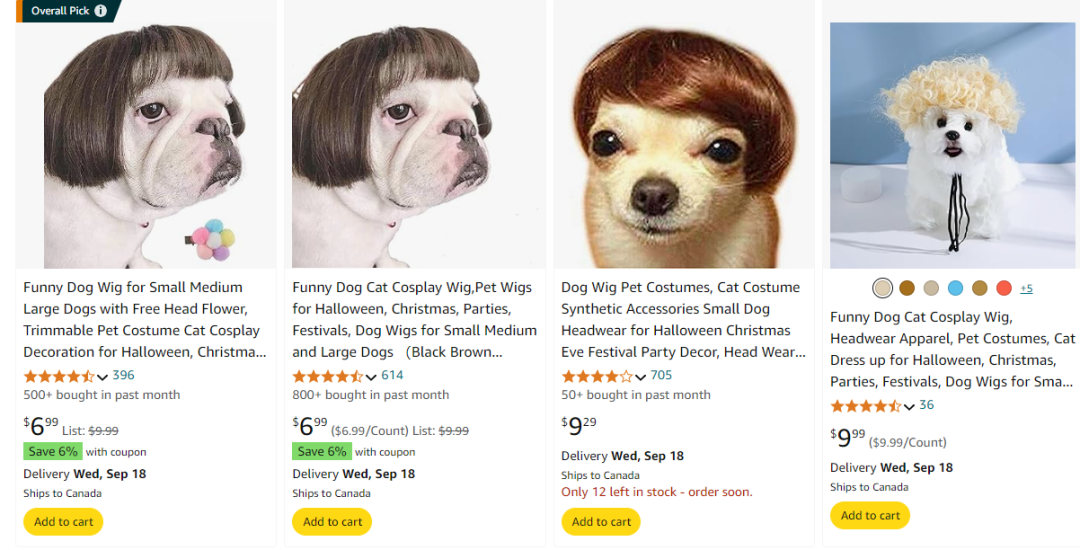
Un blogueur animalier a même posté une vidéo créative de son chien portant une perruque. Cette vidéo de seulement 9 secondes a explosé sur Internet, recueillantjusqu'à 3,386 millions de likes.
Le thème absurde du chien portant une perruque, combiné à l'expression à la fois perplexe et adorable du chien, a immédiatement déclenché l'hilarité des internautes, les incitant à imiter la tendance.
Les ventes de perruques pour chiens sur Amazon ont même bondi de 283 % en peu de temps, devenant un produit phare dans la catégorie des accessoires pour animaux de compagnie sur Amazon. Cette tendance prouve que la création de contenu et la diffusion créative guidées par les réseaux sociaux peuvent considérablement augmenter la visibilité et les ventes des produits.
Dans l'ensemble, avec l'expansion du marché des animaux de compagnie et la montée en puissance du pouvoir d'achat des jeunes générations, les plateformes de réseaux sociaux comme TikTok sont devenues des outils efficaces pour les marques afin de se présenter, d'interagir avec les utilisateurs et de promouvoir leurs produits.
À l'avenir, les marques d'animaux de compagnie qui sauront tirer parti des avantages de trafic de ces plateformes et stimuler davantage l'intérêt des consommateurs grâce à des stratégies marketing innovantes auront de bonnes chances de gagner des parts de marché plus importantes dans un environnement concurrentiel.