 1693
1693Actuellement, avec l'innovation des technologies d'affichage et l'évolution diversifiée des scénarios de divertissement à domicile, le centre de gravité du développement de l'industrie mondiale des projecteurs passe également de la « compétition sur les paramètres » à la « reconstruction de l'expérience ».
Dans ce changement, les marques chinoises représentées par Xgimi, grâce à l'itération technologique et à une implantation mondiale, propulsent discrètement l'expérience du « cinéma sans écran » à l'échelle mondiale.
Au premier semestre 2024, les revenus à l'étranger de Xgimi ont atteint 448 millions de yuans, soit une augmentation de 27,95 % sur un an, avec une marge brute à l'étranger de 46,55 %, bien supérieure aux 22,20 % en Chine.
Derrière ces chiffres, il n'y a pas seulement la percée d'une marque, mais aussi le reflet d'une transformation profonde du « made in China », passant de « l'exportation » à « l'enracinement ».

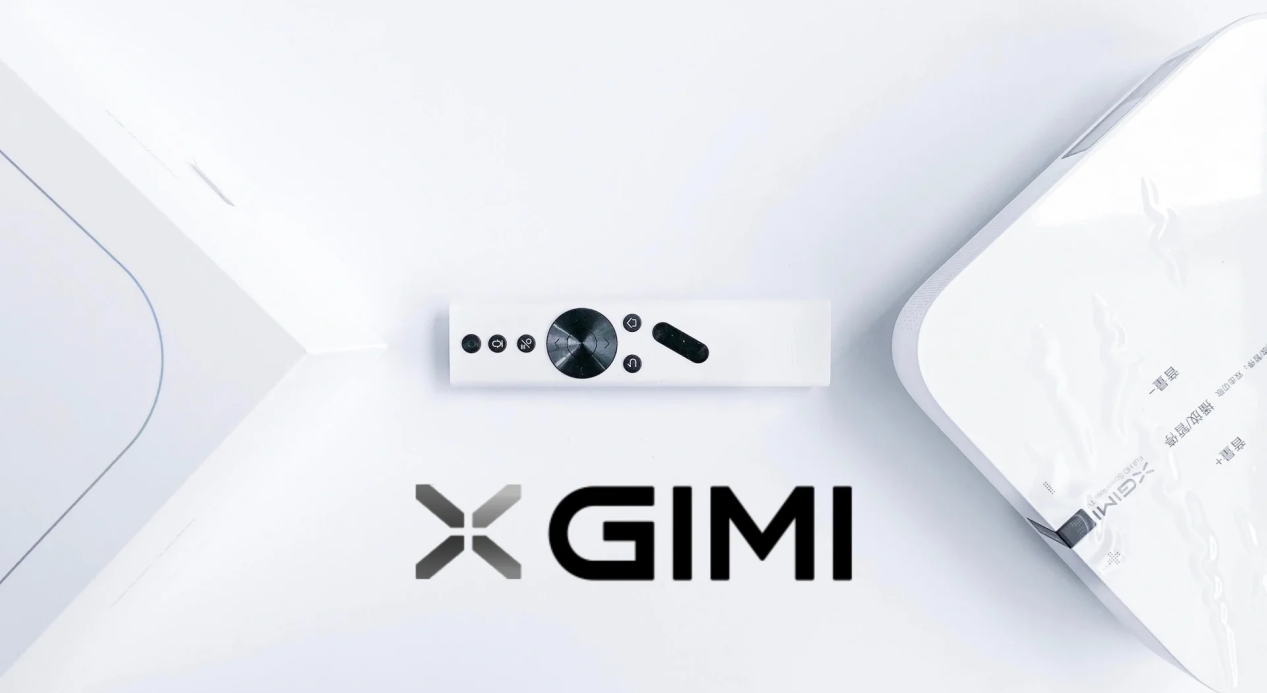
Source : Internet
Une course de 12 ans, de « geek technologique » à « numéro un mondial »
Selon les données, en 2012, M. Zhong, qui avait longtemps travaillé sur les puces TV chez MStar Semiconductor, a fondé Xgimi à Chengdu avec une équipe d'ingénieurs. Leur objectif initial était simple : utiliser la technologie de projection pour briser les limites de taille des téléviseurs traditionnels et faire entrer le cinéma à domicile « dans les foyers ordinaires ».
En 2014, Xgimi a lancé le premier projecteur intelligent Z3, combinant pour la première fois le système Android avec la projection, permettant aux utilisateurs de regarder des films en ligne et d'installer des applications, ouvrant ainsi la voie à l'intelligence dans l'industrie des projecteurs.
Au cours des dix années suivantes, Xgimi a continué à approfondir ses recherches avec un taux de croissance annuel moyen des investissements en R&D supérieur à 50 %.

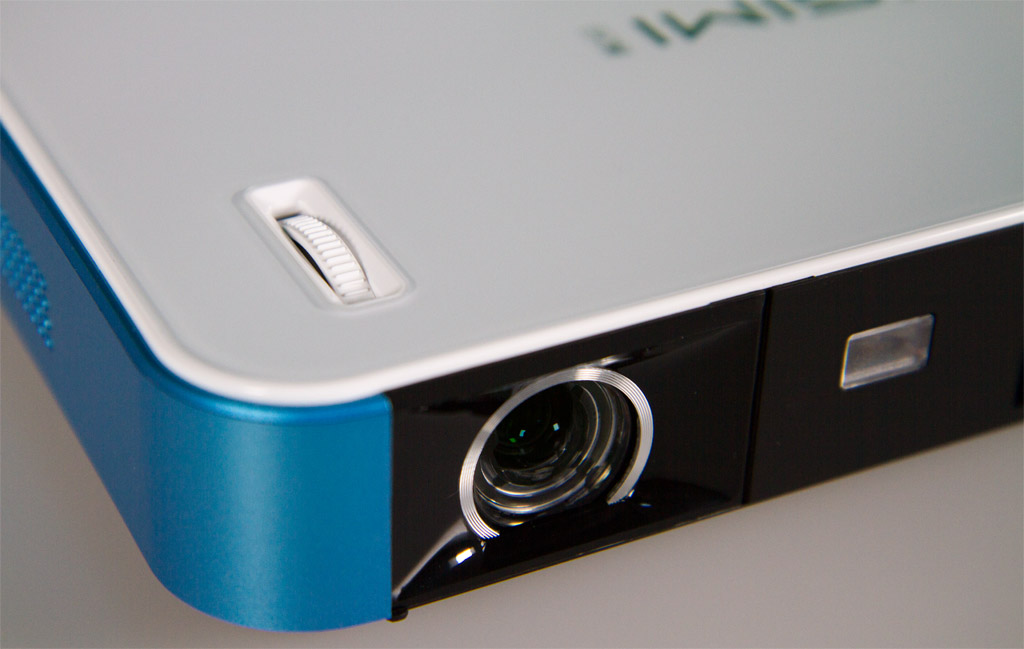
Xgimi Z3 Source : Internet
Grâce à ces efforts, le marché a répondu à l'approfondissement technologique par les ventes.
Depuis 2018, Xgimi est le premier vendeur de projecteurs en Chine pendant six années consécutives ; en 2023, sa part de marché mondiale des projecteurs domestiques a atteint 6,5 %, se classant en tête du secteur.
Sur le marché des capitaux, Xgimi a été cotée sur le STAR Market en 2021, avec une valeur de marché dépassant 26,5 milliards de yuans le jour de son introduction, devenant ainsi la « première action de projecteur intelligent ».
Cependant, le véritable défi vient de l'étranger : comment faire en sorte que le « projecteur chinois » soit vu dans le monde ?

Source : Amazon
Déploiement diversifié : briser les barrières culturelles par le mode de vie
L'exportation d'une marque n'est pas seulement une exportation de produits, mais aussi une bataille multidimensionnelle entre canaux et contenu, comme on peut le voir dans la stratégie globale de Xgimi à l'étranger.
Cette stratégie de déploiement diversifié assure non seulement la pénétration de la marque dans différents scénarios de consommation, mais transforme également les produits matériels en symboles de mode de vie grâce à une gestion précise du contenu.

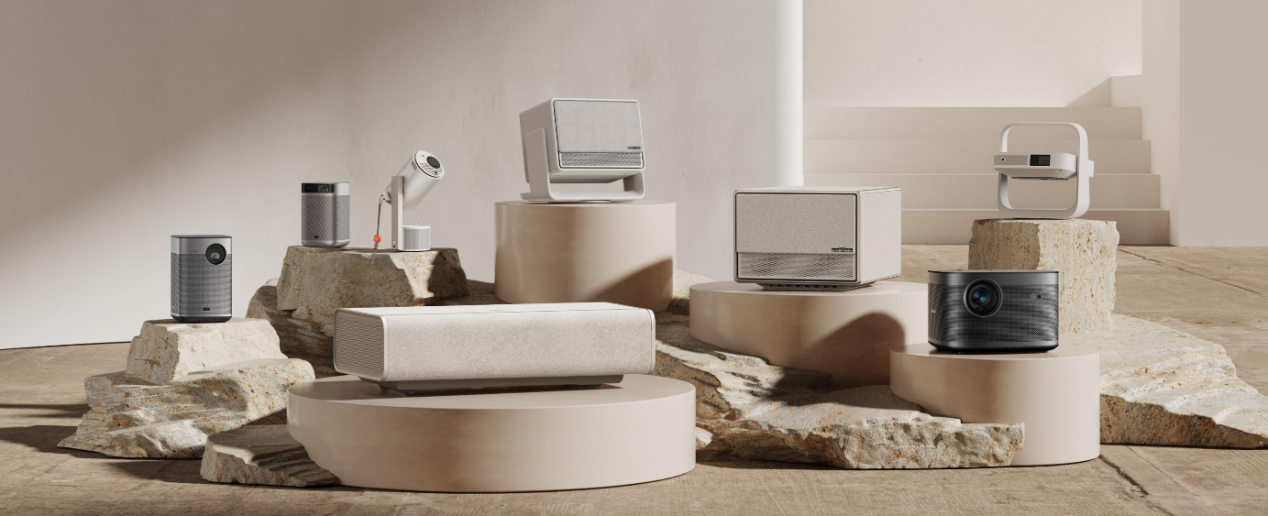
Source : Amazon
△ En ligne : double moteur des plateformes e-commerce et des réseaux sociaux
Les plateformes en ligne, en tant que principal champ de bataille de l'expansion internationale de Xgimi, accordent une grande importance à la création d'une image locale dans leur gestion. Comme le dit son fondateur : « En plus de communiquer davantage avec les utilisateurs et d'améliorer la compétitivité des produits, je pense qu'il faut aussi s'appuyer sur les canaux locaux et la construction de la marque locale. »
Par exemple, sur TikTok, Xgimi a ouvert des comptes régionaux pour différents marchés, en montrant les effets d'utilisation des produits dans divers scénarios uniques pour attirer l'attention des utilisateurs locaux.

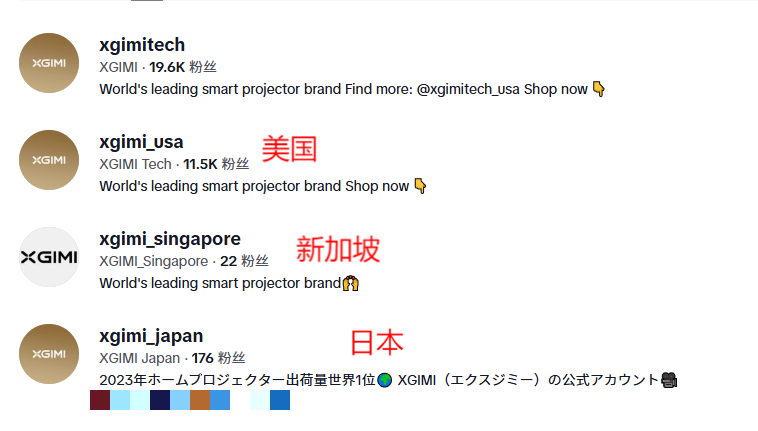
Source : TikTok
Sur le compte japonais @xgimi_japan, face au problème des petits espaces de vie au Japon, le contenu met principalement en avant la légèreté du projecteur ; tandis que le compte américain @xgimi_usa se concentre sur les scénarios de camping en plein air, soulignant la portabilité du produit et l'expérience de visionnage sur grand écran.
Cette stratégie ciblée permet non seulement d'adapter la marque aux besoins des utilisateurs, mais aussi d'améliorer la satisfaction des utilisateurs tout en réalisant une conversion de trafic.

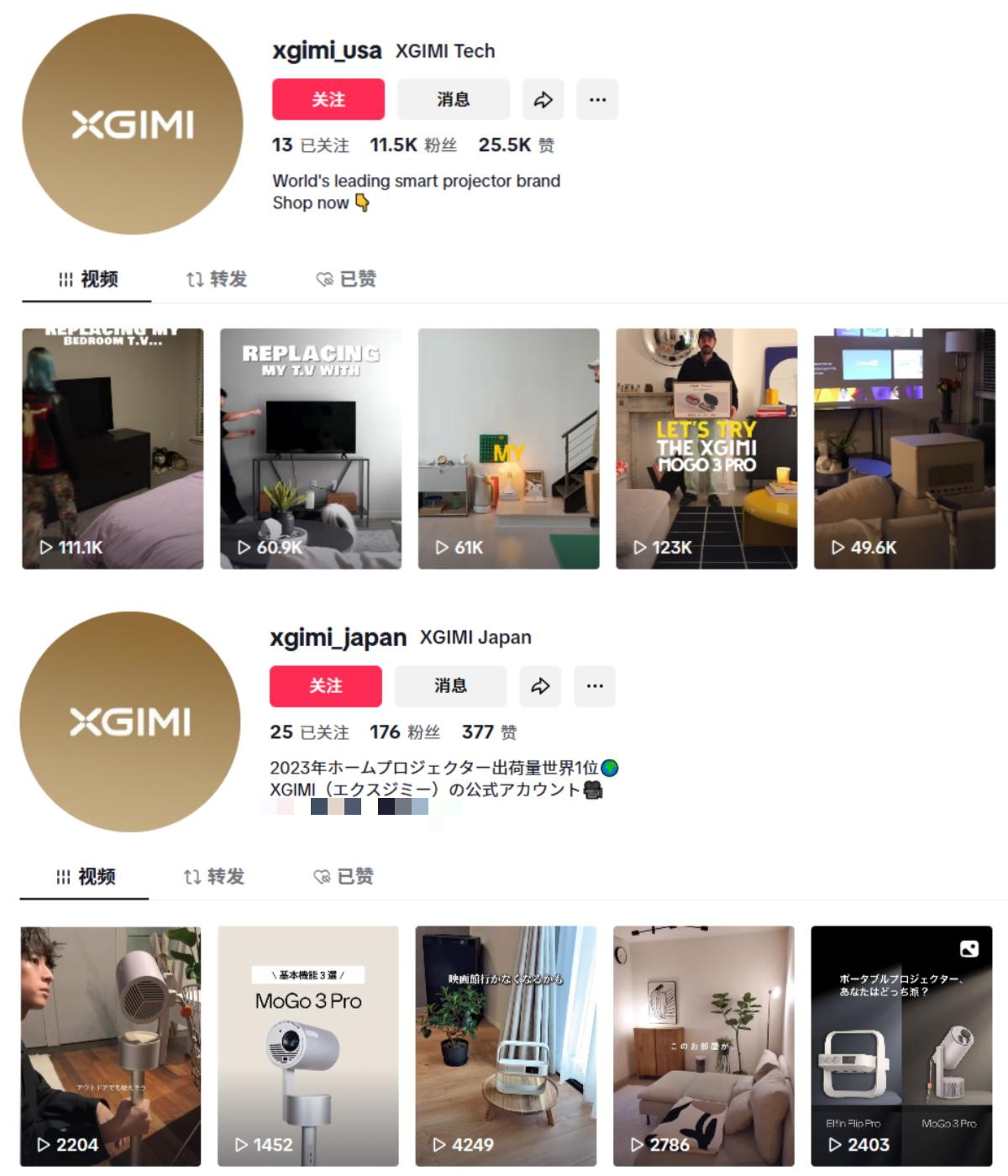
Compte américain (haut) Compte japonais (bas) Source : TikTok
De plus, dans la création de contenu, Xgimi n'utilise pas la « saturation de paramètres » comme dans la publicité traditionnelle, mais transforme le projecteur d'un produit fonctionnel en un vecteur émotionnel grâce à une narration scénarisée.

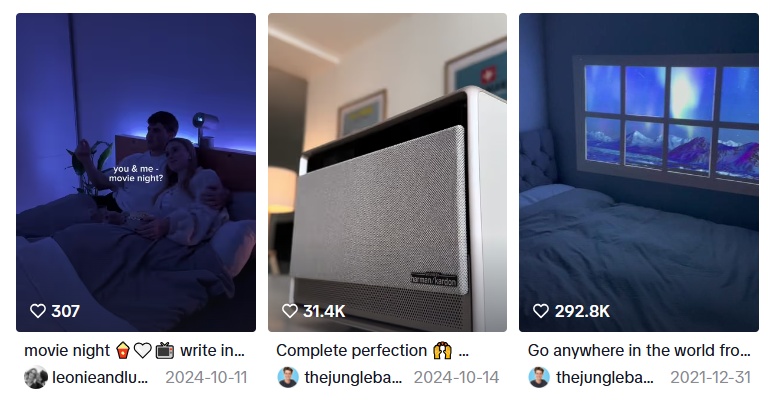
Source : TikTok
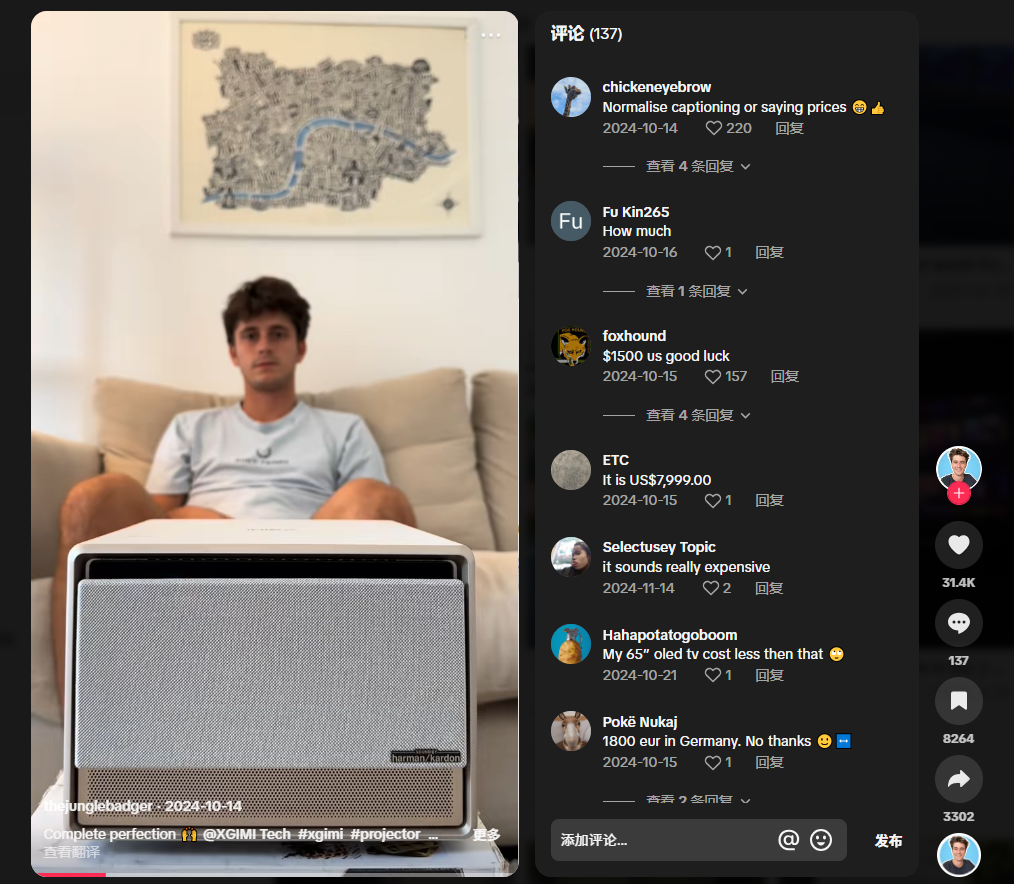
Prenons l'exemple du créateur @thejunglebadger, un influenceur TikTok avec 2,7 millions d'abonnés, dont le style principal de vidéos est de présenter des produits à ses fans à travers des tests de vie.
Dans la vidéo de collaboration avec Xgimi, il a suivi son style habituel en partant de scènes de vie domestique, montrant indirectement les avantages du produit à travers l'expérience de vie. Finalement, cette vidéo a obtenu 930 000 vues, apportant un bon trafic et une bonne attention à la marque.

Source : TikTok
En parallèle de l'accumulation de trafic sur les réseaux sociaux, Xgimi a également déployé plusieurs plateformes e-commerce.
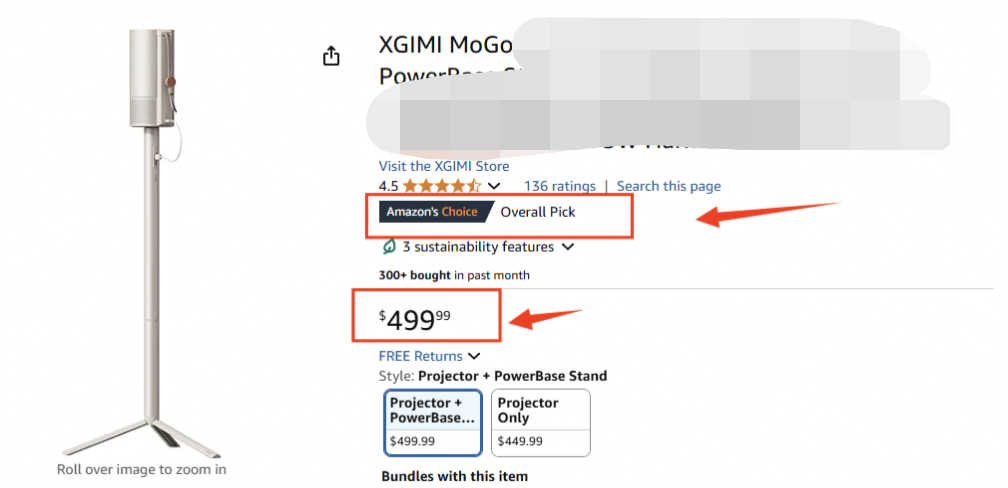
Cependant, sur des plateformes comme Amazon et Rakuten, Xgimi n'a pas choisi de faire une « guerre des prix », mais a plutôt mis en avant la différenciation technologique pour faire sortir ses produits du lot.
Par exemple, le MoGo 3 Pro équipé du système Google TV, grâce à ses fonctionnalités uniques, malgré un prix 30 % plus élevé que celui des produits similaires, a réalisé des ventes mensuelles de plus de 300 unités et a obtenu le label « Overall Pick ».
Cette stratégie de « prix élevé et haute qualité » préserve non seulement le positionnement de la marque, mais renforce également la crédibilité du produit via l'algorithme de la plateforme.

Source : Amazon
△ Hors ligne : couverture de base du réseau de distribution
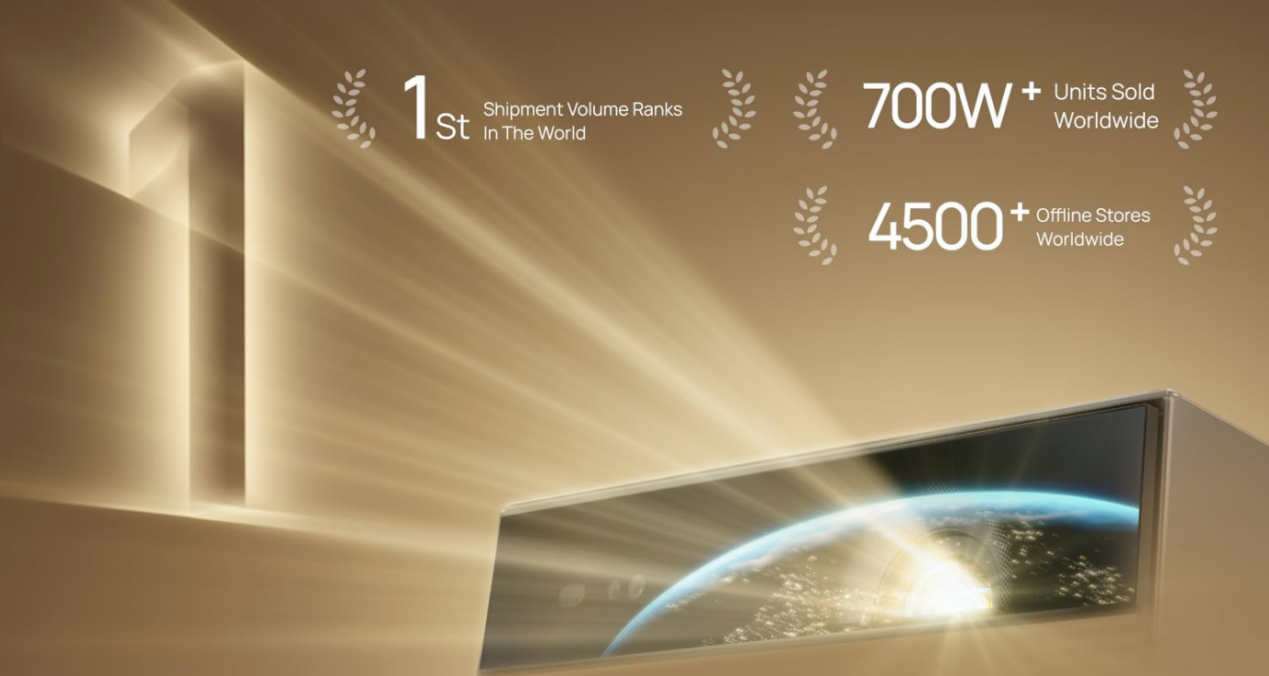
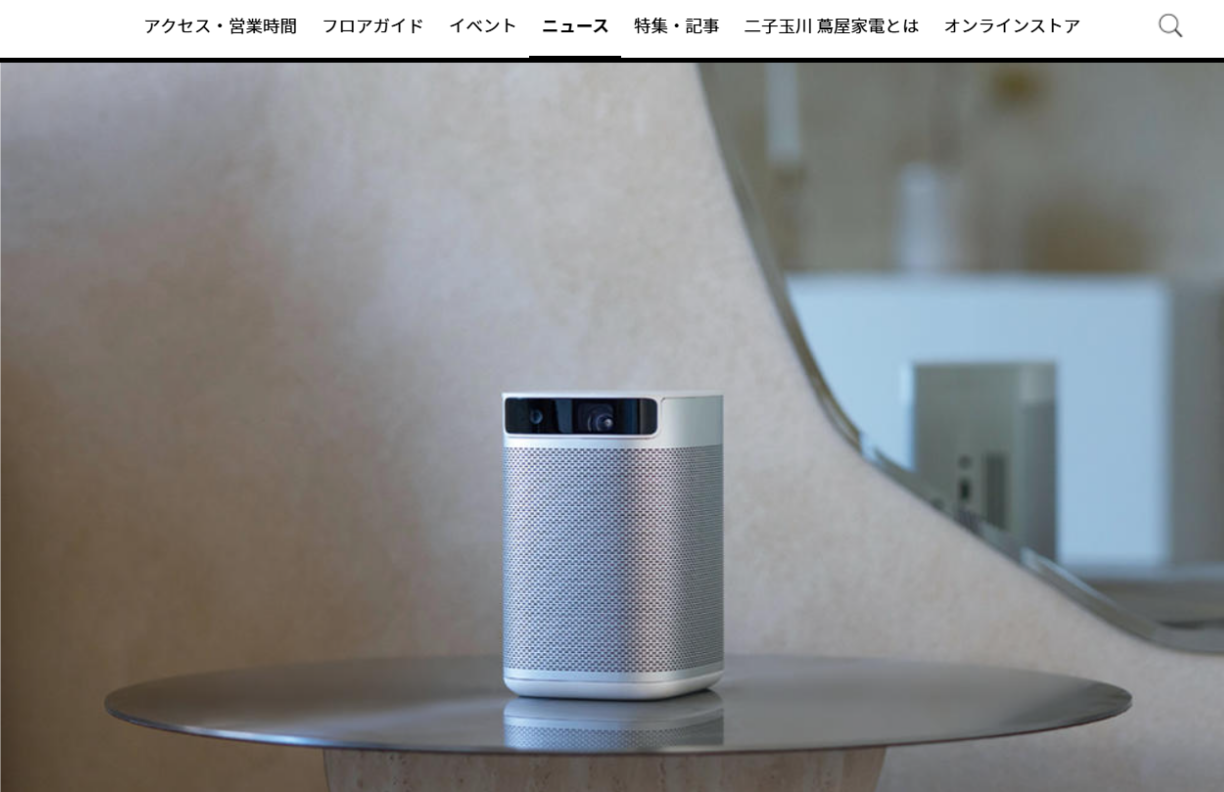
Si les canaux en ligne sont des points d'entrée de trafic, les plus de 4 500 points de vente physiques que Xgimi a déployés dans le monde jouent le rôle de « convertisseurs d'expérience ».
On trouve les projecteurs Xgimi chez BestBuy aux États-Unis, Darty en France, El Corte Inglés en Espagne, Tsutaya Electronics au Japon... Ce modèle d'expérience « voir et acheter » transforme l'énergie de la marque accumulée en ligne en décisions d'achat hors ligne, permettant aux consommateurs de ressentir plus directement les avantages du produit, ce qui est très bénéfique pour accroître la notoriété de la marque.

Source : Tsutaya Electronics
Conclusion : Un nouveau défi pour la mondialisation des marques chinoises
À travers le cas de l'exportation de Xgimi, il est facile de voir qu'à l'heure où les coûts de trafic sont élevés, il est difficile de construire une valeur de marque à long terme en s'appuyant uniquement sur les avantages d'une seule plateforme. Seule une stratégie multidimensionnelle et diversifiée permet de réaliser une boucle fermée allant de l'exposition du produit à l'occupation de l'esprit des utilisateurs.
Actuellement, le marché étranger dispose à la fois de « nouvelles infrastructures » comme TikTok Shop qui abaissent les barrières à l'exportation, et de l'espace de valorisation de la marque offert par les sites indépendants et les modèles DTC.
Alors, plutôt que de s'engager dans une concurrence interne sur un marché saturé, il vaut mieux tourner son regard vers un horizon plus large : il n'y a peut-être pas de raccourci vers l'or, mais il y a la réponse possible à la transition des marques chinoises vers le « made in China » !