 2620
2620Ces dernières années, le développement rapide des médias sociaux a fait du marketing d'influence un "outil puissant" pour les marques qui se lancent à l'international.
Qu'il s'agisse de partager un mode de vie ou de vendre directement des produits, les influenceurs utilisent leur influence pour combler le dernier kilomètre entre les marques et les consommateurs.
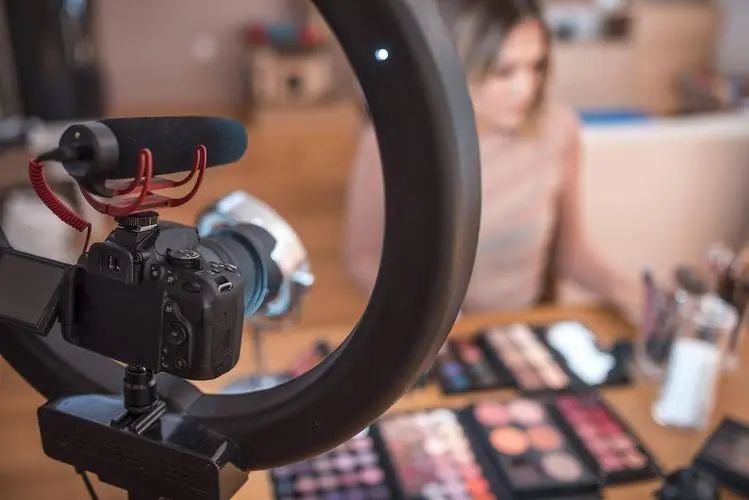
En particulier dans des régions actives sur les réseaux sociaux comme le Brésil, le pouvoir de recommandation des influenceurs est si fort que les commerçants s'y précipitent. Aujourd'hui, Tuke vous emmène plonger dans l'économie des influenceurs au Brésil, pour voir comment elle a rapidement émergé et propulsé le commerce social vers de nouveaux sommets.
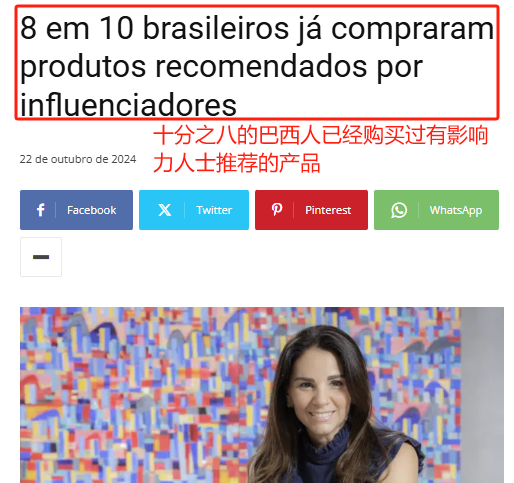
Selon le rapport "Publi 2024 : L'impact de l'économie des créateurs sur les générations" d'IAB Brasil, la confiance des Brésiliens envers les influenceurs a explosé. Les données montrent que 80 % des Brésiliens ont déjà acheté un produit suite à une recommandation d'influenceur, avec un taux de satisfaction également de 80 %. De plus, de nombreux consommateurs brésiliens passent en moyenne 1 heure et 40 minutes par jour à regarder du contenu d'influenceurs, principalement des vidéos courtes (30 secondes à 1 minute) et des vidéos moyennes (1 à 15 minutes), Instagram étant la plateforme préférée avec 85 %, suivi de YouTube (77 %) et TikTok (57 %).
Source : Grandes Nomes da Propaganda
Le cas du Brésil n'est pas isolé. En Amérique latine, les consommateurs sont généralement très réceptifs aux recommandations des influenceurs. Une enquête montre qu'au cours de l'année écoulée, 41 % des répondants brésiliens ont acheté un produit suite à une recommandation d'influenceur, se classant parmi les meilleurs mondiaux ; le Mexique a atteint 29 %. En comparaison, 35 % des répondants chinois ont été influencés pour acheter un produit, tandis que la moyenne mondiale est de 18 %. De toute évidence, le marché latino-américain devient un "océan bleu" pour l'économie des influenceurs, avec une croissance rapide qui montre un potentiel infini pour les marques.
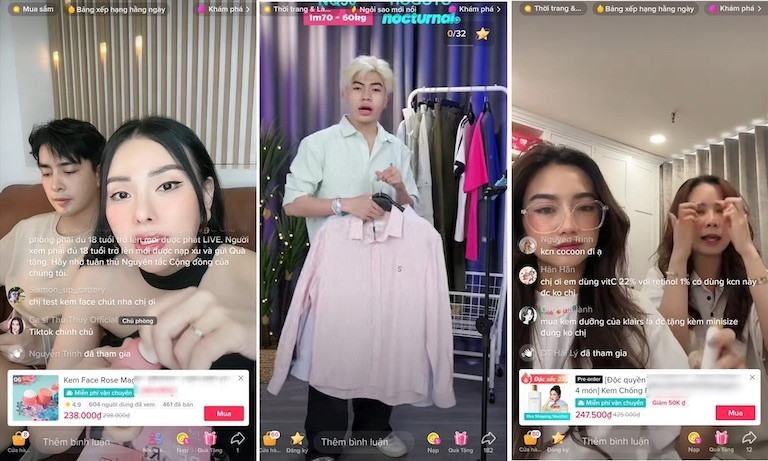
Comparé à la publicité traditionnelle, le marketing d'influence est plus accessible. Il ne s'agit pas seulement d'exposition de marque, mais d'une boucle de marketing complète allant de la "découverte" du produit à l'achat réel. Les influenceurs aident les consommateurs à surmonter les "obstacles à l'achat" en partageant des expériences d'utilisation, des déballages, des tests et des recommandations, leur permettant de prendre des décisions d'achat plus facilement. Par exemple, à Hô-Chi-Minh-Ville au Vietnam, lors d'un événement de seulement 4 jours, des influenceurs locaux ont été invités à promouvoir des produits locaux, générant 18 200 commandes et un chiffre d'affaires de 4,2 milliards de dongs vietnamiens. Cela confirme le retour sur investissement considérable que peut apporter "l'économie de recommandation".
Source : giaoducthoidai.vn
Les experts du secteur soulignent que l'économie des créateurs a bouleversé les modes d'interaction entre les marques et les consommateurs. Grâce à la maturité des plateformes de live streaming et de vidéos courtes, les liens entre les marques et les consommateurs sont plus étroits et en temps réel. À l'avenir, ce marché ne fera que croître, offrant davantage d'opportunités de collaboration aux marques. Dans une ère où le trafic détermine les achats, les marques qui exploitent efficacement l'économie des créateurs peuvent non seulement augmenter leurs ventes, mais aussi toucher les consommateurs en profondeur et construire progressivement une fidélité.
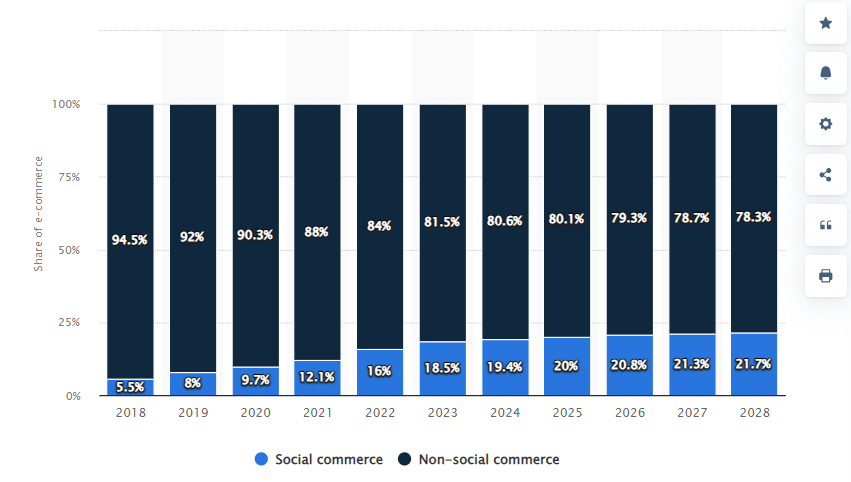
Derrière le développement rapide de l'économie des influenceurs se trouve l'essor du commerce social. Selon les données de Statista, en 2023, le commerce social représentait 18,5 % des ventes en ligne mondiales, et ce chiffre continue d'augmenter. On prévoit qu'en 2028, la part du commerce social dans les ventes en ligne atteindra 21,7 % ; en termes de revenus, le commerce social mondial en 2024 est de 700 milliards de dollars, et d'ici 2030, il devrait atteindre 6 200 milliards de dollars.
Source : Statista
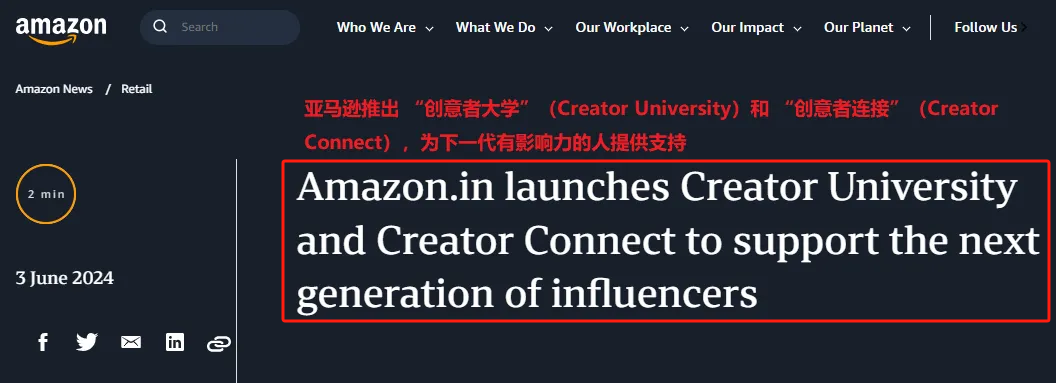
Face aux opportunités offertes par le commerce social, les géants du e-commerce n'ont pas tardé à intensifier leurs investissements dans ce domaine. Amazon a été le premier à collaborer avec Meta et Snap pour lancer des fonctionnalités d'achat intégrées sur Facebook, Instagram et Snapchat, explorant de nouvelles façons de faire du commerce social. De plus, Amazon a lancé un programme de soutien aux créateurs sur son site indien, offrant un accompagnement complet aux influenceurs. Récemment, Amazon a également déployé une fonction d'achat intégrée sur TikTok, testant ainsi davantage le commerce social.
Source : Amazon
Amazon n'est pas le seul ; d'autres géants du e-commerce accélèrent également leurs déploiements. Par exemple, le e-commerçant sud-coréen Coupang a collaboré avec YouTube pour lancer un "programme d'affiliation shopping", permettant aux créateurs de contenu d'ajouter des liens vers des produits Coupang dans leurs vidéos pour vendre facilement. De plus, Ozon en Russie n'est pas en reste, ayant ouvert des vitrines de vente sur la plateforme sociale locale VKontakte. De toute évidence, les géants misent tous sur la piste du commerce social, cherchant à capter les futurs points d'entrée du trafic.
Pour les marques qui souhaitent réussir sur le marché international, maîtriser le double moteur de "l'économie des influenceurs et du commerce social" est sans aucun doute une voie efficace et rapide pour se lancer à l'international.