
 1960
1960« Plus de 20 000 véhicules de livraison électriques sont en service, mais notre objectif va bien au-delà. » C’est par cette déclaration récente qu’Amazon a envoyé un signal au monde : la « révolution verte » dans la logistique ne fait que commencer.
Ce n’est pas une parole en l’air. Depuis la signature du Climate Pledge en 2019, Amazon s’est fixé un objectif ambitieux : atteindre zéro émission nette de carbone d’ici 2040. Dans cette vision, la logistique, en particulier la livraison du dernier kilomètre, devient un levier clé.


Source : about amazon
L’engagement des 100 000 véhicules de livraison électriques
Peu après la publication du Climate Pledge en 2019, Amazon a annoncé un partenariat avec le constructeur américain de véhicules électriques Rivian : l’objectif est de déployer 100 000 véhicules de livraison électriques sur les routes d’ici 2030, remplaçant ainsi entièrement les véhicules thermiques traditionnels. Ce plan ne vise pas seulement à réduire les émissions de carbone, mais aussi à révolutionner l’efficacité logistique.
Après plusieurs années de développement et de déploiement, Amazon compte aujourd’hui plus de 20 000 véhicules de livraison électriques aux États-Unis, couvrant des milliers de villes et de communautés. Des quartiers animés de Californie aux petites villes tranquilles du Midwest, ces véhicules électriques ont livré plus d’un milliard de colis aux clients.
Mais pour Amazon, cela reste loin d’être suffisant.

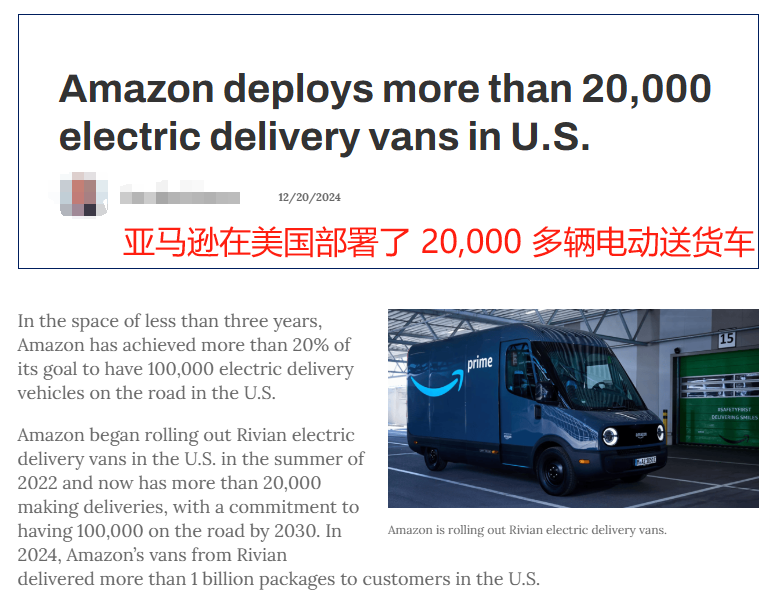
Amazon a déployé plus de 20 000 véhicules de livraison électriques aux États-Unis Source : Chain store Age
L’appui technologique : l’« arme secrète » de la livraison du dernier kilomètre
Faire rouler 20 000 véhicules n’est pas difficile, mais les faire rouler plus vite et avec plus de précision est un défi de taille. Pour cela, Amazon a conçu un système d’IA sur mesure pour ces véhicules électriques, appelé « Vision-Assisted Package Retrieval » (VAPR).
Ce système utilise la technologie de projection pour marquer les colis dans les stations de livraison : un « O » vert indique le bon colis, tandis qu’un « X » rouge alerte le conducteur pour éviter une erreur de prise. Cette technologie réduit considérablement le temps de récupération des livreurs, surtout en période de pointe, où elle devient cruciale.

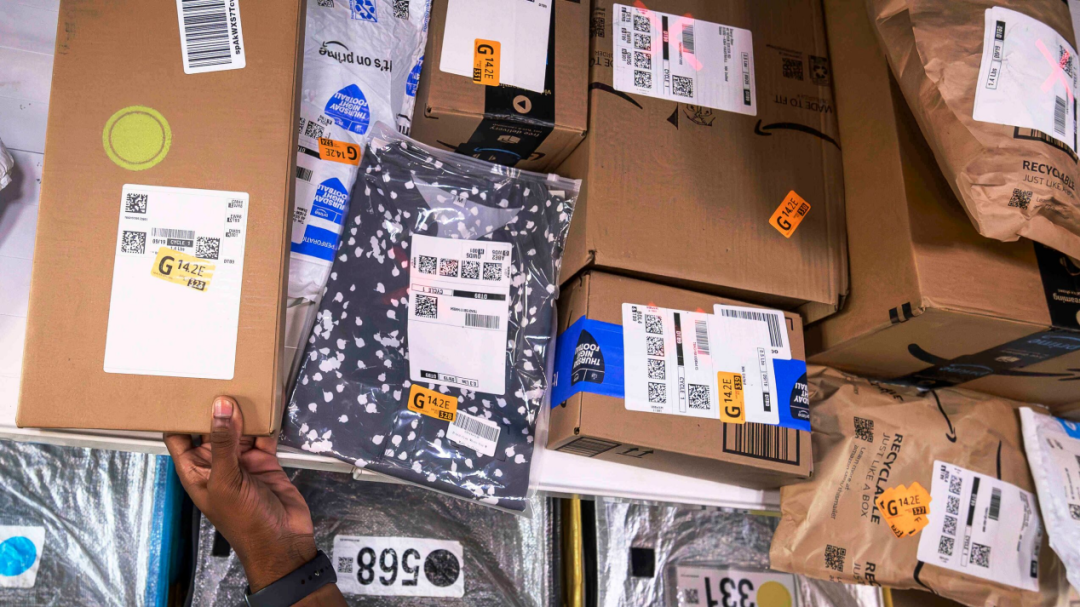
Reconnaissance des colis par IA Source : about amazon
L’expansion mondiale de la flotte électrique
Le déploiement des véhicules de livraison électriques ne se limite pas aux États-Unis. Amazon les a déjà introduits sur les marchés européens et indiens.
L’Europe est une composante majeure des activités mondiales d’Amazon. En 2022, Amazon a annoncé un investissement d’un milliard de dollars en Europe sur cinq ans pour promouvoir l’adoption de véhicules zéro émission. La France, l’Allemagne, le Royaume-Uni et d’autres pays ont déjà déployé des flottes électriques, et les nouveaux véhicules de livraison dans les rues de Londres sont devenus un symbole de la promotion environnementale.
En revanche, le marché indien présente des défis plus complexes. Les rues bondées, les infrastructures instables et la demande de véhicules de livraison plus petits ont obligé Amazon à ajuster sa stratégie : déployer des véhicules électriques plus compacts, y compris des tricycles électriques et des pousse-pousse électriques, pour s’adapter aux conditions locales.

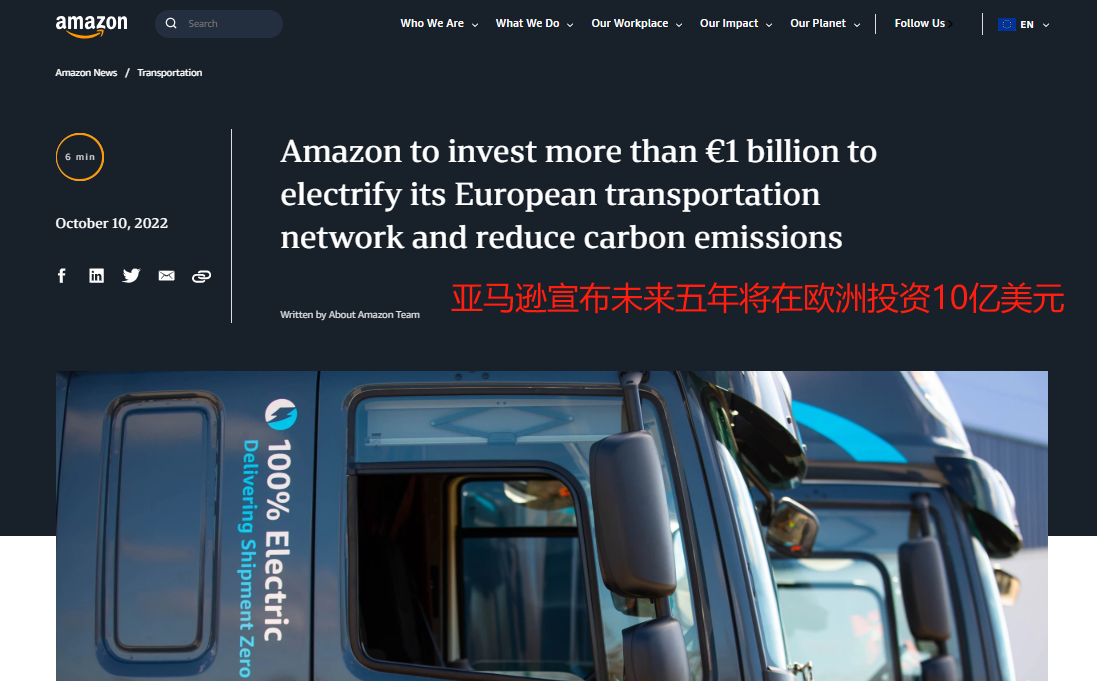
Amazon investira un milliard de dollars en Europe sur cinq ans Source : about amazon
Des modes de livraison diversifiés : plusieurs fronts de la révolution verte
Bien que les véhicules de livraison électriques soient au cœur du dispositif, Amazon ne se contente pas d’une solution unique. Pour le dernier kilomètre de la logistique urbaine, Amazon améliore l’efficacité par divers moyens :
Vélos cargo électriques
Dans les zones urbaines très fréquentées comme New York et Paris, Amazon a déployé des vélos cargo électriques. Ces vélos sont non seulement flexibles, mais évitent aussi les embouteillages des camions aux heures de pointe. Cette année, Amazon a lancé un modèle amélioré capable de livrer jusqu’à 120 colis par trajet, apportant plus de possibilités à la logistique urbaine chargée.

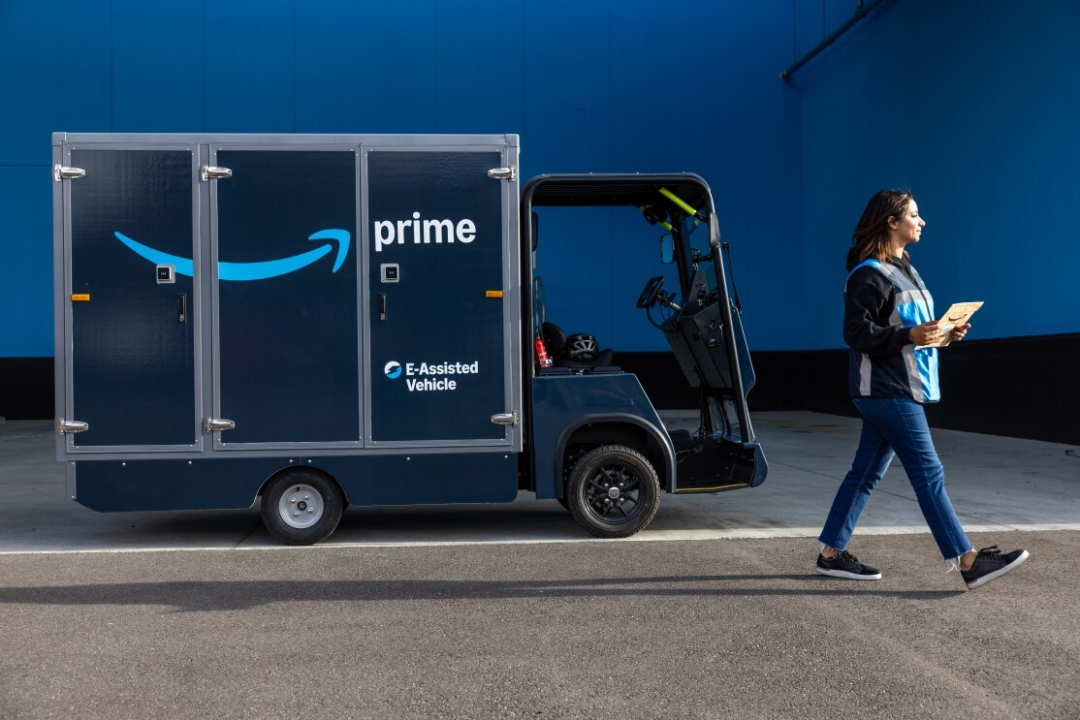
Source : about amazon
Livraison à pied
Dans les zones à forte densité de circulation, la livraison à pied devient un complément important pour Amazon. À l’aide de chariots, les livreurs peuvent accéder plus facilement aux immeubles résidentiels et aux quartiers commerciaux. Selon les statistiques, le nombre de colis livrés à pied l’année dernière a dépassé 220 000.


Source : about amazon
Livraison par drone
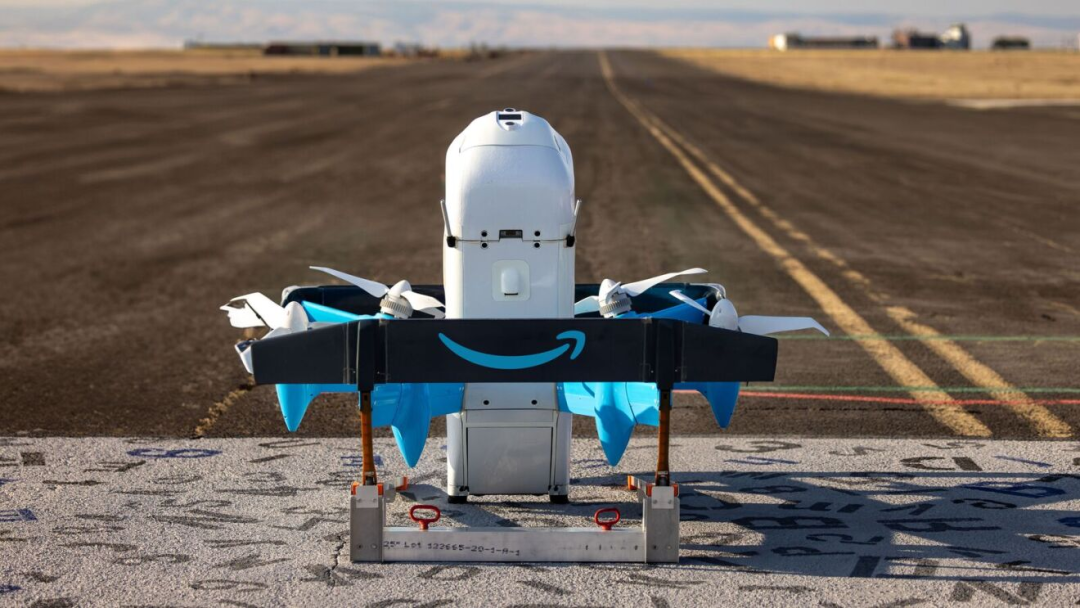
Bien que la livraison par drone semble encore relever de la science-fiction, Amazon en a déjà fait une réalité. La dernière génération de drones MK30 est désormais opérationnelle en Arizona. Ces drones peuvent livrer des colis au pas de la porte des consommateurs en quelques minutes et éviter facilement les embouteillages.

Source : about amazon
Le dernier kilomètre : la douve d’Amazon
Dans le secteur logistique, on dit souvent que le dernier kilomètre est « le kilomètre le plus cher ». Comment maîtriser les coûts tout en garantissant rapidité et précision est un défi constant pour toutes les plateformes de commerce électronique. Amazon tente de transformer le dernier kilomètre en sa douve grâce à une double innovation technologique et de modèle.
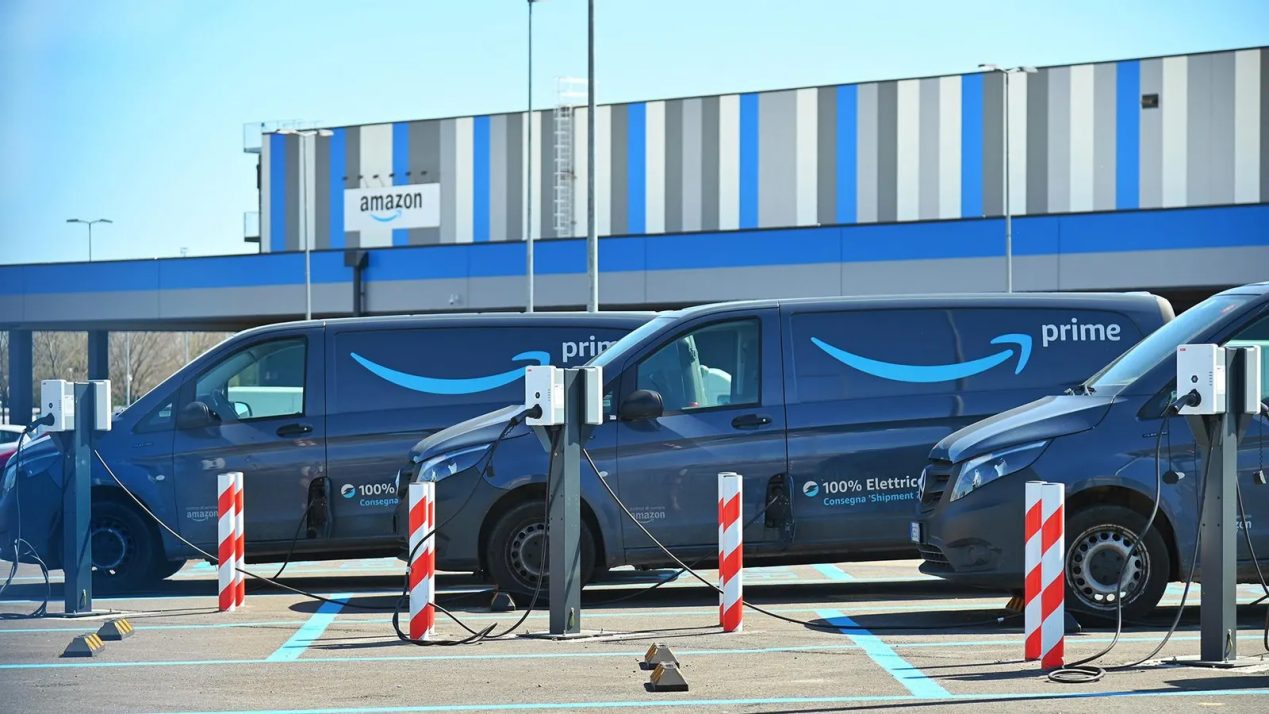
Les véhicules de livraison électriques réduisent la dépendance aux carburants, les vélos et la livraison à pied résolvent les problèmes de congestion urbaine, et les drones rendent la livraison à distance plus efficace. Ces initiatives apparemment disparates tissent ensemble un réseau de livraison mondial, donnant à Amazon plus de marge de manœuvre dans la concurrence féroce du marché.

Source : Forbes
Conclusion : l’avenir de la logistique verte
Des 20 000 véhicules de livraison électriques aux solutions logistiques diversifiées couvrant les États-Unis, l’Europe et l’Inde, Amazon définit à sa manière ce qu’est la « logistique verte ». Mais il est évident que le chemin est encore long pour atteindre l’objectif de « zéro émission nette de carbone d’ici 2040 ».
À l’avenir, avec le déploiement de davantage de véhicules électriques et la maturation des technologies, Amazon pourra-t-il vraiment réaliser cette « révolution verte » ? Peut-être que chacun de ses pas est une leçon précieuse pour l’industrie.