
 3552
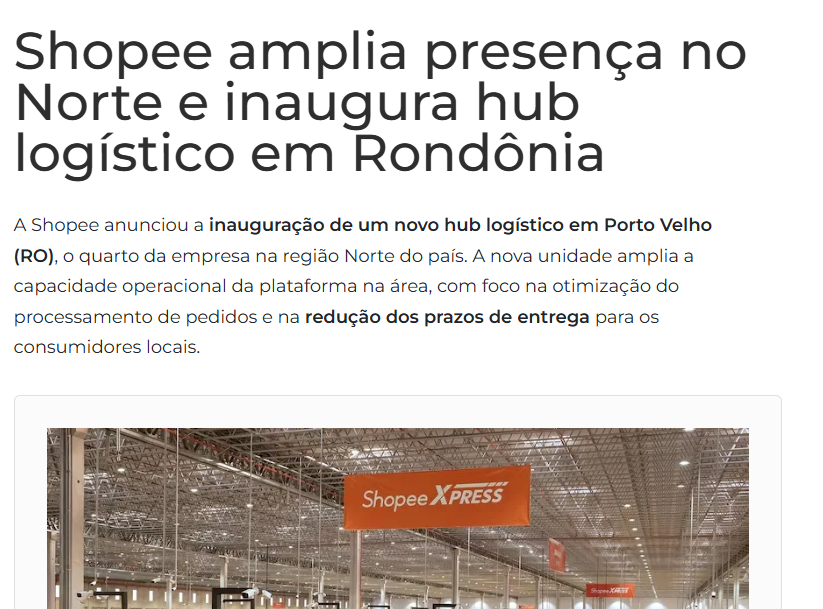
3552Alors que les plateformes de commerce électronique mondiales se livrent une concurrence féroce sur le marché brésilien, le géant du commerce électronique d'Asie du Sud-Est, Shopee, a de nouveau frappé fort. Récemment, cette plateforme, célèbre pour sa « livraison express », a annoncé la construction d'un nouveau centre logistique à Boa Vista, capitale de l'État de Roraima, dans le nord du Brésil. Il s'agit du 12e hub logistique de la plateforme dans le pays et du 7e nœud logistique important mis en place en 2024 sur le marché sud-américain.

Source : e-commercebrasil
Le choix de Boa Vista n'est pas un hasard : cette ville frontalière, qui jouxte le Venezuela et le Guyana, est surnommée la « Porte de l'Amazonie ». Les données montrent que le taux de croissance du commerce électronique dans l'État de Roraima a atteint 18 % en 2023, dépassant largement la moyenne nationale brésilienne.
Le nouveau centre logistique desservira directement une population de 1,5 million d'habitants dans un rayon de 300 kilomètres. Grâce à un réseau de transport optimisé, il devrait réduire le délai de livraison moyen local de 7 à 10 jours à 3 à 5 jours. Pour les vendeurs transfrontaliers, cela signifie que les marchandises peuvent atteindre plus rapidement les consommateurs de l'extrême nord du Brésil, ce qui est particulièrement avantageux pour les catégories populaires locales telles que les articles ménagers et les produits électroniques grand public.


Source : Internet
Depuis son entrée sur le marché brésilien en 2019, l'expansion logistique de Shopee est un véritable « cas d'école » : en 2022, elle a ajouté 5 centres de distribution pour couvrir les grandes villes ; en 2023, elle s'est concentrée sur le marché du Nord-Est, en établissant des hubs à Recife et Salvador ; en 2024, sa stratégie s'est tournée vers l'intérieur des terres, achevant en six mois le déploiement du réseau dans 6 États, dont le Minas Gerais et Bahia.
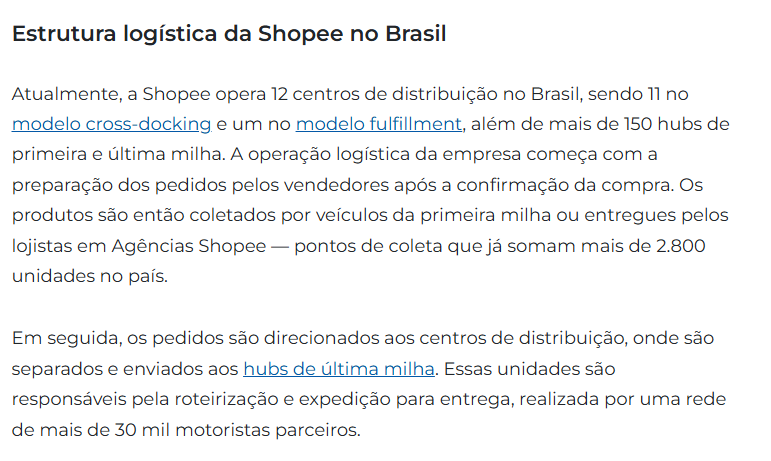
Actuellement, son système logistique a formé un réseau tridimensionnel de « 12 hubs centraux + 150 points de livraison terminaux », soutenu par une équipe de plus de 20 000 chauffeurs partenaires, traitant quotidiennement plus de 800 000 colis.

Source : e-commercebrasil
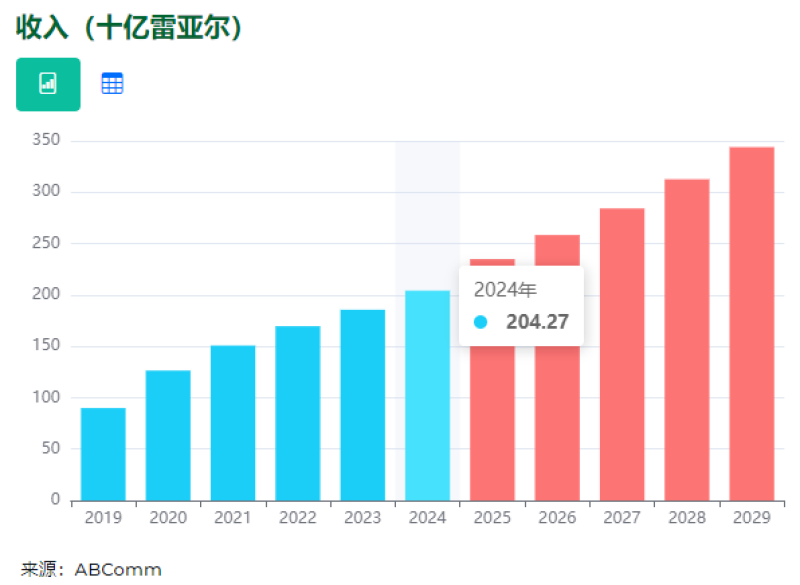
Cette frénésie d'infrastructures est alimentée par les « signaux d'or » émis en continu par le marché brésilien du commerce électronique. Selon le dernier rapport de l'Association brésilienne du commerce électronique (ABComm), le volume des transactions du commerce électronique du pays a dépassé 204,2 milliards de reais (environ 36,2 milliards de dollars) en 2024, soit une augmentation de 10,5 % sur un an, établissant un record de 414,9 millions de transactions. Plus remarquable encore, 68 % des 91,3 millions d'acheteurs en ligne ont effectué des achats transfrontaliers, avec un panier moyen de 492,4 reais (environ 87 dollars). Ces chiffres font du Brésil l'un des marchés de commerce électronique transfrontalier à la croissance la plus rapide au monde.

Source : ABComm
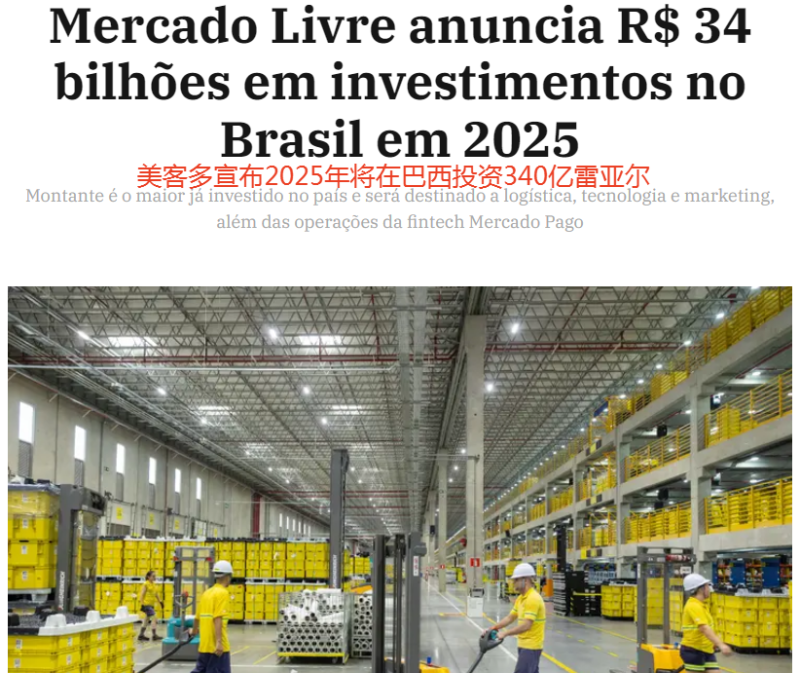
Face à ce gâteau alléchant, la course aux armements entre les géants du commerce électronique est déjà féroce. Le leader latino-américain Mercado Libre a annoncé en avril dernier un investissement supplémentaire de 34 milliards de reais (environ 6 milliards de dollars), prévoyant de construire 11 nouveaux centres de distribution d'ici 2025. Son centre de stockage automatisé à São Paulo propose déjà un service de « livraison le jour même ».
Amazon, quant à lui, s'appuie sur son système d'adhésion Prime pour étendre son catalogue de SKU sur le site brésilien à 80 millions et a lancé des stratégies de localisation telles que la « carte mensuelle de livraison gratuite ». Même AliExpress expérimente un modèle d'entrepôt hybride « transfrontalier + local » à Rio de Janeiro, stockant à l'avance certains articles populaires pour réduire les délais de livraison à 72 heures.

Source : Exame
Dans cette compétition d'infrastructures logistiques, la stratégie de Shopee montre des avantages uniques. Son modèle combiné de « cross-docking + centre logistique intégré » permet un tri rapide des marchandises via 11 centres de cross-docking, tout en s'appuyant sur le centre logistique intégré de Manaus pour traiter les marchandises en vrac. Plus important encore, la plateforme ouvre ses capacités logistiques aux petits et moyens vendeurs : les commerçants locaux n'ont qu'à livrer leurs produits au point de « premier kilomètre » le plus proche, le stockage, le tri et la livraison étant ensuite pris en charge par la plateforme. Ce modèle d'exploitation à faible capital a permis au nombre de vendeurs locaux sur Shopee Brésil d'augmenter de 240 % en 2023, avec plus de 500 000 petites et moyennes entreprises déjà inscrites.

Source : Internet
Avec le lancement par le gouvernement brésilien du « Plan d'autoroutes numériques », qui prévoit d'investir 8,9 milliards de reais au cours des trois prochaines années pour améliorer la couverture réseau dans les zones reculées, ce festin du commerce électronique sud-américain ne fait peut-être que commencer. Pour les vendeurs chinois, collaborer avec des plateformes disposant de réseaux logistiques matures pourrait permettre de réduire les risques opérationnels tout en captant les bénéfices de la croissance de ce marché de 130 millions d'internautes.


