 2103
2103Le Bureau des douanes et de la protection des frontières des États-Unis (CBP) a publié le 30 mai, heure locale, une mise à jour du guide CSMS # 65201773, prolongeant la loi sur les pouvoirs économiques d'urgence internationaux (IEEPA).
Dans le guide mis à jour, la date limite d'exemption des droits de douane pour les « marchandises en transit » est prolongée du 28 mai initial au 16 juin 2025.
Toute marchandise expédiée avant le 5 avril, le 9 avril ou le 10 avril 2025, et dont la déclaration d'entrée est effectuée avant le 16 juin, peut continuer à bénéficier de l'exemption (uniquement pour les droits de douane relevant de l'IEEPA).
Cependant, pour les marchandises chinoises expédiées entre le 9 et le 10 avril et entrées avant le 16 juin, un droit additionnel de 10 % s'ajoute au droit de base de 10 % existant, et la déclaration doit obligatoirement utiliser le code HTS 9903.01.25.
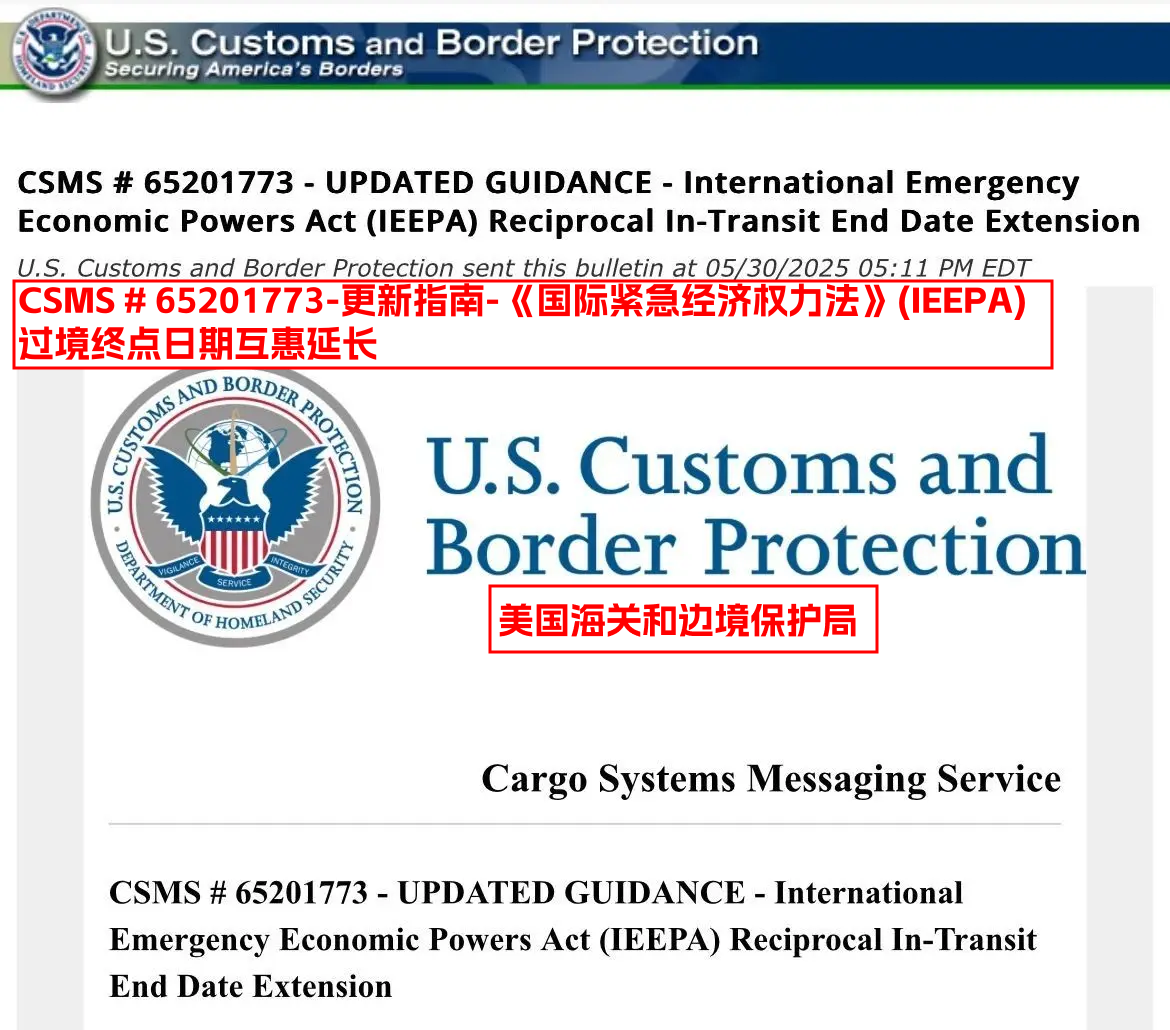
Source : U.S. Customs and Border Protection
Cette prolongation politique atténue à court terme la pression logistique, mais apporte également un double défi : l'augmentation des coûts et le relèvement des exigences de conformité.
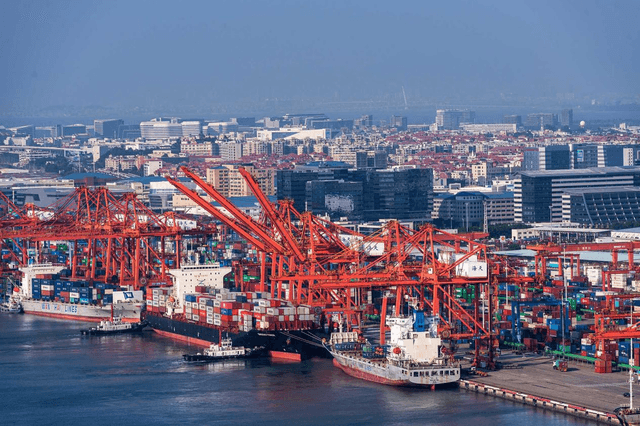
Du point de vue de la politique tarifaire elle-même, la prolongation de la période d'exemption repose principalement sur les goulets d'étranglement réels de la capacité logistique et les retards du transport transfrontalier. En raison de facteurs tels que l'impact de la pandémie sur les chaînes d'approvisionnement mondiales, les tensions géopolitiques et la congestion portuaire, de nombreuses marchandises en transit ont du mal à être dédouanées à temps, ce qui entraîne une accumulation importante de stocks et des pressions sur les flux de trésorerie pour les entreprises.
La prolongation de la période d'exemption par les douanes américaines offre une période de transition à ces entreprises, évitant des taxes ou amendes élevées dues à des retards de déclaration, ce qui contribue grandement à atténuer les risques de trésorerie des entreprises.

Source : Internet
Cet ajustement politique reflète, à un niveau plus large, les changements profonds de l'environnement commercial international actuel. D'une part, les frictions commerciales entre les États-Unis et la Chine persistent, la politique tarifaire devenant un outil important dans le jeu entre les deux parties. D'autre part, la tendance à la diversification des chaînes d'approvisionnement mondiales est évidente, obligeant les entreprises à faire face à l'incertitude liée à l'escalade des barrières commerciales.
Dans ce contexte, les entreprises qui souhaitent bien se développer doivent se préparer davantage :
1. Optimiser les plans d'approvisionnement et de logistique, organiser raisonnablement les dates d'expédition, en évitant autant que possible les fenêtres de temps susceptibles d'être soumises à des droits additionnels, afin de maximiser les avantages de la politique d'exemption tarifaire ;
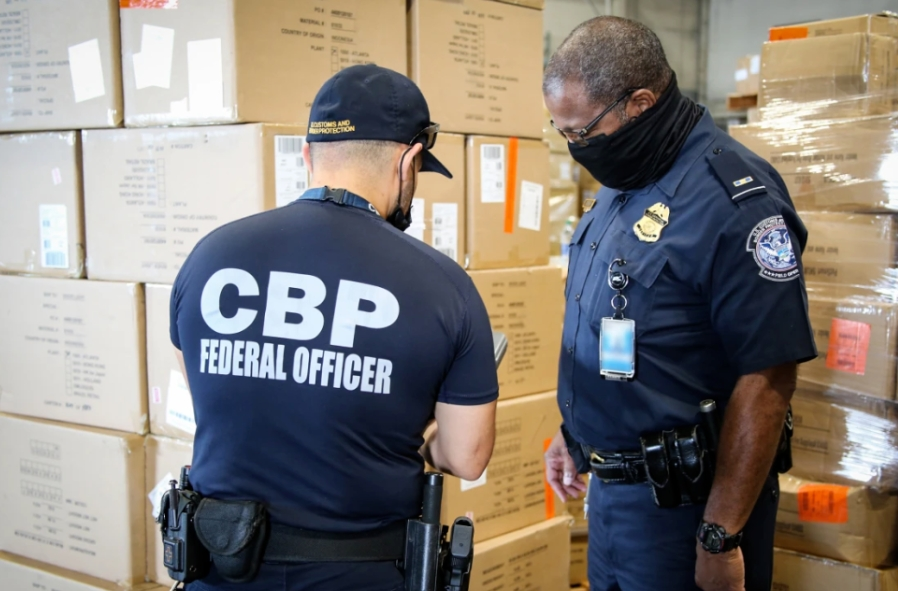
2. Renforcer la gestion standardisée des déclarations en douane, garantir l'exhaustivité et l'exactitude des documents de déclaration, notamment en utilisant correctement les codes HTS ;
3. Mettre en place une équipe de conformité dédiée, former régulièrement le personnel, suivre en permanence les politiques douanières, afin de mieux prévenir les risques financiers et juridiques liés aux erreurs de déclaration ;
4. Accélérer la diversification de la chaîne d'approvisionnement, par exemple en explorant des bases d'approvisionnement et de production en Asie du Sud-Est, en Inde, au Mexique, etc., pour réduire la dépendance à un marché unique et améliorer la capacité globale de résistance aux risques ;
5. Maintenir une communication étroite avec les prestataires logistiques, les courtiers en douane et les services douaniers, afin d'obtenir rapidement les dernières informations politiques et les conseils opérationnels, réduisant ainsi les risques opérationnels.
Source : Internet
Face à un environnement commercial complexe et changeant, les entreprises doivent améliorer leur conformité et leur efficacité au niveau opérationnel, mais aussi examiner leur chaîne d'approvisionnement et leur gestion des risques d'un point de vue stratégique.
Bien que les politiques changeantes apportent des pressions, elles offrent également des opportunités d'innovation et de transformation pour les entreprises. Accepter le changement de manière proactive et faire face à l'inconnu avec une attitude positive est la bonne « approche de résolution de problèmes » pour améliorer leur compétitivité et réaliser un développement durable.