
 2368
2368Face à la flambée des prix des marchandises due aux droits de douane à l'importation, les jeunes consommateurs américains adoptent massivement le shopping d'occasion, une tendance qui non seulement redessine les habitudes de consommation locales, mais déclenche également des répercussions à l'échelle mondiale.

Source : Internet
États-Unis : Prix et écologie impulsent la consommation de seconde main
Sous l'effet des droits de douane fluctuants, les prix des biens importés (mobilier, produits électroniques, électroménager, etc.) grimpent en flèche. Pour faire face à la hausse des prix et trouver des moyens d'achat plus abordables, une grande partie des consommateurs américains des générations Y et Z se tournent vers le marché de l'occasion.
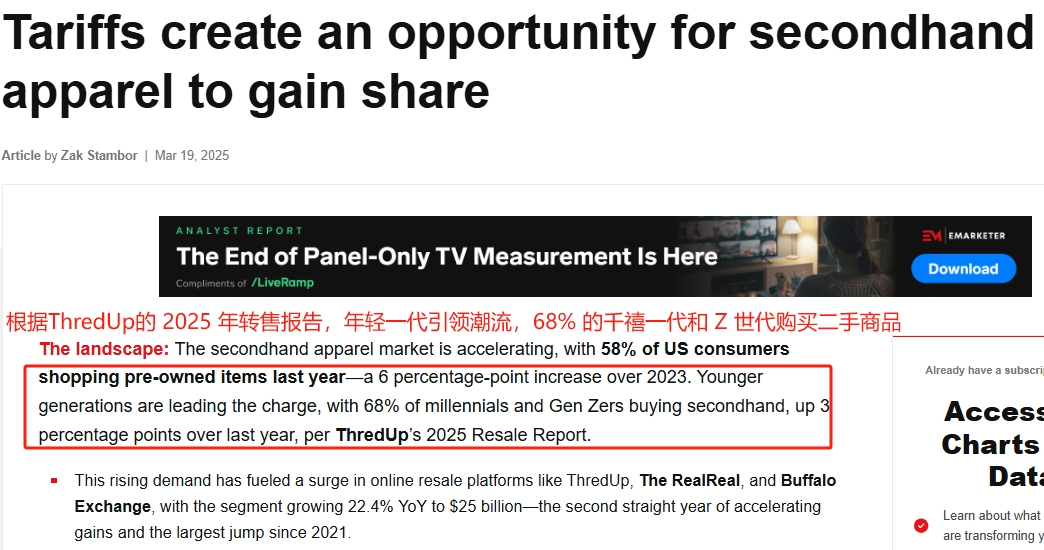
Le dernier rapport sur la revente 2025 publié par ThredUp met clairement en lumière cette évolution : 68 % des consommateurs américains des générations Z et Y achètent des articles d'occasion, soit une augmentation de 3 points par rapport à l'année dernière. Outre la pression sur les prix, la jeune génération, qui a grandi à l'ère de la conscience écologique, a une plus grande adhésion à la consommation durable, et l'achat d'occasion devient pour eux un moyen important de mettre en pratique leurs convictions environnementales.
Source : eMarketer
Vêtements d'occasion : Croissance rapide du marché, perspectives prometteuses
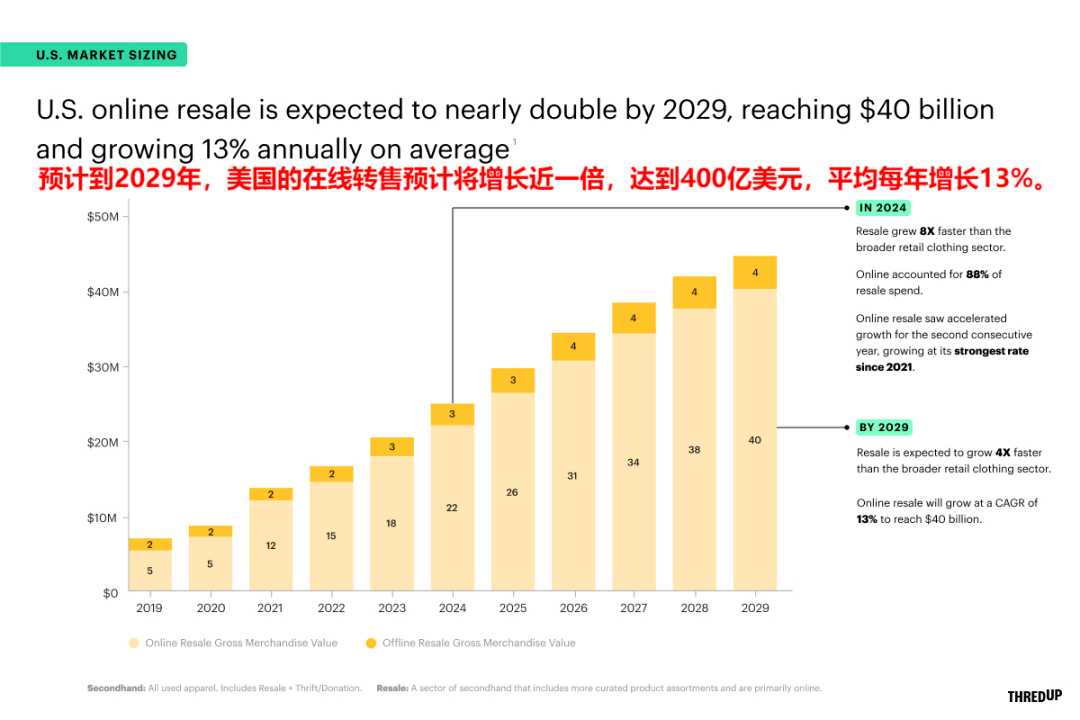
Parmi les nombreuses catégories d'articles d'occasion, les vêtements se distinguent particulièrement. Leur avantage de prix significatif en fait un choix idéal pour les jeunes consommateurs aux budgets serrés qui souhaitent satisfaire leurs besoins de mode. Selon ThredUp, le marché américain des vêtements d'occasion a connu en 2024 sa plus forte croissance depuis 2021, avec un rythme de croissance cinq fois supérieur à celui du marché global du vêtement neuf. Le marché en ligne des vêtements d'occasion s'est particulièrement démarqué, avec une croissance de 23 % pour atteindre 22 milliards de dollars.
Les perspectives restent optimistes. Le rapport prévoit que, si la tendance se maintient, la valeur du marché en ligne des vêtements d'occasion aux États-Unis atteindra 26 milliards de dollars en 2025. À plus long terme, la taille de ce marché devrait quasiment doubler au cours des cinq prochaines années pour atteindre environ 40 milliards de dollars d'ici 2029.
Source : BusinessWire
Résonance mondiale : La fièvre de la seconde main déferle sur plusieurs pays
Cette vague de consommation de seconde main, portée par les jeunes Américains, n'est pas un cas isolé ; elle émerge également dans plusieurs grands marchés du e-commerce dans le monde.
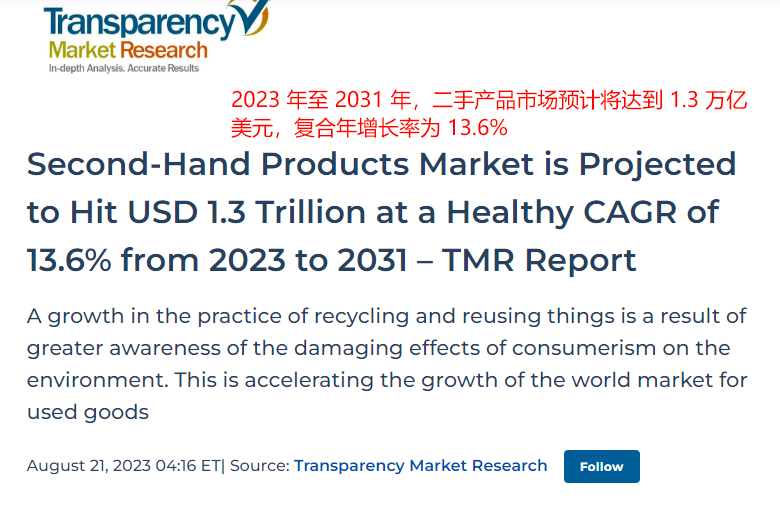
Prévision mondiale impressionnante : Selon les données de recherche de Transparency Market Research, le marché mondial de la revente d'occasion devrait continuer à se développer entre 2023 et 2031 pour atteindre la somme stupéfiante de 1 300 milliards de dollars. Au cours de cette période, son taux de croissance annuel composé (TCAC) devrait atteindre 13,6 %, révélant un potentiel de développement considérable.
Source : GlobeNewsWire
Marché allemand : Stabilisation et doublement : Depuis 2019, les ventes du e-commerce d'occasion en Allemagne ont quasiment doublé. Selon un rapport de l'Association allemande du commerce de détail (HDE), les ventes en ligne d'occasion en Allemagne ont atteint 9,9 milliards d'euros en 2024, soit une augmentation de 7,2 % par rapport à l'année précédente.
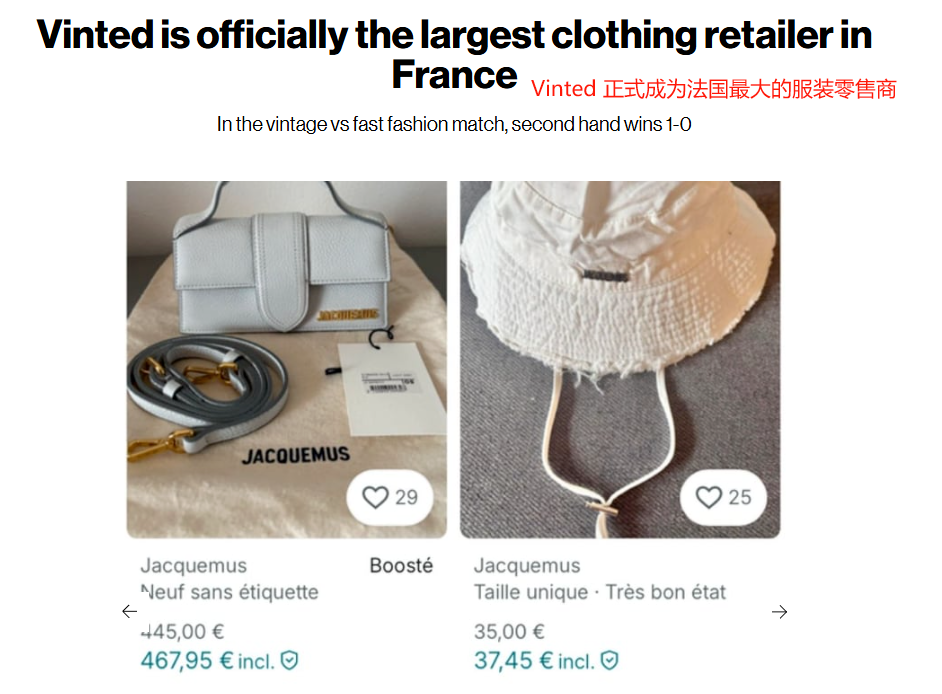
Marché français : Forte dynamique : Le marché français de la revente est également très actif. Selon un rapport de l'IFM, au premier trimestre de cette année, les vêtements d'occasion représentaient 10,9 % des ventes en France. Les jeunes en sont les principaux moteurs, avec une part de marché de 16,3 %. Fait notable, au premier trimestre, la plateforme Vinted a dépassé le géant du e-commerce Amazon et le détaillant omnicanal local Kiabi pour devenir le premier vendeur de vêtements en France.
Source : NSS Magazine
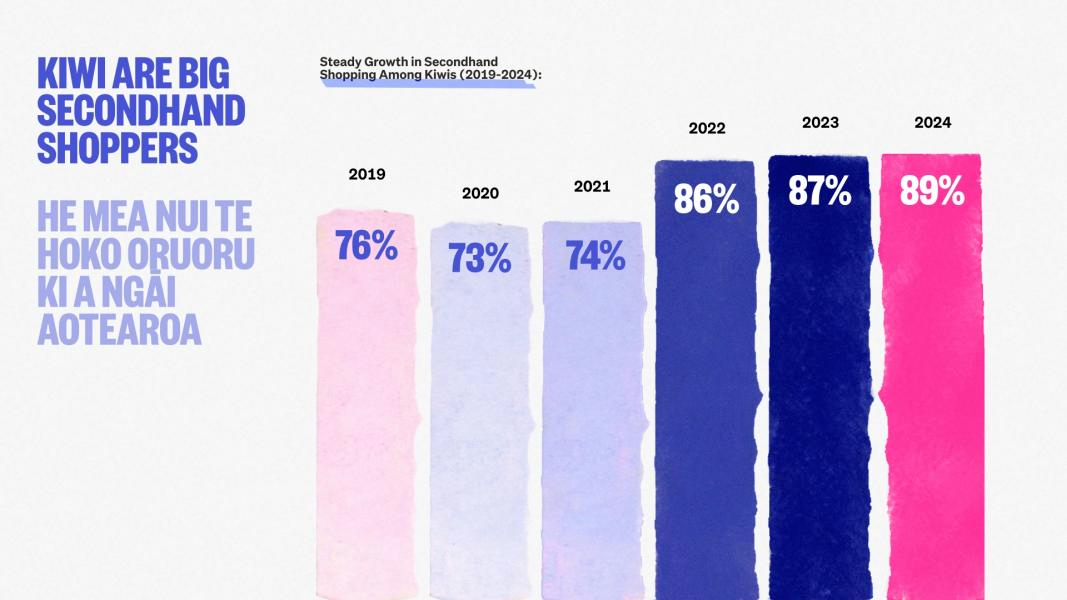
Nouvelle-Zélande : L'économie circulaire bien ancrée : En Nouvelle-Zélande, le modèle d'économie circulaire est largement adopté. Un rapport de Trade Me indique que la valeur totale du marché de l'occasion en Nouvelle-Zélande atteint 5,5 milliards de dollars, avec une moyenne de 20 articles d'occasion par foyer. Les vêtements, les chaussures, les accessoires ainsi que les articles de maison et de vie quotidienne sont les catégories les plus vendues. Selon les données, près de 90 % des Néo-Zélandais ont acheté un article d'occasion au cours des six derniers mois, tandis que près de 80 % des personnes interrogées déclarent avoir vendu au moins un article d'occasion, ce qui montre que le commerce de l'occasion est profondément ancré dans la vie quotidienne des Néo-Zélandais.
Source : Trade Me
Enseignements pour le secteur : Nouvelles orientations et opportunités
La tendance des jeunes Américains à se tourner vers la consommation d'occasion sous la pression des droits de douane offre de nouvelles pistes de développement au secteur mondial du e-commerce transfrontalier. Pour les plateformes de e-commerce transfrontalier spécialisées dans la vente d'occasion, il est nécessaire d'optimiser davantage l'expérience de service, de renforcer les processus de contrôle qualité des articles et de proposer des fonctions de recherche et de recommandation plus précises afin de mieux répondre aux besoins des consommateurs. Parallèlement, les plateformes de e-commerce transfrontalier traditionnelles devraient également accorder de l'importance au potentiel considérable que présente le marché de l'occasion et envisager d'explorer en temps utile des segments d'activité connexes.
Pour la grande majorité des vendeurs, cette fièvre de la consommation d'occasion qui s'intensifie constitue sans aucun doute un signal de marché important. Les vendeurs peuvent ainsi ajuster leur stratégie de sélection de produits, en se concentrant et en augmentant l'offre des catégories d'occasion les plus demandées sur le marché. Au vu des tendances mondiales actuelles, cette vague de consommation d'occasion, portée par la pression tarifaire, les considérations économiques et la conscience écologique, devrait continuer à faire sentir ses effets pendant longtemps, remodelant profondément le paysage de la consommation mondiale.