
 2053
2053Le 12 janvier, le Bureau d'information du Conseil d'État a tenu une conférence de presse pour présenter la situation des importations et des exportations pour l'ensemble de l'année 2023. Parmi celles-ci, la valeur totale des importations et des exportations de la Chine en 2023 s'est élevée à 41,76 billions de yuans, soit une augmentation de 0,2 % par rapport à l'année précédente ; le commerce électronique transfrontalier a atteint 2,38 billions de yuans, en hausse de 15,6 %. Le nombre de consommateurs participant aux importations de commerce électronique transfrontalier a augmenté d'année en année, atteignant 163 millions en 2023.
Tout cela nous envoie un signal : l'économie mondiale commence à se redresser.
En fait, en observant les changements nationaux et internationaux de ces deux dernières années, nous pouvons en voir les prémices.
Tout d'abord, TikTok prospère à l'étranger, avec plus de 1,1 milliard d'utilisateurs actifs quotidiens, bien plus que les autres plateformes de vidéos courtes à l'étranger. Parallèlement, l'ouverture de TikTok Shop dans plusieurs pays avec une boucle complète a également permis au commerce électronique de TikTok d'entrer dans une phase de développement rapide à l'étranger. De plus, la nouvelle initiative "Ceinture et Route" promue par la Chine a également joué un certain rôle dans la stimulation de l'économie mondiale.
On peut donc en conclure qu'en 2024, l'expansion transfrontalière à l'étranger continuera d'être très populaire et deviendra un projet chaud à l'échelle mondiale.
Cela soulève cependant quelques questions : comment les entreprises devraient-elles s'internationaliser ? Dans quelle région s'internationaliser ?

Il existe actuellement de nombreuses plateformes de commerce électronique transfrontalier, les plus connues étant TikTok (version internationale de Douyin), Alibaba International Station, Temu (version internationale de Pinduoduo), etc. Toutes sont des options possibles. Mais relativement, Tuke recommanderait plutôtde choisir TikTok pour les débutants.
Car en tant que logiciel de médias sociaux à l'étranger, son nombre d'utilisateurs est plus avantageux parmi les plateformes transfrontalières, ce qui permet également de toucher plus facilement le public cible et d'augmenter la probabilité de conclure des affaires.
De plus, TikTok couvre actuellement les principaux pays à l'étranger, ce qui peut mieux aider les entreprises souhaitant s'internationaliser.
Quant au choix de la région, Tuke pense queles États-Unis ou les pays d'Asie du Sud-Est sont de très bonnes options.
Car ces régions ont déjà ouvert TikTok Shop, ce qui est très adapté au développement des entreprises B2C.
Pour les entreprises B2B, en plus des régions ci-dessus,le Brésilpeut être considéré comme une cible prioritaire.

Car le nombre d'utilisateurs de TikTok au Brésil se classe parmi les premiers dans le monde, et TikTok Shop n'est pas encore ouvert au Brésil. Cela signifie que les entreprises B2B qui utilisent TikTok pour atteindre le public brésilien pourront autant que possible éviter les "interférences" du public du commerce électronique et acquérir des clients plus précisément.
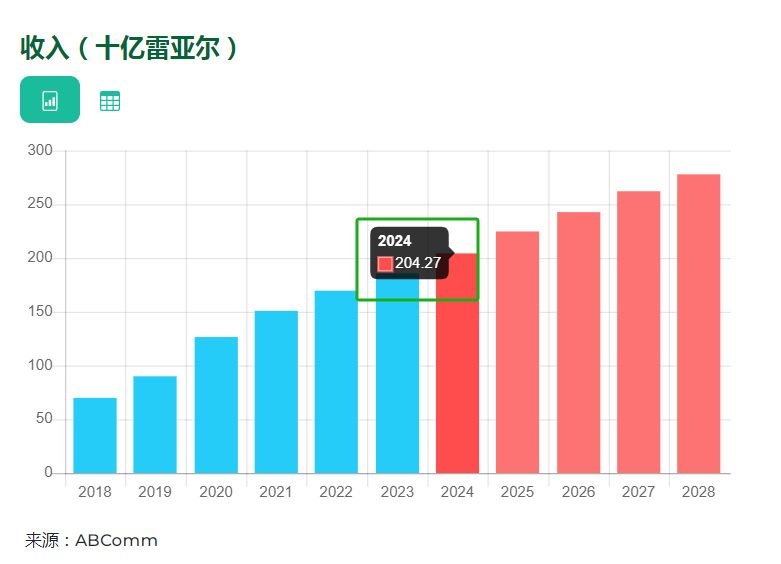
De plus, l'Association brésilienne du commerce électronique (ABComm) a récemment publié une information indiquant que le marché brésilien du commerce électronique devrait maintenir une croissance robuste dans les années à venir, avec des revenus du commerce électronique qui pourraient atteindre 204,27 milliards de reais (41,94 milliards de dollars) d'ici 2024, soit une augmentation d'environ 10 % par rapport aux prévisions de ventes de 2023.
C'est sans aucun doute un très bon signal pour les entreprises transfrontalières spécialisées dans les activités B2B.
Pourquoi ?
Parce que la croissance continue du commerce électronique au Brésil poussera les distributeurs locaux à rechercher davantage de sources d'approvisionnement, ce qui permettra aux industries manufacturières B2B transfrontalières d'entrer plus facilement dans le "champ de vision" des distributeurs locaux. Avec une gestion et un trafic appropriés, la probabilité que les entreprises reçoivent des demandes de renseignements augmentera considérablement.
De plus, en tant que pays avec un nombre d'utilisateurs actifs mensuels de TikTok parmi les plus élevés, TikTok ne peut pas abandonner un marché de commerce électronique comme le Brésil. Des informations ont également circulé auparavant selon lesquelles le Brésil ouvrirait TikTok Shop, donc la boutique TikTok finira par s'ouvrir.
À ce moment-là, les entreprises B2B appropriées pourront également développer simultanément des activités B2C, renforçant ainsi leur compétitivité et favorisant davantage le développement de l'entreprise.

En 2024, plutôt que d'attendre une opportunité en Chine, il vaut mieux prendre les devants tôt.